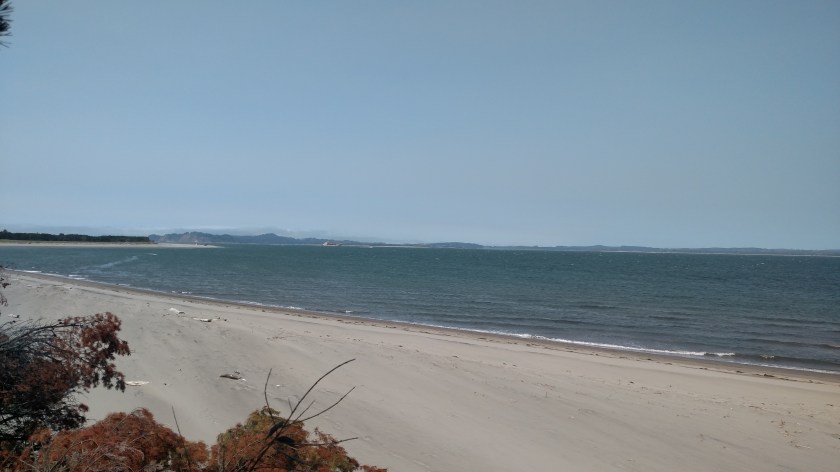
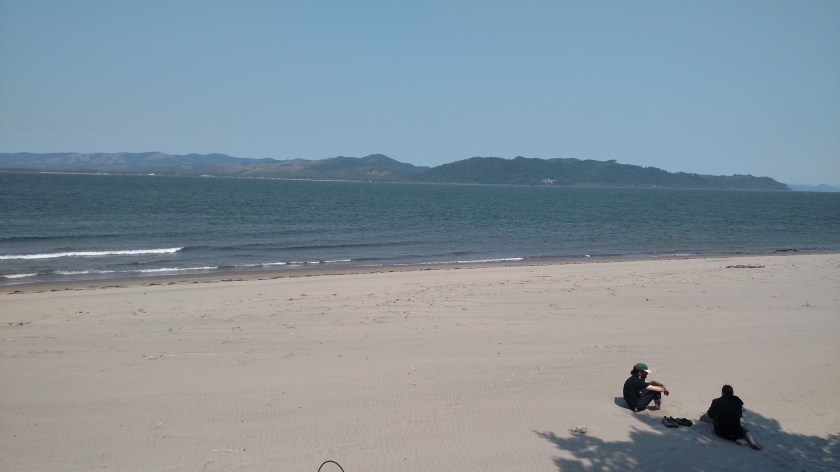
Cape Disappointment lighthouses

And yes, lighthouses plural is correct.  Because of it’s proximity to the treacherous Columbia River Bar this location has two lighthouses within two miles of each other.

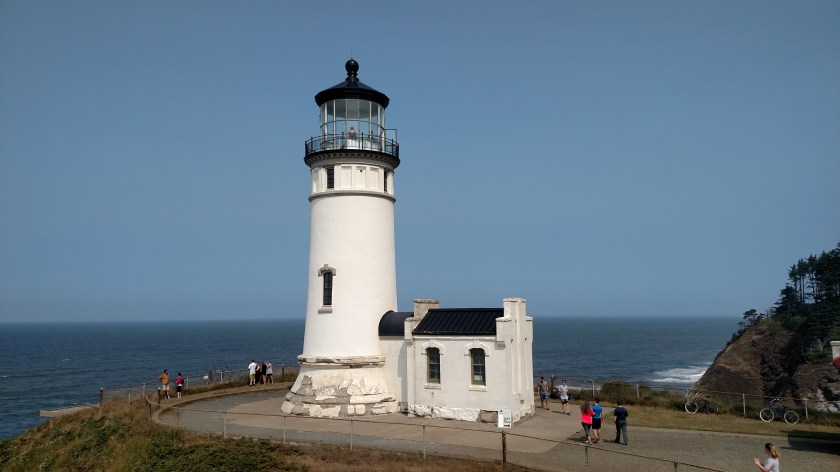
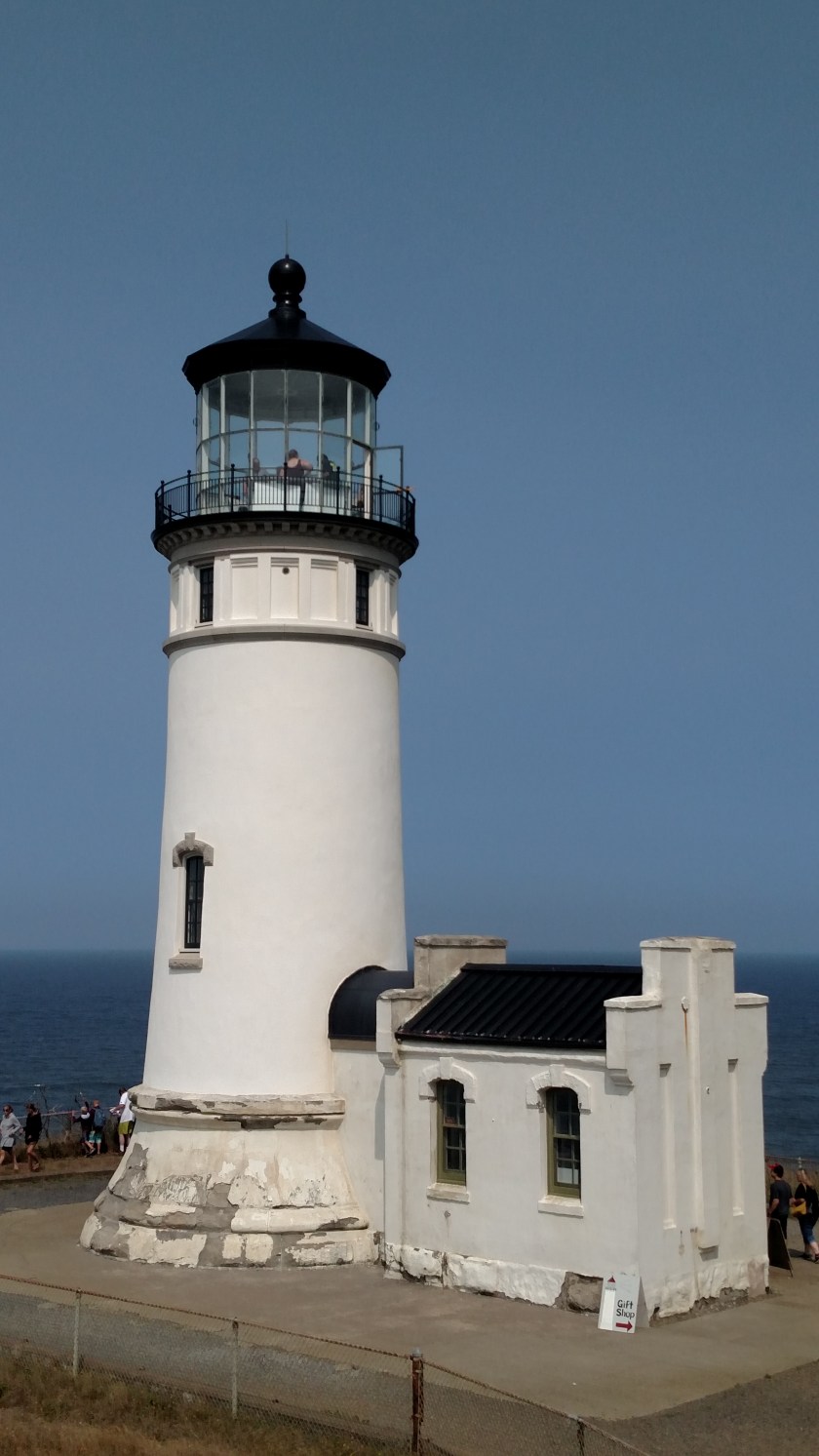
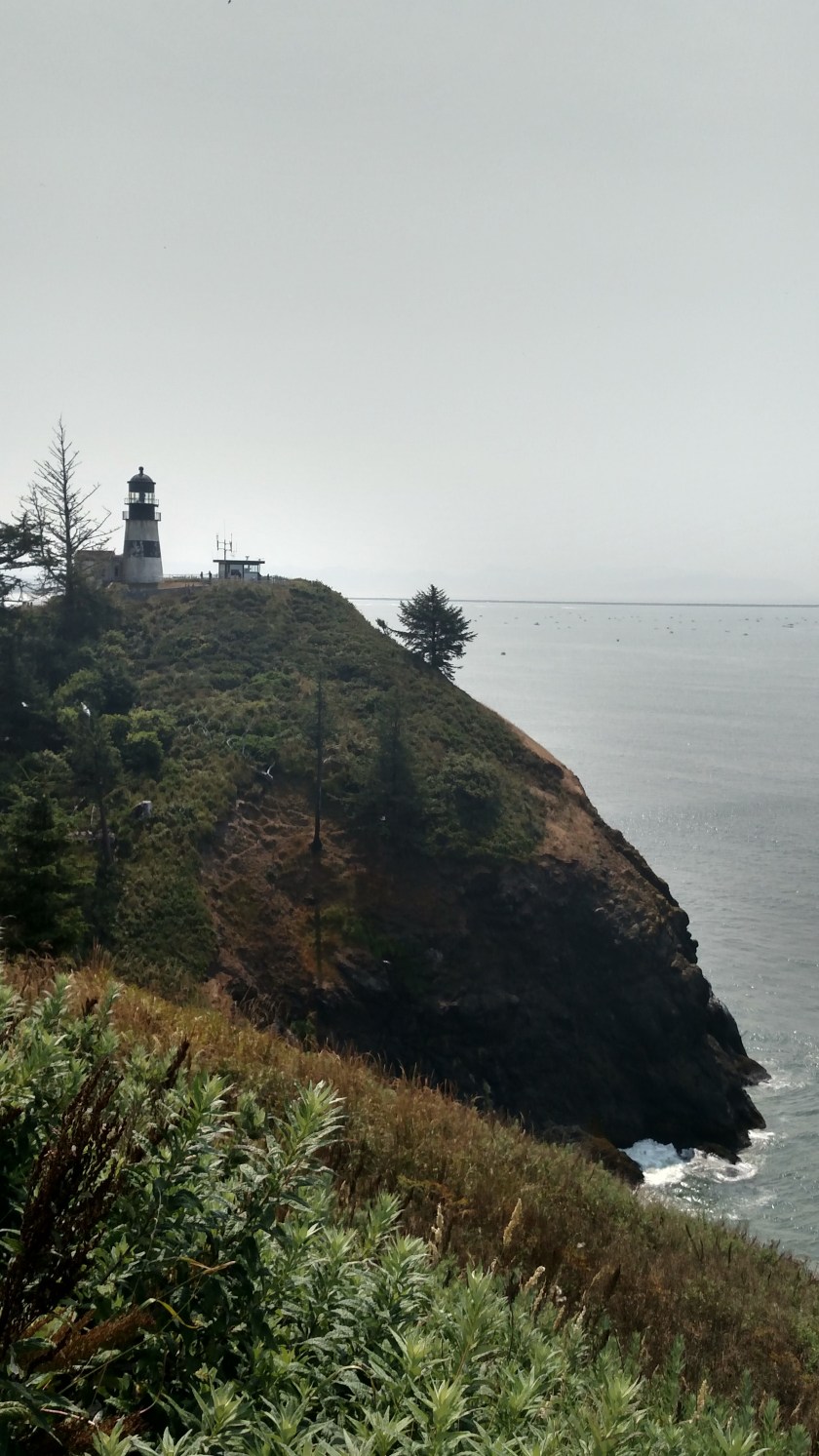
The Cape Disappointment lighthouse was built in 1856.  It is 53 feet tall and sits high atop a hill on the north side of the mouth of the Columbia River.

IMG_20180813_122238659_HDR

Because of it’s location I could only get pictures from far away (the photo above was taken from the Visitor Center, about a half mile away) or from very close to it.  The building you see next to it is for US Coast Guard personnel to keep a visual watch on the sometimes treacherous Columbia River Bar just offshore.

DSCN6867

DSCN6865

IMG_20180813_124201923

The problem with this lighthouse was that ships approaching from the north, places like Seattle and Alaska, couldn’t see it.  A decision was made to construct a second lighthouse, called the North Head lighthouse, just two miles north of this one.  It was first illuminated in 1898.  It is 65 feet tall and sits at 190 feet above sea level.  The lighthouses emit different pulses of light so ships can tell them apart.

IMG_20180813_115344471

IMG_20180813_115458843

The North Head lighthouse structure is now under the purview of the Washington State Park Service (both lighthouses are located within Cape Disappointment State Park).  The actual lighthouse operations (both are still in use) are conducted by the Coast Guard, which has a base adjacent to the Park.

World Kite Museum

Monday I visited this museum, located in Long Beach, Washington.  Long Beach is a very small beach town located in extreme southwestern Washington which has the honor of hosting the Washington State International Kite Festival each year (the 2018 edition is being held for 7 days starting next Monday, August 20).

Before we go up to the second floor to look at the kites, there were several interesting things to see on the ground floor of the museum.

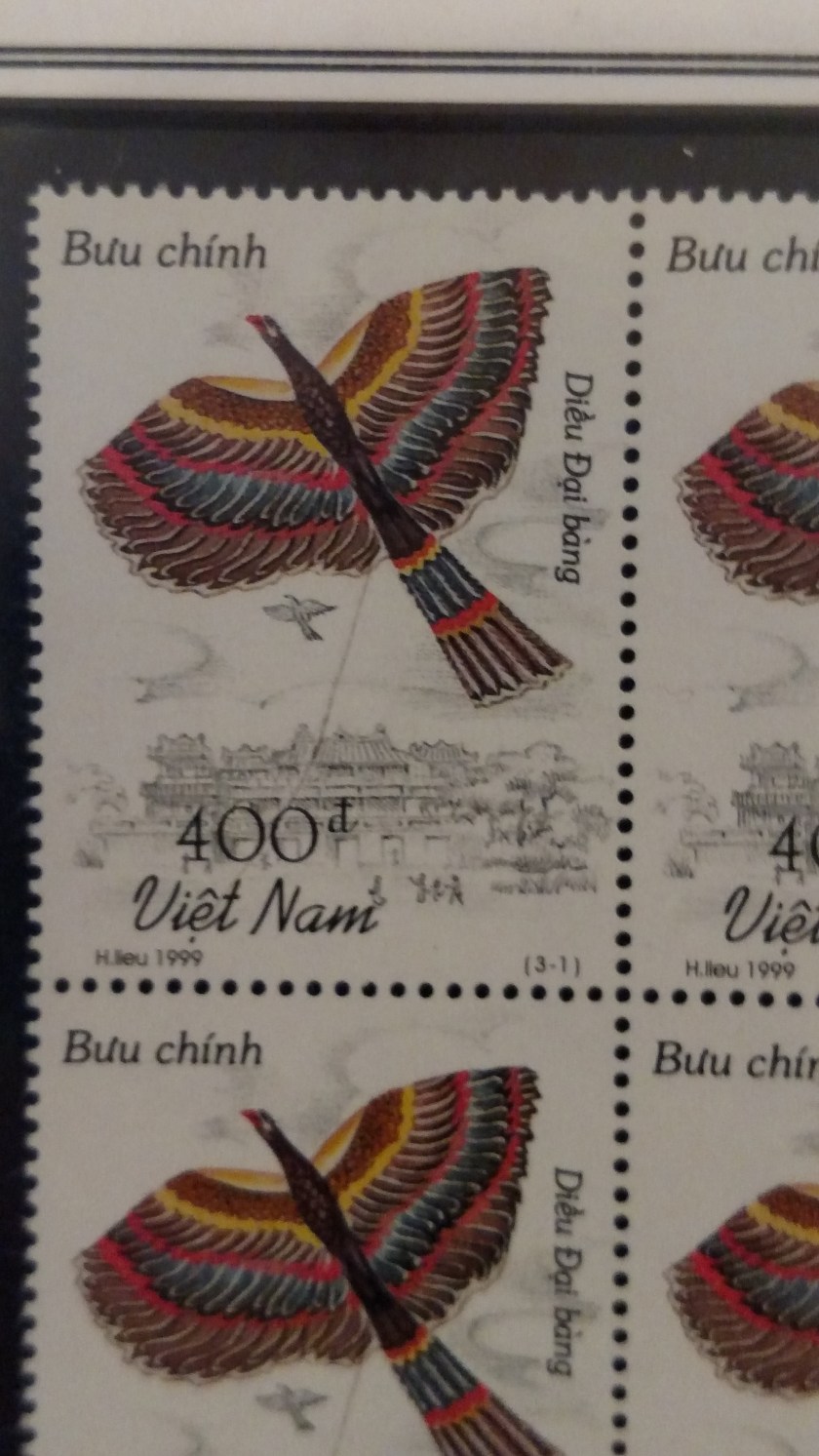
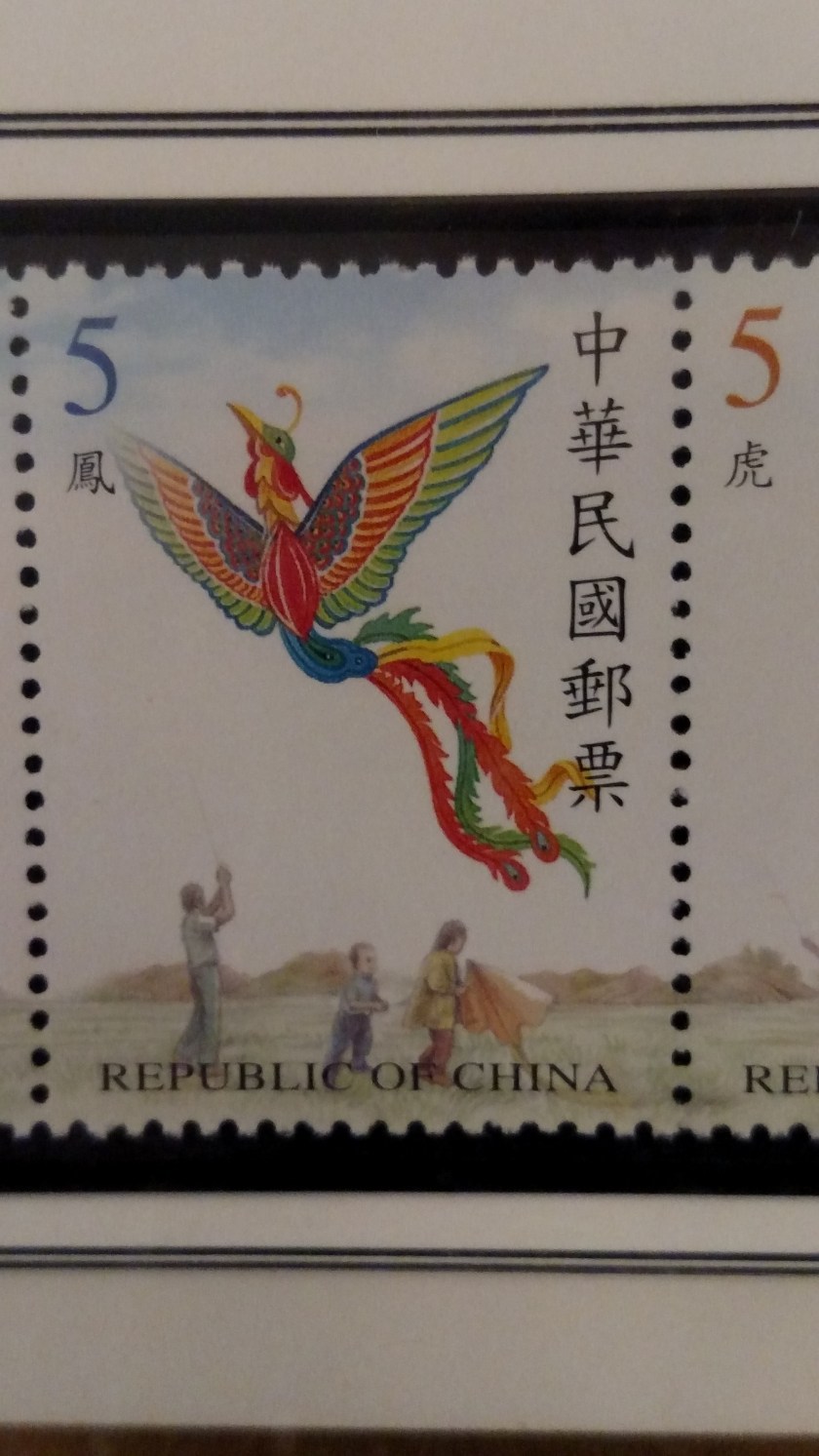
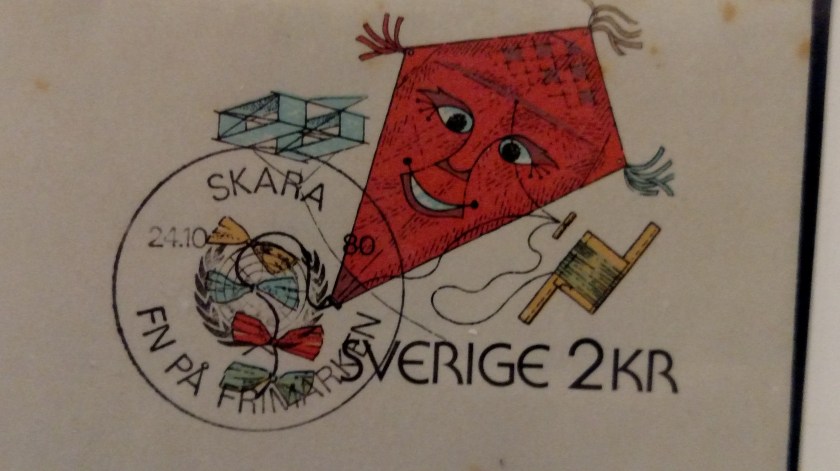
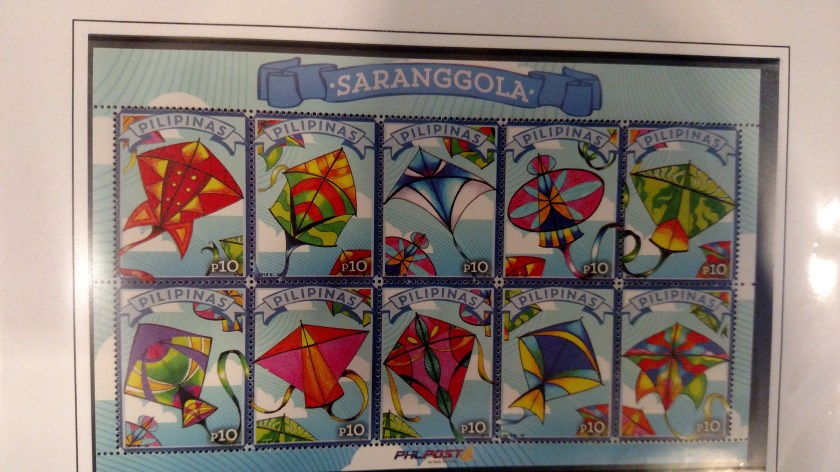
A local stamp collector put together a group of stamps from around the world which had images of kites on them – and there were lots of them.  Stamps from other countries are often very elaborate and very colorful.  I thought this was a very clever idea.  Here are some of my favorites:

IMG_20180813_143837089

IMG_20180813_143921649

IMG_20180813_143936300

IMG_20180813_143953780

IMG_20180813_144022607

IMG_20180813_144032409

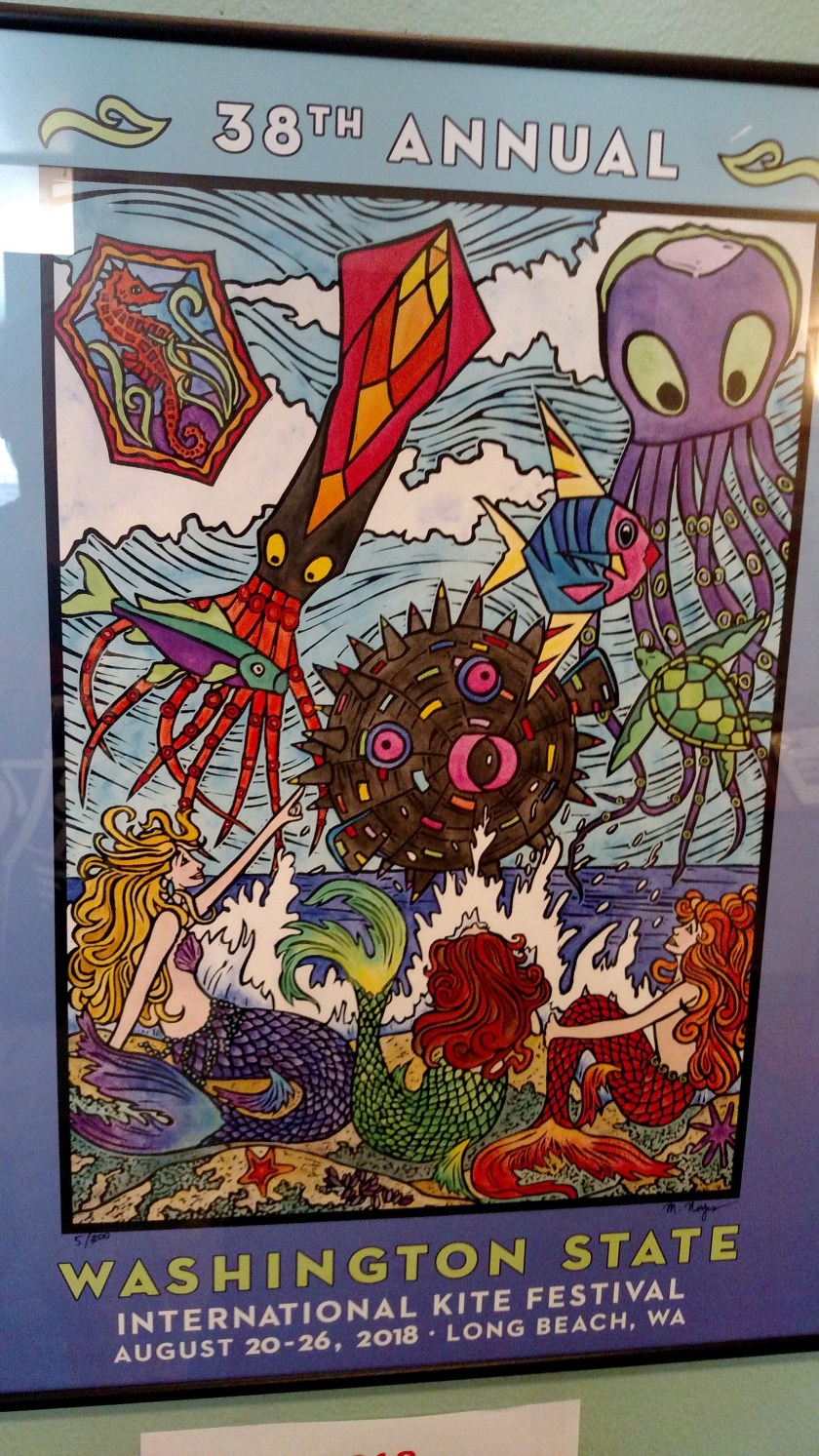
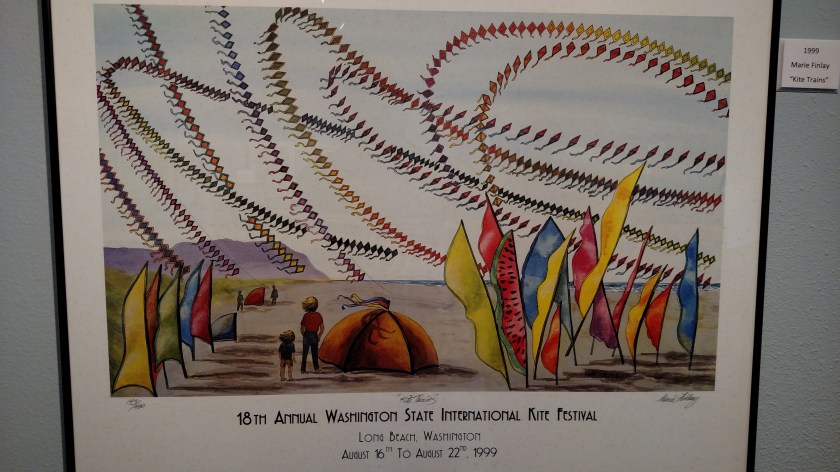
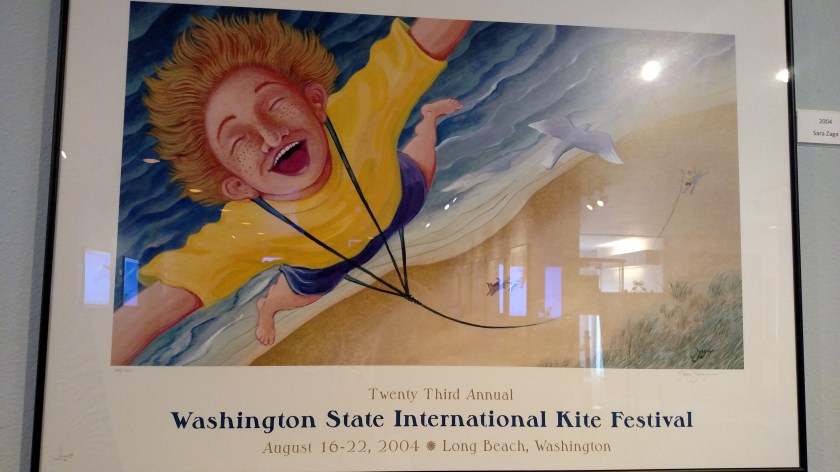
Next is a series of posters celebrating festivals from previous years.   First, here is the poster for the upcoming festival, the 38th annual:

IMG_20180813_144120127

(Poster artist: Mimi Noyes)

IMG_20180813_144159227

(Poster artist: Marie Finlay)

IMG_20180813_144309576

(Poster artist: Sara Zaga)

IMG_20180813_144337040

(Poster artist: Patricia Fagerland)

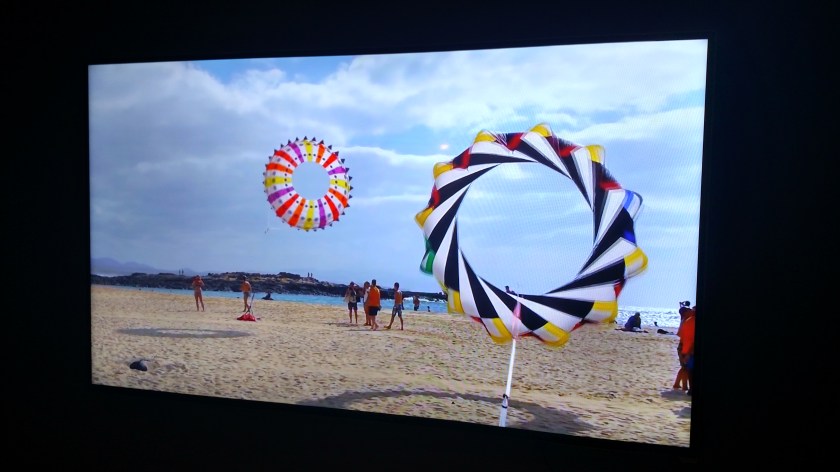
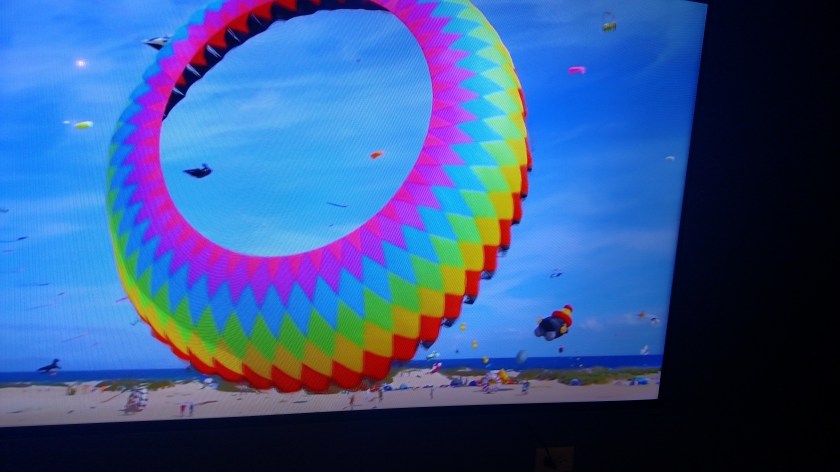
And finally, there was a large video screen running a series of high definition videos of kite flying in action:

IMG_20180813_144414857_HDR

IMG_20180813_144425460_HDR

IMG_20180813_144531468

IMG_20180813_144609754

Kite Museum – Kites!

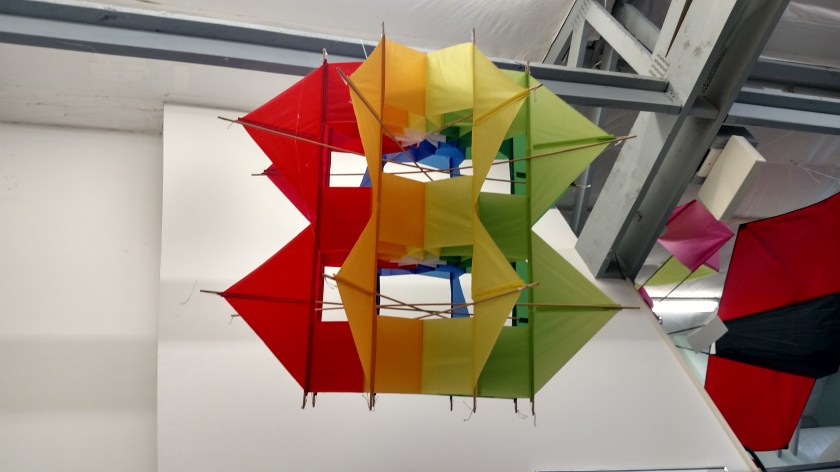
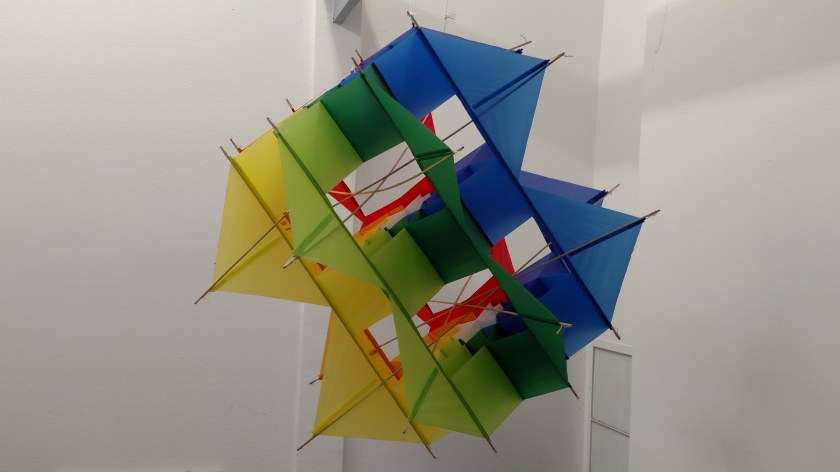
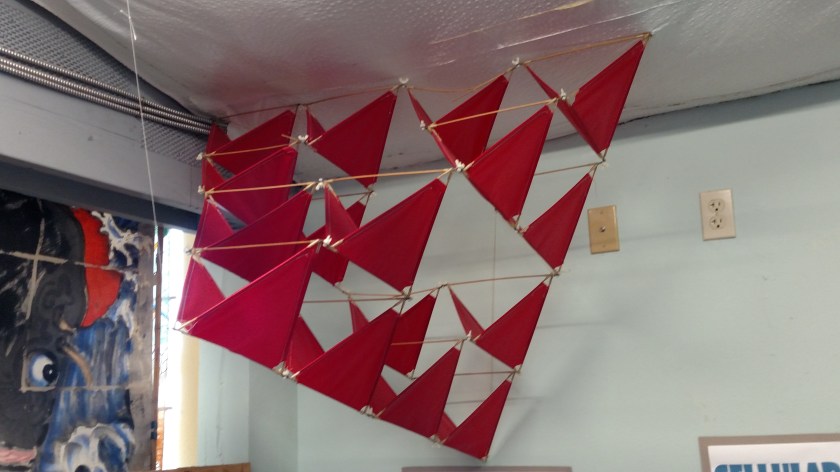
Here are some of the unusually shaped kites I saw at the World Kite Museum in Long Beach, Washington on Monday.  Evidently kite technology has come a long way since I was a kid…

These are two angles of the same kite which was hanging above the stairs leading up to the second floor of the museum:

IMG_20180813_144810360_HDR

IMG_20180813_144924205

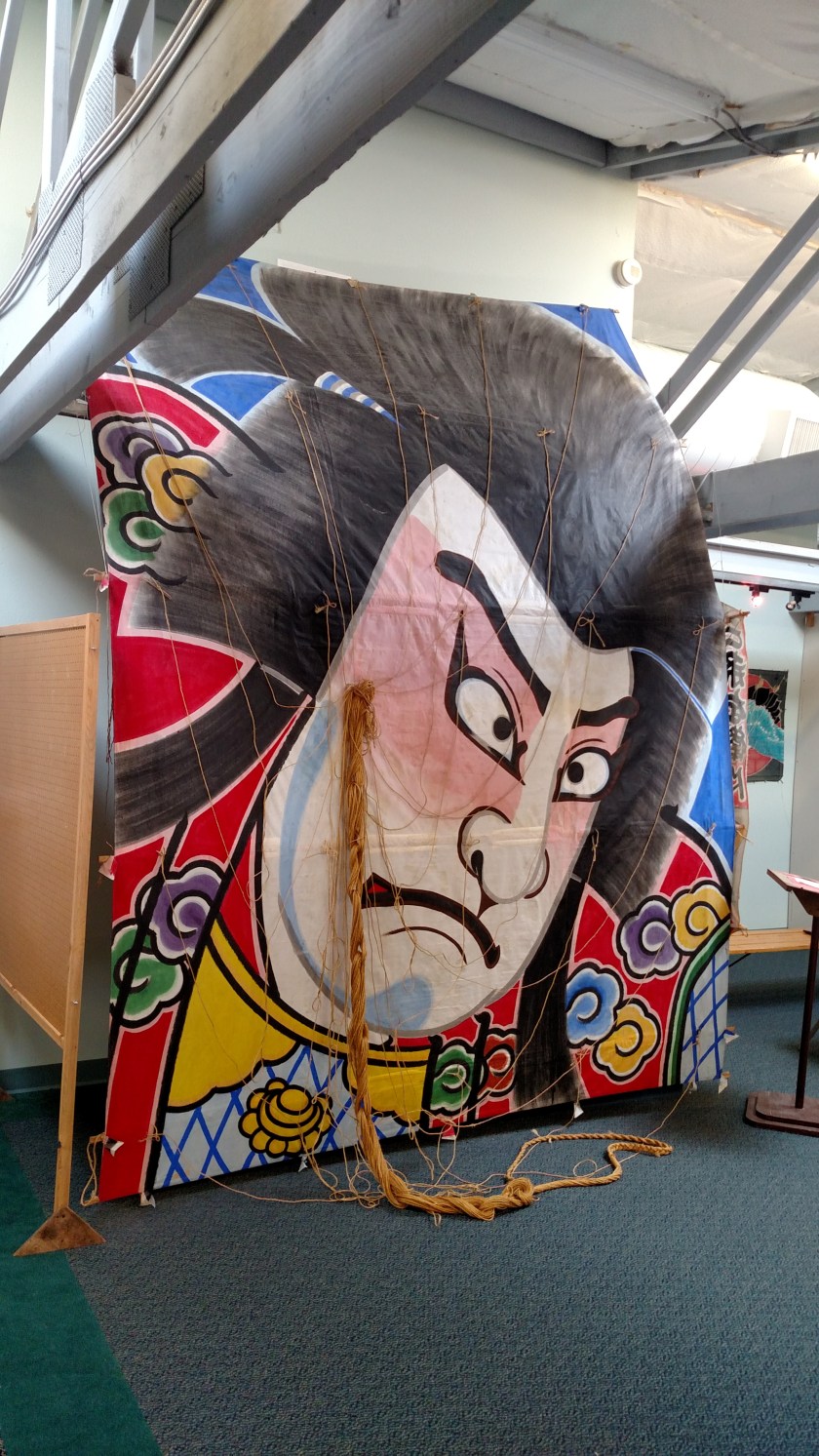
And these are two angles of the same kite which was resting up against a wall upstairs.  It is huge (floor to ceiling).

IMG_20180813_144836159_HDR

IMG_20180813_151542944

And here are some other kites which were hanging from the ceiling:

IMG_20180813_144851669

IMG_20180813_144943589

IMG_20180813_145007824

IMG_20180813_145018198

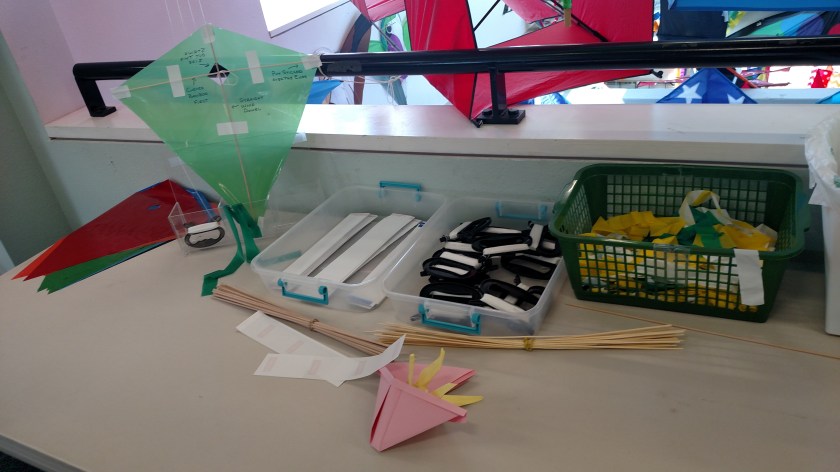
And there was a place where kids could build their own, conventional kite:

IMG_20180813_151606860

And no, I didn’t.

Kite Museum – Japanese

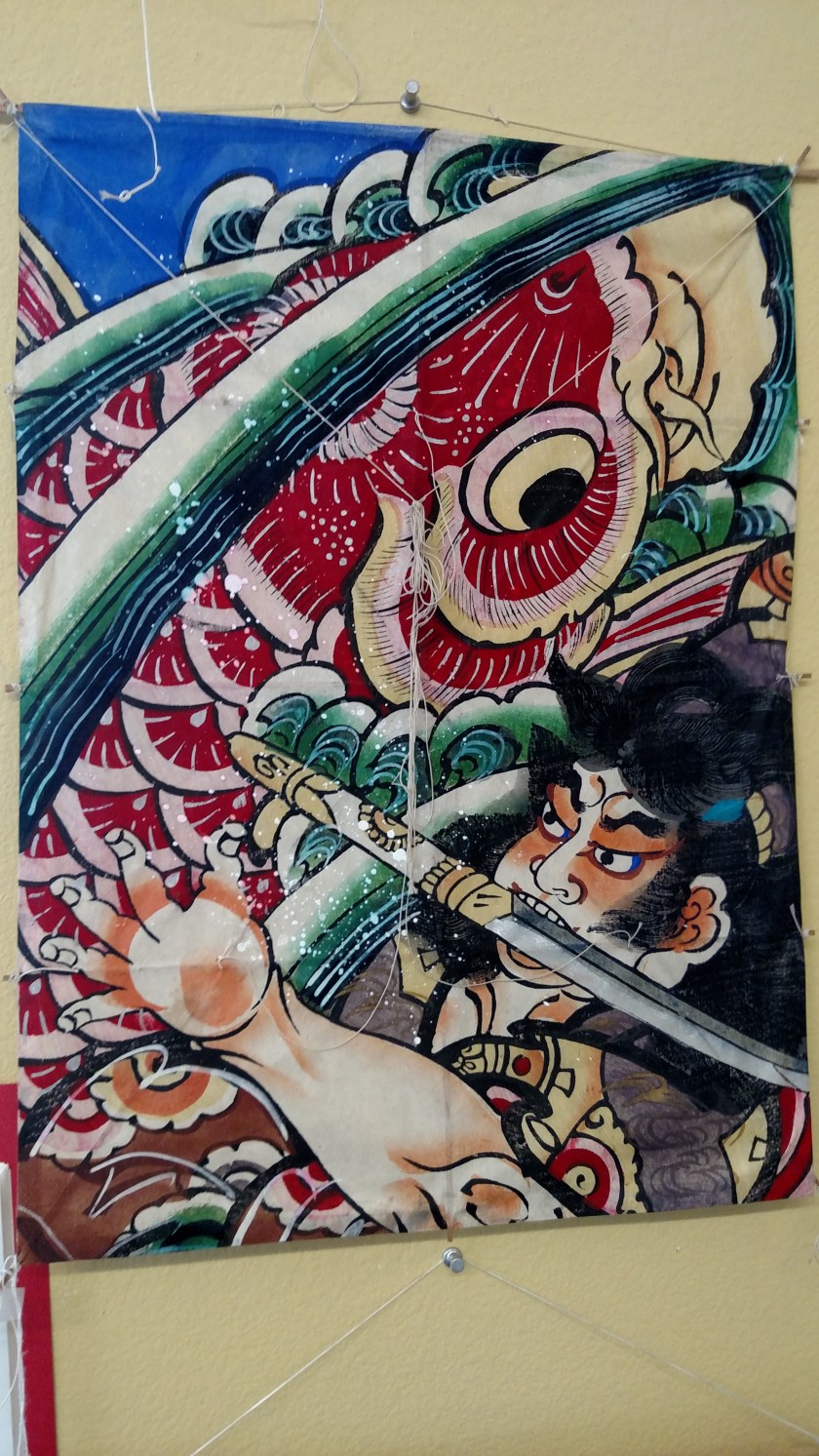
Another interesting display at the World Kite Museum in Long Beach, Washington which I visited on Monday was the section devoted to Japanese, and other oriental kite-makers.  These were very elaborate and colorful in design, and often quite large.

This one was probably 8 or 9 feet tall:

IMG_20180813_145046378

And this one was even bigger, filling a whole window on the second floor of the museum:

IMG_20180813_145133532

This wasn’t as big, but still elaborate:

IMG_20180813_145155199

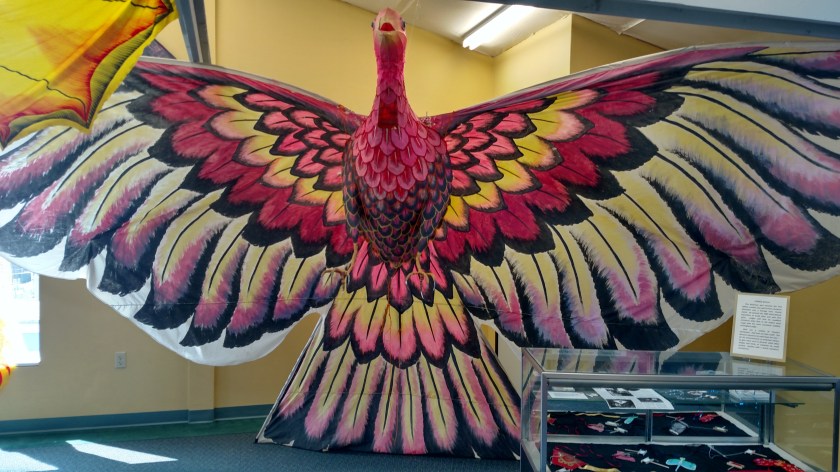
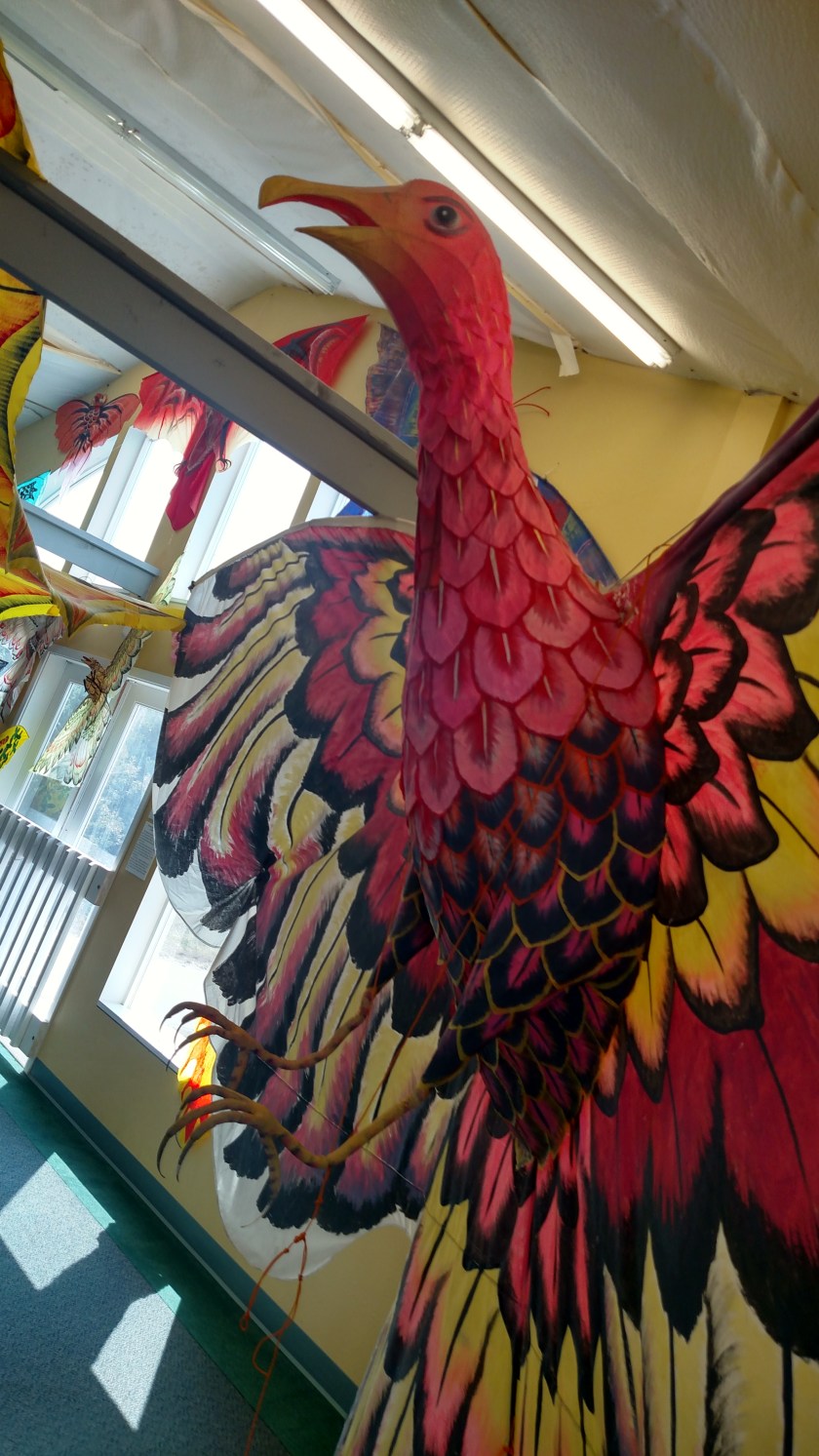
This was one of the largest kites on display – probably 8 feet tall and with a huge wingspan:

IMG_20180813_145513866_HDR

And it was three-dimensional, with the body and talons protruding below it:

IMG_20180813_145534701_HDR

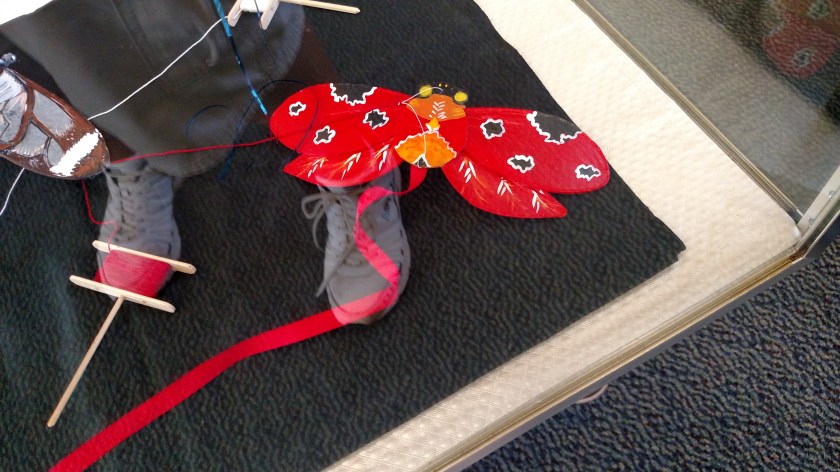
There were some very small kits on display as well.  I included the index finger of my left hand touching the glass display case to illustrate how tiny this kite is:

IMG_20180813_145623279

And here is another tiny kite.  Please ignore my big feet which I didn’t realize were reflecting in the glass of the display case, and weren’t included to illustrate anything!

IMG_20180813_145640090

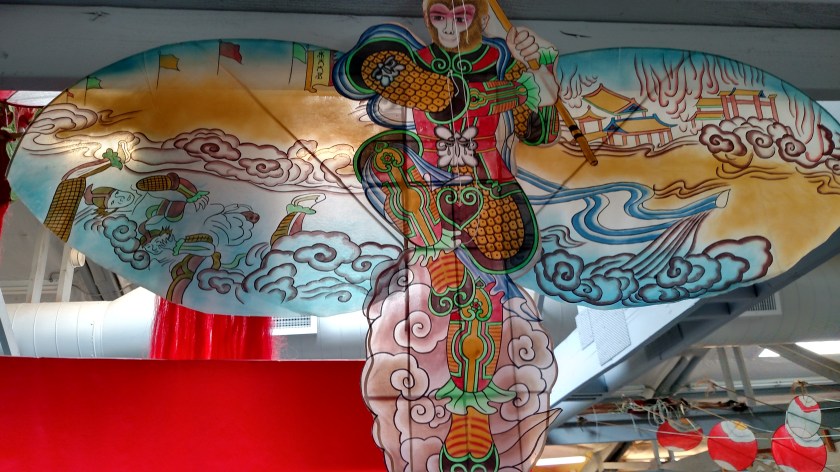
Then there was the “Monkey King” kite, which has a fictional story behind it:

IMG_20180813_150014521_HDR

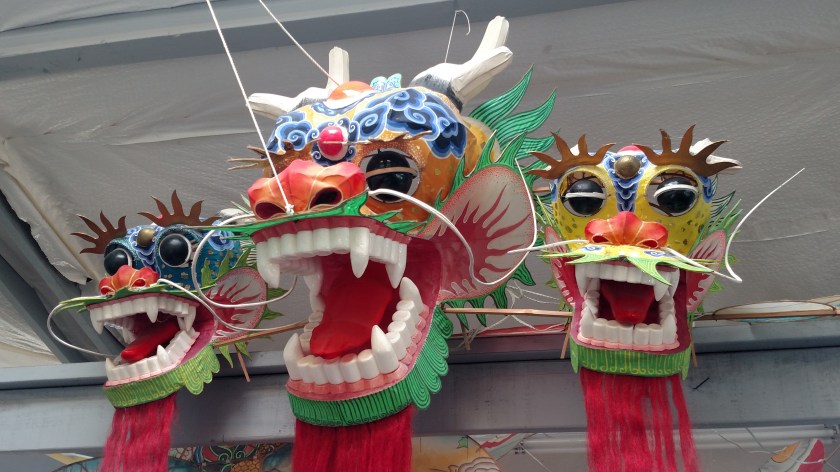
And finally a Dragon kite, with this large, elaborate set of three heads – connected by bamboo:

IMG_20180813_145813671

Parts of these heads were plastic (teeth and eyes, specifically) but the remainder was bamboo sticks over which colorful silk was spread and other adornments attached.  Dragon heads are supposedly designed to include parts of 9 different animals.

But wait – there’s more…..

This Dragon kite is actually called a “centipede” kite in that a very long tail of long bamboo sticks with thin, lightweight material designed to catch the wind and extend the tail behind the heads.  The picture doesn’t do it justice but this centipede tail would VERY long when fully extended.

IMG_20180813_145837363_HDR


Kite Museum – Military applications

Another interesting part of my visit to the World Kite Museum in Long Beach, Washington on Monday was an area which explained how kites were used by the military, especially during World War II.

Ordinary shaped kites had the image of enemy aircraft painted on them and were then flown to help ground based troops practice firing their weapons at the “planes,” which would then appear at the small size of the real planes they’d be firing at.

IMG_20180813_151401247_HDR

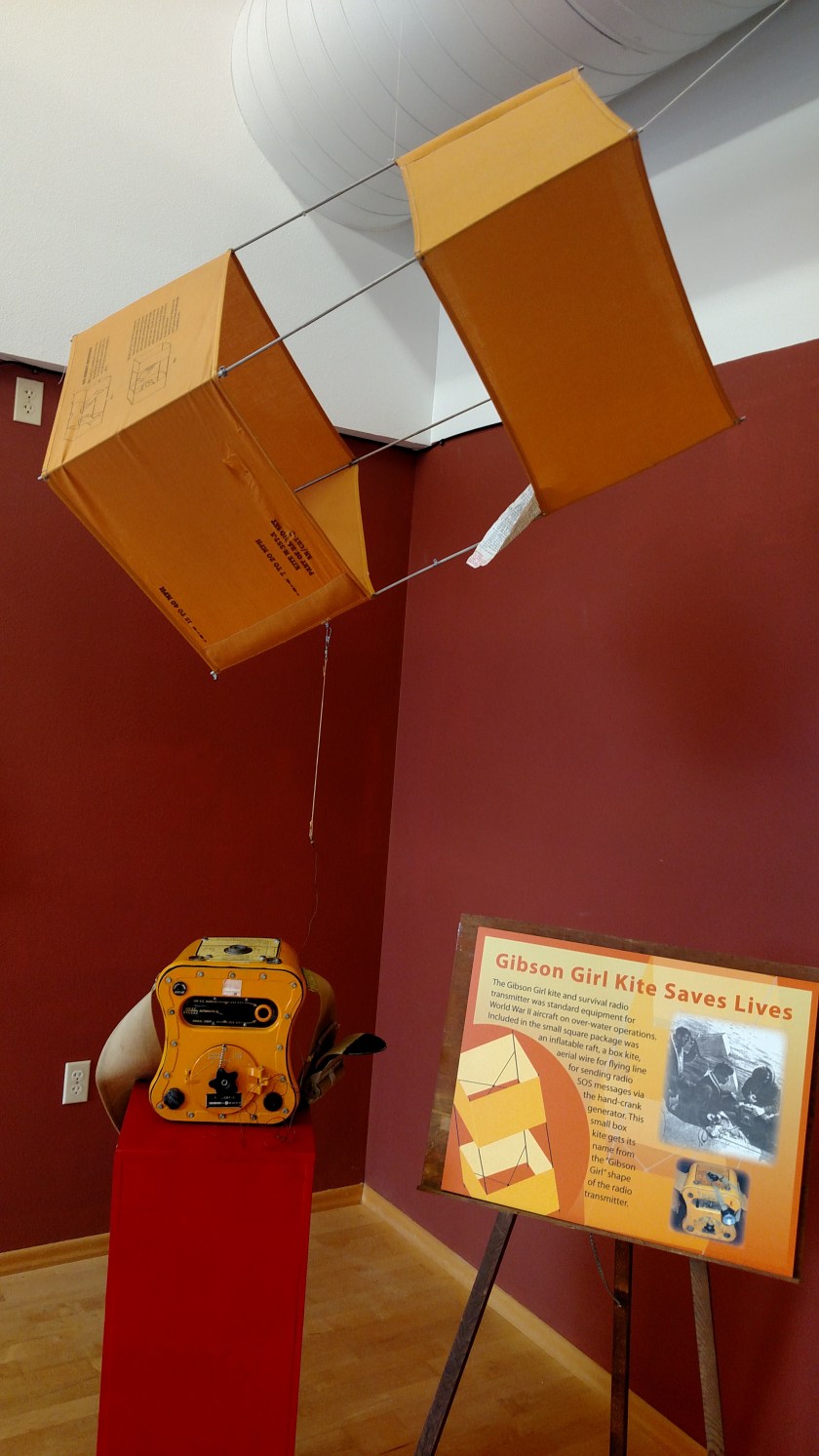
Aircraft flying over water were all equipped with a raft, a hand-cranked emergency radio and a box kite which would be assembled and flown to raise the radio antenna to call for help.  These saved the lives of countless men who were then rescued.

IMG_20180813_151301540

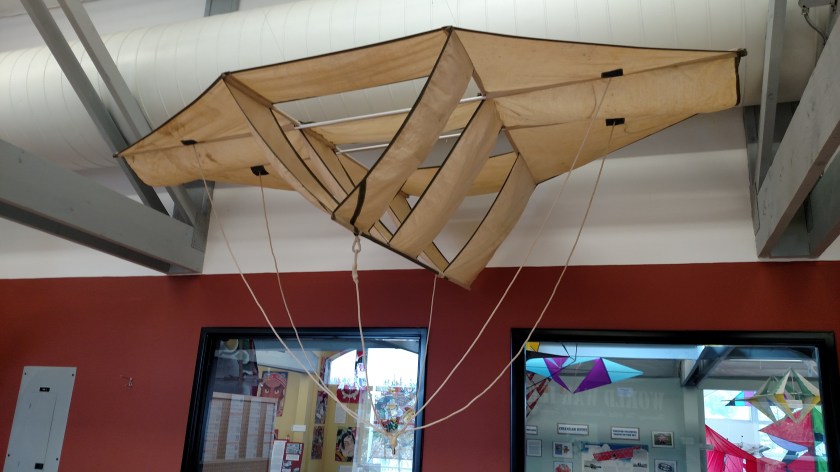
This unusually shaped kite was flown, then “snagged” by an airplane to deliver mail, maps or orders to ships at sea or troops in the field.

IMG_20180813_151244970

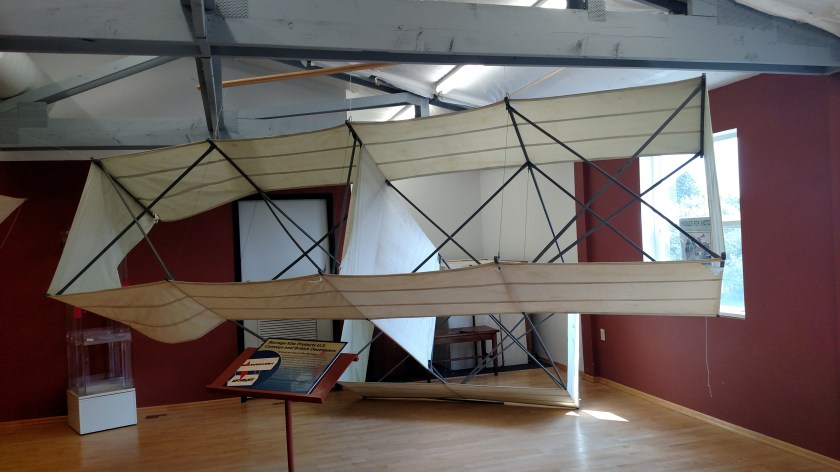
And this large kite would be flown high in the air and 2,000 foot lengths of piano wire would hang below it, literally tearing enemy aircraft which flew through it apart.

IMG_20180813_151145340

Let’s Go Big Rig Racin’, Boys….

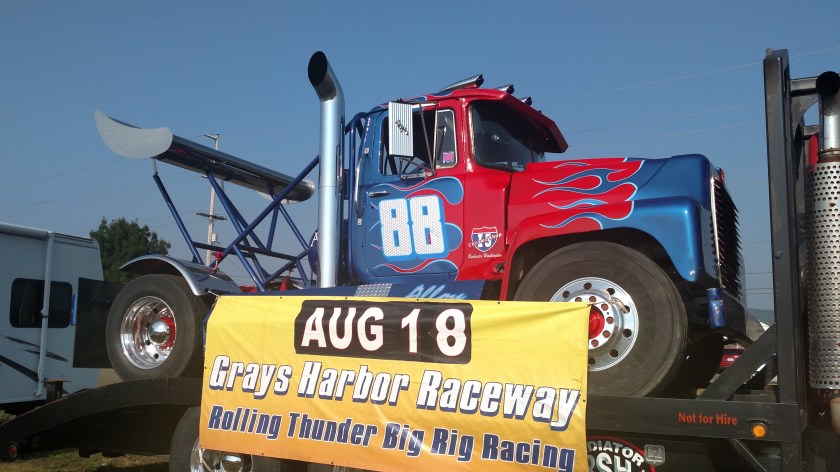
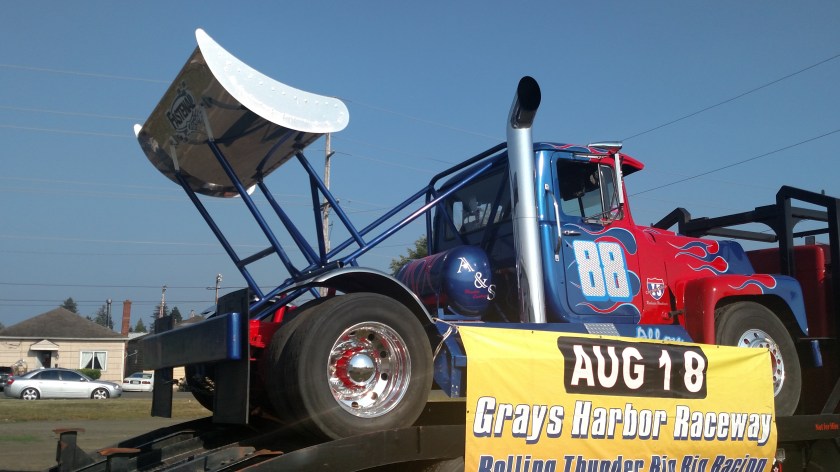
As I was driving to my next Airbnb stop in Grayland, Washington on Monday I saw a truck parked next to the highway with this race vehicle on it:

IMG_20180813_172601848

IMG_20180813_172618451

This immediately brought me back in time to 1984 when I attended a “big rig” race at Pocono International Raceway, near where I lived in eastern Pennsylvania.  Known today as simply Pocono Raceway, the track now hosts two NASCAR stock car races each year as well as an open-wheel IndyCar race.  Well, back in the 80’s someone got the bright idea to race trucks.  BIG trucks.  These were not the full-size pickup truck facsimiles which compete in the NASCAR Camping World truck series today.  These were every-day trucks (the tractor part of tractor-trailer, a common term for 18-wheelers you see on the highway).

While exciting to watch, the race at Pocono brought several safety issues to light and the days of these trucks racing on large, fast tracks like Pocono were short-lived.  In one accident at Pocono a truck went through the boilerplate wall in Turn 1.  Not over it, like race cars occasionally do, THROUGH it.  This actually made officials realize that the low, concrete walls in the pit road area and in front of safety vehicles around the track would be no match for these tall, very heavy trucks traveling at high speed.

I haven’t kept up with “big rig” racing but evidently it still goes on at small tracks, where speeds aren’t as great.  I would still be concerned about public and track worker safety and don’t think I’ll be attending one any time soon…

Water fell from the sky….

The strangest thing happened on Saturday.  It rained.

I haven’t seen measurable precipitation since May 20, the day my nephew graduated from college in Colorado Springs, Colorado.  After that Monday morning ceremony we had lunch, then went to the Garden of the Gods park.  Late in the afternoon Sam looked at the mountain complex which includes Pikes Peak and said “We gotta go, it’s going to rain” and after we got to the car, it did.

Yes, it spritzed on me the day I arrived in Eureka, California but that was only because I had just had the car washed after my “off-road” road trip to The Lost Coast.  And yes, a few big drops fell on me as a small storm tried to overtake me as I retreated from the Tule National Wildlife Refuge back to where I was staying in Klamath Falls, Oregon, but that was only enough to put large spots in the dirt and dust which had accumulated on my car while I was getting bird pictures.  Saturday was the first steady, widespread rain I’ve seen in over two and a half months (and it was probably because I had the car washed when I arrived in Portland on Thursday).

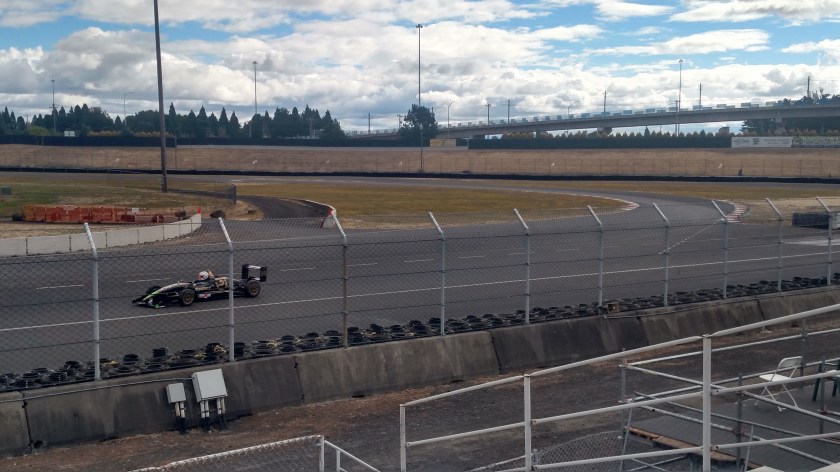
This all took place around noon Saturday and fortunately I had been at the Portland International Raceway track all morning getting pictures of and watching the morning practice and qualifying sessions for the various divisions.   I left when they took their hour lunch break (to give the corner workers and other track personnel a chance to take a break from their duties).  Racing would resume in the afternoon, even though the steady rain was relatively short-lived.  Road course racers have rain tires (with grooves) so a little moisture doesn’t stop them, it only slows them down a little…

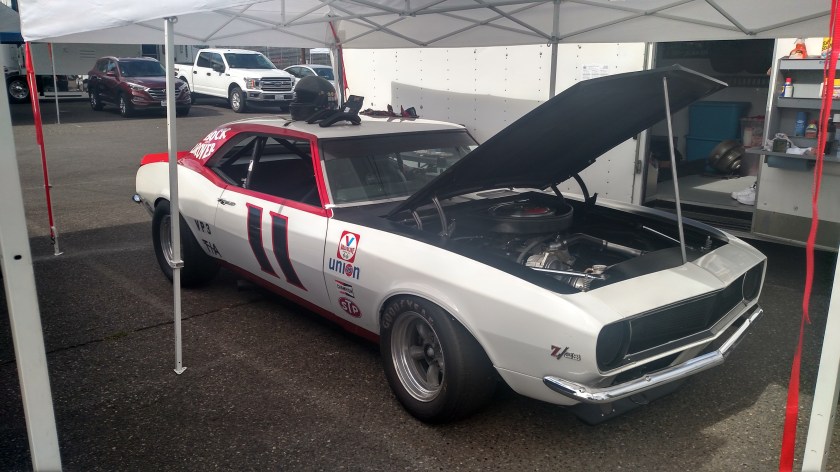
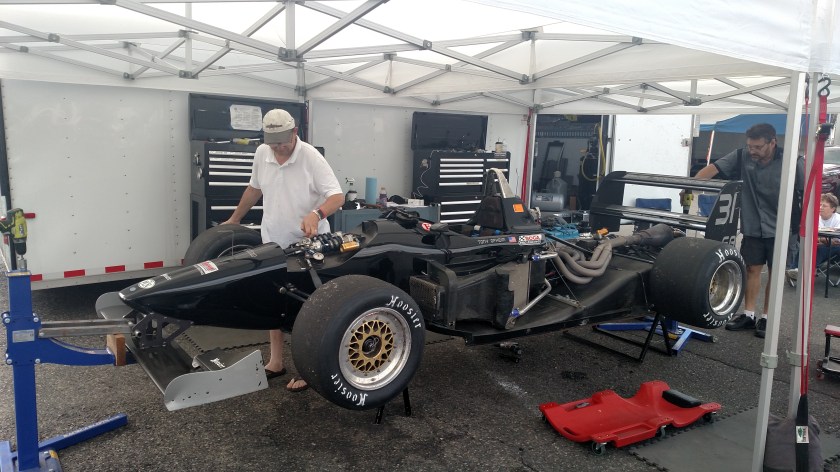
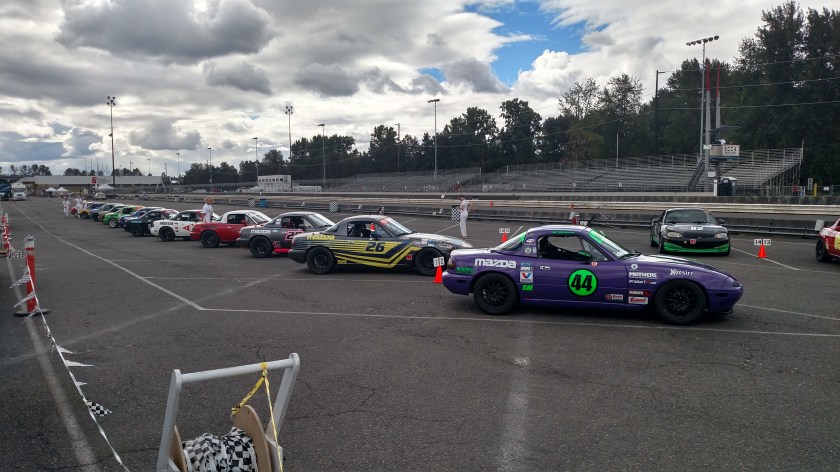
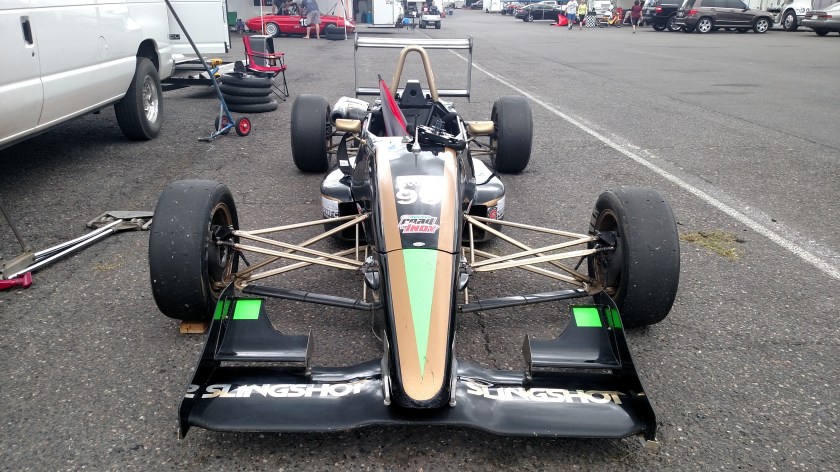
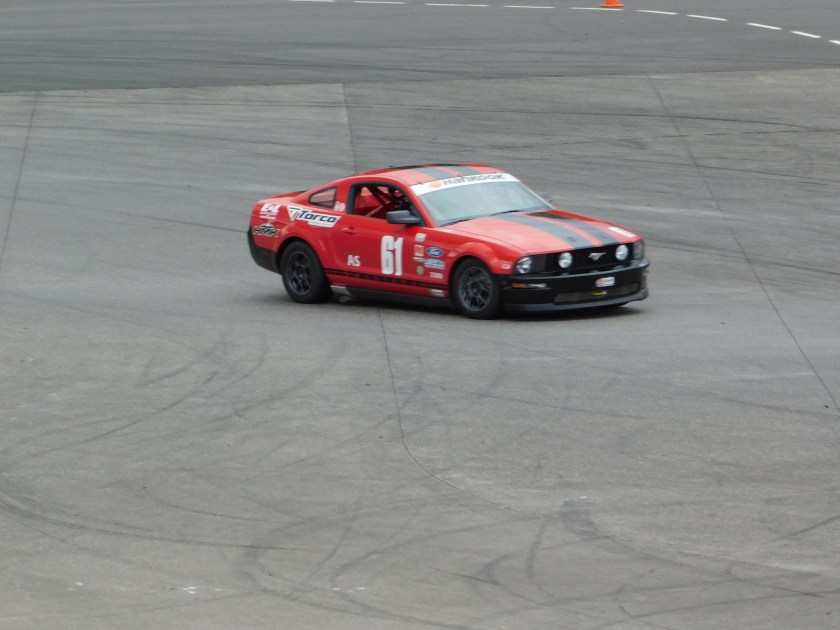
Here are some shots I got Saturday morning before the rain arrived:
IMG_20180811_094523571_HDR

IMG_20180811_100834673_HDR

IMG_20180811_100937895_HDR

IMG_20180811_101057109

IMG_20180811_101341523_HDR

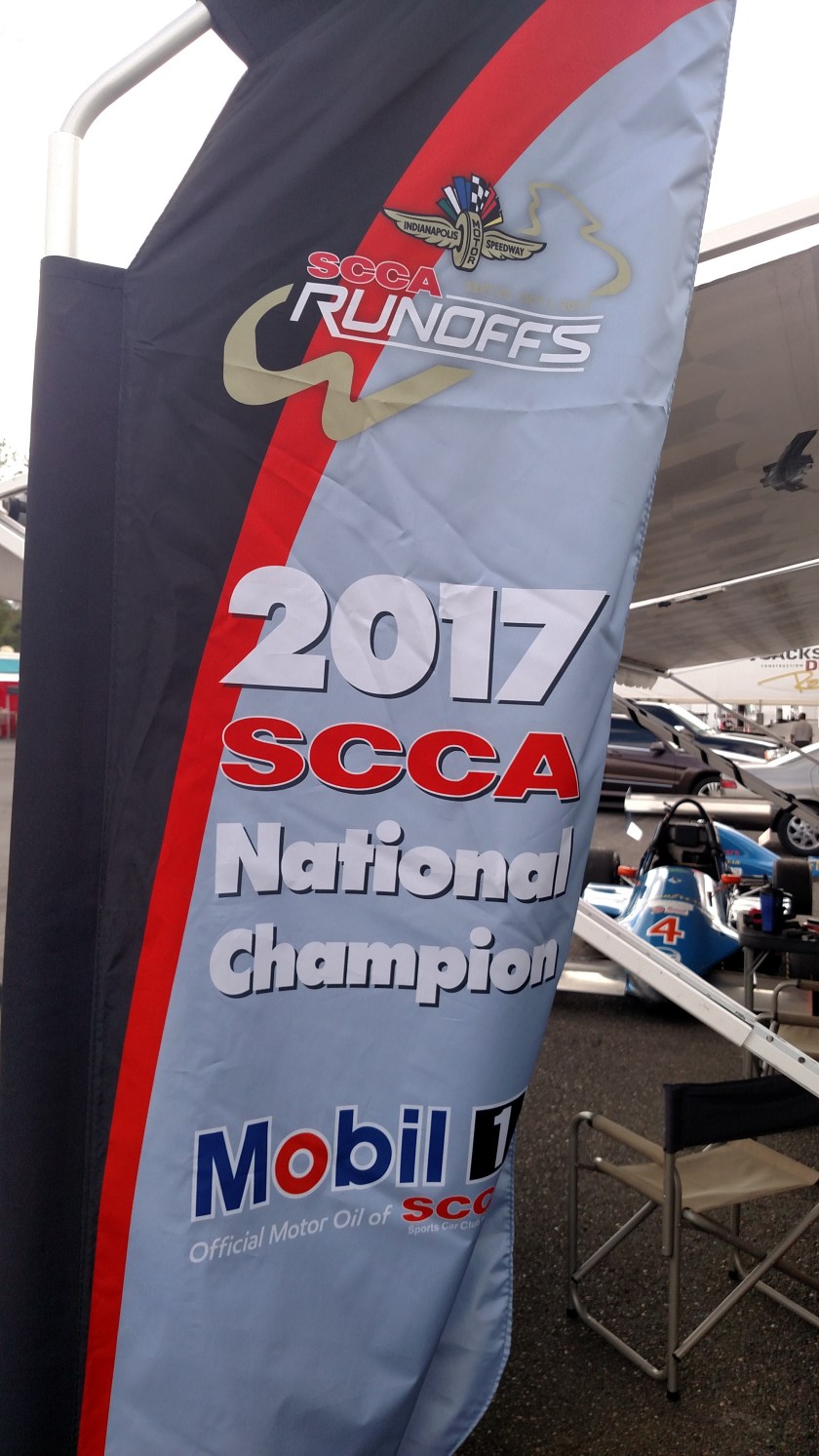
This next car, the blue #4, won it’s National Championship at the year-end “Runoffs” held last fall at Indianapolis Motor Speedway.  When my friend raced back in the 80’s the Runoffs were always held at Road Atlanta in Georgia, but in fairness to competitors in other parts of the country they started moving them to other venues around the country.  In 2019 the Runoffs are coming to Virginia International Raceway, only about an hour north of Durham!

IMG_20180811_101543825

IMG_20180811_101604600

IMG_20180811_101924396_HDR

Here is an Alfa Romeo (foreground) and an MG (behind it) which were competing in the VP (Vintage Production) class:

IMG_20180811_102417880

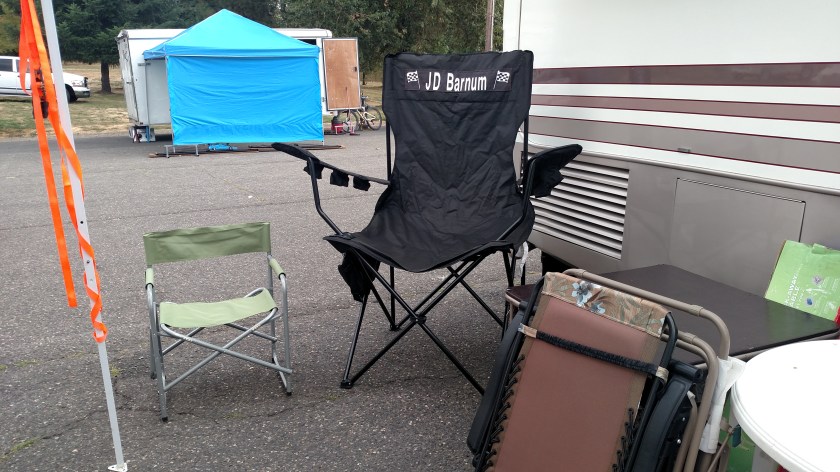
Here is a really big chair for one of the drivers!  I later saw two teenage lovebirds snuggling in it and was tempted to take a picture but thought I’d leave them their privacy.
IMG_20180811_102727916


IMG_20180811_110716432

IMG_20180811_110739294

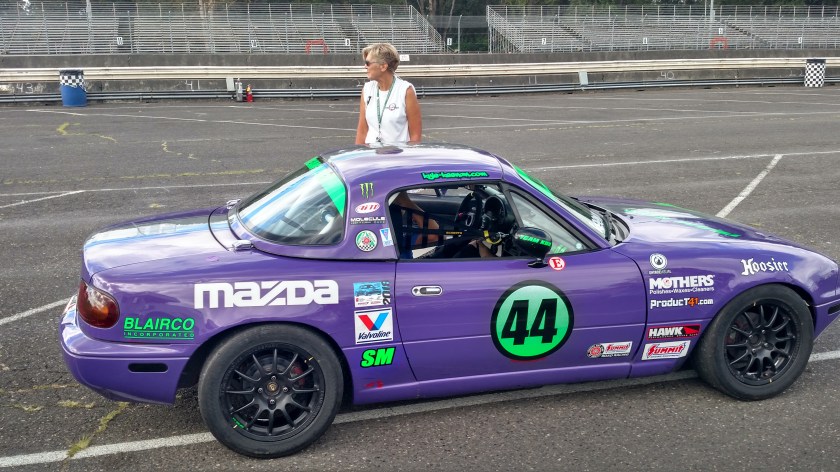
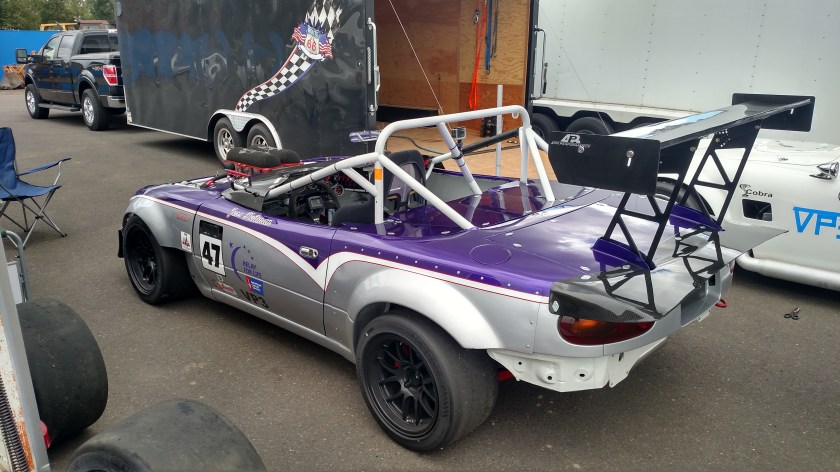
Here is a Mazda Miata with a tad more modifications than the others…
IMG_20180811_111047342_HDR


IMG_20180811_102647632

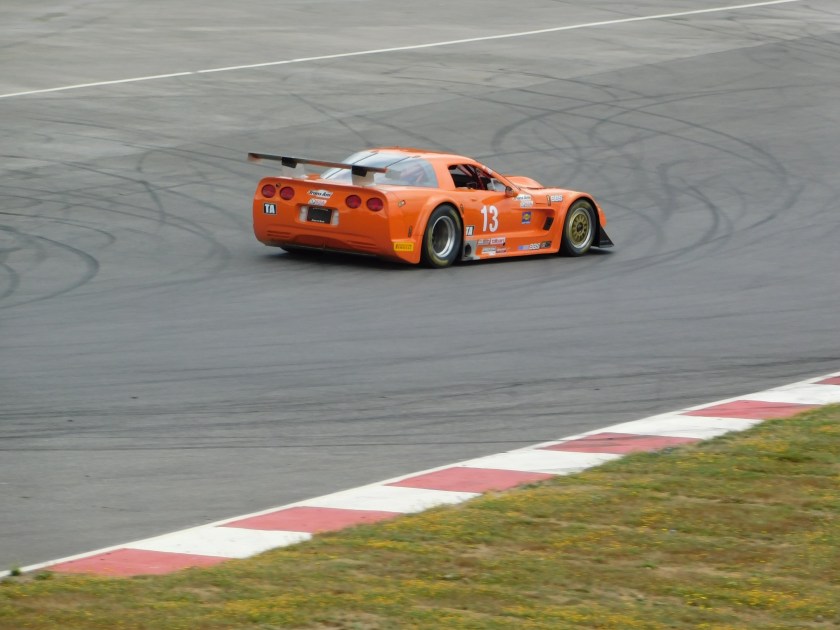
I spent some time in a grandstand near the end of the main straightaway overlooking the “chicane,” a zig-zag type curve which forces cars to reduce speed before entering the first main curve.  The orange corvette below later suffered mechanical problems and was put in the trailer to take back to the shop.

DSCN6809

DSCN6810

DSCN6811

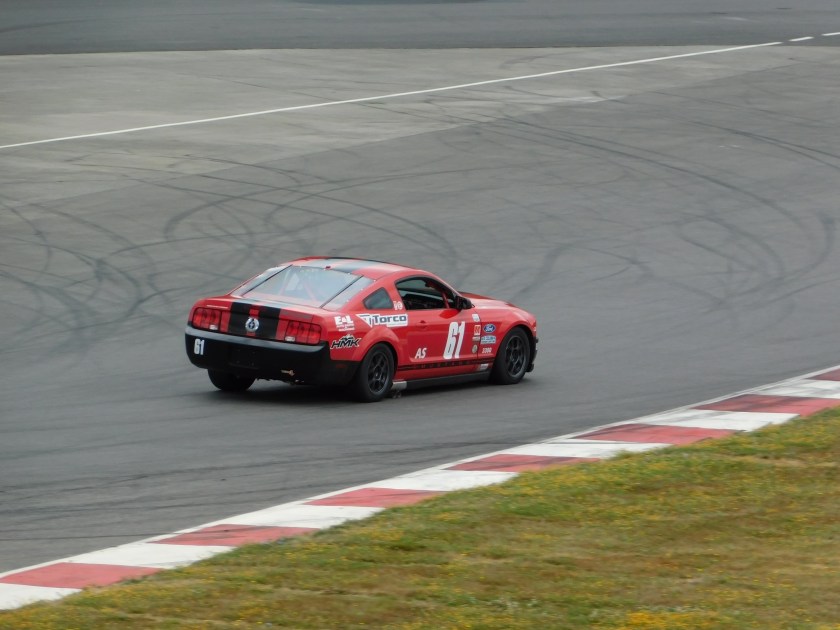
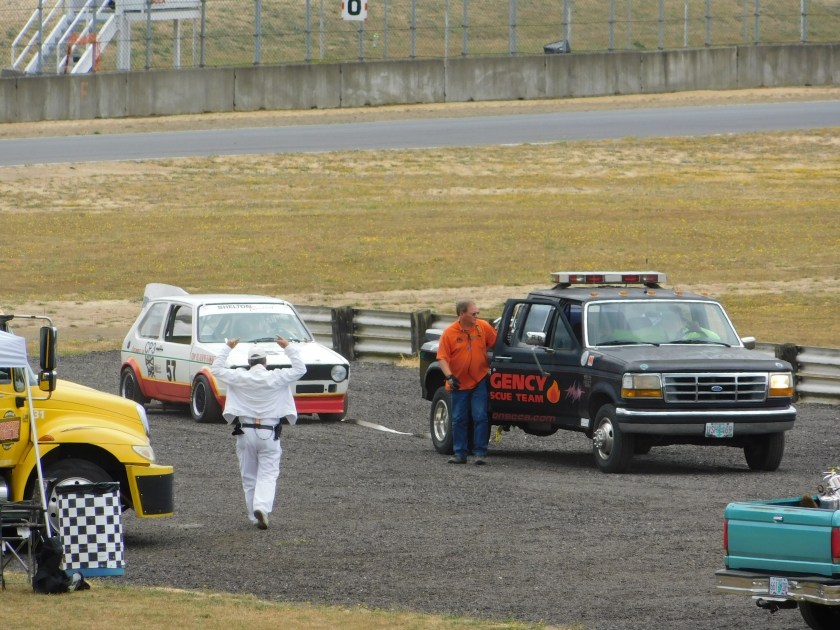
The car below wasn’t so lucky.  It broke down on the track and needed to be towed back to the paddock area via a strap attached to a pickup truck.  There are tow trucks and flatbeds available for more severe wrecks but hopefully most competitors only need some pulling assistance if they break down.
DSCN6818

DSCN6815

DSCN6816

I actually spent most of Saturday and Sunday at the track, reliving memories of the days I used to go to SCCA events with my friend from Pennsylvania.  I did go to an SCCA weekend at VIR up near Danville, VA a few years ago but now with my big trips during the summer I’m not there when they hold them.
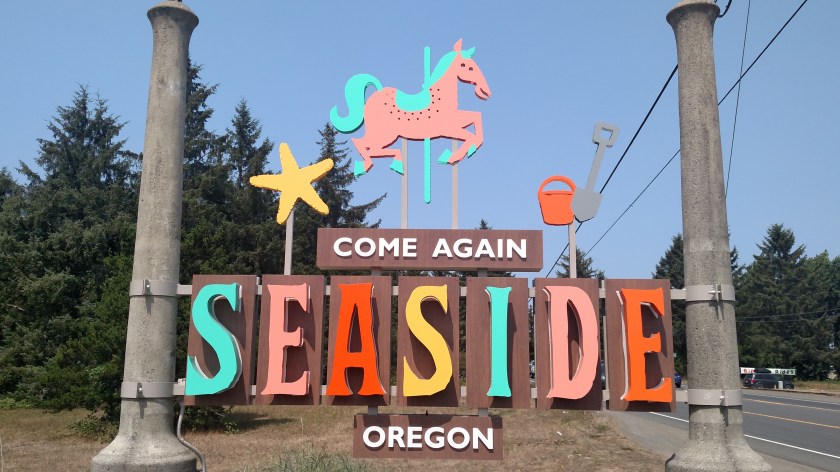
Seaside, Oregon

Tuesday and Wednesday of last week my Airbnb was in Gearhart, Oregon which is just north of Seaside.  Unlike most Pacific coastal towns I have visited thus far Seaside reminded me very much of beach towns on the east coast (Seaside Heights, NJ, for example) in that it has a “boardwalk” (concrete, but that’s ok), arcade palaces, ice cream vendors, salt water taffy, etc.

IMG_20180807_135021542

IMG_20180808_100035950

IMG_20180808_100015591

IMG_20180808_095949398

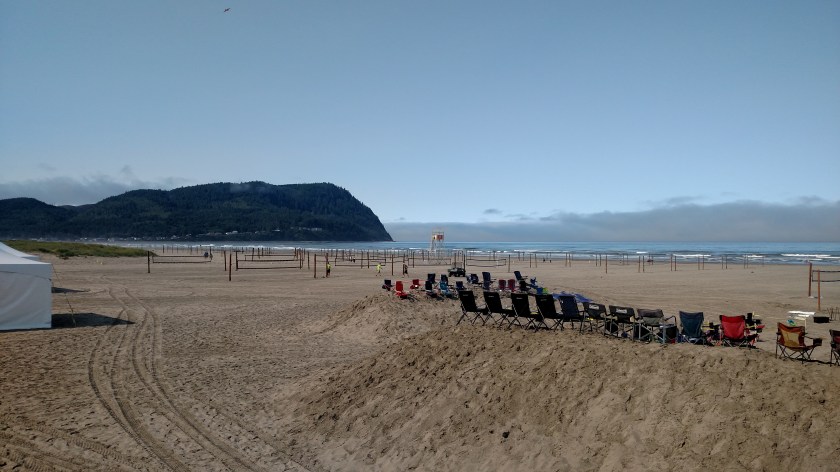
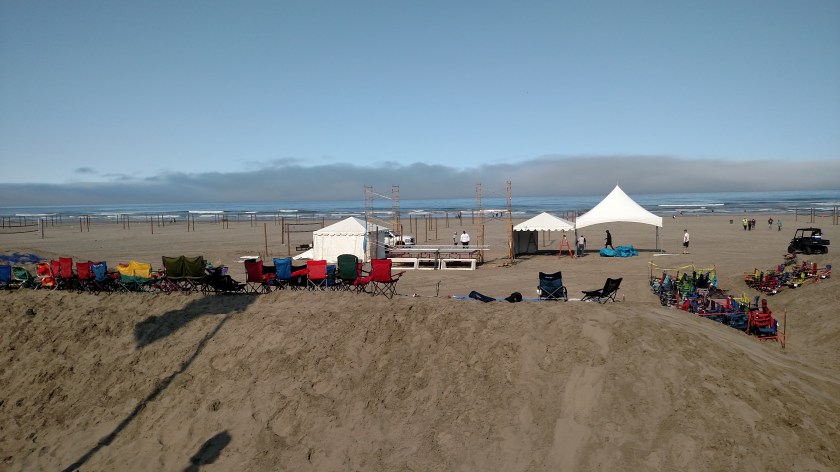
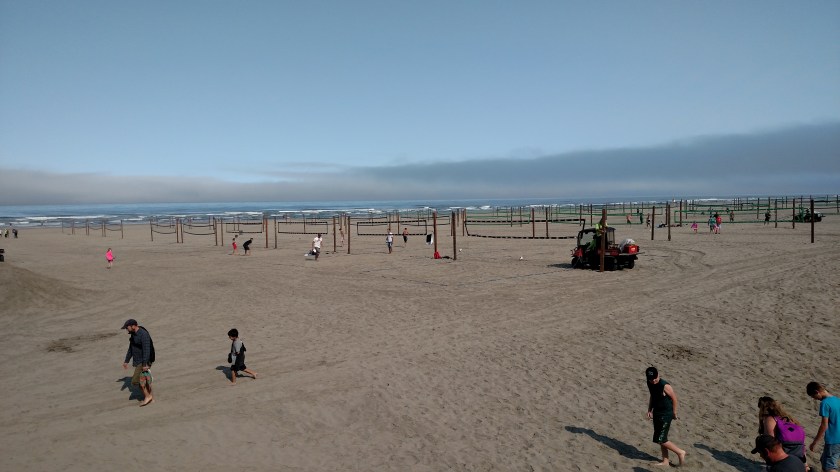
You may notice an inordinate number of beach volleyball courts (and wooden posts in place to accommodate nets).  That’s because this weekend, as I post this, Seaside is hosting it’s 37th annual beach volleyball competition.  Over 1,000 teams are competing, making it the largest gathering of it’s kind in the world.  I counted 50 courts looking north (3rd photo) and posts for another 50 looking south (first photo).  This was taken Wednesday morning and they were working to add nets and court outlines for all the courts by Friday.  In the second photo above you’ll see a stage being set up for a music concert and people were already staking out their spots with beach chairs setup on the manmade sand dunes.

Shortly after I arrived on Tuesday and parked a few blocks from the beach I heard sirens coming up the street behind me.  Two ATV’s (lifeguards/beach rescue) came by me with lights and sirens blazing.  Fortunately it was a false alarm and before I could even walk as far as the beach one was returning to it’s station:

IMG_20180807_121122600

There were lots of places to rent various pedal-power vehicles, single, double, or one for the whole family:

IMG_20180807_120919916

Seaside is not very big but there are a few big chain hotels with either beachfront locations or just one or two blocks from the beach.  It was very easy to walk around town but I was glad I was there before all the volleyball crowds arrived.

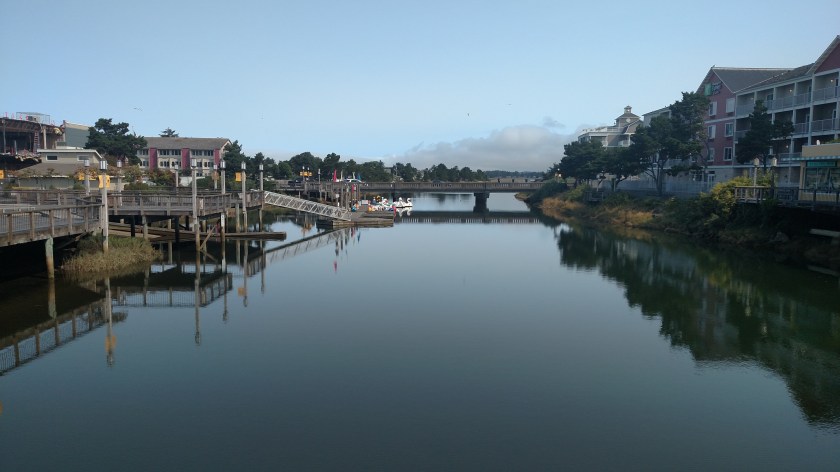
As I walked somewhere to get something to eat I crossed over this river which also runs through town, parallel to the beach:

IMG_20180808_105332966

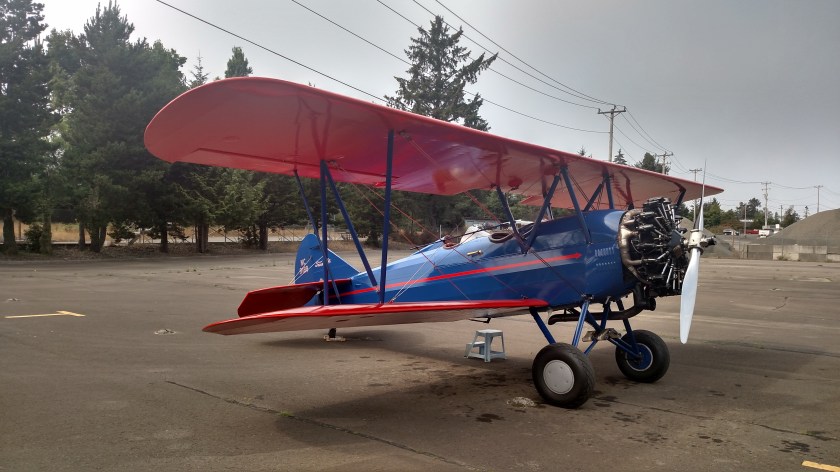
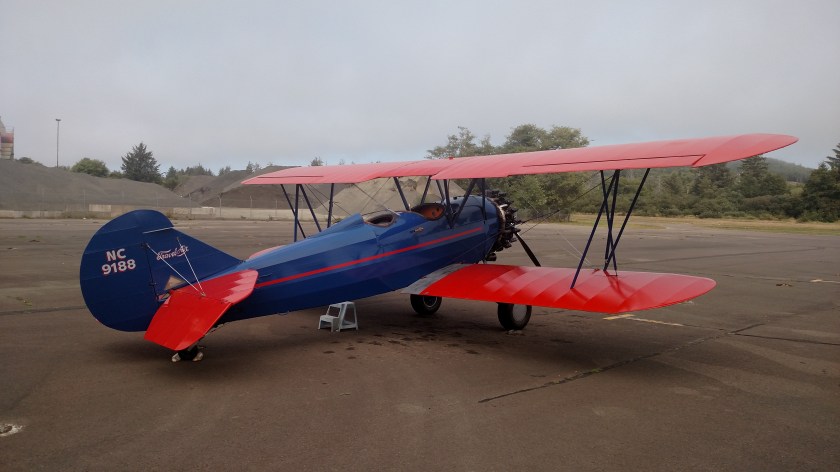
And as I was driving back to where I was staying I saw a small airport with a guy offering rides on his vintage 1929 bi-plane:

IMG_20180808_145829035_HDR

IMG_20180808_145851607


Extreme Northwest Oregon

On Tuesday and Wednesday I visited various parts of Fort Stevens State Park, which is as far north and west as one can travel in the state of Oregon.  There was a large wooden viewing platform at one of the parking areas which gave a great view of the ocean and of the “south jetty” which was constructed by the US Army Corp of Engineers to protect the “mouth” of the Columbia River as it dumps into the Pacific Ocean.

This is looking south:

IMG_20180807_154556322

And this is looking north, along the jetty:

IMG_20180807_154644959_HDR

Those were both taken at relatively low tide.

Next I went to another parking area, this time overlooking the first few miles of the Columbia River.  Washington state is on the other side of the river.

IMG_20180807_142737744

IMG_20180807_142718882

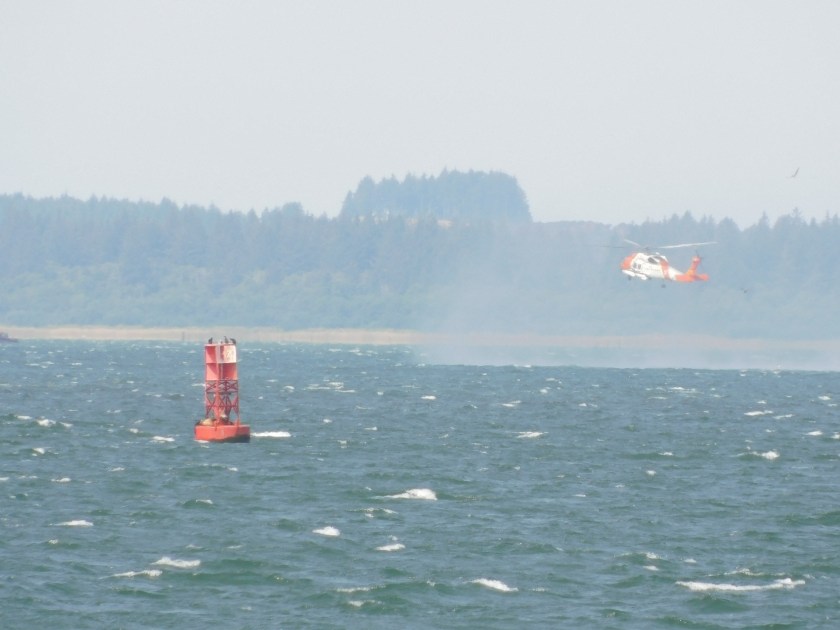
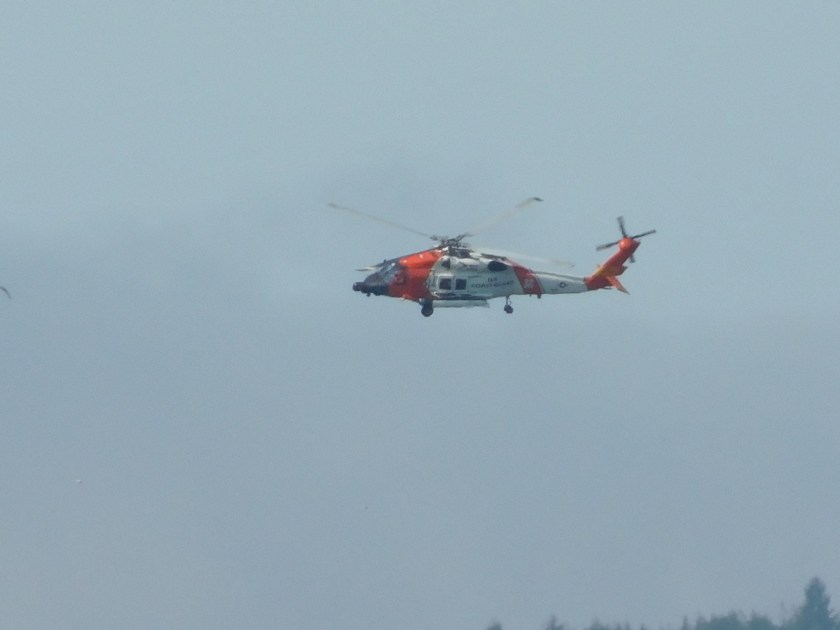
And lo and below, across the river was another US Coast Guard helicopter which appeared to be involved in a training exercise – hovering low over the water.  I didn’t see any divers being raised or lowered as I did further down the coast about a week and a half ago.  From when I first noticed it until it left the area probably close to 45 minutes had elapsed.

DSCN6624

DSCN6648

DSCN6662

At one point the helicopter raised up and made a slow counter-clockwise loop before resuming it’s hovering stance low over the water.

DSCN6677

DSCN6710

I presume this was a training exercise.  Pilots can train on flight simulators all day long but there is no substitute for practice under real-life conditions, especially given the effect that strong and sometimes variable winds near the water can have on an aircraft.

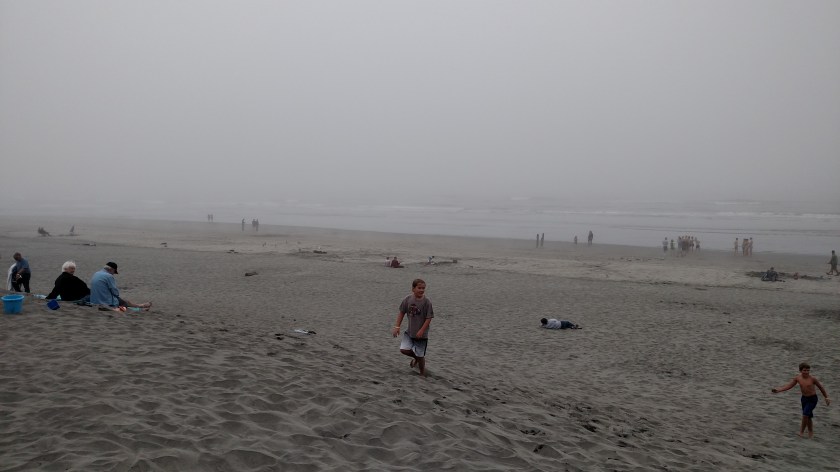
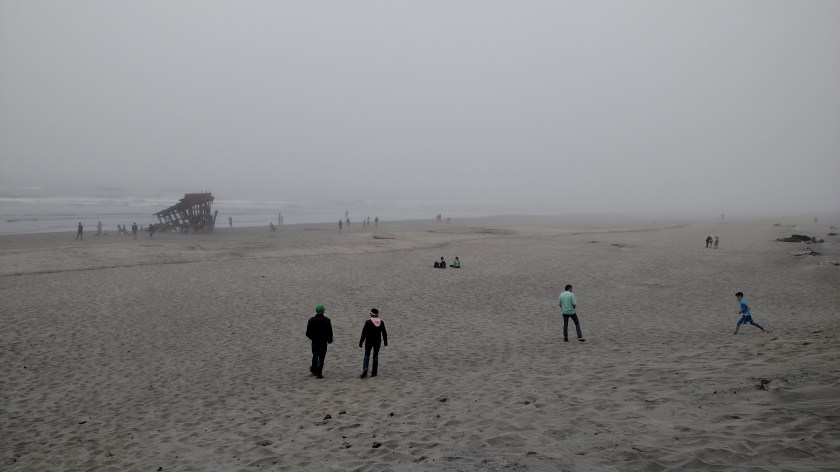
One last stop in Fort Stevens State Park, which I didn’t do until Wednesday because it had gotten so windy the day before, was to another parking area further south in the park, overlooking the ocean.  Unfortunately I wasn’t affected by wind but by fog:

IMG_20180808_123844076

IMG_20180808_123848567

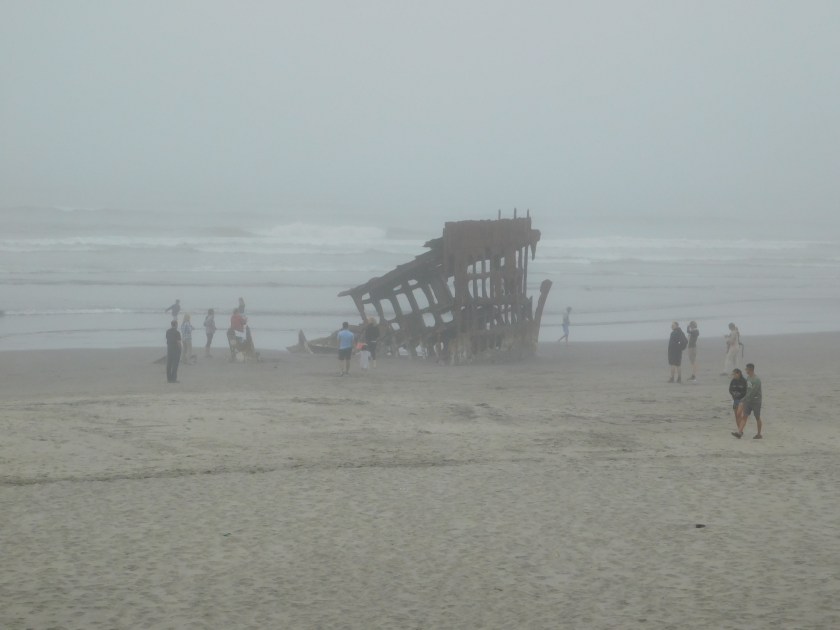
And the thing you see on the left hand side of the bottom photo is part of an old shipwreck.  The ship Peter Iredale ran aground here on October 25, 1906 while attempting to enter the Columbia River.  The ship remained largely intact and all the people on board were successfully removed from it but before it could be pulled back to sea it listed to one side and started to break up with the forces of the ocean acting upon it.

This is all that remains:

DSCN6712

DSCN6714

Columbia River Bar

No, this isn’t a place to hang out with friends after work.  This is an area where the Columbia River (which flows east to west and runs between Washington state to it’s north and Oregon to it’s south) dumps into the Pacific Ocean.

The area off the coast where the western flowing water of the river meets the eastern flowing water of the ocean can create treacherous and sometimes deadly conditions.  This area, about 3 miles wide and 6 miles long, is called the Columbia Bar.  I read this on a sign while I was in Astoria, Oregon on Thursday morning: “The Columbia River Bar is considered by professional mariners to be the most dangerous bar crossing on the planet”.  Since 1792 approximately 2,000 large ships have sunk in this area, often called the “Graveyard of the Pacific”.  I read that conditions along the bar can change from calm to life-threatening in a matter of minutes, depending on the wind and the size of the waves.

For this reason, professionals called “pilots” are made available to board large cargo and cruise ships which enter and leave the Columbia River and they assume navigational control of the ships.  All large vessels crossing the Columbia Bar are required to utilize a trained pilot.  In favorable conditions, these pilots will board the vessel via a small boat which is attached to another “escort” boat.  The escort will either take the pilot to incoming ships while at sea and accompany them in or will escort the large ships out to sea and then bring the pilots back to port.  In bad weather the pilots board the large ships via helicopter.  There are currently 16 trained “pilots” and they supposedly make close to $180,000 per year.

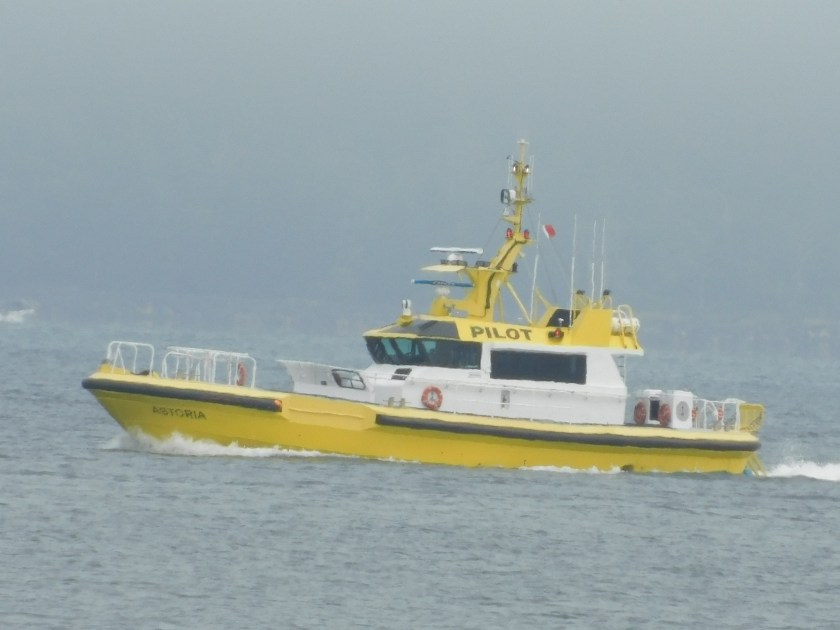
Here is a pilot boat, the Astoria,  I saw in action on Wednesday:

DSCN6722

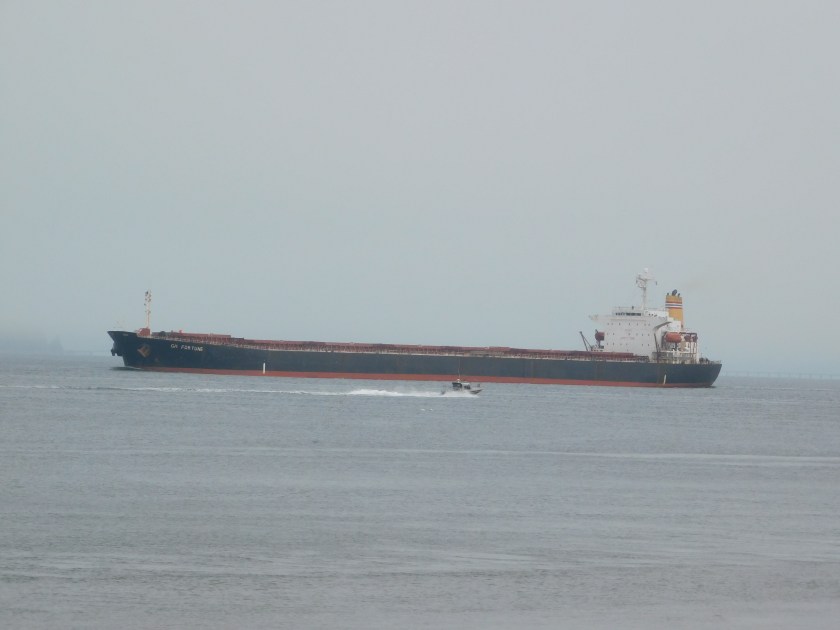
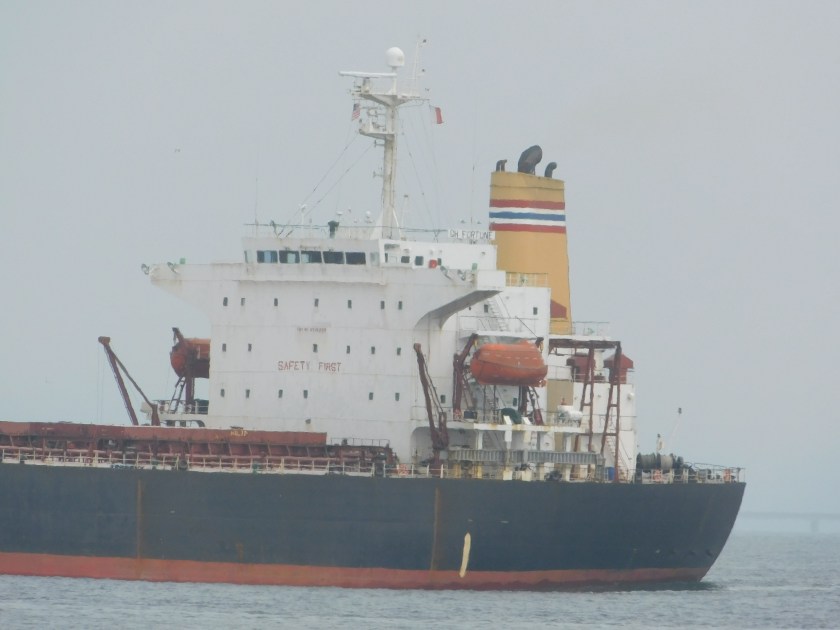
It appeared to be escorting this cargo ship, the GH Fortune, out to sea:

DSCN6730

DSCN6733

DSCN6750

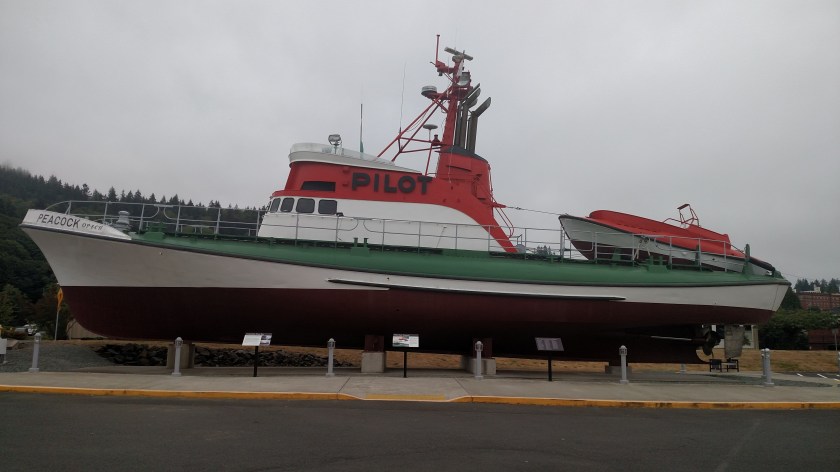
I saw another pilot boat while I was in Astoria, this one on land.  This is the Peacock:

IMG_20180809_103252151

The Peacock was first used in 1967 and over the next 33 years helped pilots board and escort over 120,000 ships.