Kananaskis Country – Post 3 of 3

August 14, 2025

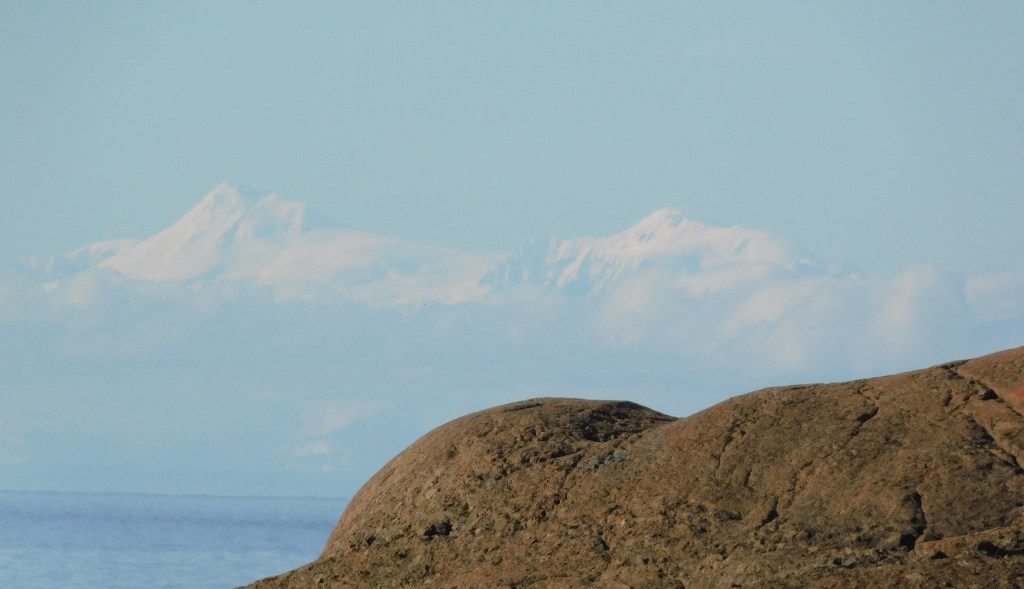
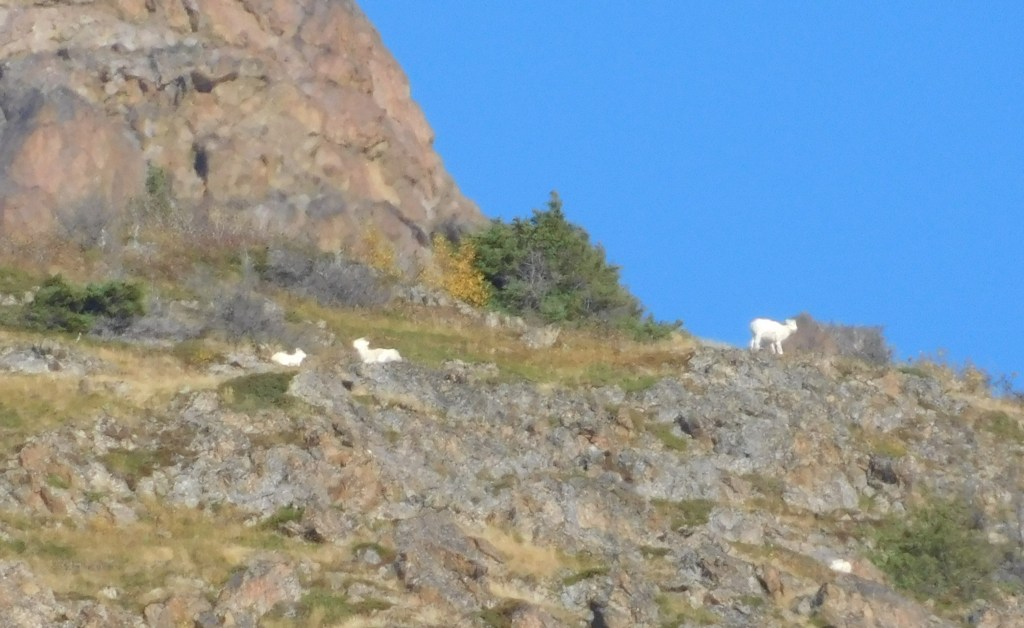
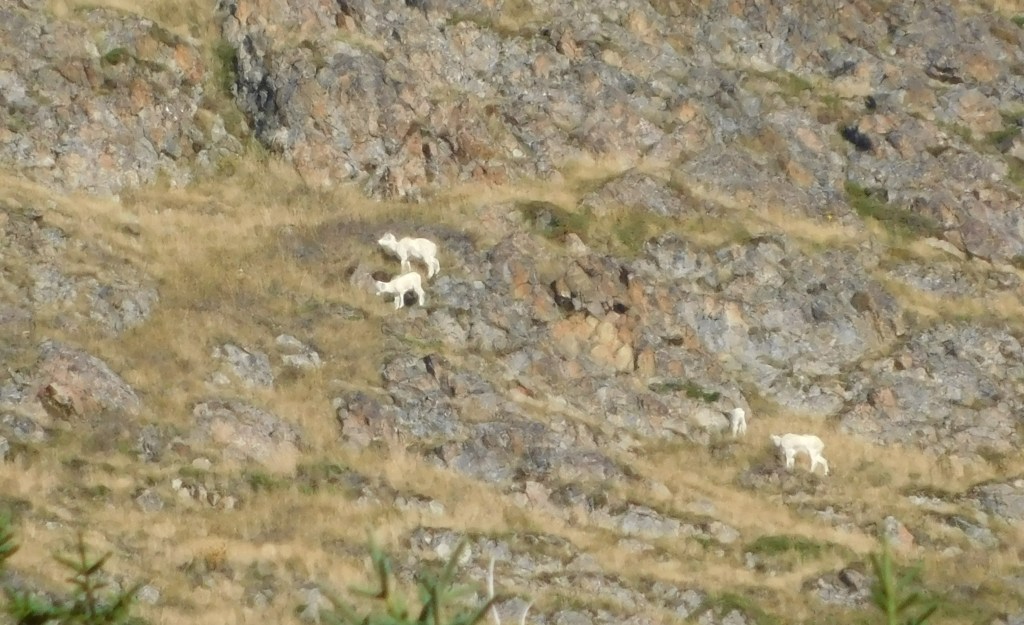
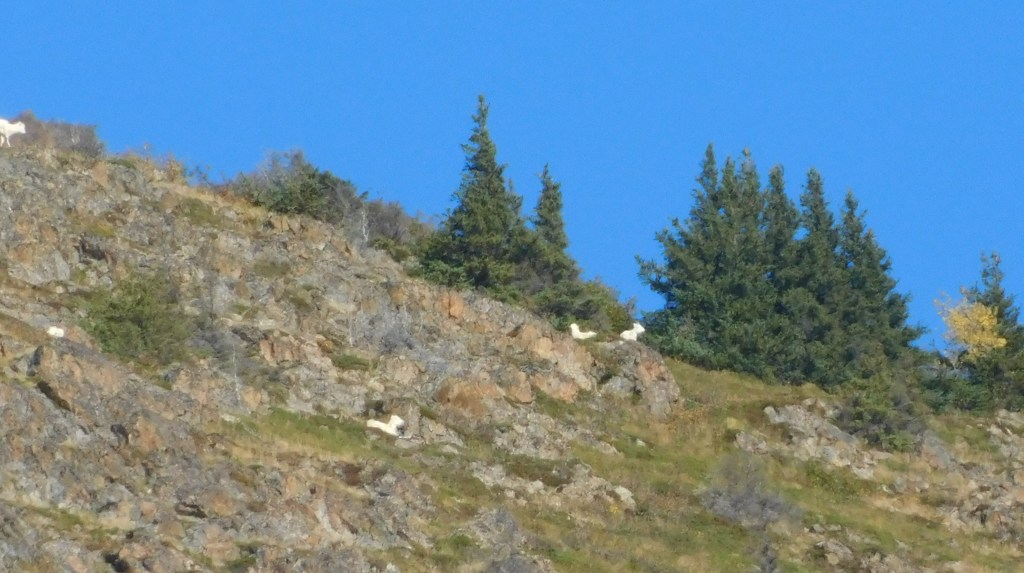
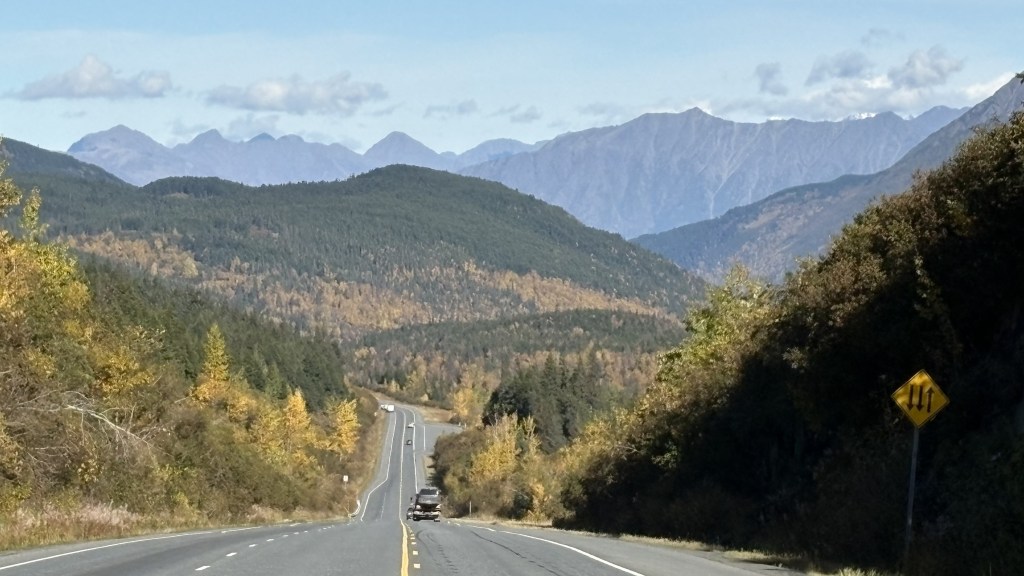
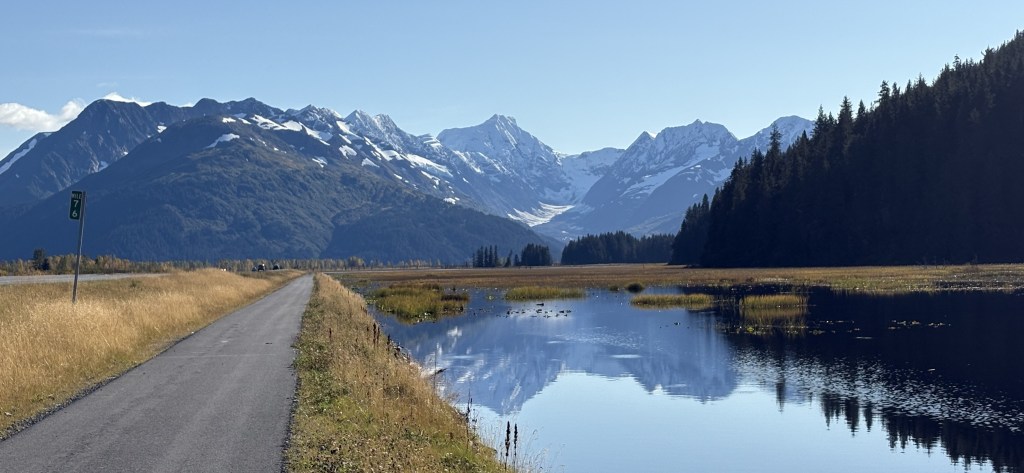
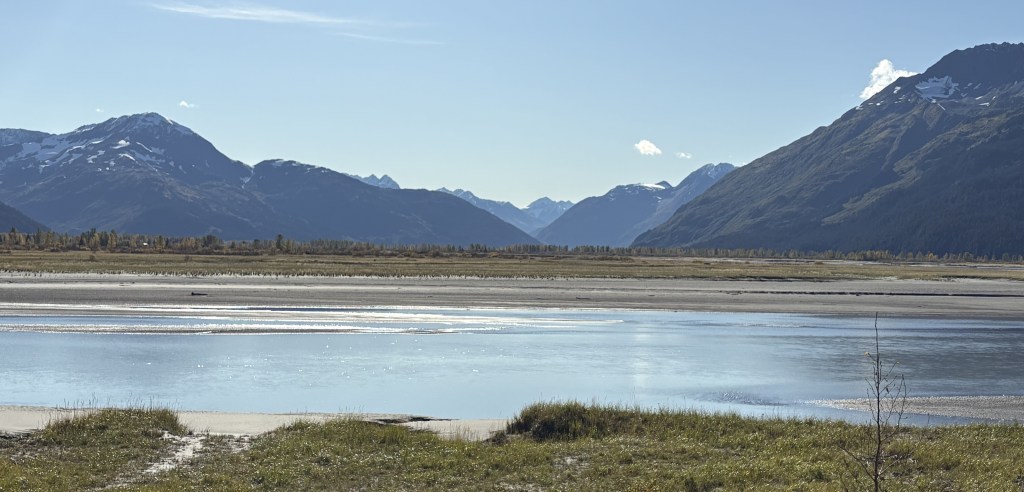
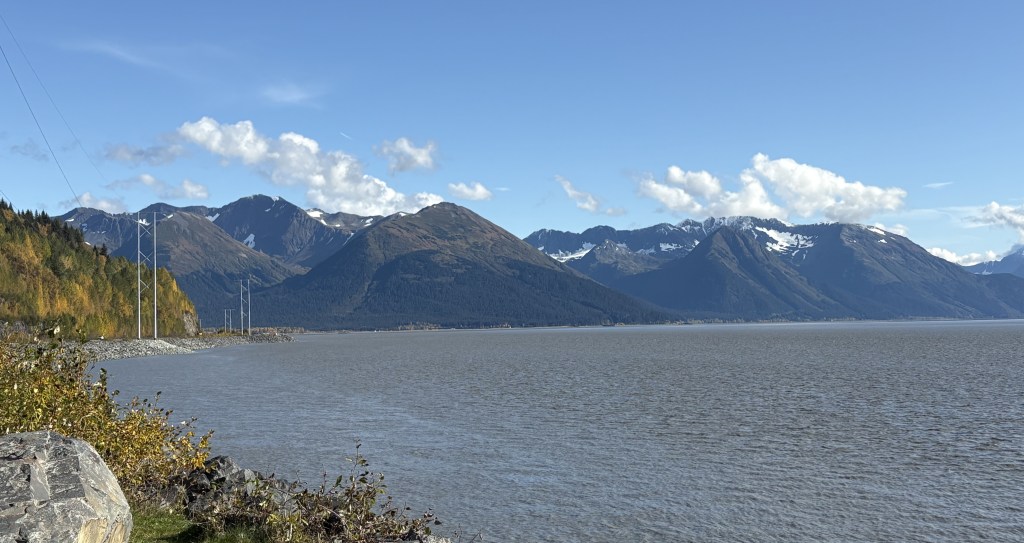
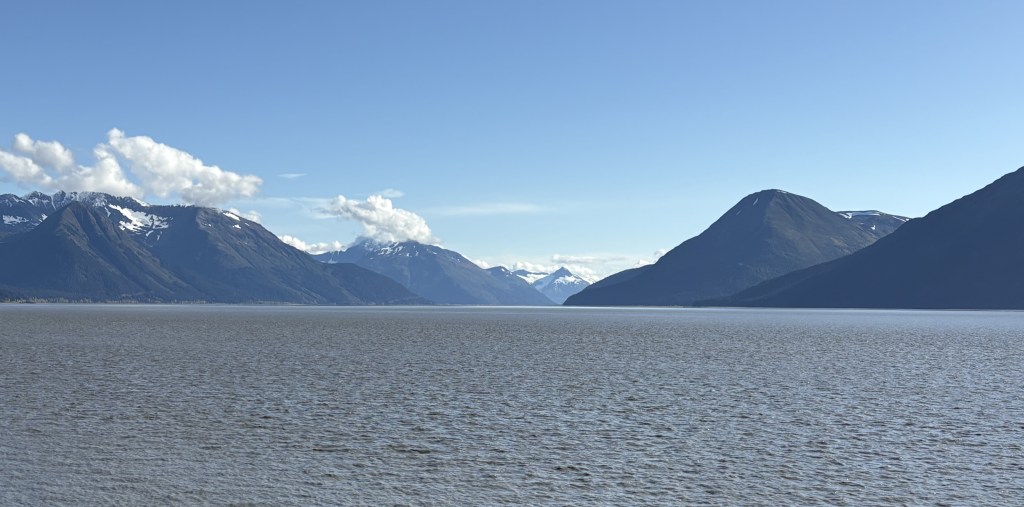
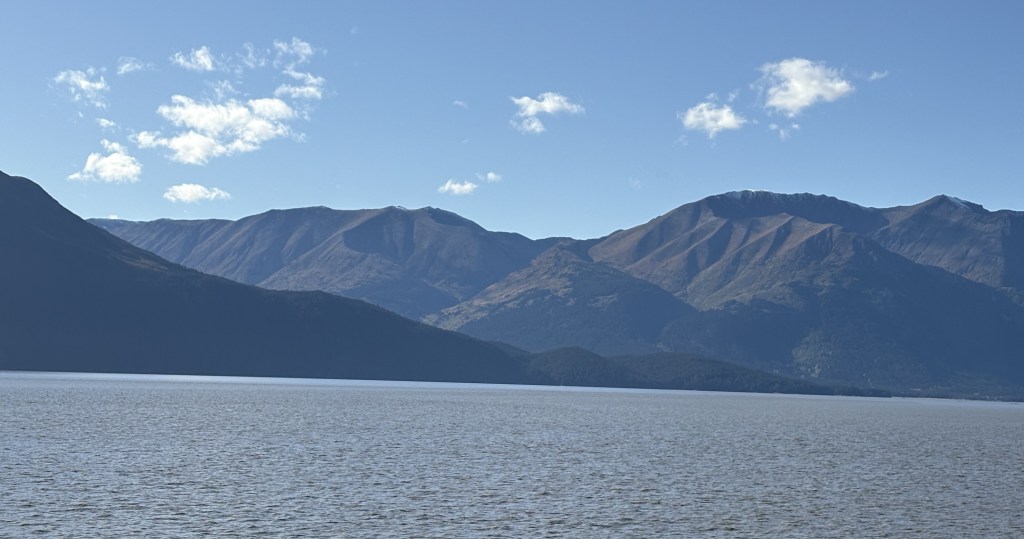
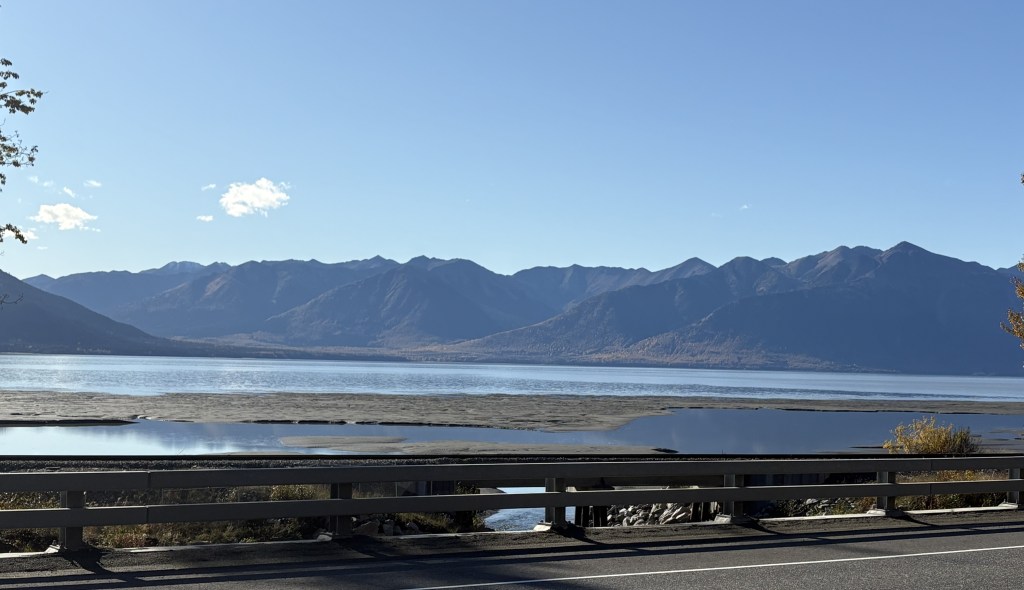
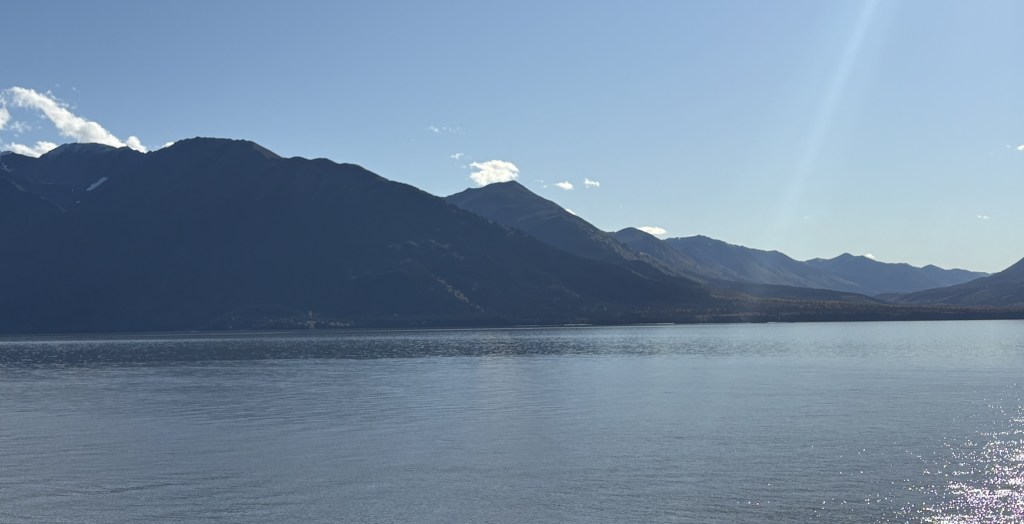
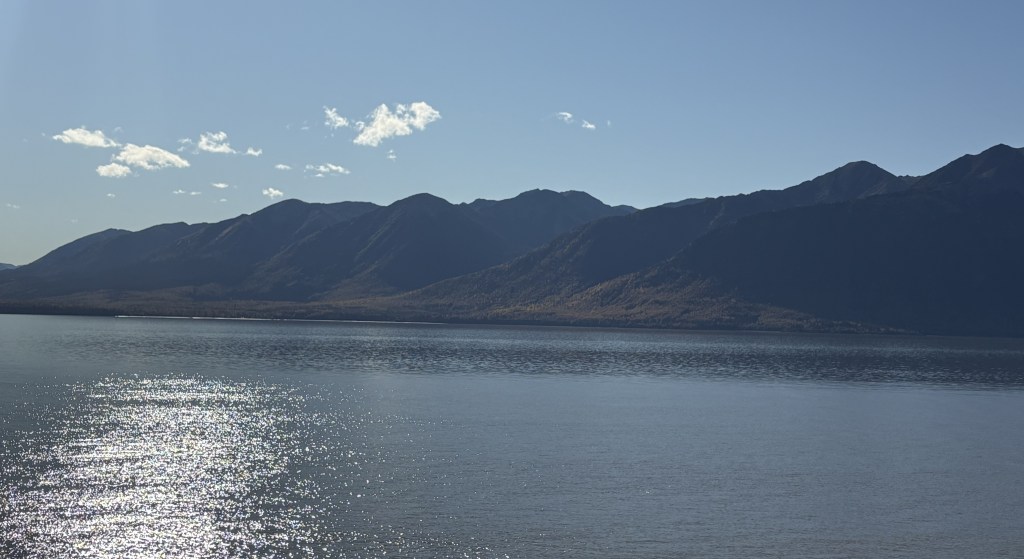
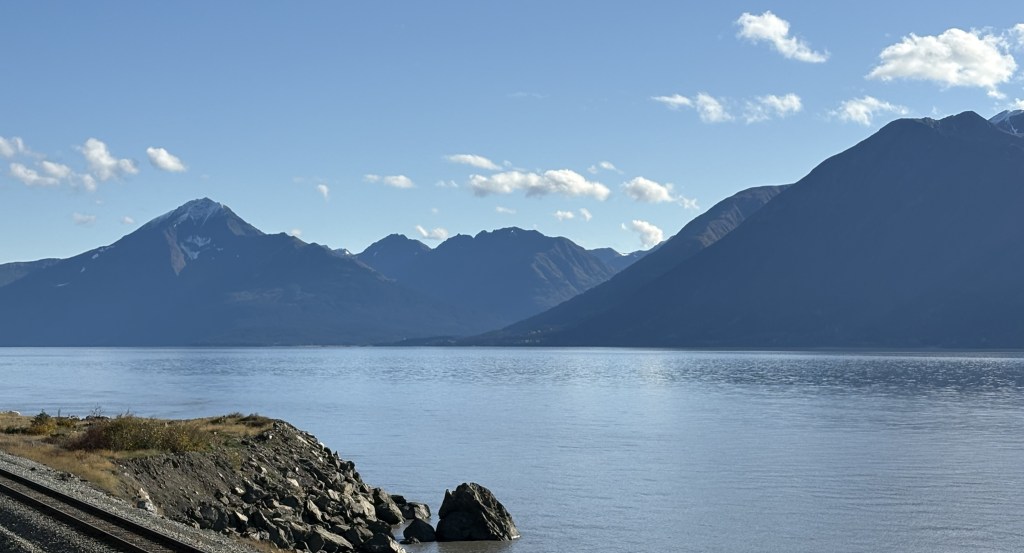
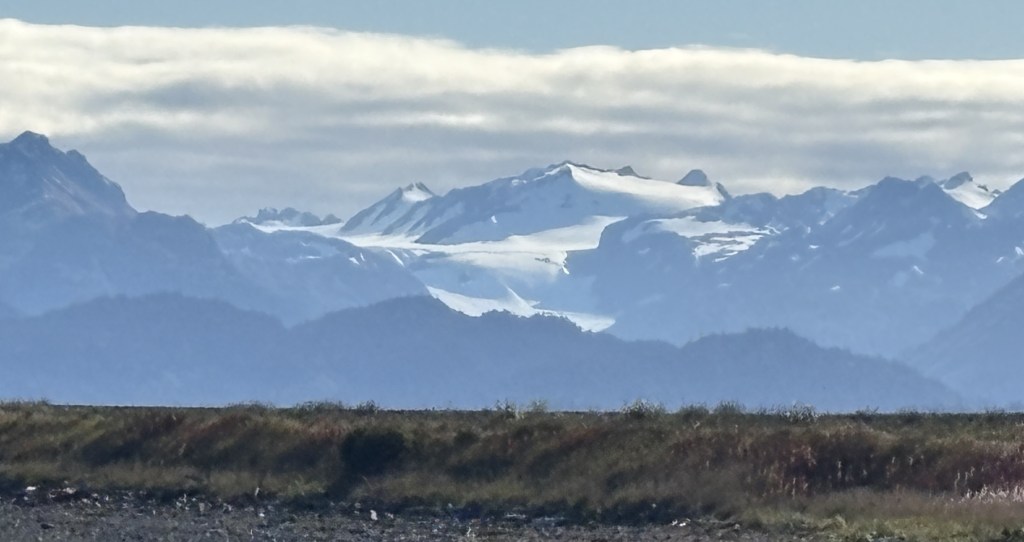
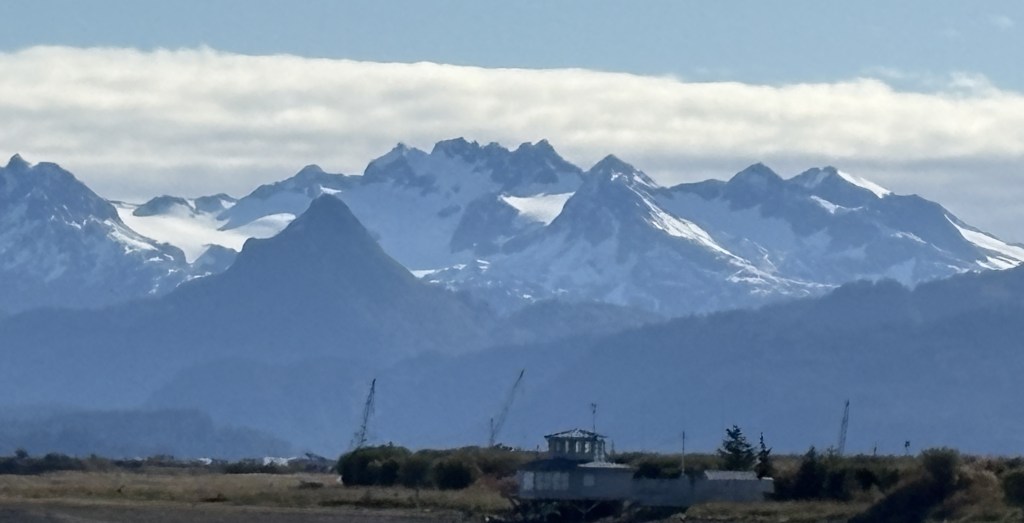
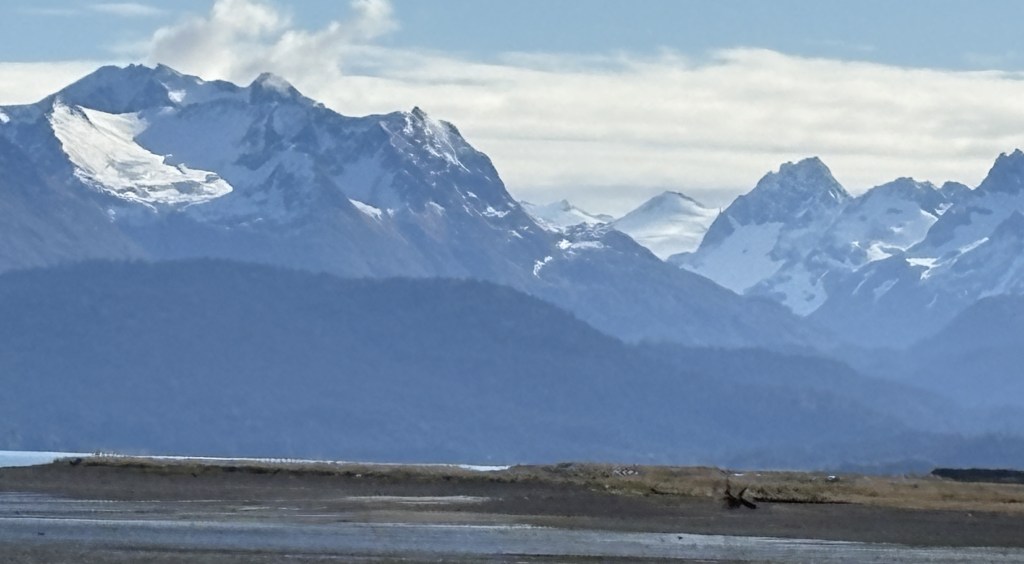
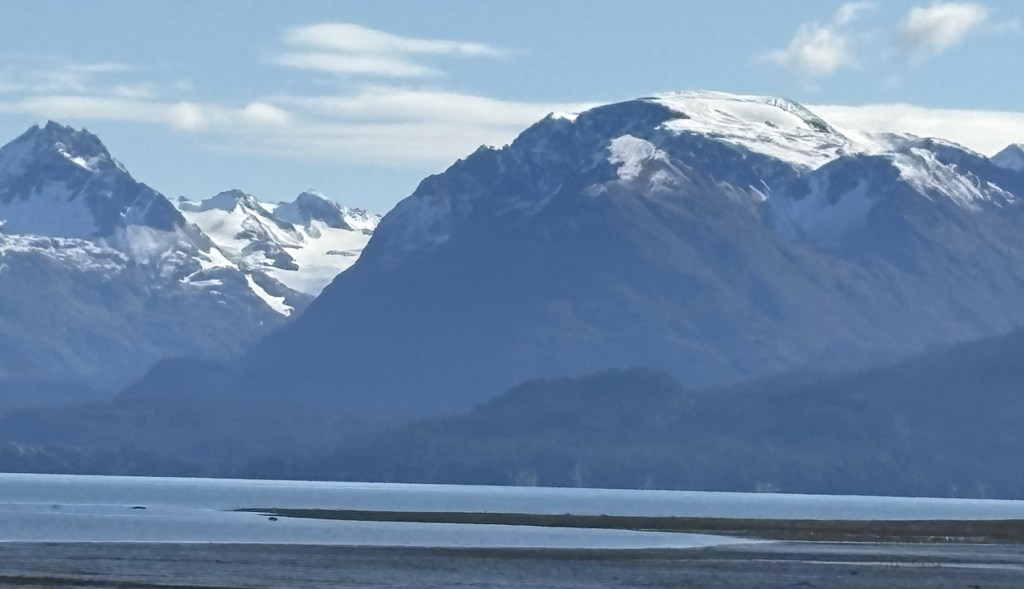
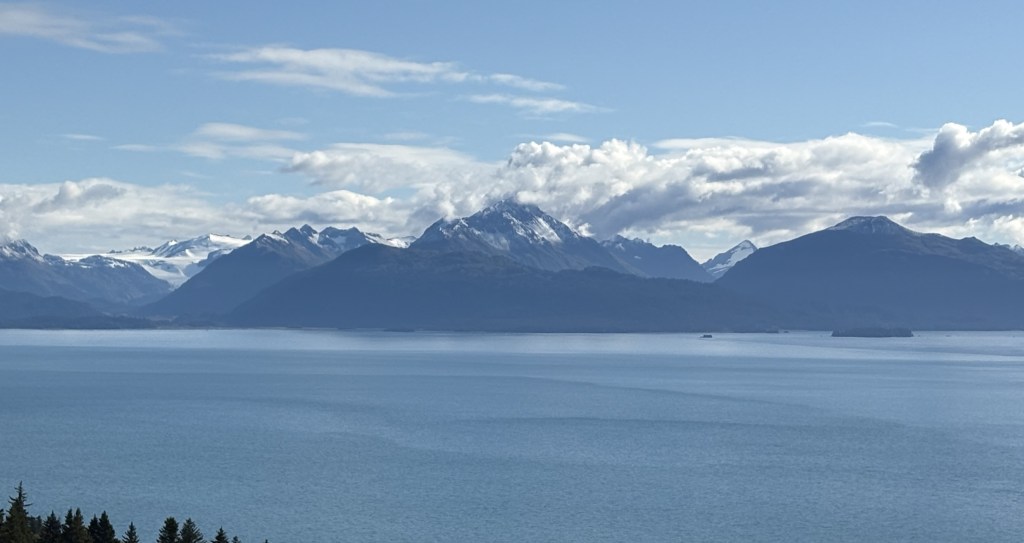
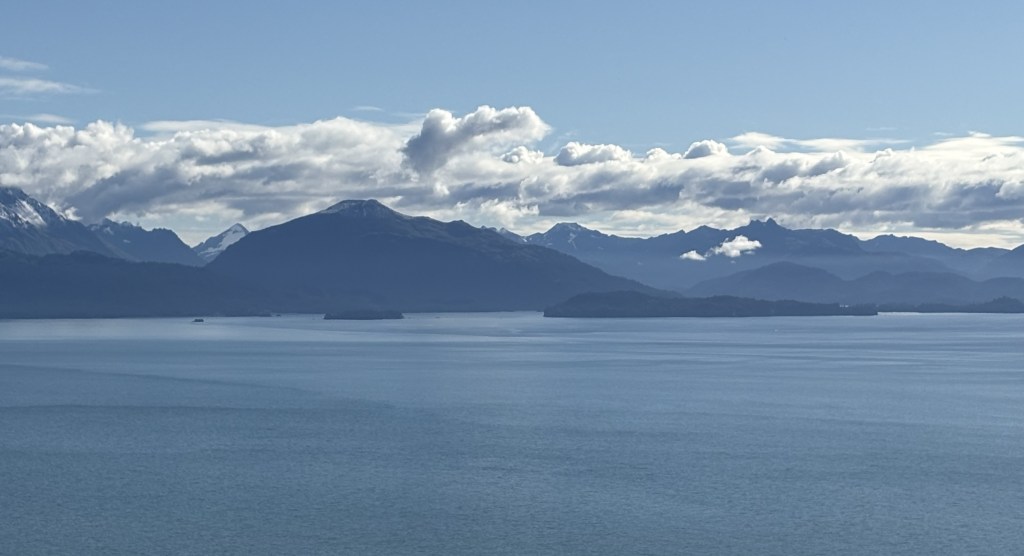
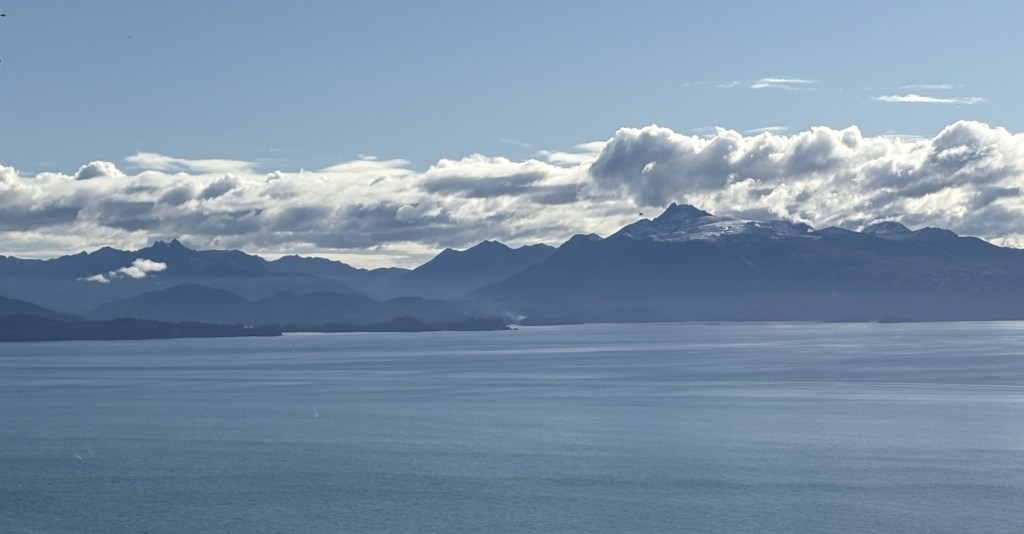
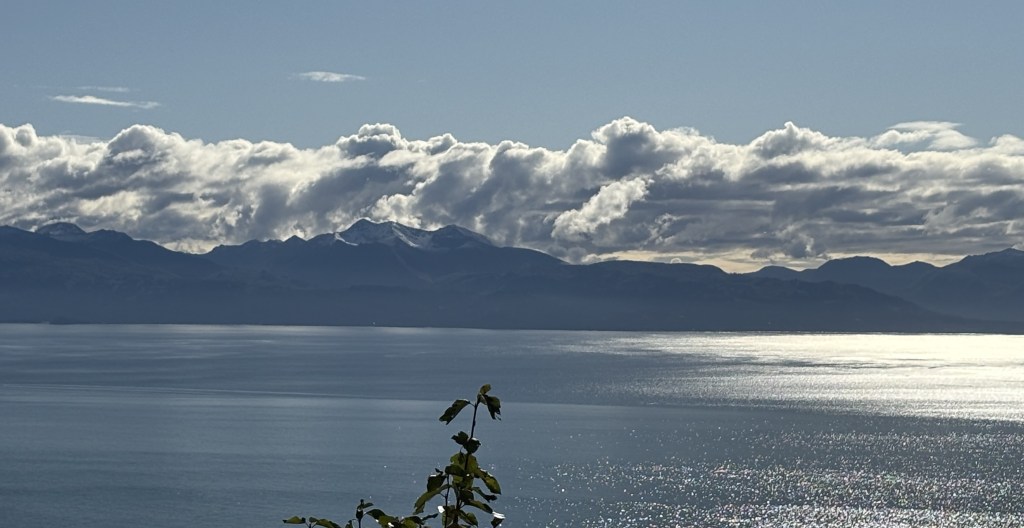
Here is the rest of what I saw as I drove north on Hwy 40 and back to Canmore.

These were the two bighorn sheep I posted out of sequence earlier in my trip. I had seen so many signs over the years warning me to watch out for them that I was excited when I finally saw some!

My next excursion will be back to the town of Banff to spend some more time there before I move on to Calgary and points east.

Kananaskis Country – Post 2 of 3

August 14, 2025

I didn’t mention in the first post that Kananaskis Country is big. It covers over 1,500 square miles, larger than four of the six National Parks I visited while based in Golden. Lots provincial parks, rivers, hiking trails, lakes (large and small) and other publicly accessible areas.
Here are more things I saw as I started driving back from the southern end.

At one point I was pretty sure I saw a marmot run across the road. There was a small park nearby so I pulled off the road, parked and waited. Sure enough two them came out of their burrows and looked around.

The small marmot above is acting as a sentry. I had quickly pulled off parallel to the road near the entrance to a parking area and when I stopped I realized it was right in front of my car (like only a few feet away) looking right at me. He never flinched. The only time he moved was when I got out of the car with my camera, at which point he ran back to shelter to alert his friends (which he would have already done audibly). I waited, trying to hide behind the stop sign post, and in a short while he came right back out and resumed him position (I had pulled my car back into the parking area by then).

It was the same thing the first set of marmots I saw were doing. Looking for danger so they can alert others.
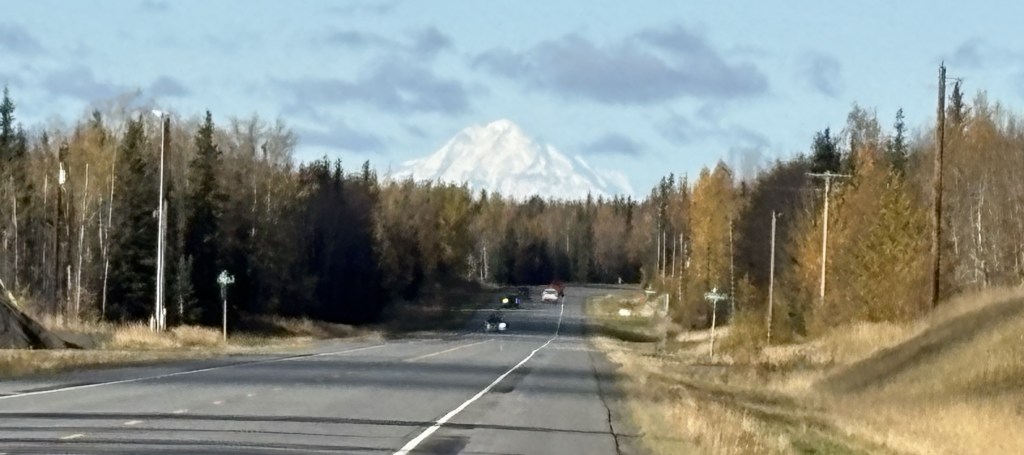
This what I had stopped to take a picture of:

This is a sign I have started to see more and more often. I don’t really understand the significance of it, as the intersection I ultimately encounter doesn’t seem to be any different than other intersection.

Just another Canadian thing, I guess…

Kananaskis Country – Post 1 of 3

August 14, 2025

After reviewing literature I picked up while visiting Banff and Canmore I decided to drive down to an area called Kananaskis Country. To get there I would drive 19 miles south and east on Canmore on the Trans Canada Highway and then turn south on Hwy 40. Kananaskis (pronounced cannon-ASK-iss) Country is accessed via a nice, two lane scenic drive through some beautiful countryside.

One of the first things I noticed as I started driving south was the presence of cattleguards in the road (in Canada they call them Texas Gates).

I see them lots of places but hadn’t really noticed them in Canada until now. They keep cattle from leaving areas where farmers or ranchers would like them to stay by creating slots which their hooves would drop into, thereby preventing them from getting by. They are generally accompanied by signs warning drivers of “Free Range” animals ahead. In this case, cattle are allowed to cross the main road to get to fields or pastures on the other side but are prevented from getting too far on the road itself.

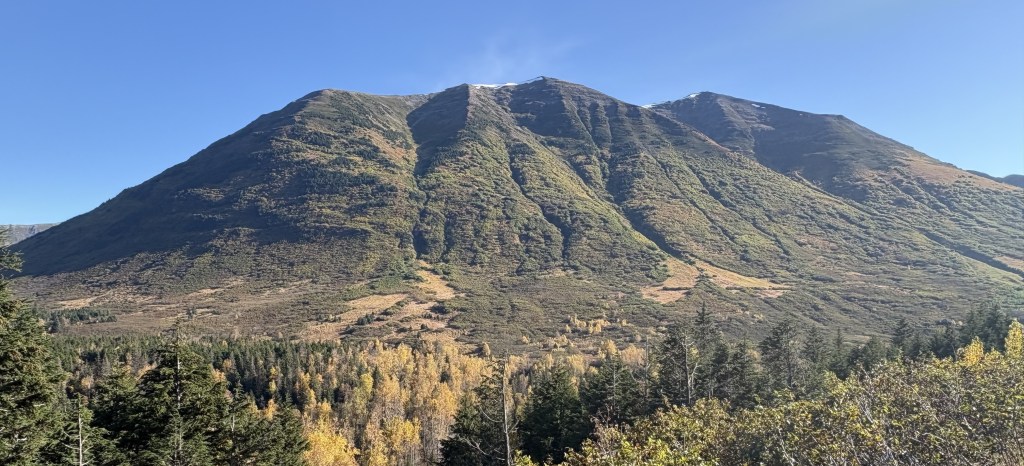
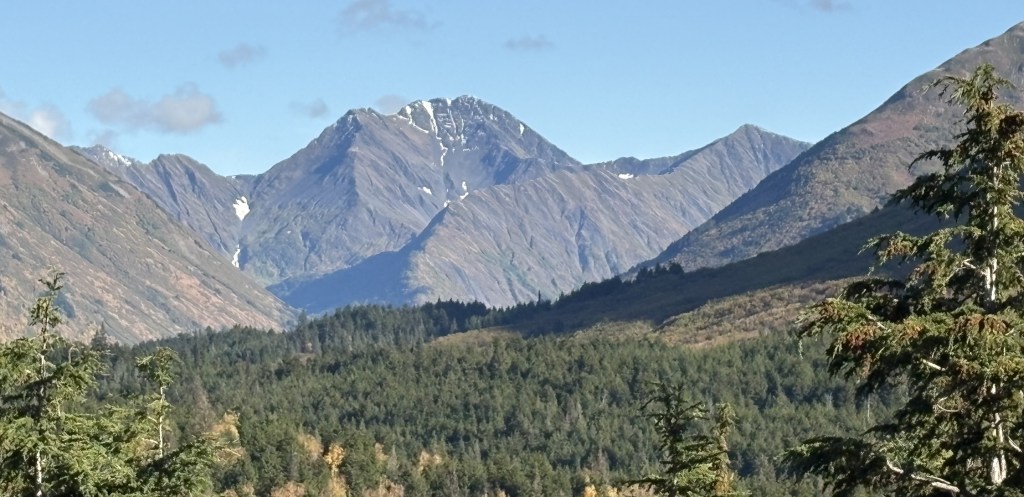
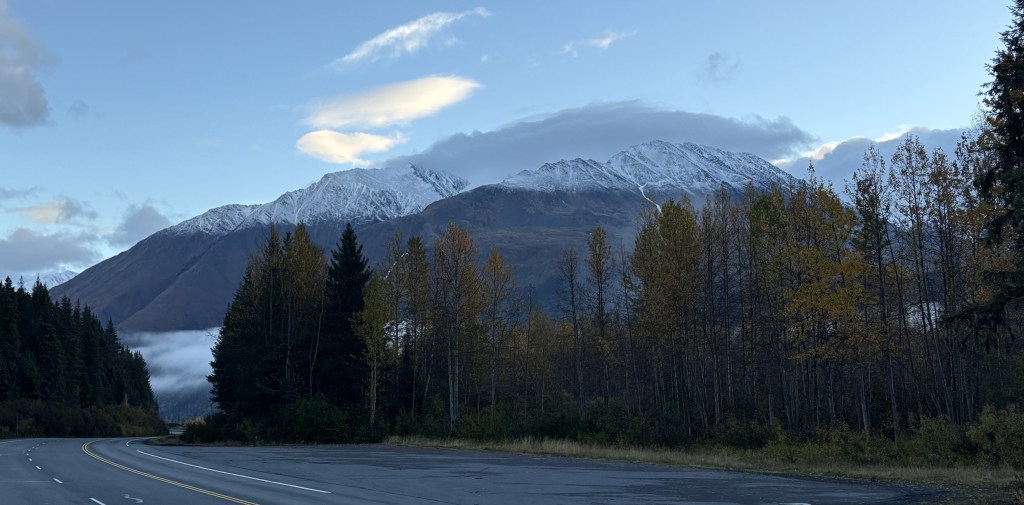
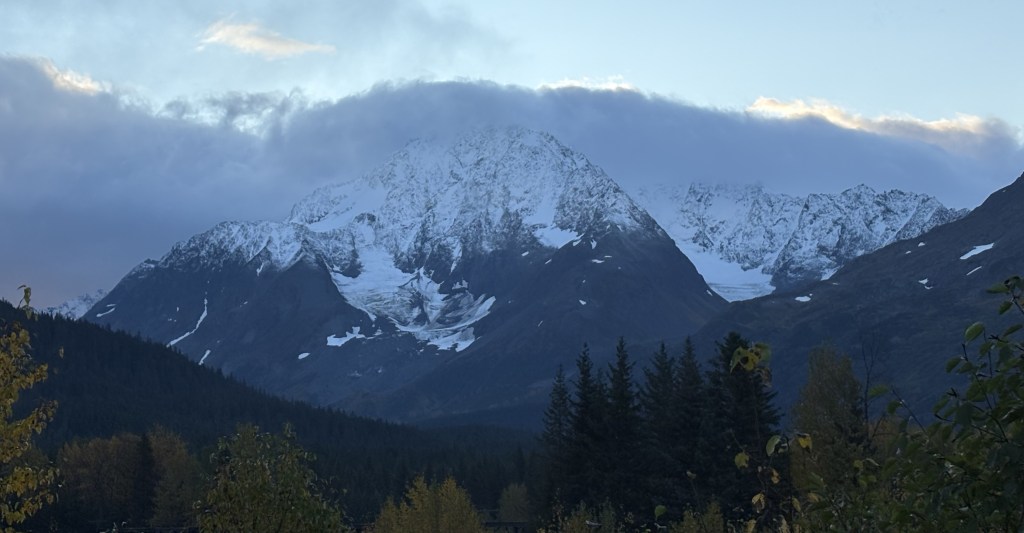
While I was now in the foothills of the Canadian Rockies there were still sizeable mountains along my route. There were some low clouds as I drove south but they would lift later in the day. Once again, many of the mountains were different in appearance than others I have seen Canada.

Can you say moo? This is a prime example of what I was talking about earlier. There were no cattleguards preventing these cows from getting up to the main road but there were some going north and south from here to prevent them from walking off.

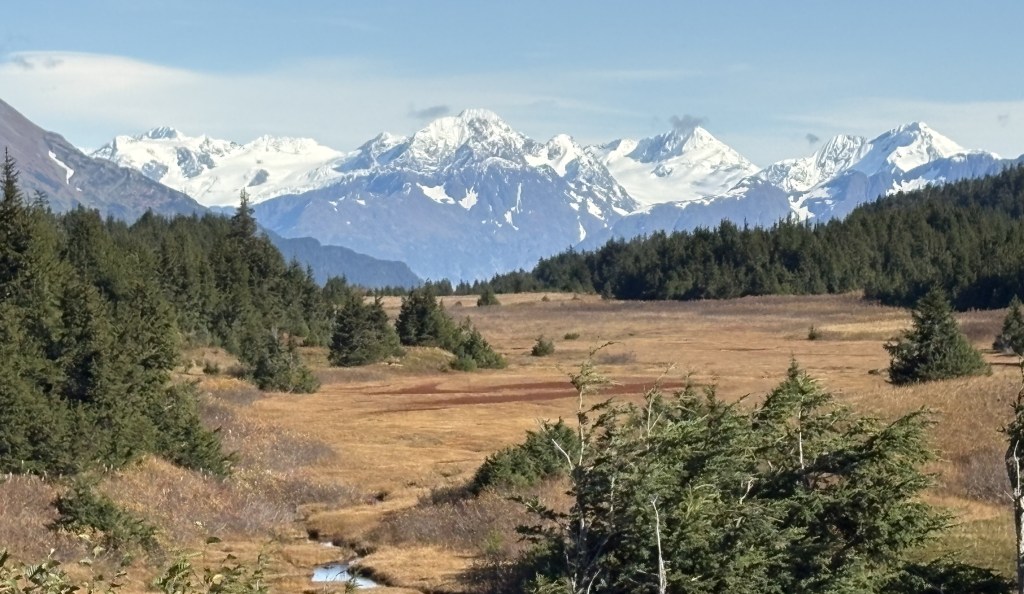
This was taken from a rise in the road looking back the way I came. You can see it was still overcast up by the TCH but it was getting sunnier where I was headed. I would drive about 40 miles south before turning around to go back.

These were taken at the point where I decided to start back. It was near a small town which I can’t even find on the map. There were lots of stuffed animals, painted white or faded by the sun, attached to the fenceposts near the road.

There was a sign nearby for Bearspaw Nation, which is made up of several indigenous tribes in the area. These animals are generally a memorial to children of indigenous tribes who died in residential schools, apparently a big problem years ago in Canada and perhaps elsewhere. In some cases they are memorials to children killed in accidents or by illness.

I turned around and started heading north. Guess what I found in the road, right around the same place as I saw them before?

I’ve been telling people who ask about how many and what types of animals I have seen during my trip that I have undoubtedly seen more cows in the road (not only here but elsewhere) than anything else. Eagles and moose are probably next, and after that the numbers are very small.

The first photo of the cows was taken at 1117am. The photo above was taken two hours later. I don’t know for a fact but I am pretty sure they are the same cows. I also saw groups of cows resting in the grassy areas next to the road.

Canmore, Alberta

August 13, 2025

I drove south 20 miles from the town of Banff to the town of Canmore, about triple the side of Banff with a permanent population of around 16,000. Canmore is just outside the southern end of Banff National Park. Golden and Canmore were, by far, the most expensive Airbnb’s on my trip but they are both close to the places people want to be and can command higher prices. Staying in Banff proper would have cost even more…

I went downtown and parked and found that I was in a very nice little town that didn’t feel as congested as Banff. They also had a few blocks of their downtown area blocked off to traffic to form a pedestrian mall of sorts. I walked around and went in a few shops and immediately felt at ease. I also noticed that no matter which direction I looked I could see mountains.

I walked a short distance to a town park located along the Bow River.

Before I checked in at my Airbnb I decided to go to the library to print some documents from my computer. What I found there was totally unexpected.

A multi-story climbing wall! The library is located inside the Elevation Place Recreation Centre which also features a fitness gym, an aquatic centre and an art gallery! The climbing walls seemed to be the most popular and there were not only adults but also some rather young, but fearless, children.

Some of the walls go as high as 45 feet and the are some much lower ones which arced out to give an additional challenge to the climbers (not shown).

I stood for quite a while in the entrance area and marveled at the ability of the climbers. I even went back on another day to watch some more as I found it fascinating.

Getting to Banff (the town), Alberta

August 13, 2025

After leaving Yoho National Park I crossed into Banff National Park and began my trek southeast. Jasper and Banff National Parks both have an elongated footprint which slants northwest to southeast. They are both on the spine of the Canadian Rockies and help form the western edge of Alberta province. Banff National Park covers just under 2,600 square miles, about 60% the size of Jasper NP. Banff NP has over 100 named mountain peaks.

Once I pass the town of Lake Louise on the Trans Canada Highway I would travel about 40 miles to get to the town of Banff. I have traveled the northern part of this road twice, both times driving northwest after leaving Kootenay National Park. Today I will be driving southeast so I be seeing a different vantage point of several mountains I have already seen, and will be seeing some new ones which I could not see as I drove north,

The next two sets of mountains were being backlit by the early morning sun as I approached them.

I stopped at a rest area before reaching Banff and took these photos. The first one is looking back northwest towards Kootenay NP.

And this next one is looking back towards the highway I had just driven down, with the upper part of mountain now basking in the morning sun.

The next one is looking southwest towards the town of Banff.

I would soon exit the highway and turn left, climbing a mountain towards the Mount Norquay ski area. From a scenic viewpoint along that road this is the view looking towards the town of Banff. You can see Hwy 1 going from left to right at the bottom of the photo.

Below is a closer look at town. You can see the Bow River on the right and the shopping district to the left of it. If you look closely at the upper left hand corner of the photo you can see the large Fairmont Banff Springs hotel. You will be seeing more photos of all those things in subsequent posts.

Banff sits at an elevation of 4,600 feet and has a permanent population of about 8,300. As with Jasper, and many other towns in Canada, that number increases significantly with year-round visitors. It was named by a railroad executive after his hometown in Scotland.

Below are some of the big mountains west of town. In that photo the Banff Springs Hotel is just right of center at the bottom. To the right and above it is the road leading up to the Banff Hot Springs and the Banff Gondola.

I ventured into town to get some maps and get a feel for the lay of the land. Banff has a reputation for being overrun with tourists, especially in the winter when people are visiting the local ski areas. I would actually be staying in the town of Canmore, about 20 miles further south, for several nights but will make a quick trip into Banff today, and will drive up from Canmore on another day to try and beat the crowds.

Here is the first place I visited when I drove downtown.:

The photo above is of Bow Falls. The Bow River originates at the Bow Glacier up in Jasper National Park, along the Icefields Parkway. It will pass through southern Alberta and Saskatchewan provinces before turning north, pass through Manitoba province and empty into Hudson Bay.

Below are some rafters setting out on the lower part of the Bow River.

After navigating mid-day traffic in town I decided to go back out to the highway and drive down to Canmore and get settled into my Airbnb there. I will return to Banff in a day or two to spend more time here and will have lots of photos to share.

Yoho National Park

August 13, 2005

I have driven through Yoho National Park 4 times during my visit to Golden and thought I’d better tell you a little bit about it as I pass through it a final time on my way south to Banff.

The name is an exclamation of surprise in the indigenous Cree language, though there isn’t any record of the Cree people ever having lived here so I don’t really know why it was chosen. The Park covers a little over 500 square miles and has 28 named mountain peaks over 9,800 feet. The tallest is Mount Goodsir at 11,703 feet, not visible from the highway due to closer mountains obscuring the view. As you will see, some of the mountains are low enough to only be covered with trees, and it is a very popular destination among hikers. It may be hard to see but the colored dotted lines on the map represent cycling or hiking trails.

(Photo credit: Parks Canada)

The only road which passes through the Park is the Trans Canada Highway (Hwy 1), shown on the map in red. Several roads branch off from it but I only took one of them as I left Golden.

Emerald Lake (upper portion of the map, above and left of the town of Field) is frequently shown in brochures because of it’s brilliant color. Every time I passed by the road there was an electric sign near the highway exit indicating that the parking lot was full. As I returned from my second trip through Kootenay NP I took a chance and drove up anyway, only to find that traffic was at a standstill before I even got to the parking lot. I sat there for a while hoping to see vehicles leaving but since we seemed to be at a dead stop I turned around and left, deciding that I would drive up first thing in the morning as I was leaving Golden.

Here are some of the things I saw during that drive.

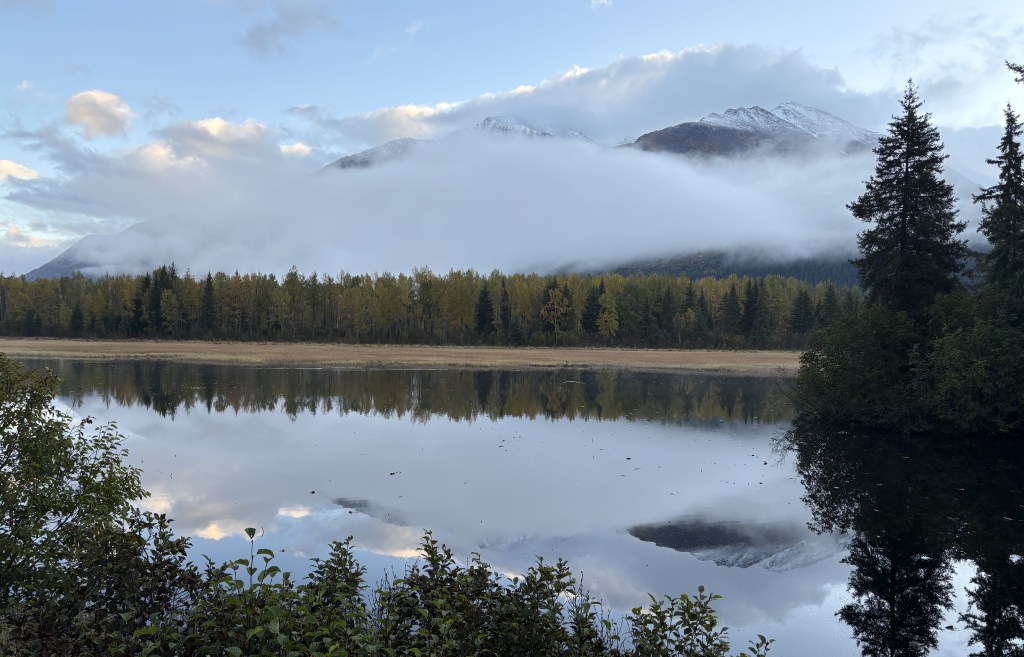
It was a strange morning, cloudwise. The two photos above were taken one minute apart, from the same section of the highway! I know it was clearing in one direction but there were heavy clouds when looking in another.

I drove directly up the mountain to Emerald Lake – no line, no waiting. The parking lot was only partially filled so the “go early” advice was sound.

The lake surface is at 4,267 feet elevation and Golden is at 2,600 feet so I had climbed over 1,600 feet to get here, encountering fog or low clouds along the way.

You can see that the sun was finally able start burning off the fog.

Another lake in the Park, Lake O’Hara (up near Hwy 1), is only accessible by making bus reservations in advance. The long road leading north to Takakkaw Falls is only open a portion of the year and is considered difficult to navigate for large vehicles. Recreational vehicles or vehicles towing trailers are not permitted on it.

From what I’ve read and brochures I’ve seen, Yoho is extremely popular with hikers and I’ve seen many great pictures by visitors who have hiked up to high elevations. If you enjoy hiking you could plan your whole vacation in the Canadian Rockies and have a never-ending variety of things to see.

The photos below were taken as I started driving down to Highway 1.

When I got to the bottom I stopped at Natural Bridge.

Getting back to Golden, BC

August 11, 2025

After driving through Kootenay National Park from south to north a second time I would again turn left onto the Trans Canada Highway (Hwy 1) in order to return to Golden. I would continue on the TCH a short distance and cross into Yoho National Park, thereby crossing BACK into British Columbia province.

Here are some photos from that final leg of my trip for the day. Once again, mountains which you may have seen before but taken on a clearer day.

The photo above is a wildlife crossover, one of many I saw as I traveled throughout Canada.

That photo above is of Mount Stephen which is 10,495 feet tall.


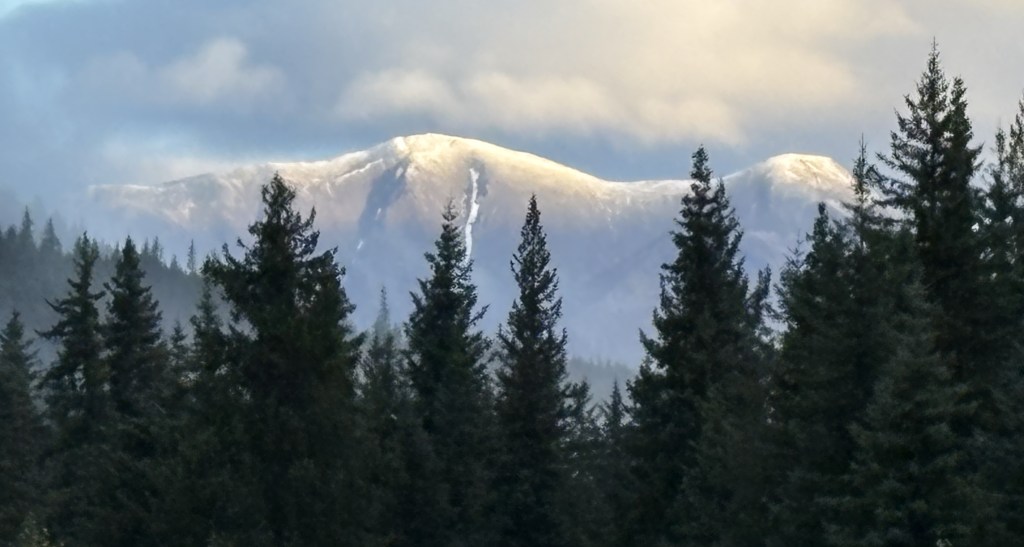
Here are some photos I took with the zoom lens on my digital camera after reaching the Trans Canada Highway.

Kootenay NP Redux – Part 3 of 3

August 11, 2025

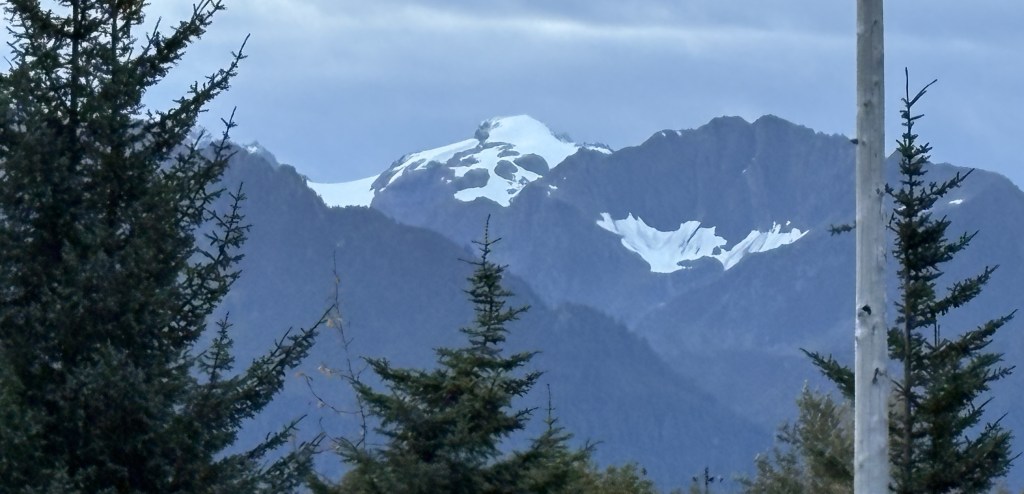
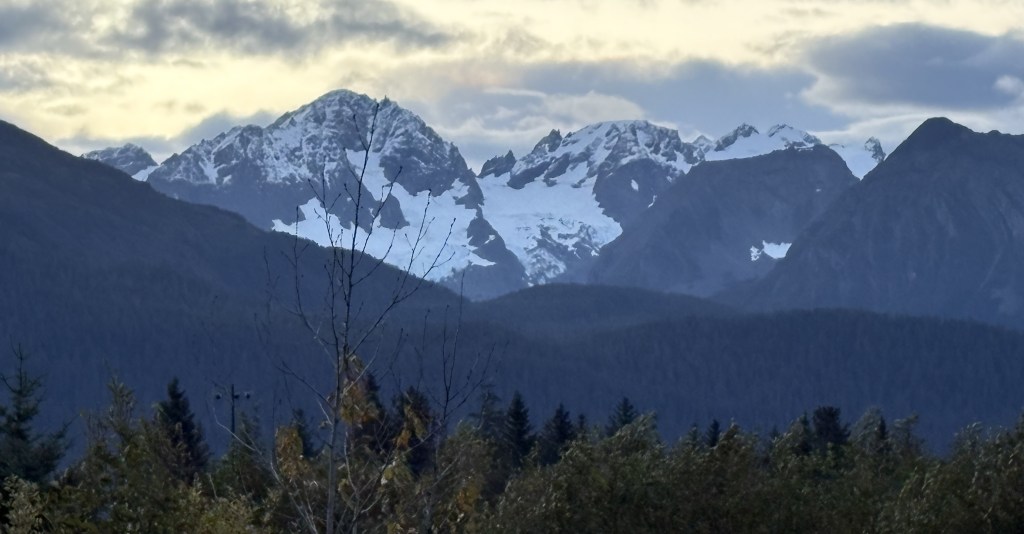
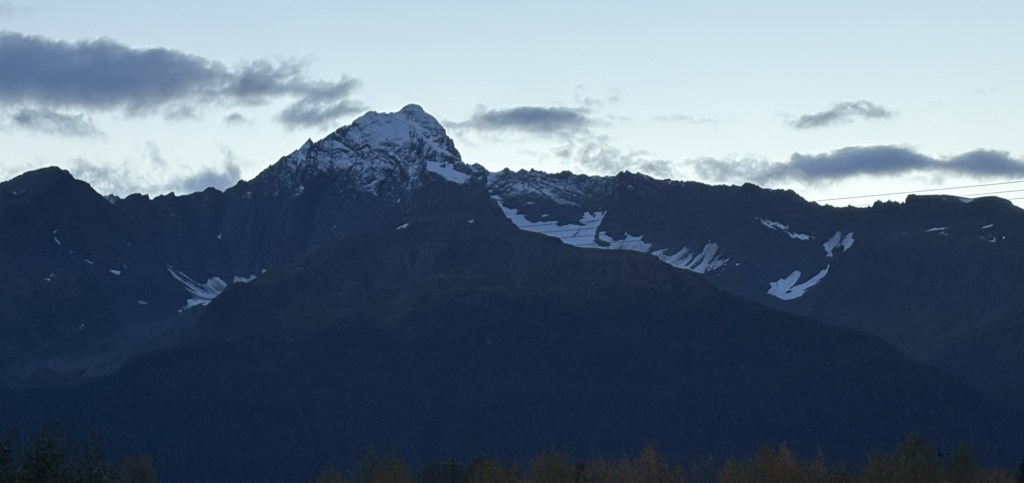
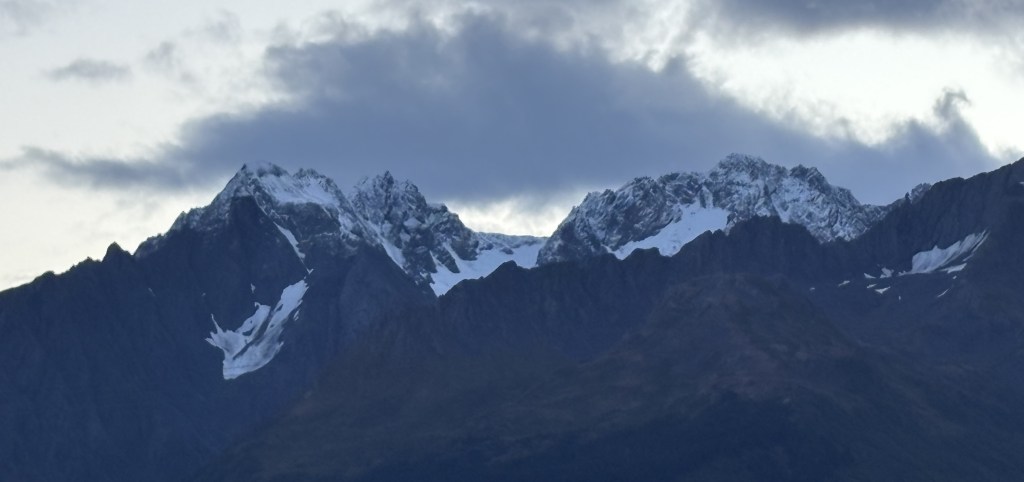
Here are more photos of the mountains I saw as I traveled through Kootenay National Park in British Columbia from south to north.

The mountain above is one of the ones I CAN identify. It is Stanley Peak, 10,351 feet tall, which is home to the Stanley Glacier:

Shortly after passing the Stanley Glacier I would go through Vermilion Pass and cross the Continental Divide. That signifies the northern end of Kootenay National Park as I would cross into the northern portion of Banff National Park and, in doing so, cross into the Alberta Province.

The mountain in the distance (below) is Castle Mountain, which is 9,075 feet tall and is on the opposite side of the Trans Canada Highway (Hwy 1). It is several miles away, and is very imposing as you drive past it on the TCH.

Kootenay NP Redux – Part 1 of 3

August 11, 2025

Today I decided to drive back down south and go through Kootenay National Park again. The first time I went through the weather was less than ideal for photos, with some low clouds obscuring some of the mountain tops. The weather was forecast to be better today so I thought I’d give it another go.

Sorry the map is kind of small but it focuses on the route I would take. From Golden I drove south on Highway 95 to the town of Radium Hot Springs. There I would turn left on Highway 93S which goes through Kootenay National Park and up to the Trans Canada Highway (Hwy 1), which I would take back to Golden. The entire loop is about 200 miles.

I did post some photos of my original trek through the Park so you will probably see things you have seen before. I have more photos than what I am about to post but I went through them and eliminated ones that seemed repetitive or were not very clear. I am in the Canadian Rockies so obviously mountains are the main things I see. Many of the mountains have a different appearance than ones I have seen elsewhere so I hope you enjoy the variety as much as I do!

I start off with a few repeat photos from Radium Hot Springs (the town). As I drove in to town around 10am I encountered several young bighorn sheep, strolling down the highway seemingly oblivious to the traffic around them.

I stopped briefly in the Visitor Centre and then drove back about a half mile to enter the Park itself. A short ways in are the actual Radium Hot Springs, which gives the town its name. They are an odorless natural hot springs which are popular among visitors to the area. They have their own fee structure and one must have a Park Pass to access them. I was thankful that Canada waived the entrance fees to their National Parks for the summer, though I was prepared to buy an annual pass when I arrived here.

This time I was better prepared for the first thing I saw after I drove past the hot springs.

There wasn’t anyone behind me so I was able to stop in the road and take that photo through the windshield.

The next thing I saw was also something I didn’t photograph the first time through the Park. A large red rock wall on the left side Highway 93S. This time I pulled off into the area where the entrance gate for the Park is and walked back to take a photo of the wall. I have not seen anything like it so far in Canada and suddenly I felt like I was in southern Utah!

Redstreak Mountain is located right behind the Visitor Centre, and I presume this is how it got its name.

Ok, so from this point forward all you will see are mountains. Most are a fair distance off the road. I have tried to crop the photos to focus on the mountains themselves but occasionally left in more of the surroundings for perspective.

The map for this Park did a much better job of identifying many of the mountains but I will not try to match them to the photos. According to Wikipedia there are 71 named peaks within the Park but the map identifies only about half that many. There are at least 5 mountains over 10,000 feet tall and at least 11 over 9,000 feet tall.

The Park ranges from 3,012 feet elevation at the south entrance to 11,234 feet at Deltaform Mountain, near the north entrance and the Continental Divide. The roadway ranges from around 2,600 feet at Radium Hot Springs to 5,510 feet at Vermilion Pass near the north end of the Park.

The tallest mountain in British Columbia, Mt. Assiniboine (11,870 feet), is located south of the Park in its own Provincial Park. Despite its height it is not visible from within the Park due to other mountains which are closer blocking the view.

Here, now, are three posts with photos of some of the mountains.

Continued in next post