Johnson Space Center – Post 1 of 2

May 15, 2017

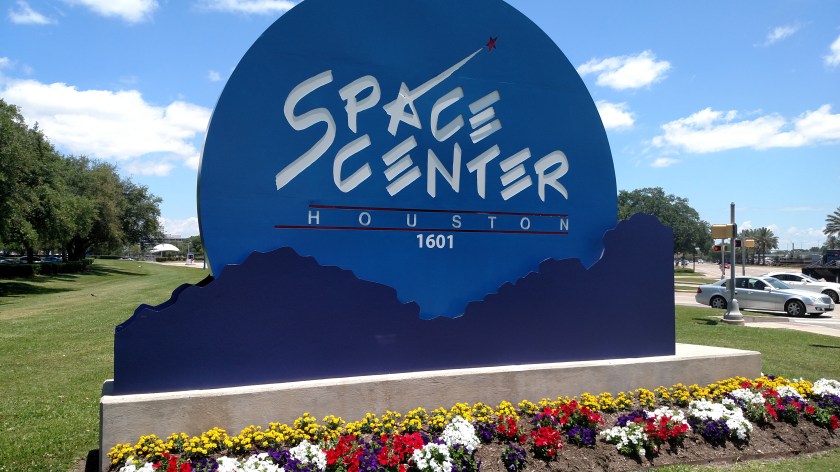
The main reason I stopped in Houston during my early 2017 “Texas Loop” was to visit NASA’s Johnson Space Center.  When manned missions were launched from the Kennedy Space Center in Florida, Mission Control there managed the events until the spacecraft cleared the launch tower.  The remainder of the flight was managed by Mission Control here at JSC.
IMG_20170515_125037417

IMG_20170515_095822549_HDR

The two jets in the photo above are like the ones which helped astronauts train for flying the Space Shuttle.  They were also “chase planes” which flew parallel to the Shuttle on many flights once they got down towards the Earth’s surface and especially when they landed after a mission to shoot video and take still photos to help NASA engineers monitor flight characteristics.


IMG_20170515_112307482

Although we couldn’t go in it, the building above houses Mission Control at JSC and has been named for Christopher Columbus Kraft, Jr. who helped establish the overall Mission Control concept, was Flight Director for many of the manned missions, was eventually named Head of Mission Operations and ultimately became the Director of JSC.  He was still living when I made this post earlier this year but passed away July 22, 2019 at age 95.

Frankly I wasn’t nearly as impressed with the Visitor Center at JSC as I have been with other NASA facilities I have been to.  Perhaps the most interesting thing, other than the Saturn V rocket (see next post), was what greets visitors after they have parked their cars and are walking towards the Visitor Center:

IMG_20170515_095029799_HDR

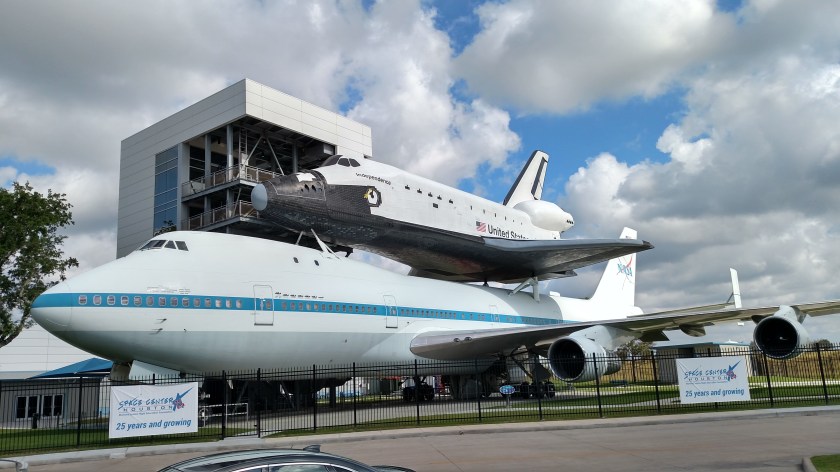
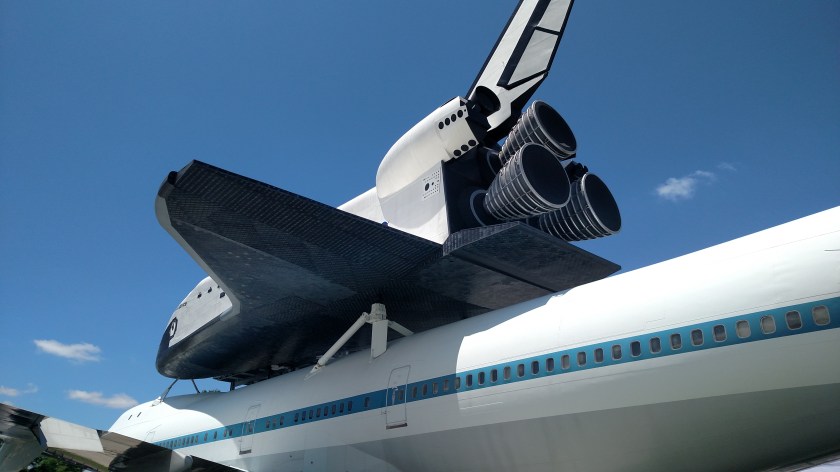
This is the actual Shuttle Carrier Aircraft (SCA), tail designation N905NA, which is one of two specially modified 747 jets which could carry the Shuttle “piggyback” on top of the plane (the second 747 has tail designation N911NA).  This was necessary for early test flights where the jet would carry the Shuttle up to high altitude where the two vehicles would separate and the Shuttle would glide back to Earth.  When the Shuttle actually flew in space there were many times when it would land at Edwards Air Force base in California (early flights in particular – a much larger runway located in a remote area, for added safety, and when proven stable if bad weather prohibited landing at Kennedy Space Center where it was attached to the booster rockets and launched).  On all those occasions one of the 747’s would return the Shuttle to Florida.  At the end of the Shuttle program the 747’s flew their final missions, taking the Shuttles to airports near the various museums around the country where they are now on display.

After it’s last Shuttle ferrying flight the second 747, N911NA, was flown from Edwards Air Force base to an Air Force facility in Palmdale, California and is being cannibalized to keep another NASA aircraft in service.

The airplane above is real but the Shuttle on top is a model.  Visitors could go inside both.

IMG_20170515_095138103_HDR

IMG_20170515_122441009

IMG_20170515_123733783

IMG_20170515_123810614

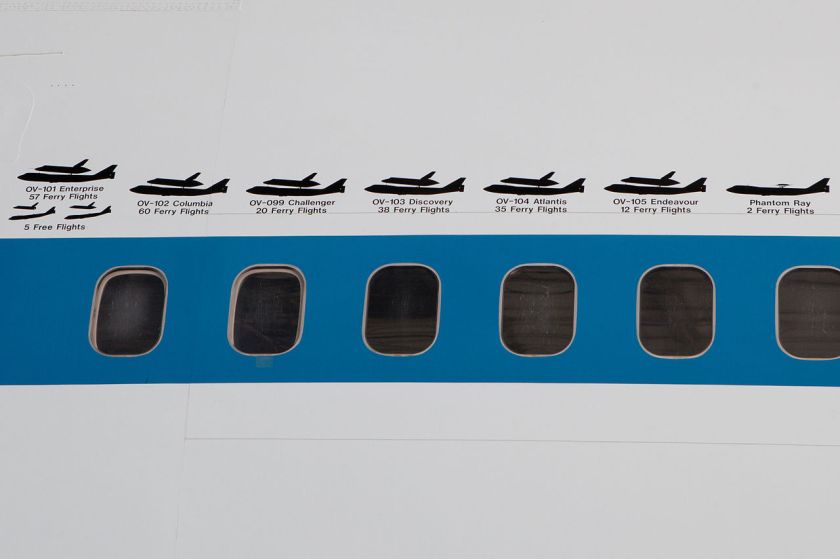
I hadn’t noticed it at the time but in researching the aircraft for this post I found this photo of a silhouette near the front of the plane showing how many times it carried various Shuttles:

Shuttle_Carrier_Aircraft_-_Silhouettes

(Photo credit: None – Public Domain!)

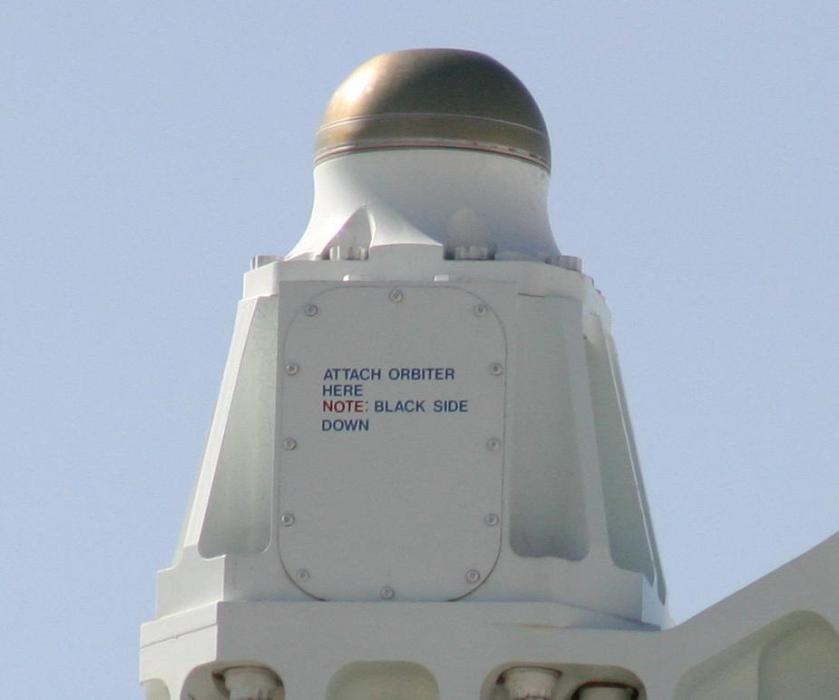
I also found this photo of the Orbiter Mount which is where the Shuttle is attached to the airplane.  You can’t see it in the photos I posted but please note the humorous comment someone painted on it:

Shuttle_mounting_point

(Photo credit: Rob Elliott)

———————–

Where are the Space Shuttles now?

Atlantis is at the Kennedy Space Center in Florida

Discovery is at the Udvar-Hazy Center (part of the Smithsonian Institution) adjacent to Dulles airport outside Washington DC

Endeavour is at the California Science Center in Los Angeles

Enterprise (which never went into space but was released for 5 “glider flights” from the 747 shown above) is now on the deck of the Intrepid Sea-Air-Space Museum (a former US Navy aircraft carrier) in New York City.  It had previously been on display at the Udvar-Hazy Center outside Washington DC.

———————-

Challenger was destroyed over the Atlantic Ocean shortly after launch

Columbia was destroyed (over Texas and Louisiana) during re-entry at the end of it’s mission on it’s way to Kennedy Space Center in Florida


Johnson Space Center – Post 2 of 2

The main reason I stopped in Houston during my early 2017 “Texas Loop” was to visit NASA’s Johnson Space Center.  When manned missions were launched from the Kennedy Space Center in Florida, Mission Control there managed the events until the spacecraft achieved orbit around the Earth.  The remainder of the flight was managed by Mission Control here at JSC.

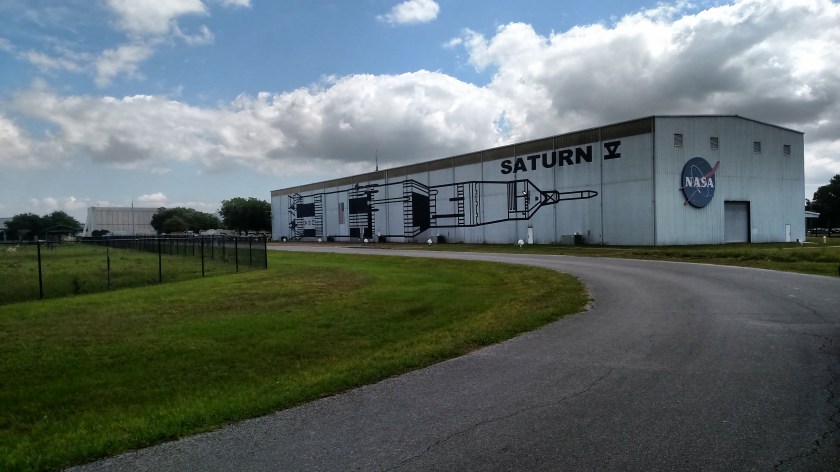
One of the more impressive items on display was a full-size Saturn V rocket.  The Saturn V (5), designed by Wernher von Braun and Arthur Rudolph, launched all of the Apollo moon missions as well as Skylab, the first American space station.

IMG_20170515_111035343

IMG_20170515_101141525_HDR

Above is a photo of the first stage.  Below are the 5 F-1 engines capable of producing over 1.5 million pounds of thrust (each!) for a total of 7.5 million pounds.  To this day they are still the most powerful liquid-propellent rocket engines ever built.

IMG_20170515_101151462_HDR

I will be telling a story about these engines when I post photos from my visit to the NASA facility in Alabama where these were tested.

Here is the second stage, with 5 smaller engines:

IMG_20170515_101253214_HDR

And finally, the third stage with just one engine. This engine was initially fired to get the vehicle to full orbit around the Earth.  By the time this stage kicked in the vehicle had gained considerable altitude, was traveling at very considerable speed and required much less energy to achieve orbit. This engine was later fired a second time to remove the vehicle from Earth orbit and send it on it’s way to the moon.

IMG_20170515_101330761_HDR

On top of the third stage was a cone-shaped section which contained the lunar lander.

IMG_20170515_101350399_HDR

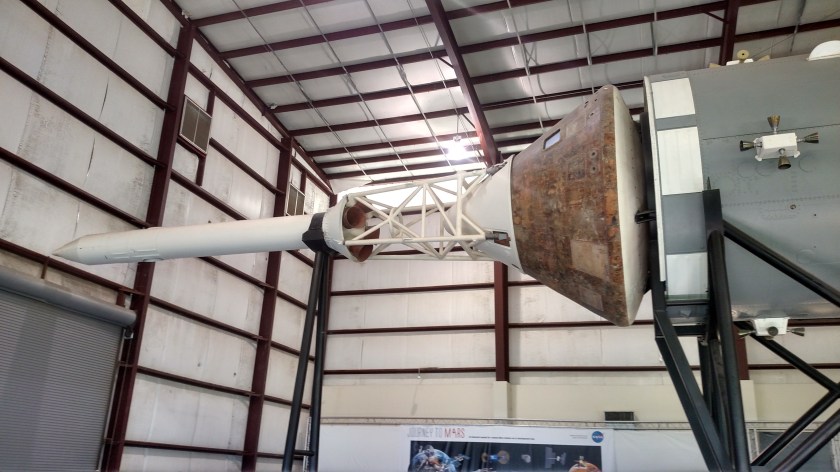
Finally, a can-shaped service module (gray in this photo) which contained fuel and other equipment to get the spacecraft back to Earth and the command module (brown in this photo) which the astronauts rode in.  At initial launch there was an emergency thruster (escape module, white in this photo) attached to the top of the command module in case it needed to be jettisoned for safety in the event of a launch failure.  The command module itself only had tiny “thrusters” to maneuver it in space and they wouldn’t have had nearly enough energy to get the command module away from the rocket at launch.

IMG_20170515_101419230_HDR

Here is look back down from the “top”

IMG_20170515_101440960_HDR

There are only three full-size Saturn V displays in the world.  This is the only one made completely of flight-certified hardware.  The other two displays contain a mix of flight hardware, mockups and test components.

Roadside Art in Houston

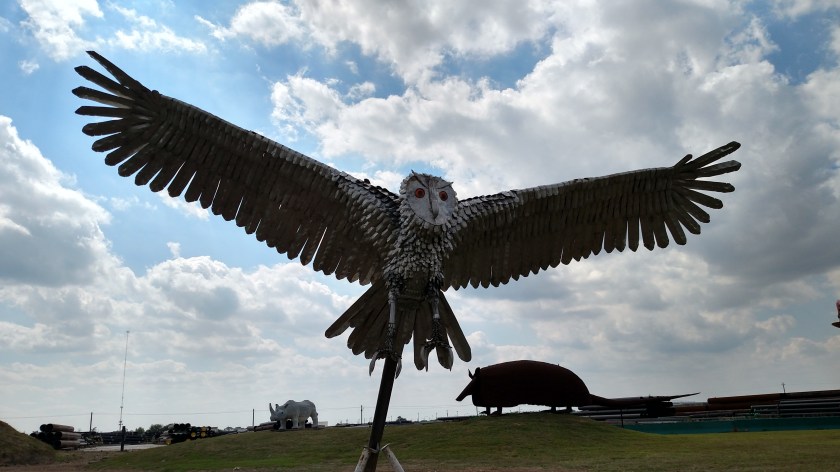
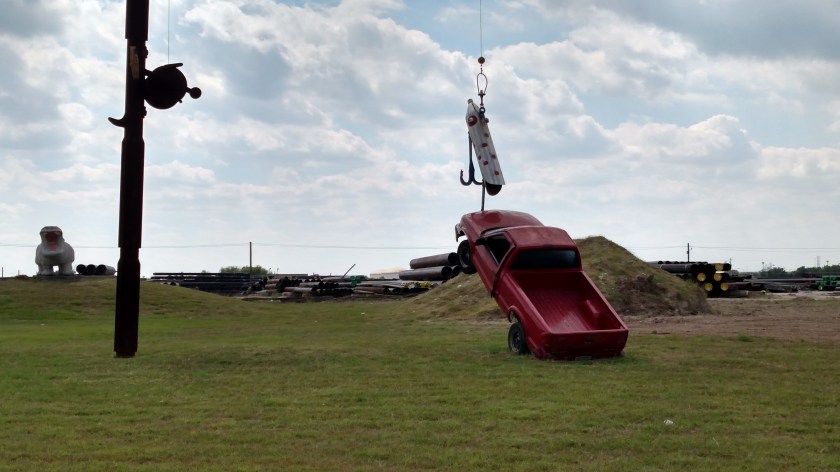
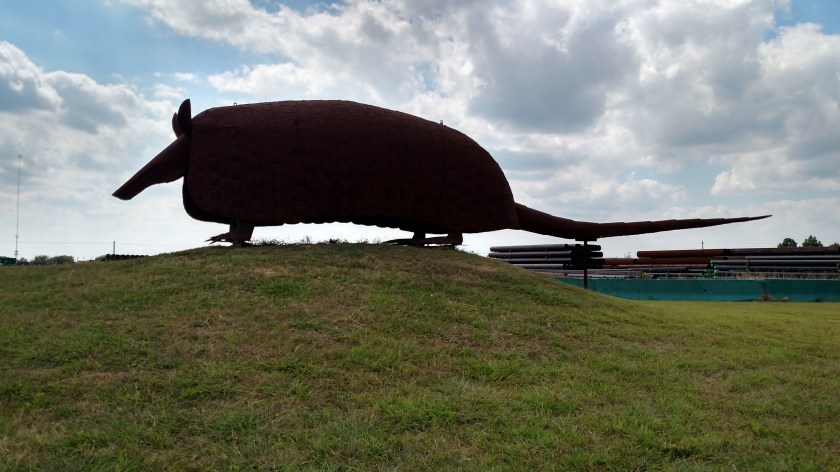
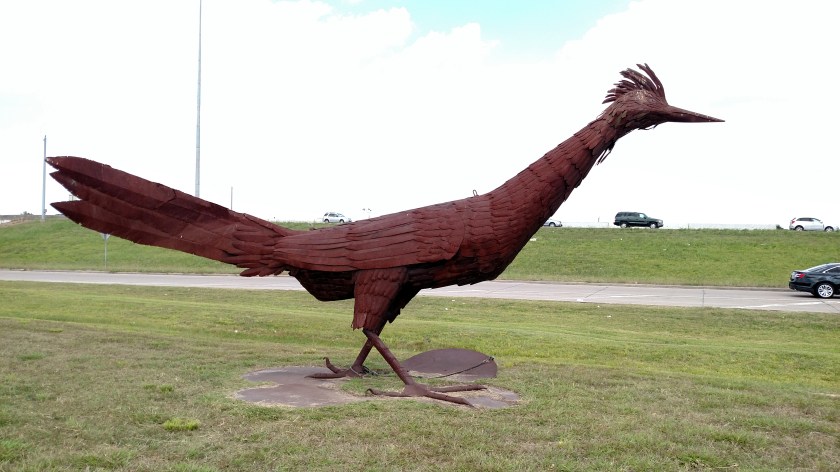
While driving in the Houston area I saw these huge metal art works along side the highway.

IMG_20170514_154752841_HDR

IMG_20170514_155158449

IMG_20170514_154837909_HDR

To give you some idea how big these are, the fishing pole in the photo above snagged a full size pickup truck…

IMG_20170514_154845463_HDR

IMG_20170514_155224810_HDR

IMG_20170514_155344051

The wheels look kind of goofy but this stealth fighter was still pretty impressive:

IMG_20170514_155516714

I didn’t see any signs indicating who created these works of art.

Rice University campus, Houston

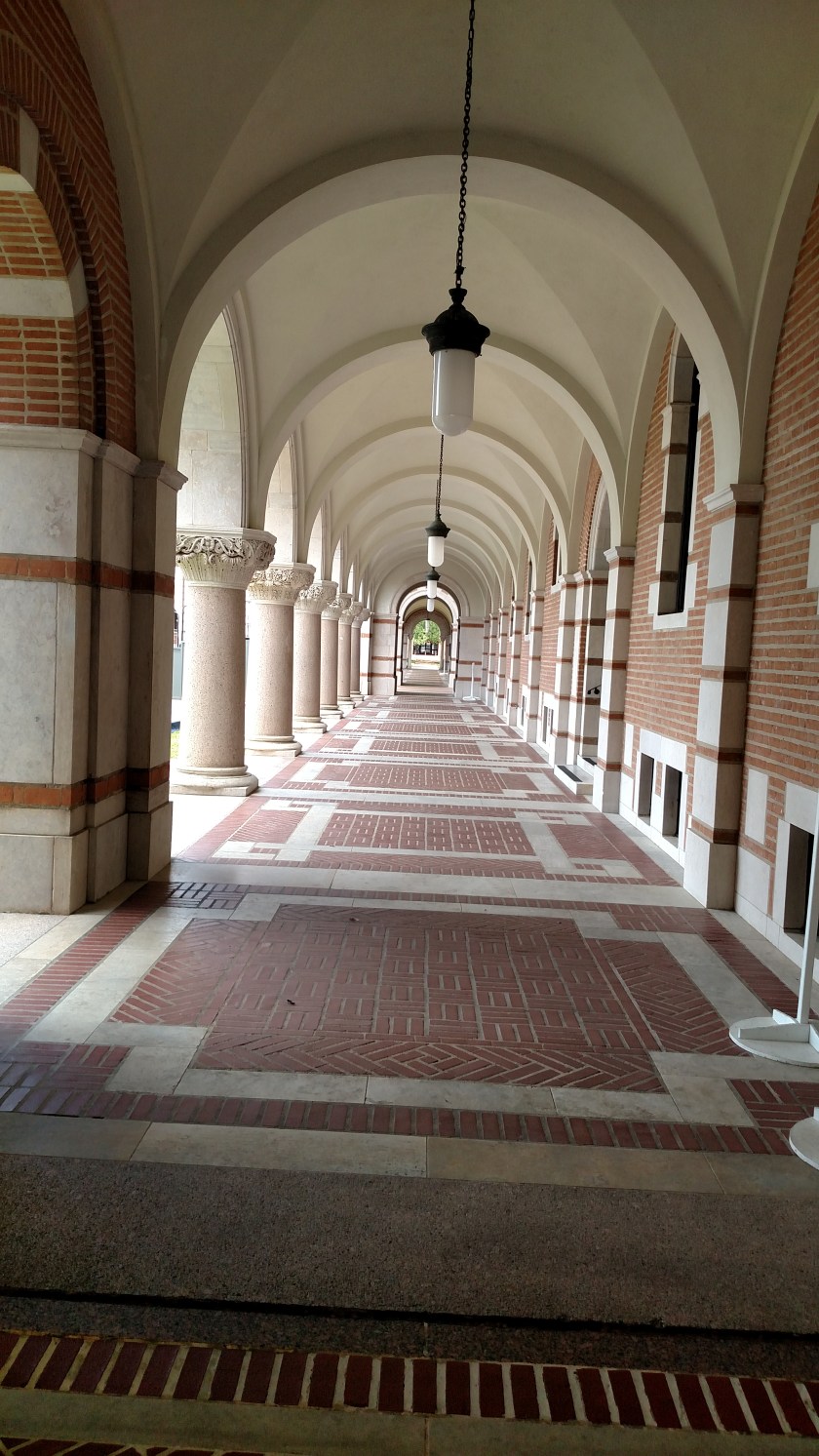
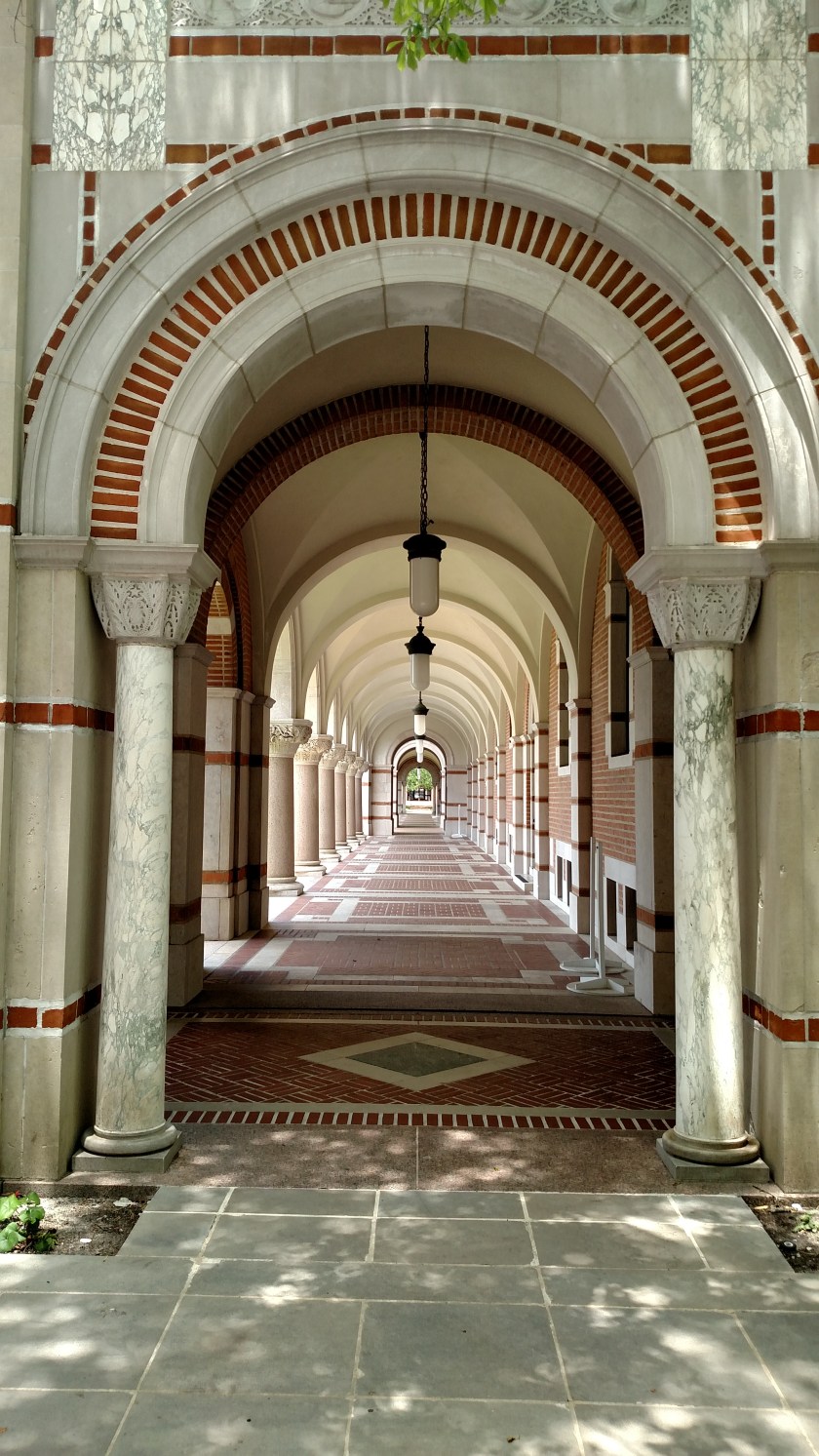
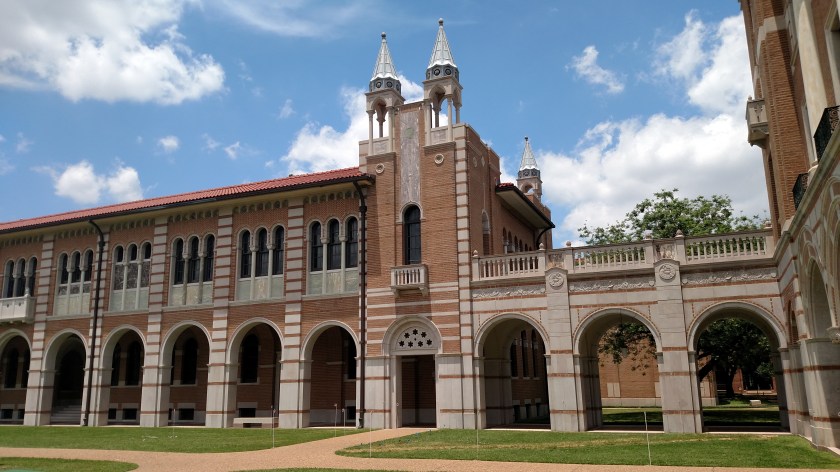
The beautiful, largely symmetrical Mediterranean Revival and Byzantine styles of architecture on this campus were brought to my attention by a photo in the “36 Hours” series of articles and books published by the New York Times.  While in Houston I decided to visit the campus and see it for myself.

IMG_20170514_130804817_HDR

IMG_20170514_130954246

IMG_20170514_131007692

IMG_20170514_131035267

IMG_20170514_131054852

IMG_20170514_131210918

IMG_20170514_131352035

The Beer Can House

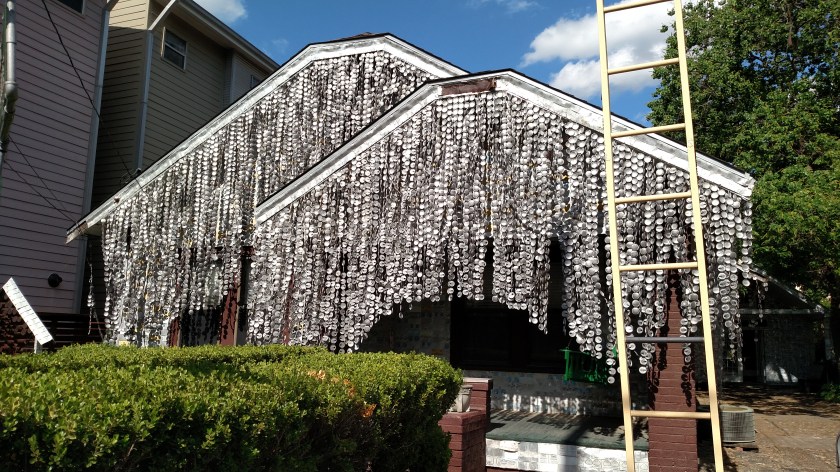
When I arrived in Houston, Texas in the late afternoon of May 13, 2017 the first place I stopped was at this quirky tourist attraction.  A man named John Milkovisch lived in this house with his wife Mary.  Mr. Milkovisch, shown below, claimed to have consumed over 39,000 cans of beer during his lifetime (he died in 1988).  After his death his wife remained in the house until a few years before her death in 2002.

IMG_20170513_165735464

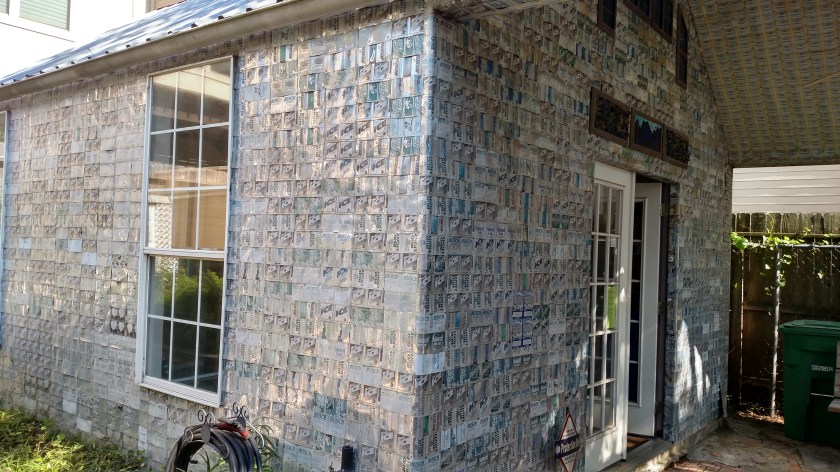
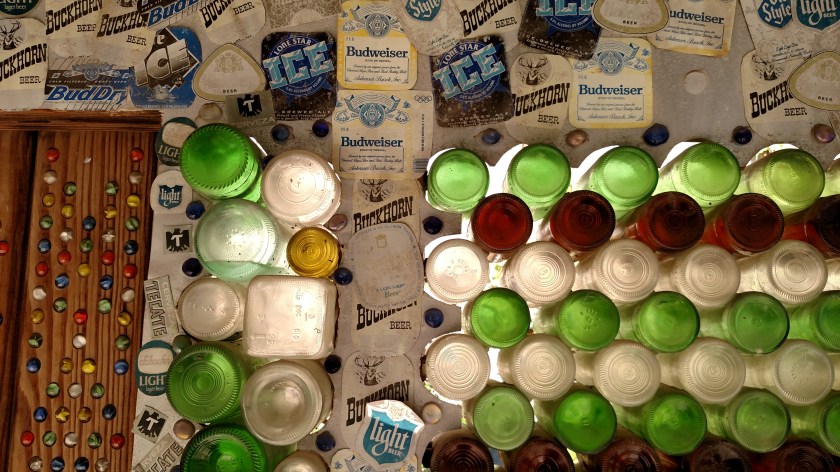
While the house isn’t actually built with beer cans an estimated 50,000 cans, bottles, caps, pull-tabs, labels, coasters, 12-pack boxes, etc. adorn the walls and are formed into facades and pieces of art which hang throughout the property.

IMG_20170513_165148083

IMG_20170513_165203875

IMG_20170513_165456041_HDR

IMG_20170513_165501856

IMG_20170513_165512557

IMG_20170513_165520016

IMG_20170513_165527068

IMG_20170513_165540121

IMG_20170513_165802406

IMG_20170513_165844833

The inside of the house was pretty normal (Mary wouldn’t let him display beer cans in the house) although he did convert the lawn to concrete – he was tired of mowing – and his wife created some other forms of metal art for the property.

They had photos of other quirky tourist attractions located in other parts of the country in one room, two of which will be venues I have visited and will appear in future posts.

Texas World Speedway

When I left Branson, Missouri in May of 2017 I headed south towards Texas.  I actually drove southeast on some beautiful scenic roads through central Arkansas and crossed into Louisiana where I would spend the night in Shreveport.  The next morning I drove further south on the west side of Louisiana and crossed over into Texas on Route 21 to the little town of Milam.  One of the interesting things I saw there was a road sign indicating that the distance to the next fairly big town was 19 miles and the distance to El Paso (on the other side of the state) was 860 miles!  They say everything is bigger in Texas and this made it clear that the lower portion of Texas is, indeed, very big.

From Milam I traveled west through Nacogdoches, then southwest to the town of Bryan.  A friend suggested I start including maps to illustrate the areas I refer to and I did look online last night to see if I could find a good map of eastern Texas but couldn’t find anything that wasn’t really cluttered.  At Bryan I turned left and started driving southeast towards my ultimate destination of Houston where I would be spending the next three nights.

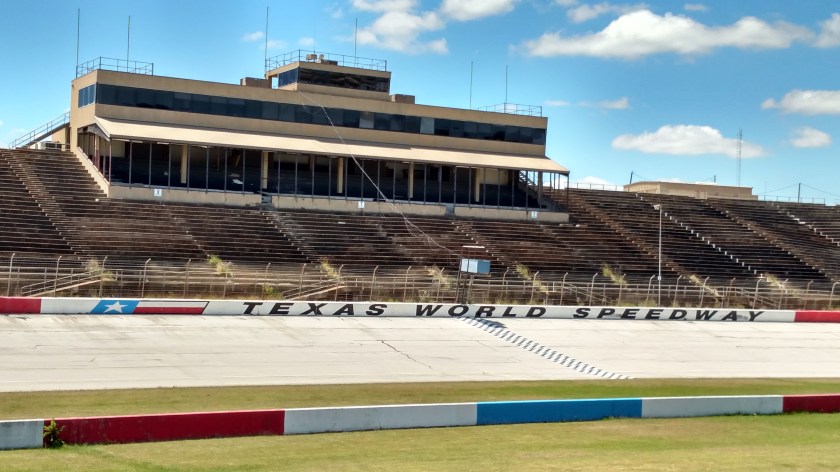
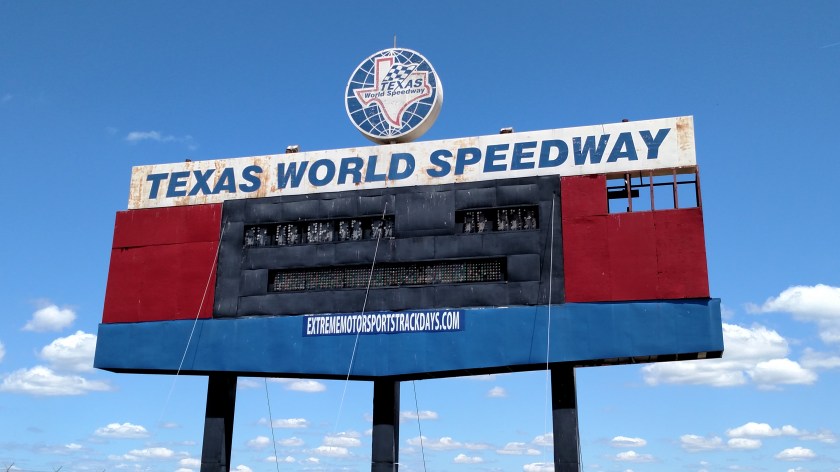
Shortly after turning left on Route 6 in Bryan I came to College Station and shortly after that I saw a sign for Texas World Speedway, a now dormant racetrack.

IMG_20170513_140704157

I drove toward the facility thinking I’d be lucky if I could get to the fenceline and maybe get a picture of the back of the grandstands.  Much to my surprise the gate was open and there was someone at a small shed at the entrance who told me that the track was open and was hosting a group of motorcycle enthusiasts.  He had me sign a liability waiver, put a wristband on me and told me I could pretty much go anywhere I wanted except on pit road and on the track itself.

IMG_20170513_141157072_HDR

IMG_20170513_143120273

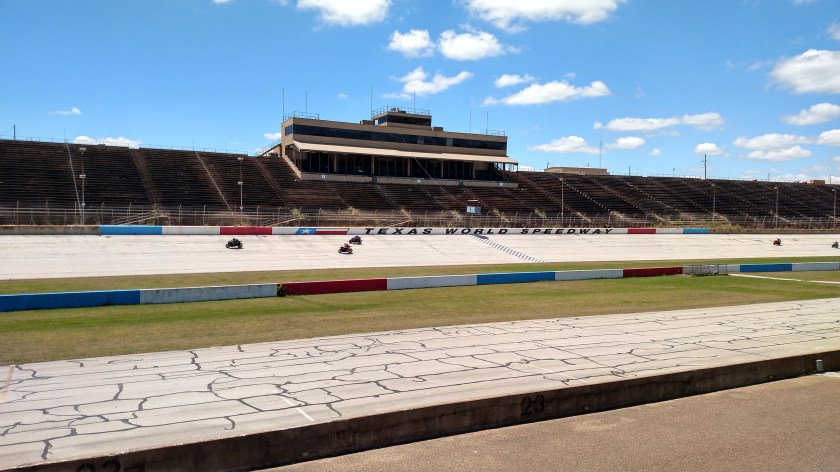
As I said, there were motorcycles on the track (look closely at the photo below)

IMG_20170513_141244944_HDR

It wasn’t a race but just practice for an upcoming event.  I spoke to one of the guys who was participating:

IMG_20170513_144813640_HDR

He had two bikes, the one he had just finished riding and another still on the trailer.

I was able to walk through the paddock area and up into the infield grandstands (well, an elevated viewing platform).  I didn’t own a digital camera at this point so the only photos I have were taken with my smartphone.

The cycles were riding on part of the main track as well as part of the road racing course which goes to areas both inside and outside the main oval:

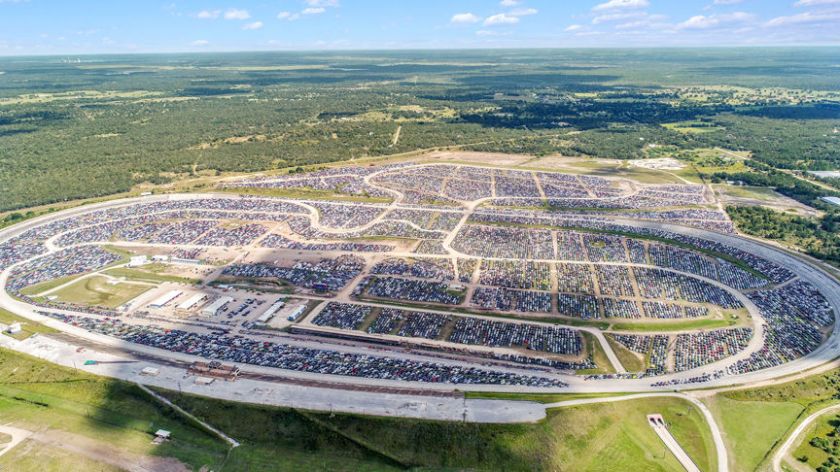
TWS AerialShot

(Photo credit: racingcircuits.info)

TWS consisted mainly of a 2-mile oval, one of only 7 tracks in the US 2 miles or more in length.  TWS had it’s heyday from when it was built in 1969 until the final NASCAR and IndyCar races were run there in 1981. After that it continued to host SCCA (sports cars), motorcycle and other races, driving schools and car clubs (Porsche, etc), and could be rented by major race teams for testing.

NASCAR’s Greg Biffle ran the fastest stock car lap at TWS in 2009.  His fastest speedtrap speed was 218 mph and his overall average on that lap was 195 mph.  Jeff Andretti holds the then-record (though unofficial) open wheel car closed course speed of 234.5 mph in 1993 while testing for that year’s Indianapolis 500.  Both of those sessions occurred on the oval portion of the track.

I was at TWS in May 2017 but later that year Hurricane Harvey devastated southern Texas in general and Houston in particular with torrential rain which resulted in major flooding.  As part of the cleanup from that hurricane flooded vehicles were transported to TWS for storage.

TWS Harvey Storage

(Photo credit: theeagle.com)

TWS HarveyStorage

(Photo credit: youtube.com)

When I was there in 2017 I read that the track facilities were to be demolished and the grounds used for a major housing development but now that all those vehicles are on the property I don’t know what the future holds for this large tract of land.


SpaceX Starlink satellites

I just saw the coolest thing….

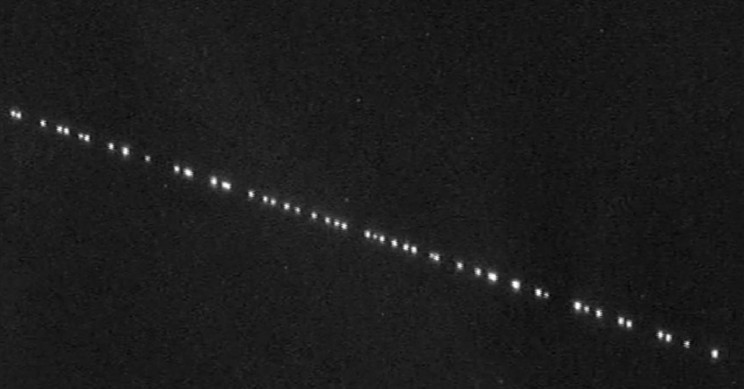
I read online today that SpaceX launched their first group of 60 Starlink satellites 4 days ago.  Although they will spread out over time they initially crossed the sky in a line, very close together.  This was how they looked the day after being launched:

starlink-satellites-in-orbit

(Photo credit: SatTrackCam Leiden)

The satellites were launched 4 days ago (May 23) and passed over Durham last night (May 26) at 1030pm.  I didn’t know about it until today but they crossed overhead again at about 925pm local time tonight (May 27).  The sky had been clear but cloud cover was starting to move in.  I went outside with my binoculars and finally spotted at least three which were clearly moving in a line together almost directly overhead.  They each “flashed” at least once which tells me they must be positioned in a manner which causes them to reflect the sun’s rays more intensely depending on their angle.

I will have to find out the next time they plan a launch and keep my fingers crossed that I might be in the right place to see them while they are grouped more tightly.  If I can find a link to determine when you can see them at your location I will add it to this post.  I know I found one once before but don’t know if it will be up to date for such a current launch, or if it is designed to track a group (the article I read called it a “flock”) of satellites since they will spread out after a few days.

It was fun to see at least a small group of satellites traveling together.  I believe they go over Durham again early in the morning either Wednesday or Thursday so I may try to get a brief glimpse again, although by then they may be so far apart it won’t be obvious that they are traveling together.

Looks like the website is n2yo.com and the Starlink Group is Object Catalog #74001.

Tuesday morning update – There was a short viewing opportunity at 531am.  The satellites were to pass from the NW horizon, low in the sky, to the SSE horizon.  The sky in the east was getting light (sunrise approaching) but the western horizon was still fairly dark and I could see a planet and maybe 3 bright stars.  The only thing I saw with the naked eye was one bright flash like I had seen Monday night.  Internet pictures show that these satellites have a long solar panel emanating from the main body.  The flash was very bright, not like an aircraft beacon but more like someone reflecting a bright light source with a mirror, which is essentially what is happening with a solar panel and the sun.  I’ve seen the ISS pass overhead many times but it creates a large, steady light source since it is so big and a flash from it probably wouldn’t be as noticeable.

I will have better viewing opportunities Wednesday at 450am and Thursday at 408am, both of which will cross higher in the sky and appear for a longer period of time.  Fingers crossed that I wake up in time and that skies remain clear!

Wednesday morning update – Good news and bad news.  The good news is the conditions were perfect.  I got out early to let my eyes adjust to the area I’d be watching (the northwest horizon, bordered by the setting Big Dipper constellation to my right and a bright planet to my left) and I have a perfect spot behind my apartment where the two street lights on either side of me were blocked by trees and the direction I was looking is a big open field.  The bad news – I saw exactly one.  I was more patient this time and watched the area for about 20 minutes.  Evidently if I had done that Monday night I might have seen more than three because some people are posting that they’ve seen a small group followed by a larger group.  It is now 6 days after launch and they are presumably getting spread further apart (and are raising their orbit further away from Earth).  The three I saw on Monday covered an area about as long as my hand held at arms length.  I didn’t see this object “flash” (astronomers apparently call it a “flare”) but I am confident I was seeing the right thing.  I did continue to scan the sky in case what I saw was a different satellite.

I have at least one more opportunity, tomorrow morning at 408am.  The sky will stay darker longer and I’m going to be looking at the same area.  I believe they will be passing a little higher in the sky so that may help me spot others.

Thursday morning update – About the same result as Wednesday… I spotted one shortly after the appointed time, slightly right from where I had seen in the night before, rising between the outermost and middle of the three stars which comprise the handle of the Big Dipper constellation (which was setting slowly on the horizon).  When I first saw it it was about as bright as those two stars and was on a trajectory which would take it almost directly overhead.  This time I noticed that it got dimmer as it approached the highest point in the sky and then almost completely faded from view (the sun would be rising over my right shoulder so as it started passing between me and the sun the reflection of the sun’s rays wouldn’t be nearly as bright). Again this time there was no flash or flare.  I continued scanning the sky between and above those two stars but never saw any more movement, nor did I see any flashes.  I waited almost a full hour, then gave up.

I am going to see if I can sign up for an alert when the next batch of satellites will be launched in the hope of seeing them the first few nights when they are grouped closest together.  Elon Musk (SpaceX) plans to launch over 12,000 of these satellites over the next ten years, apparently for high-speed internet communications.  The ability to see future satellites in orbit may be reduced as he is already getting flak from astronomers for polluting the sky with so many objects and may alter the material on their exterior to reduce their reflectivity.


Darryl Starbird Custom Cars

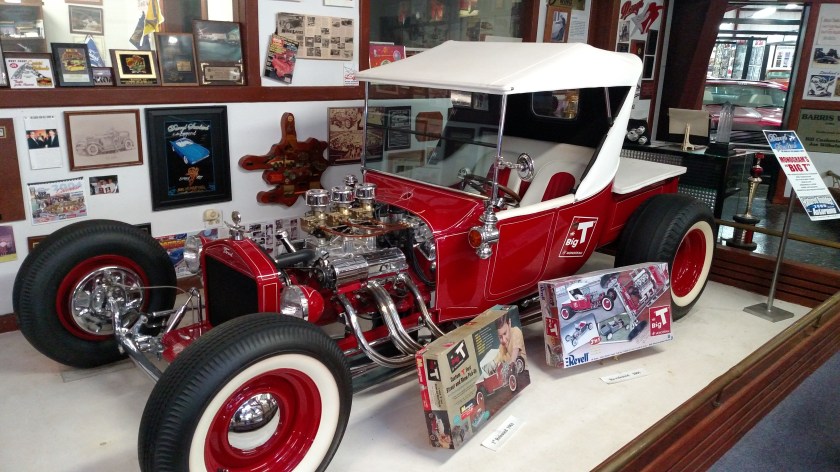
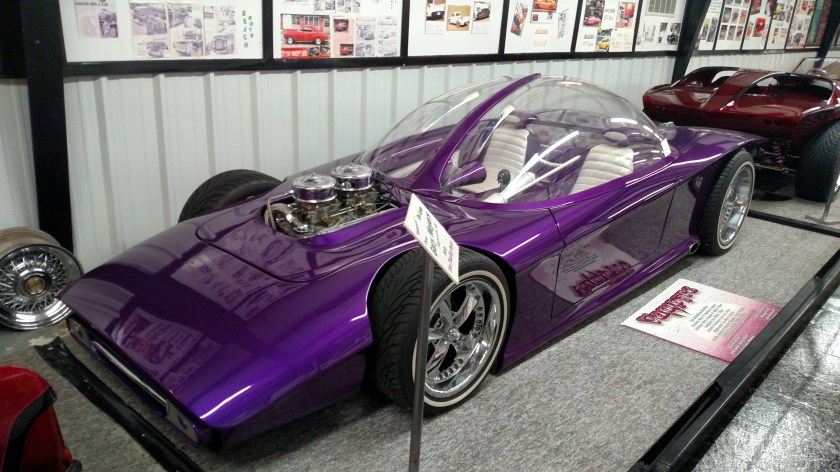
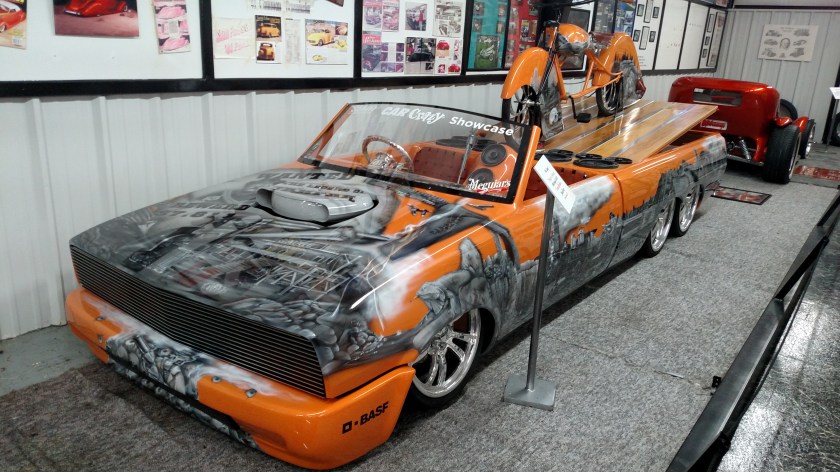
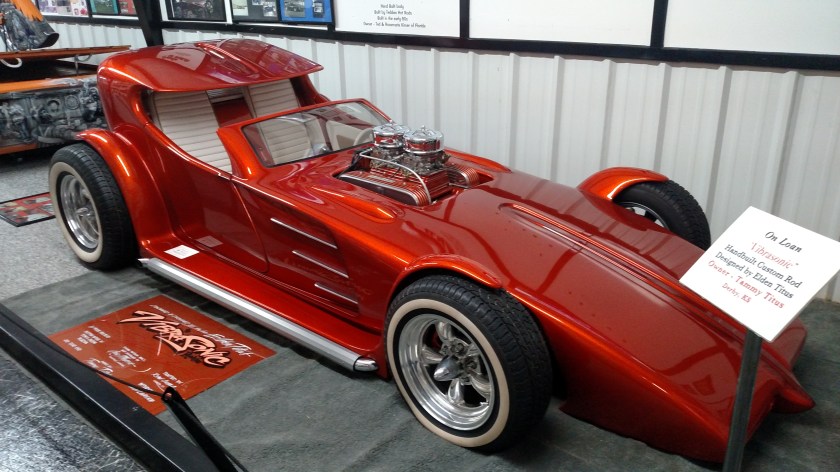
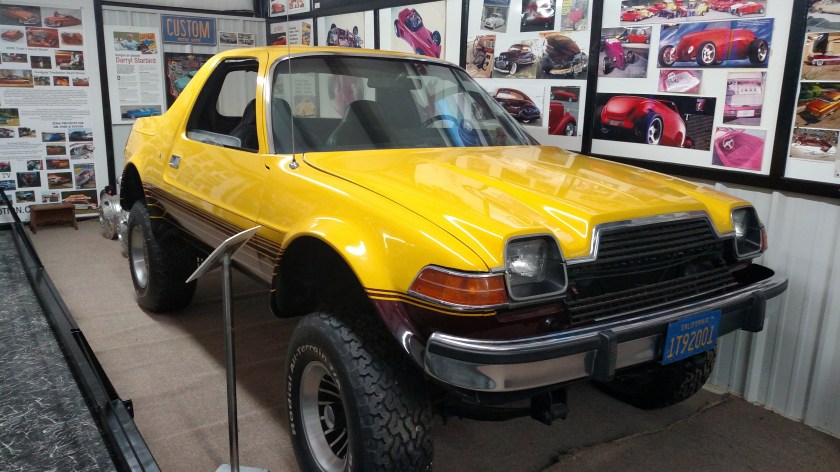
After visiting Walmart headquarters in Bentonville, Arkansas in May of 2017 I took a nice scenic road over to northeast Oklahoma (not very far away) and the little town of Afton.  There I found a Custom Car Museum and Hall of Fame out in the country next to the home of Darryl Starbird.  Now 85 years old, Mr. Starbird was one of the most popular custom car designers of his time.  As you can see in the photos below his works vary from classic hot rods to futuristic designs and variations on regular car and truck designs.

IMG_20170508_123849406

IMG_20170508_123905231

IMG_20170508_124020375

IMG_20170508_124037037

IMG_20170508_124158468

IMG_20170508_124259330

IMG_20170508_124804184

IMG_20170508_124945918

IMG_20170508_125628595

If you like what you see you can find lots more photos online.  This only a small portion of the photos I took while going through the museum.  Most of these are his work, although this was also a Hall of Fame so there may be works of other people.

The Dreaded Interstate

Forgive me for jumping around so much but for the past few weeks I’ve been thinking about what I was going to post when I finally resumed and this is one of the random things I wanted to include.

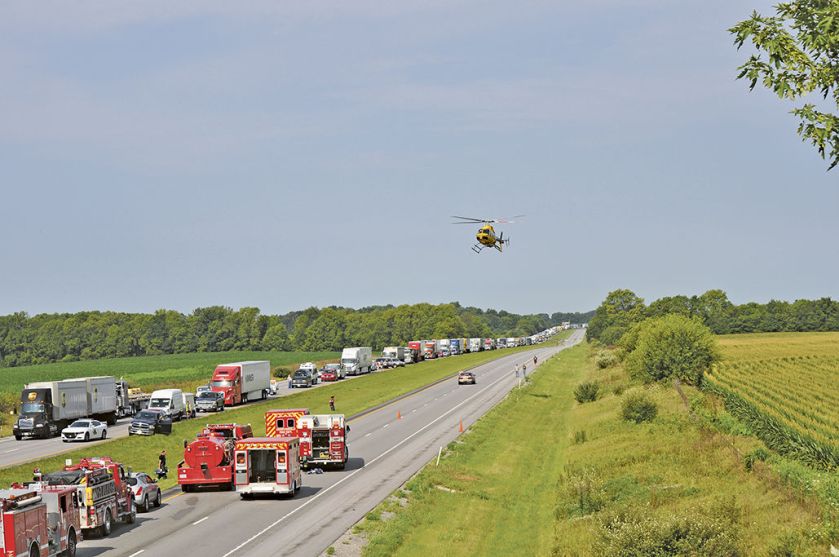
A recent crash outside of Denver, Colorado which got national attention brought back vivid memories of something which happened to me (well, next to me) on August 3, 2016.  This is the reason I now refer to interstate highways as “the dreaded interstate” and drive more defensively when I do have to be on them.

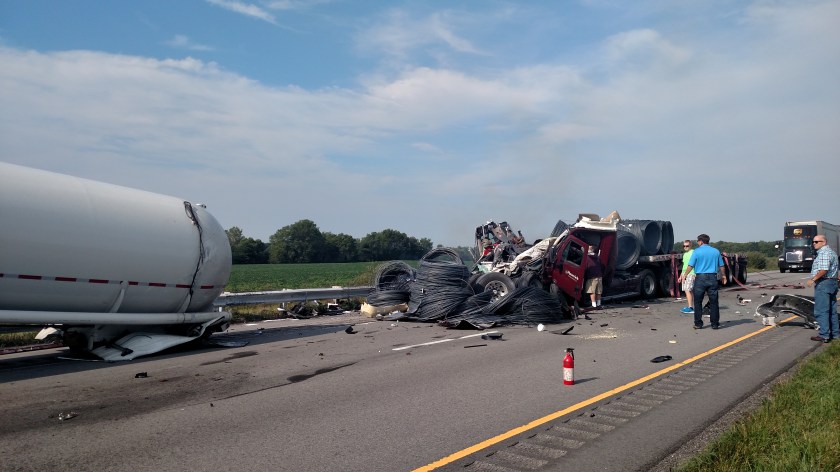
On that date in 2016 I was driving east on I-74 near Crawfordsville, Indiana, heading home from a trip through Kentucky, Indiana and Illinois.  It was a beautiful sunny morning and the road was clear and dry.  I had my cruise control set on the speed limit (honest – these days I’m usually not in a hurry and like to enjoy the scenery) and had to disengage my cruise control while waiting for a semi-truck towing a flat trailer to complete passing a UPS tandem rig ahead of me.  Once the left lane was clear I put cruise control back on and proceeded past both of those vehicles at which point I noticed that traffic was stopped a short distance further up the highway.  I put my 4-way flashers on, disengaged cruise control and slowly advanced to where traffic was now completely stopped.  Because there were mainly trucks in the right lane I stayed in the left lane and stopped next to the last vehicle which was stopped in the right lane.

I looked in the mirror and noticed the brown truck which had been passing the UPS truck barreling up the right lane at what appeared to be full speed.  I quickly thought back to recall if perhaps there was an exit where we were stopped (doubtful, since I probably would have taken it).  I looked in the mirror again and didn’t even finish the thought “that guy’s not going to…..” and BAM – he plowed into the truck next to me at full speed (probably 70 mph).

Here are photos of what both trucks would have looked like before the crash (these are NOT the actual trucks but photos I found online):

The brown truck (Maverick Trucking, LLC):

MaverickTruckBefore

(Photo credit: Jason Miller Collection)

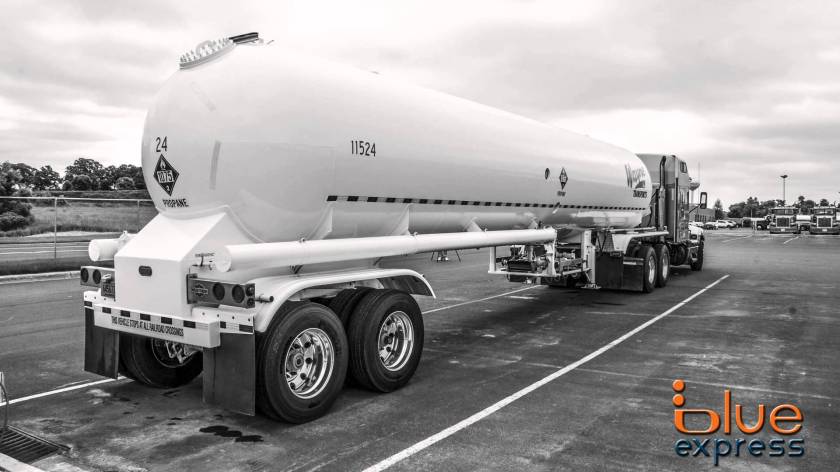
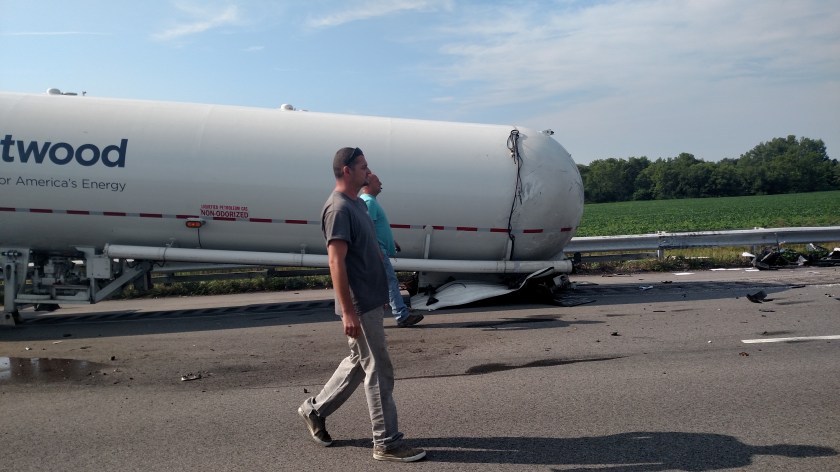
The white truck (which I learned after the incident was a propane tanker – yikes!):

WhiteTruckBefore

(Photo credit: Unknown.  I found this picture shortly after I got home in 2016 and now can’t find it online)

The reason traffic was stopped was that there had been another accident a short distance ahead.  I got out of my car and started calling 9-1-1.  I was prepared to tell the 911 operator that the driver was probably dead but the next thing I heard was “Help! I need a knife, I need a knife”.

When a State Trooper arrived on the scene (very quickly, as they were just up the road) he advised those of us in the left lane to pull our cars ahead in the grassy median since the vehicle which had been struck was, indeed, a propane tanker.  I had already turned a little left when the white truck started to jackknife after hitting the truck which was stopped in front of it.

After I moved my car I took these photos:

IMG_20160803_090045510

IMG_20160803_090058435

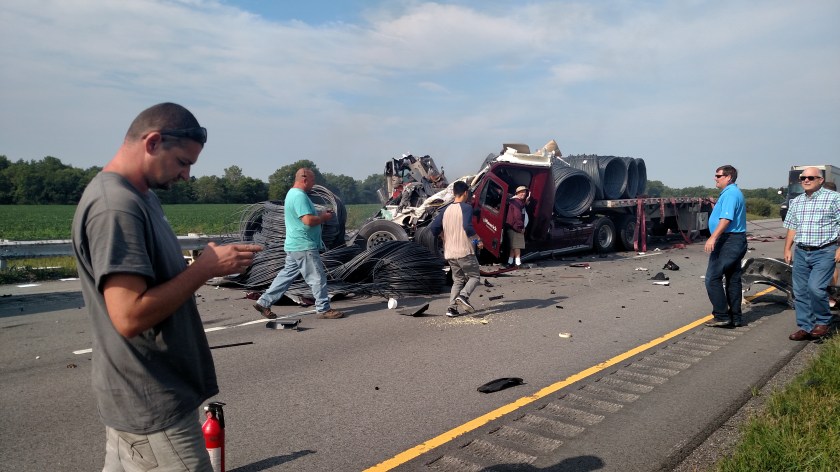
In the photo above you can see the rear wheels of the white truck impaled in the front of the brown truck which stopped immediately on impact.  At impact my car had been in the left lane, between the fire extinguisher and the man in the blue shirt.  The brown truck had been hauling huge spools of wire (like guy wires for radio or TV antennas) and you can see that much of the load went forward right through the truck cab, splitting it as if you had been standing on the trailer and split it with an ax like cutting firewood. I still can’t believe the driver survived!

IMG_20160803_090106090

IMG_20160803_090111376

The guy in the hat standing next to the cab was consoling the driver, who was still stuck in the cab, until emergency personnel arrived.

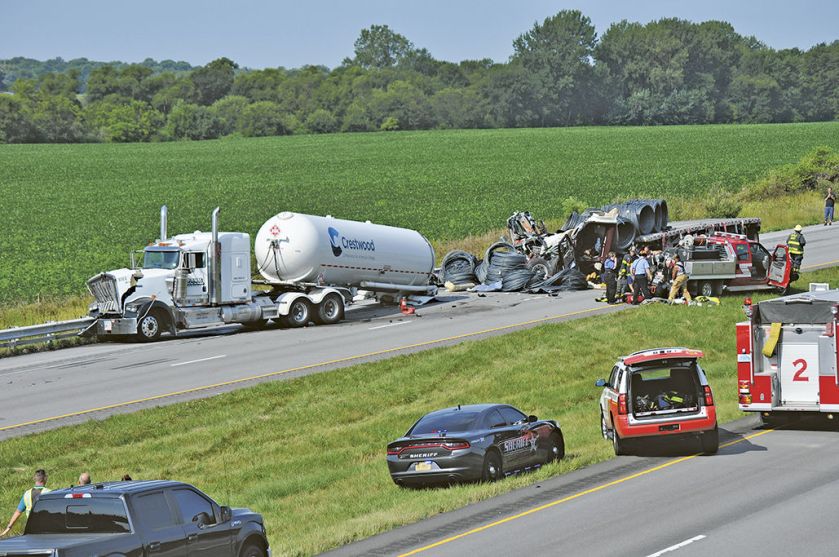
Here are photos taken by a local newspaper which I later found online:

(Photo credit: Journal Review, Crawfordsville, Indiana)

JournalReview

JournalReview2

They loaded the driver into a helicopter to fly him to Indianapolis.

JournalReview3

In the photo above you can see the UPS tandem truck at the front of the line of traffic in the right lane.  Fortunately he had enough sense to slow down when he saw my 4-ways on (and perhaps heard on his radio that traffic was stopped).  Through news reports I learned the name of the driver of the brown truck but never heard what they think caused him to behave the way he did.  I figure he either fell asleep, though this was at 9 am, wasn’t paying attention, or had a medical emergency.  I read later that the highway was closed for 10 hours.

I stuck around long enough to leave a report with the troopers, and called one of the accident investigators a day or two later to tell him two things I hadn’t thought to write down – that I never heard a horn and never saw brake smoke.  Evidently the driver made no effort to stop or signal the impending impact, and didn’t “ditch it” into the guard rail to even try and reduce his speed.

Thank God he didn’t move to the left lane or I’d be a goner for sure….

I now leave a cushion between me and the vehicle in front of me when stopping on the road (even a single lane road) in case I need to take evasive action, and unbuckle my seat belt.  If he had changed lanes at the last second I wouldn’t have even had time to get out of my car.

I pay much closer attention to what’s going on behind me when I see we need to slow down or stop.  And my blood pressure and adrenaline levels both increase slightly every time I see a Maverick Trucking vehicle on the road (and there are lots of them – nice, clean identical chocolate brown cabs).

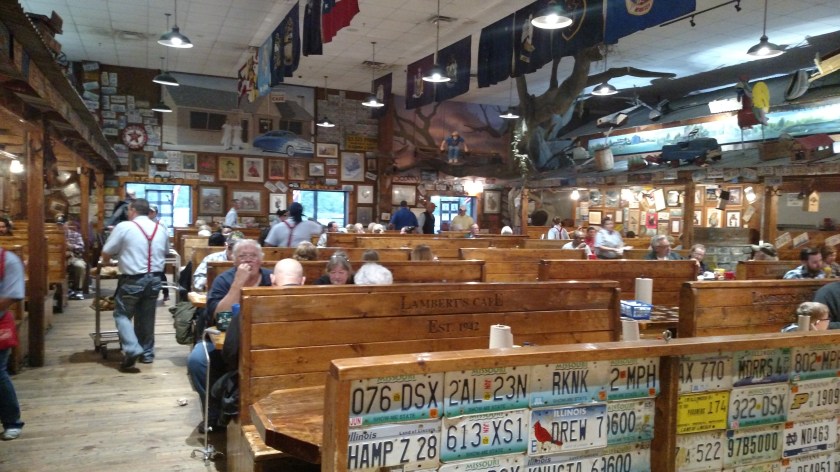
Lambert’s Café, Sikeston, Missouri

I almost forgot – on my way to Branson I had lunch at the original Lambert’s Café in Sikeston, Missouri.  Thanks to Gloria, a friend of mine in Durham, who told me about Lambert’s reputation for “throwed rolls”.

IMG_20170504_133411813

Sure enough, there are staff members who wheel a cart containing freshly baked dinner rolls (5 inches in diameter) hot out of the oven and literally throw them across the room to customers!  You need to establish eye contact and indicate you are a willing participant (evidently there have been incidents of unsuspecting customers getting bonked on the head by flying rolls).

According to their website (throwedrolls.com, of course) they bake rolls non-stop from 9 am until 9 pm, average 520 dozen per day (that’s over 2 million a year, folks), and use over 23,000 44 oz. cans of sorghum molasses.

Oh my, were they yummy!!

And I successfully caught both of them…

And you should see their cinnamon rolls – almost as big around as my head (and some days I’m told I have a pretty big head…)