McNay Art Museum – Post 2 of 2

May 20, 2017

Day four of my week in south-central Texas meant a trip back down to San Antonio.  It was threatening to rain (though it never did…) and I try to limit indoor activities to days that are rainy or too hot.  I visited the McNay Art Museum in San Antonio and enjoyed it very much.

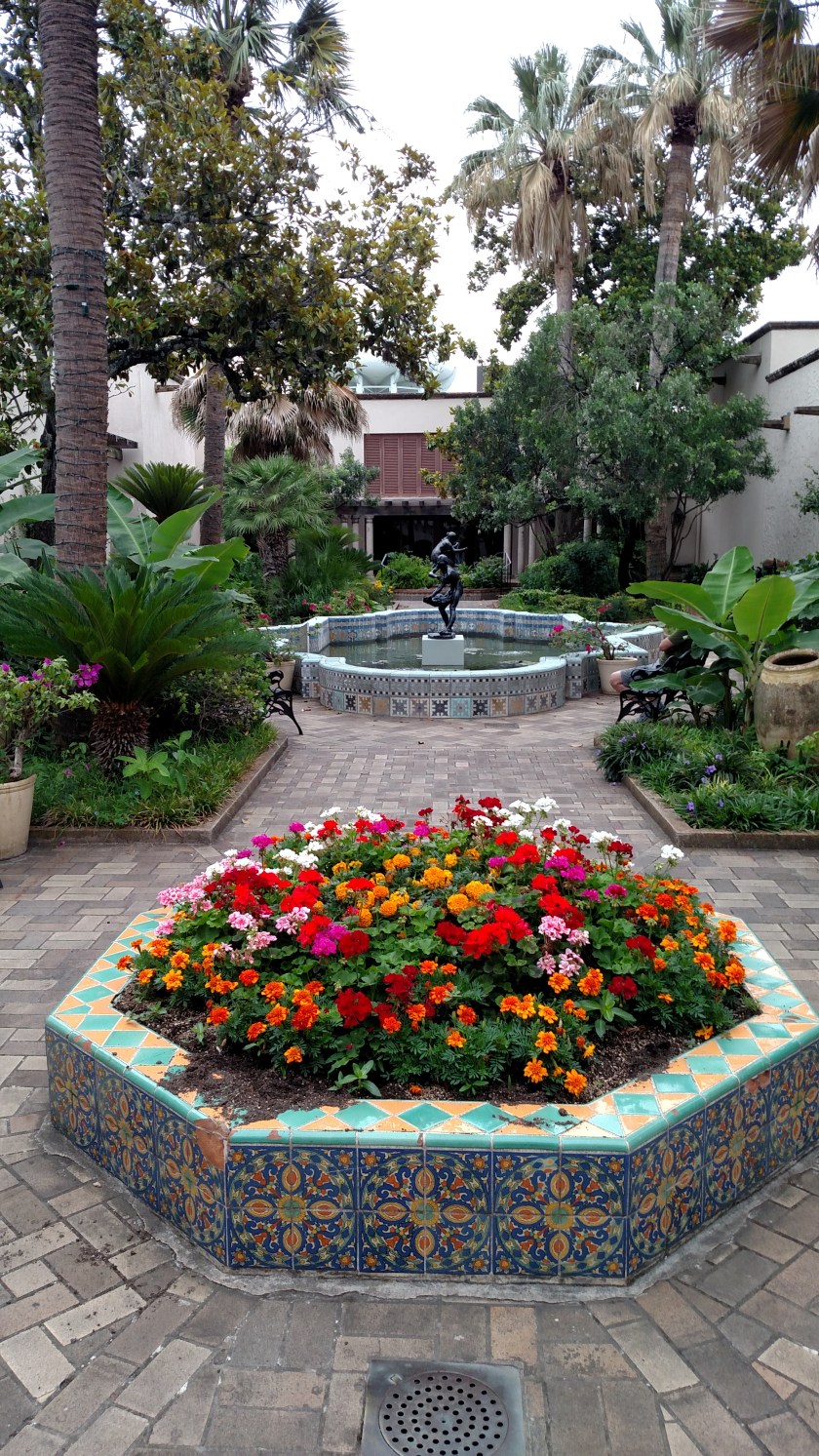
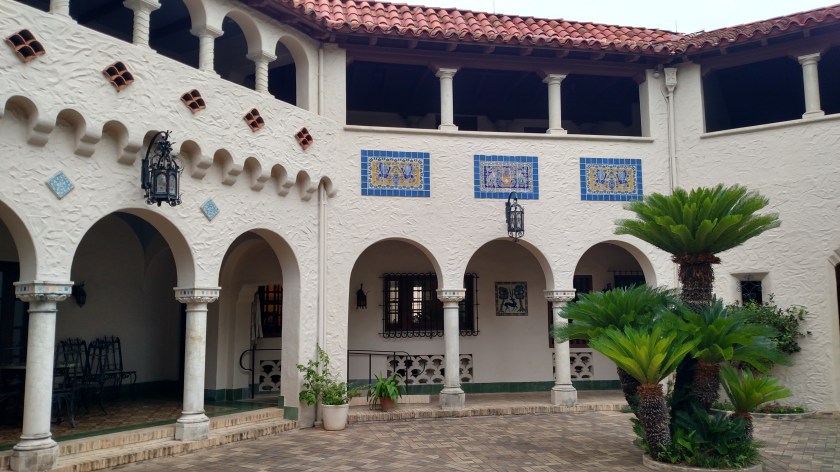
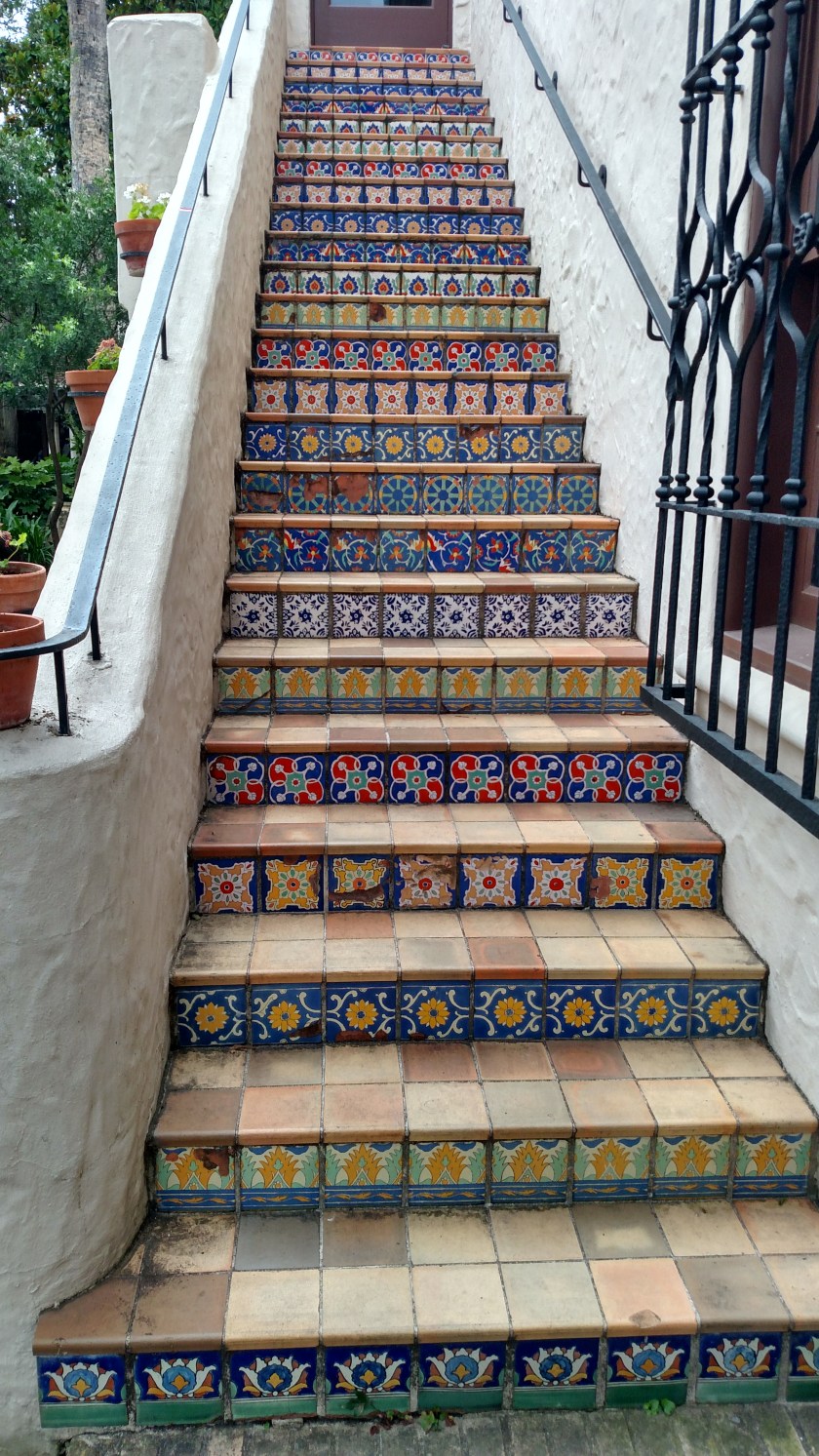
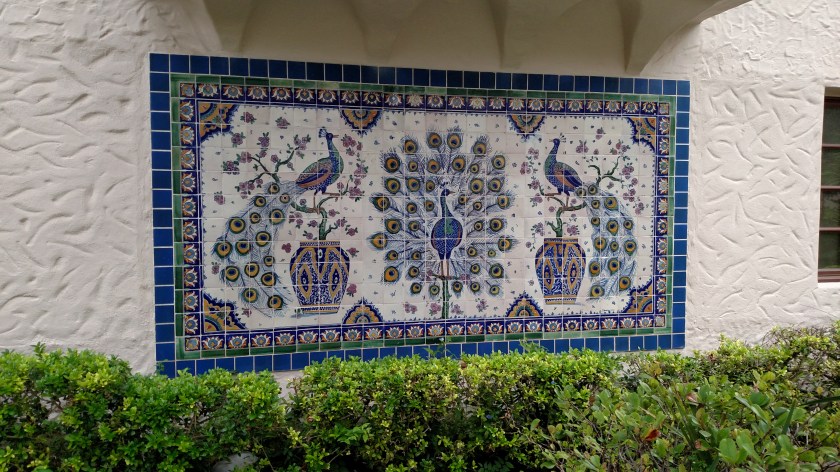
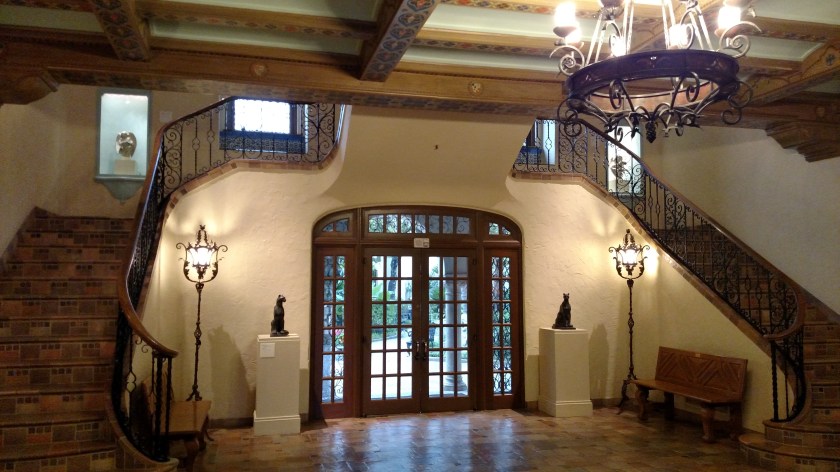
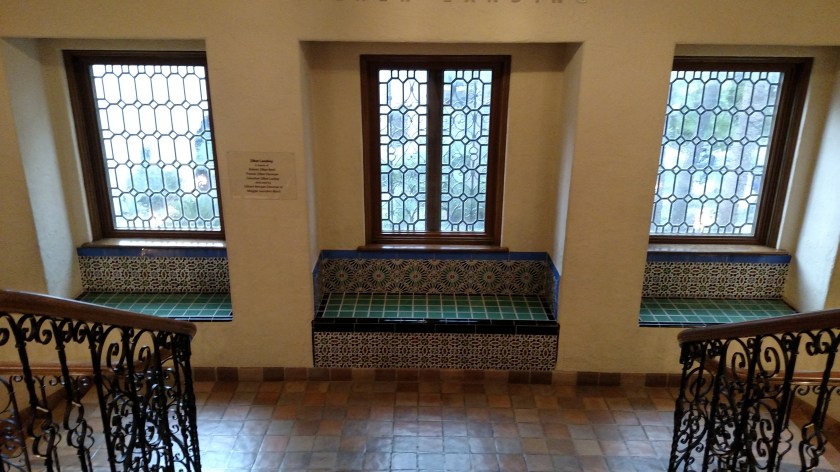
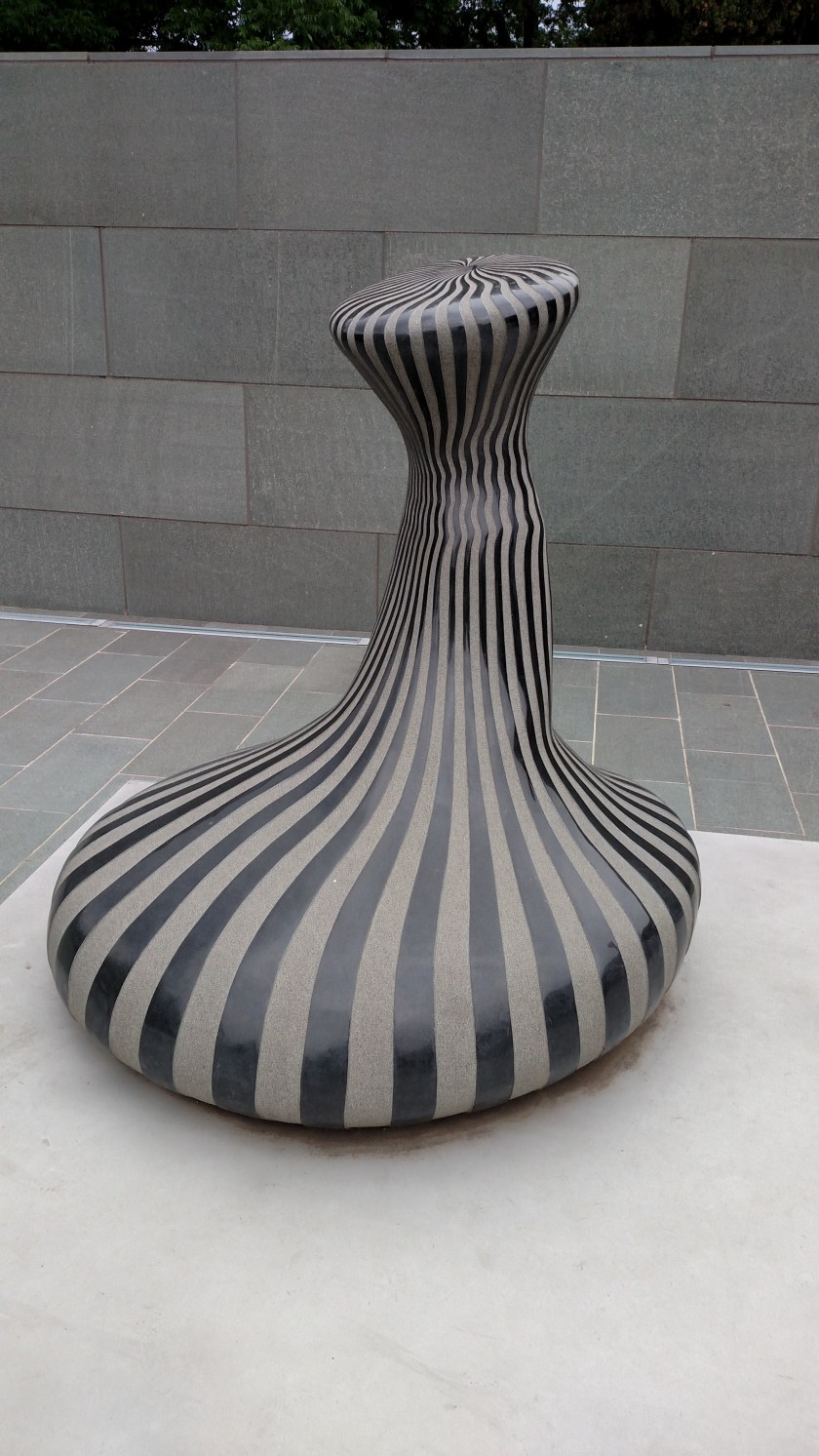
Looking through my pictures it appears that, while the museum had some outstanding works of art on display, I was rather taken by the architecture style and tile work of the building and grounds themselves.

IMG_20170520_105307803

IMG_20170520_105348041_HDR

IMG_20170520_105425491_HDR

IMG_20170520_105527114

IMG_20170520_105611878_HDR

IMG_20170520_105717372_HDR

IMG_20170520_110005447

IMG_20170520_112747445

IMG_20170520_112758271

IMG_20170520_113632122

IMG_20170520_115521639

My notes say I also visited the San Antonio Museum of Art and I remember being at that building but for the life of me can’t find any pictures!  Perhaps I just wasn’t inspired by anything I saw, though I can usually admire just about anyone’s effort to create something from nothing.  If I find any photos I’ll post them in the future.

I spent the remainder of the afternoon at a restaurant a friend recommended (excellent and substantial hamburger!) and driving around New Braunfels before going back to Buda for the night.  I had a busy schedule for the next day and wanted to be fully rested.


LBJ Ranch (the Texas White House)

May 19, 2017

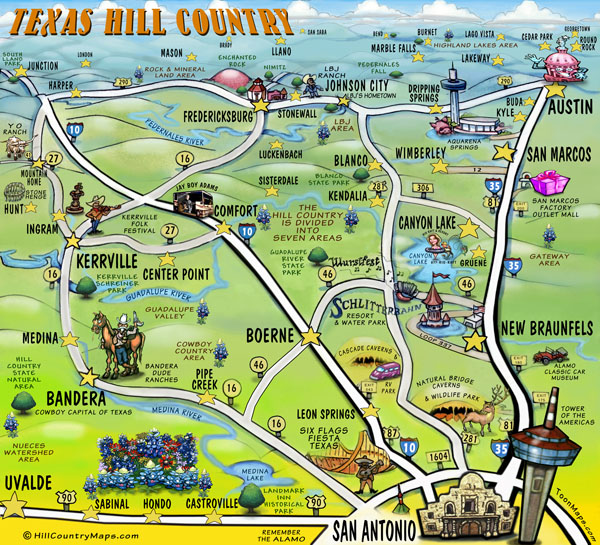
The third day of my week in south-central Texas I took a break from the cities and drove west into the “Hill Country” on a number of what I call my primary scenic roads (the foundation for my trips).  I drove on many of the roads shown on the map below and it took a good portion of the day, but was very enjoyable.

HILLMAP

(Photo credit: HillCountryMaps.com)

This took me past the LBJ Ranch, about 50 miles west of Austin, the home and favorite place-to-escape-to from the White House for President Lyndon Baines Johnson, so much so that it became known as the Texas White House.  Unlike Mar-a-Lago, lots of work actually got done here…

IMG_20170519_135212803_HDR

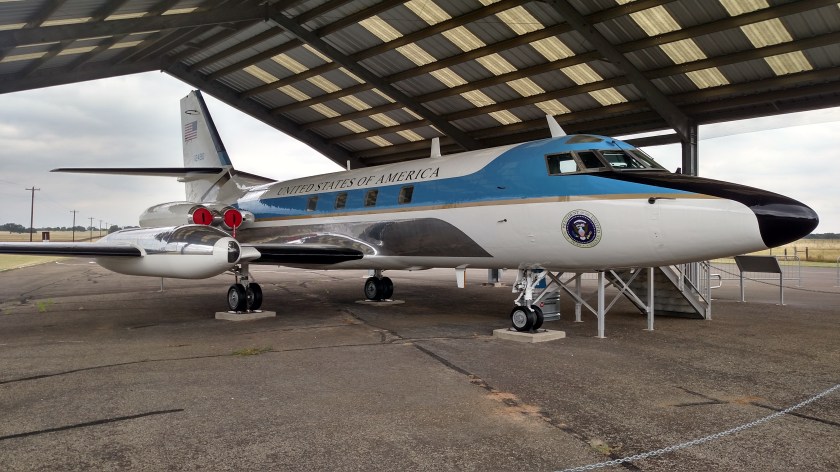
The first thing visitors see after parking their cars is an aircraft which often carried LBJ to the ranch.  The jet the president flies on is now called Air Force One.  At the time he was president Air Force One was a Boeing 707, too big to land at the ranch.  This is the plane which visitors to the ranch see upon arrival:

IMG_20170519_133450060_HDR

A 12-passenger Lockheed JetStar VC-140.  President Johnson jokingly referred to this plane as “Air Force One-Half”.  The president would fly to either Austin or San Antonio on the 707, then finish the journey on this small jet – considered safer and more efficient than a motorcade.

IMG_20170519_123122146

IMG_20170519_123150220

One thing blog readers may not know is that the Air Force One designation wasn’t used until 1953 when a Lockheed Constellation named “Columbine II” carrying President Dwight D. Eisenhower entered the same airspace as a commercial aircraft using the same flight number, creating confusion for air traffic controllers.  To avoid a potential conflict in the future it was decided to change the call sign of any Air Force plane to Air Force One when the president is on board.

After admiring the aircraft I took a tour of the house (no inside photos allowed).  It is very modest but comfortable.

IMG_20170519_124532873_HDR

IMG_20170519_125921789

In the gift shop there was also a model of the house:

IMG_20170519_133144142

IMG_20170519_133158935_HDR

After the tour I visited some of the other displays on the property, including some of  President Johnson’s vehicles:

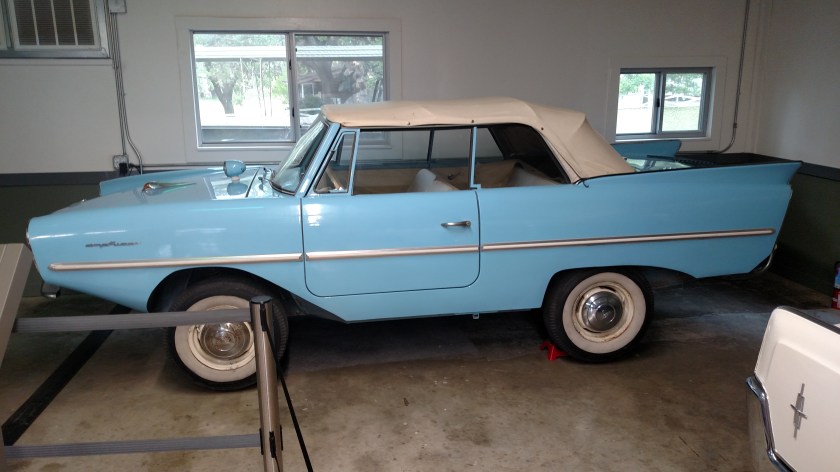
IMG_20170519_132623763

The car above is a 1962 Amphicar, capable of driving on land and floating on the water like a boat (there are propellers in the back!).  Evidently the President liked to drive unsuspecting guests to a local lake and then drive right out onto the lake…

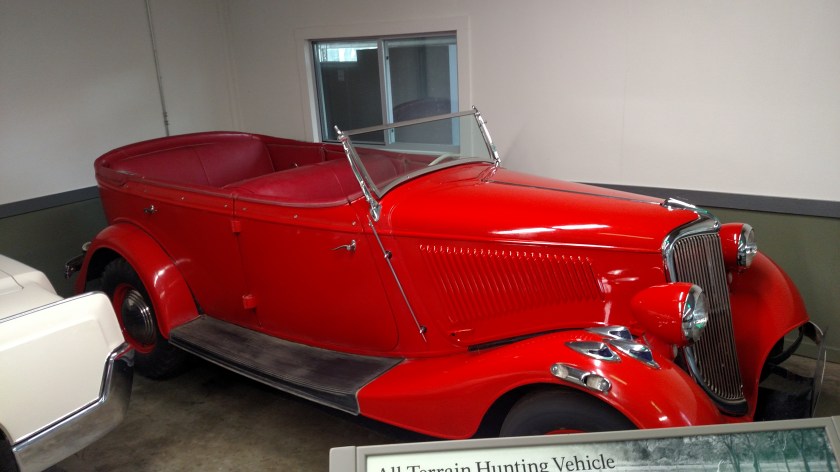
IMG_20170519_132640461

Another of the President’s favorites was his 1934 Ford Phaeton which he considered an all-terrain hunting vehicle:

IMG_20170519_132840352

IMG_20170519_132852613

Also in the gift shop were replicas of pillows President Johnson liked to keep in the house:

IMG_20170519_133042631

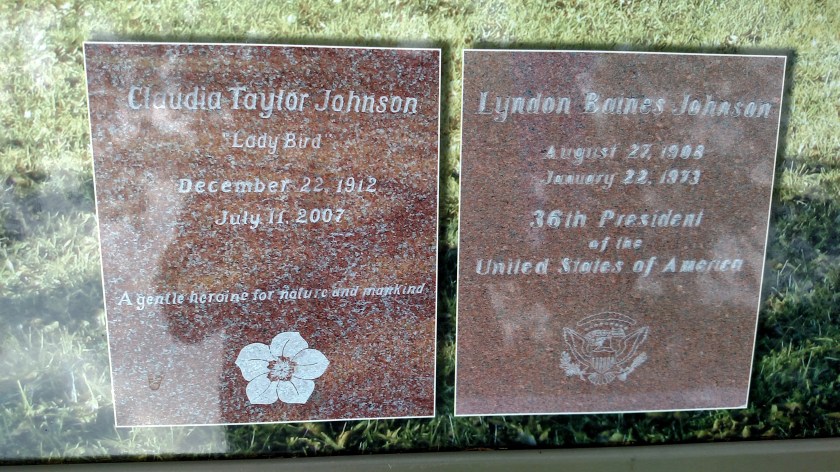
President Johnson and his wife, known as “Lady Bird,” are buried in a small family cemetery a short distance from the house:

IMG_20170519_134943291

Their headstones are in the center of the photograph above.

IMG_20170519_134927141

While researching the ranch for this post I learned that in 2018, the year after I was there, the National Park Service discontinued tours of the house due to “health and safety concerns” created by water leakage in the house.  It wasn’t me who left the faucet on upstairs, honest!…

After visiting the ranch I continued my drive on the scenic roads and made a brief stop in Luckenbach, Texas, site of a popular country music venue.  This trip was pre-blog and I didn’t take as many pictures as I would if I were making it today.


Austin, Texas (5/18/17)

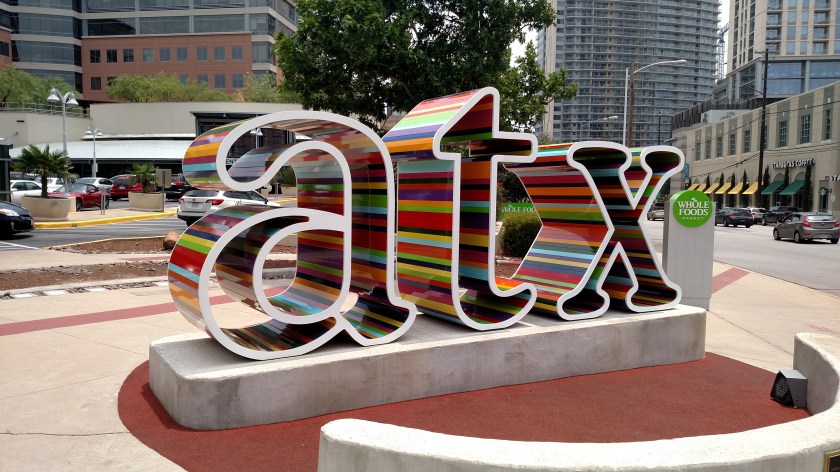
Or as it’s often known:

IMG_20170518_130308186

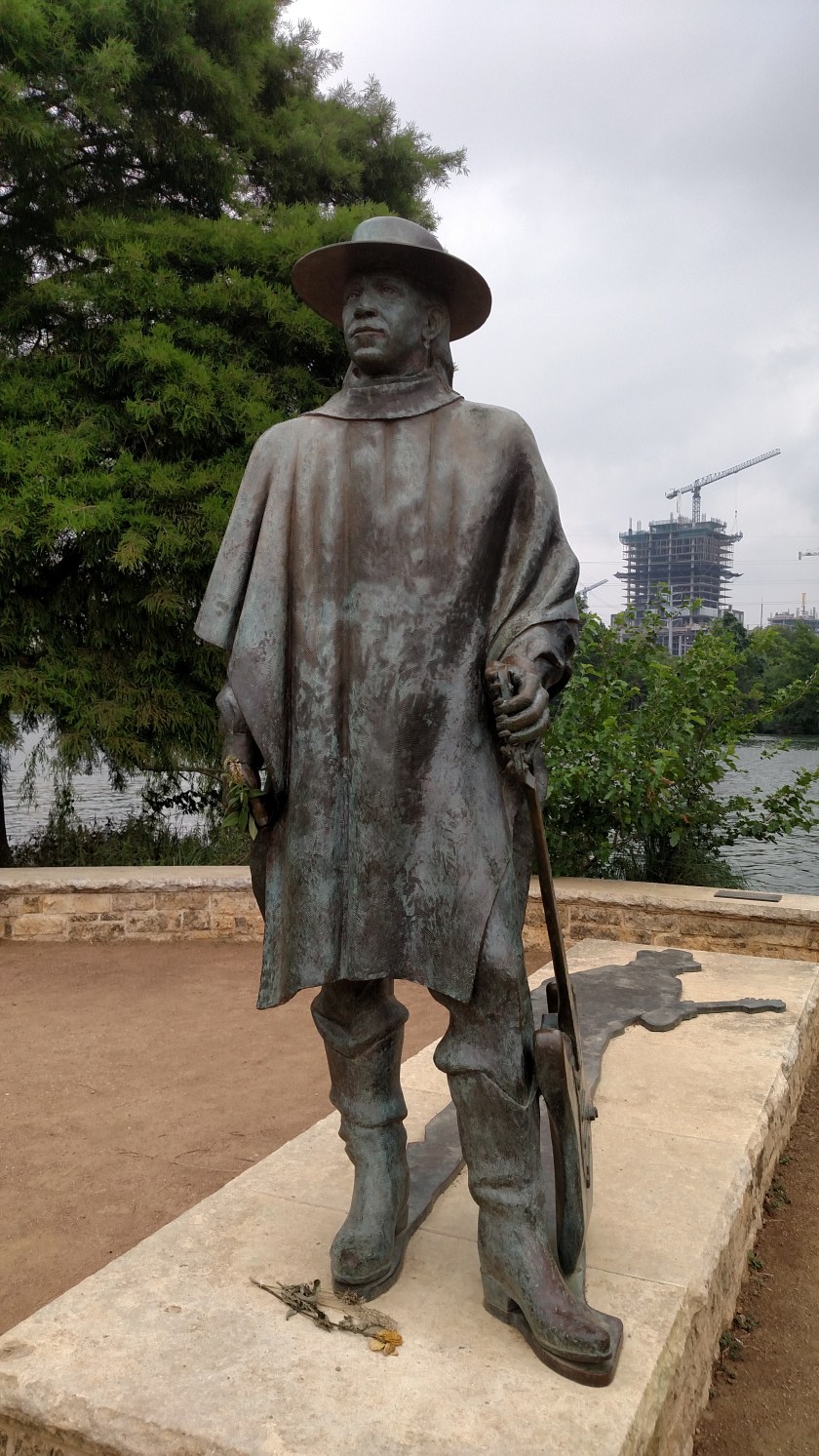
The second full day of my week in south-central Texas I headed north to Austin, only about 20 miles from where I was staying in Buda.  First stop – the Stevie Ray Vaughan statue downtown:

IMG_20170518_095557136

SRV, arguably the most talented blues guitarist of all time, died in a tragic helicopter crash in Wisconsin at the age of 35.  This statue is located on the south shore of Town Lake, across from downtown Austin.

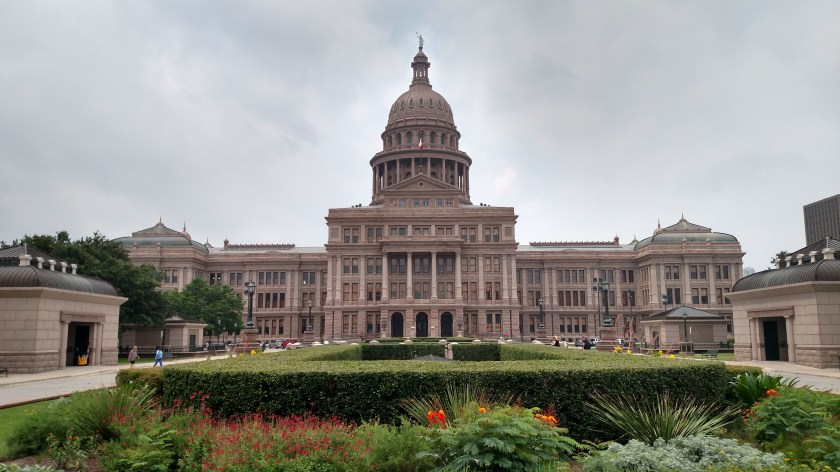
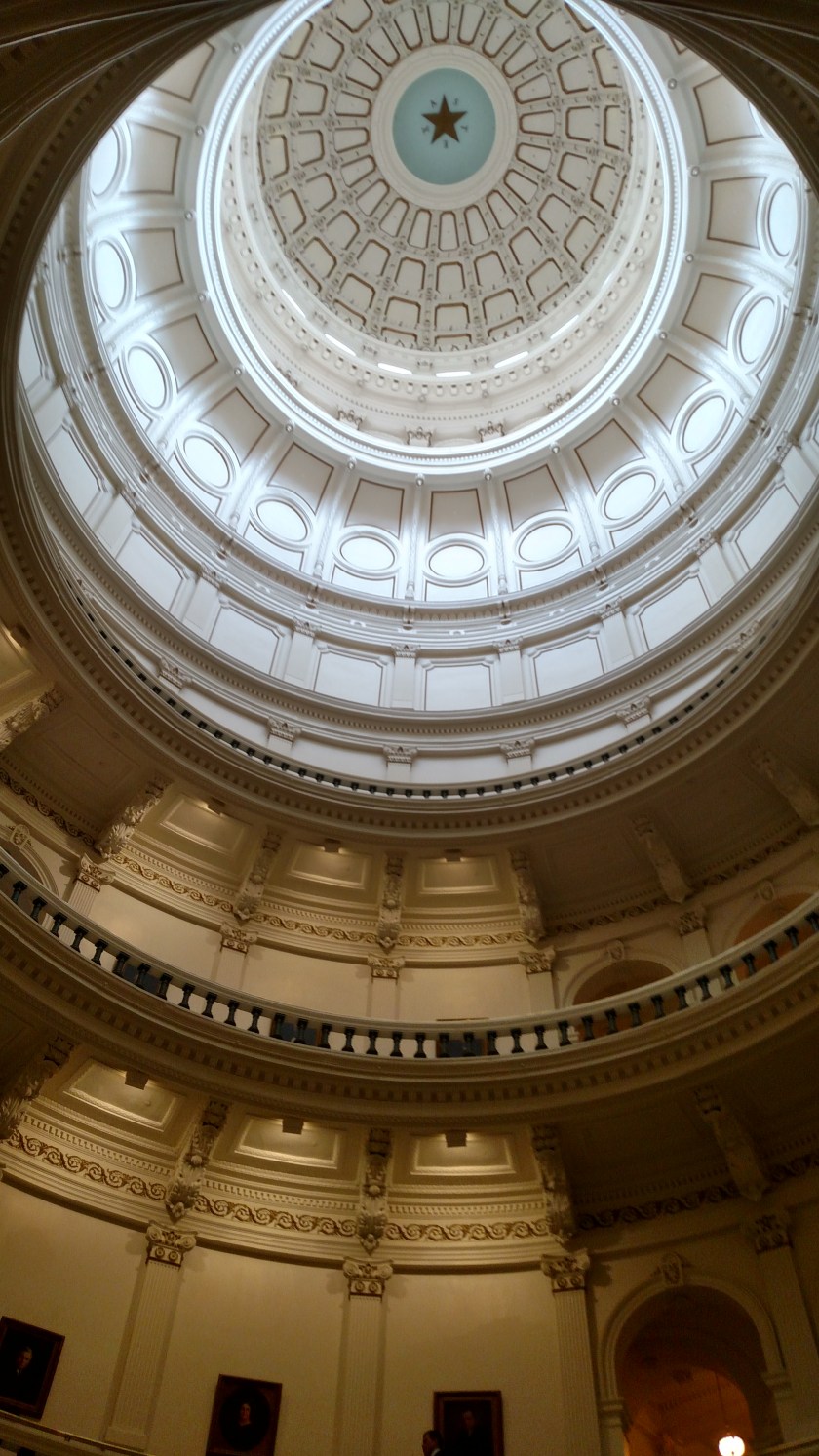
Next stop – the Capitol building (since Austin is the capital of Texas):

IMG_20170518_113345279_HDR

IMG_20170518_113515057

IMG_20170518_113923818_HDR

IMG_20170518_113943179_HDR

IMG_20170518_114616947_HDR

And for those of you who shop at Whole Foods, Austin is their headquarters and this is their main store:

IMG_20170518_130137830

And yes, that’s my brown Nissan Altima with “rock-star parking” right in front!

San Antonio, Texas (5/17/17)

My first full day in south-central Texas I headed for San Antonio, about 60 miles to the south of where I was staying in Buda.

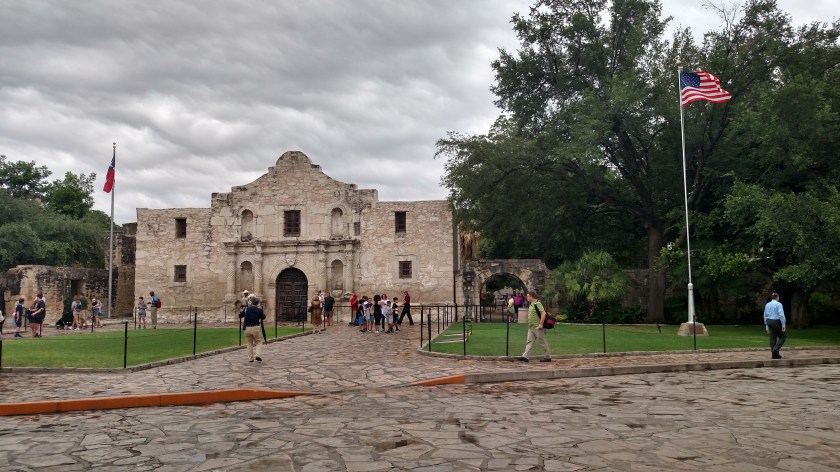
Of course the first thing everyone should see in San Antonio is The Alamo, actually the Alamo Mission as that’s really what it was – a Spanish mission founded by Roman Catholic missionaries.  Hard to tell from my photos but The Alamo is right in the heart of what is now downtown San Antonio, the city having been constructed around it.

IMG_20170517_120018629_HDR

IMG_20170517_120133190

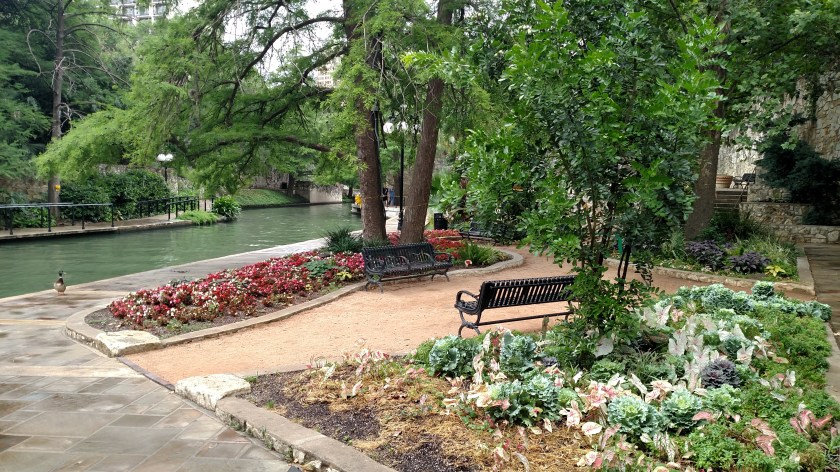
A really neat feature of San Antonio is Riverwalk, a river which runs for several blocks (5 miles, actually) downtown (and 10 miles outside the immediate downtown area) and affords many of the restaurants downtown an opportunity to offer outdoor dining at a level lower than surface streets.  Very nice!

IMG_20170517_103042187

There were boats (basically taxis) which ferry paying customers up and down Riverwalk:

IMG_20170517_103951715_HDR

This guy found a very friendly squirrel (or, the squirrel found a very friendly man):

IMG_20170517_105748786

IMG_20170517_110040192

IMG_20170517_110506690

IMG_20170517_110529993

IMG_20170517_110620950

IMG_20170517_110653801_HDR

IMG_20170517_112309518_HDR

And this is some other fancy artwork in the playground portion of a city park downtown:

IMG_20170517_131851020

IMG_20170517_131904379

IMG_20170517_131926562

IMG_20170517_131940671

Shiner, Texas

I’m not much of a beer drinker but I do enjoy an occasional “cold one”.  I don’t drink enough to be able to discern one brand from another and pretty much limit my opinion to “I like it” or “I don’t”.

Prior to my “Texas Loop” trip I had, on a few occasions, enjoyed a cold Shiner Bock and it is solidly on my “like” list.  I was therefore delighted to learn that, with a small route variation, I’d be able to visit and tour the K. Spoetzl Brewery in Shiner, Texas where Shiner Bock is made.

May 16, 2016

After spending 3 days and nights in Houston I set out to travel 2 hours and 45 minutes west to where I would ultimately stay in the little town of Buda.  My plan for the next 7 days was to visit Austin and San Antonio, which are about 80 miles apart in south-central Texas. I originally booked an Airbnb for the full week in San Marco which is almost exactly halfway between Austin and San Antonio so that I’d have the flexibility to go to either one based on weather or specific things I wanted to see. Unfortunately that reservation was cancelled prior to my arrival and I was forced to make other arrangements and stay in Buda instead (which is closer to Austin).  The original Airbnb host was very apologetic that he had to cancel the reservation for a reason beyond his control, which I fully understood.  I ended up staying with a very nice family in Buda so it all worked out just fine.

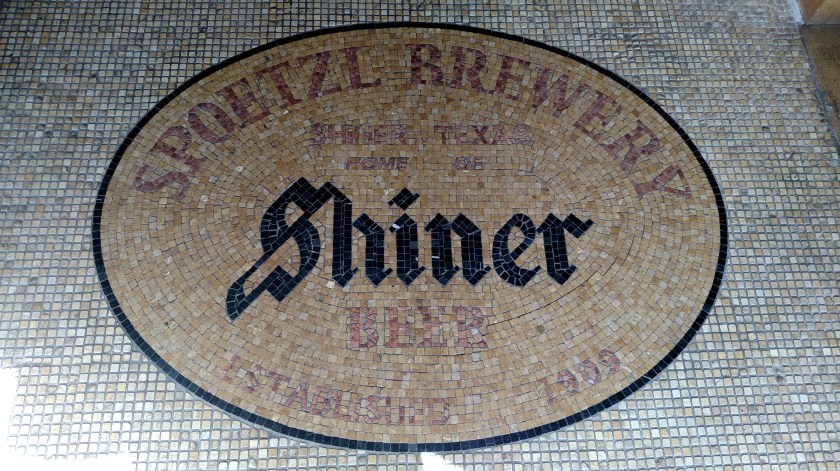
IMG_20170516_104336138

The brewery, named for founder Kosmos Spoetzl, a Bavarian immigrant, is the largest independent brewery in the state of Texas.

IMG_20170516_105234528

IMG_20170516_111236344_HDR

IMG_20170516_111246082

IMG_20170516_112207118

IMG_20170516_113321115

In addition to the free plant tour I enjoyed 3 of the 4 complimentary glasses (small, 4 oz. glasses) of various Shiner brands I was offered (I was obviously driving so I chose to pass on the 4th glass), and of course visited the gift shop where I purchased some Shiner swag.

I drove through the town of Shiner, a very nice little town, before heading northwest to Lockhart for lunch and on to Buda to get settled in for the week.

IMG_20170516_122742800_HDR

IMG_20170516_122913555_HDR

In Lockhart I had an amazing lunch at a highly recommended barbecue restaurant.  Most of those venues in Texas offer you a choice of brisket, ribs or spicy sausage and in all cases I chose one of each.  Believe me, Texans know how to make all three!

Johnson Space Center – Post 1 of 2

May 15, 2017

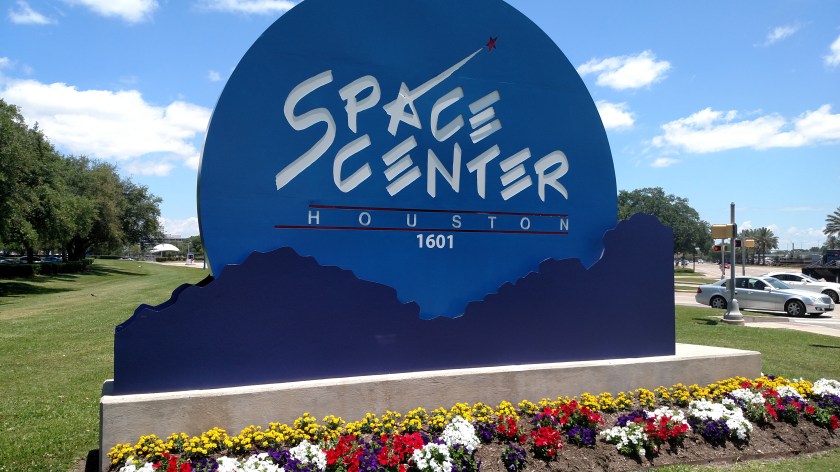
The main reason I stopped in Houston during my early 2017 “Texas Loop” was to visit NASA’s Johnson Space Center.  When manned missions were launched from the Kennedy Space Center in Florida, Mission Control there managed the events until the spacecraft cleared the launch tower.  The remainder of the flight was managed by Mission Control here at JSC.
IMG_20170515_125037417

IMG_20170515_095822549_HDR

The two jets in the photo above are like the ones which helped astronauts train for flying the Space Shuttle.  They were also “chase planes” which flew parallel to the Shuttle on many flights once they got down towards the Earth’s surface and especially when they landed after a mission to shoot video and take still photos to help NASA engineers monitor flight characteristics.


IMG_20170515_112307482

Although we couldn’t go in it, the building above houses Mission Control at JSC and has been named for Christopher Columbus Kraft, Jr. who helped establish the overall Mission Control concept, was Flight Director for many of the manned missions, was eventually named Head of Mission Operations and ultimately became the Director of JSC.  He was still living when I made this post earlier this year but passed away July 22, 2019 at age 95.

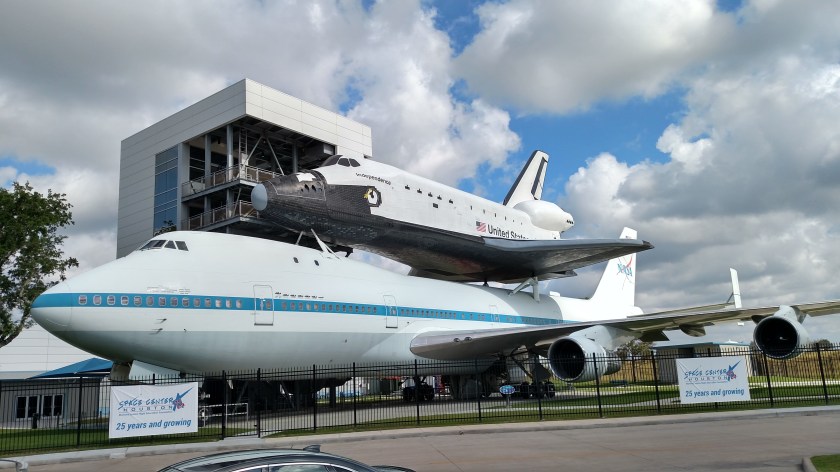
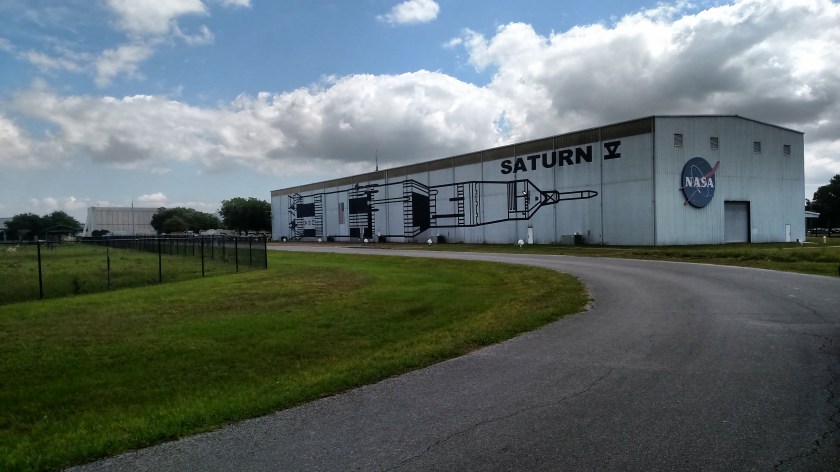
Frankly I wasn’t nearly as impressed with the Visitor Center at JSC as I have been with other NASA facilities I have been to.  Perhaps the most interesting thing, other than the Saturn V rocket (see next post), was what greets visitors after they have parked their cars and are walking towards the Visitor Center:

IMG_20170515_095029799_HDR

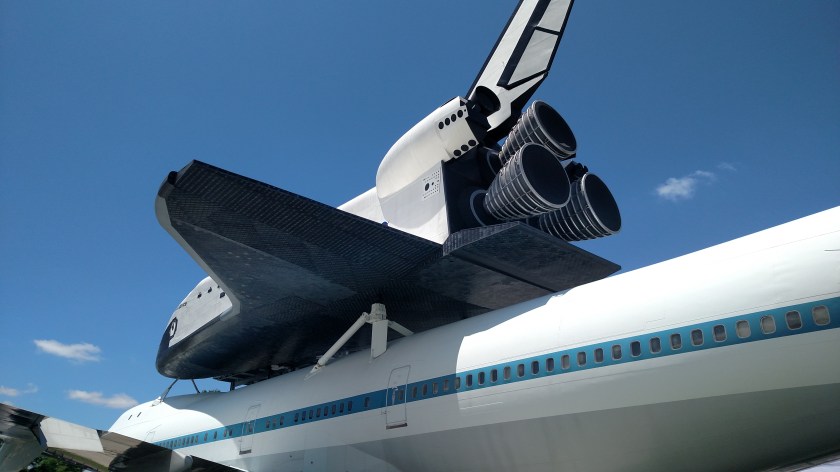
This is the actual Shuttle Carrier Aircraft (SCA), tail designation N905NA, which is one of two specially modified 747 jets which could carry the Shuttle “piggyback” on top of the plane (the second 747 has tail designation N911NA).  This was necessary for early test flights where the jet would carry the Shuttle up to high altitude where the two vehicles would separate and the Shuttle would glide back to Earth.  When the Shuttle actually flew in space there were many times when it would land at Edwards Air Force base in California (early flights in particular – a much larger runway located in a remote area, for added safety, and when proven stable if bad weather prohibited landing at Kennedy Space Center where it was attached to the booster rockets and launched).  On all those occasions one of the 747’s would return the Shuttle to Florida.  At the end of the Shuttle program the 747’s flew their final missions, taking the Shuttles to airports near the various museums around the country where they are now on display.

After it’s last Shuttle ferrying flight the second 747, N911NA, was flown from Edwards Air Force base to an Air Force facility in Palmdale, California and is being cannibalized to keep another NASA aircraft in service.

The airplane above is real but the Shuttle on top is a model.  Visitors could go inside both.

IMG_20170515_095138103_HDR

IMG_20170515_122441009

IMG_20170515_123733783

IMG_20170515_123810614

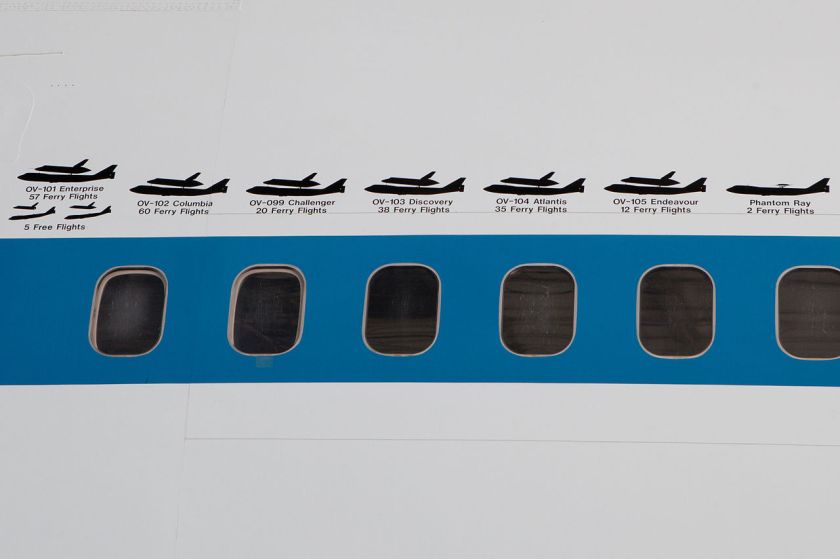
I hadn’t noticed it at the time but in researching the aircraft for this post I found this photo of a silhouette near the front of the plane showing how many times it carried various Shuttles:

Shuttle_Carrier_Aircraft_-_Silhouettes

(Photo credit: None – Public Domain!)

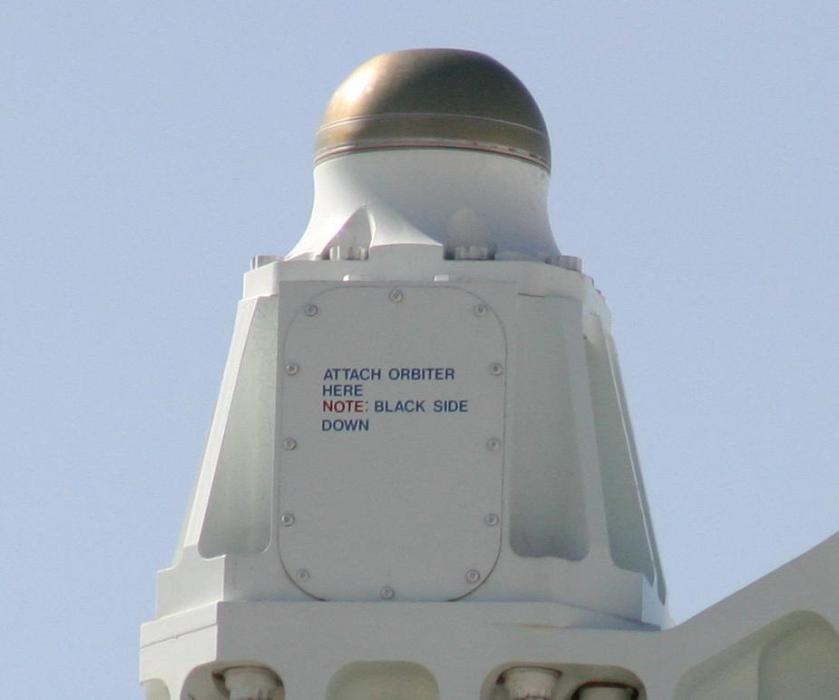
I also found this photo of the Orbiter Mount which is where the Shuttle is attached to the airplane.  You can’t see it in the photos I posted but please note the humorous comment someone painted on it:

Shuttle_mounting_point

(Photo credit: Rob Elliott)

———————–

Where are the Space Shuttles now?

Atlantis is at the Kennedy Space Center in Florida

Discovery is at the Udvar-Hazy Center (part of the Smithsonian Institution) adjacent to Dulles airport outside Washington DC

Endeavour is at the California Science Center in Los Angeles

Enterprise (which never went into space but was released for 5 “glider flights” from the 747 shown above) is now on the deck of the Intrepid Sea-Air-Space Museum (a former US Navy aircraft carrier) in New York City.  It had previously been on display at the Udvar-Hazy Center outside Washington DC.

———————-

Challenger was destroyed over the Atlantic Ocean shortly after launch

Columbia was destroyed (over Texas and Louisiana) during re-entry at the end of it’s mission on it’s way to Kennedy Space Center in Florida


Johnson Space Center – Post 2 of 2

The main reason I stopped in Houston during my early 2017 “Texas Loop” was to visit NASA’s Johnson Space Center.  When manned missions were launched from the Kennedy Space Center in Florida, Mission Control there managed the events until the spacecraft achieved orbit around the Earth.  The remainder of the flight was managed by Mission Control here at JSC.

One of the more impressive items on display was a full-size Saturn V rocket.  The Saturn V (5), designed by Wernher von Braun and Arthur Rudolph, launched all of the Apollo moon missions as well as Skylab, the first American space station.

IMG_20170515_111035343

IMG_20170515_101141525_HDR

Above is a photo of the first stage.  Below are the 5 F-1 engines capable of producing over 1.5 million pounds of thrust (each!) for a total of 7.5 million pounds.  To this day they are still the most powerful liquid-propellent rocket engines ever built.

IMG_20170515_101151462_HDR

I will be telling a story about these engines when I post photos from my visit to the NASA facility in Alabama where these were tested.

Here is the second stage, with 5 smaller engines:

IMG_20170515_101253214_HDR

And finally, the third stage with just one engine. This engine was initially fired to get the vehicle to full orbit around the Earth.  By the time this stage kicked in the vehicle had gained considerable altitude, was traveling at very considerable speed and required much less energy to achieve orbit. This engine was later fired a second time to remove the vehicle from Earth orbit and send it on it’s way to the moon.

IMG_20170515_101330761_HDR

On top of the third stage was a cone-shaped section which contained the lunar lander.

IMG_20170515_101350399_HDR

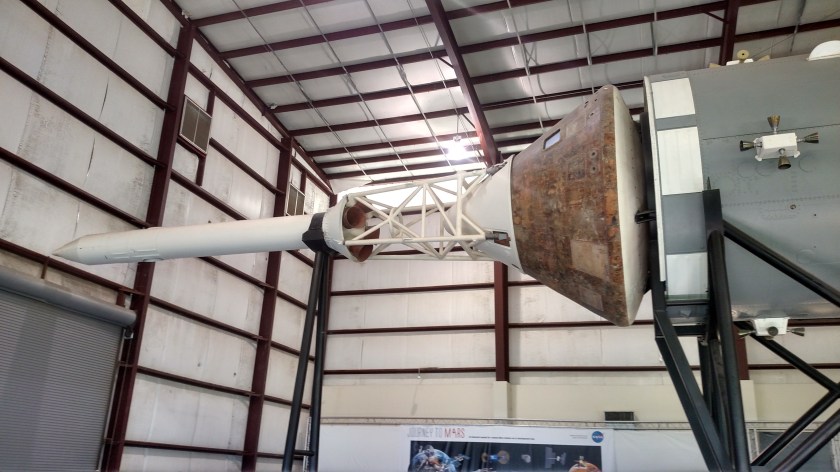
Finally, a can-shaped service module (gray in this photo) which contained fuel and other equipment to get the spacecraft back to Earth and the command module (brown in this photo) which the astronauts rode in.  At initial launch there was an emergency thruster (escape module, white in this photo) attached to the top of the command module in case it needed to be jettisoned for safety in the event of a launch failure.  The command module itself only had tiny “thrusters” to maneuver it in space and they wouldn’t have had nearly enough energy to get the command module away from the rocket at launch.

IMG_20170515_101419230_HDR

Here is look back down from the “top”

IMG_20170515_101440960_HDR

There are only three full-size Saturn V displays in the world.  This is the only one made completely of flight-certified hardware.  The other two displays contain a mix of flight hardware, mockups and test components.

Roadside Art in Houston

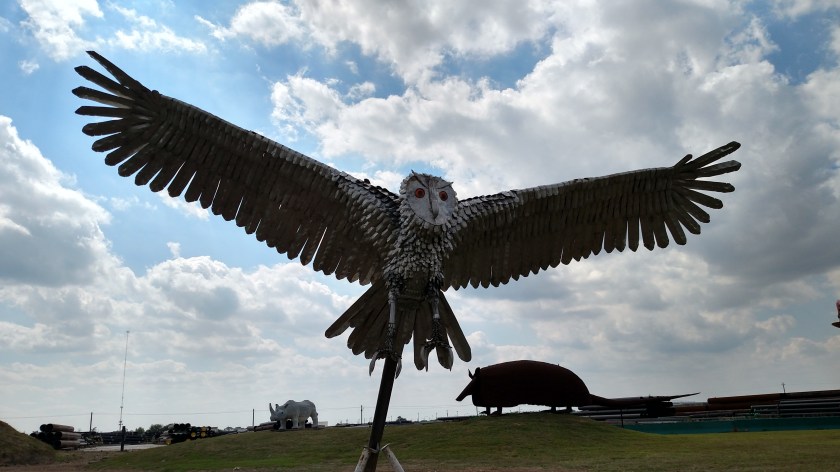
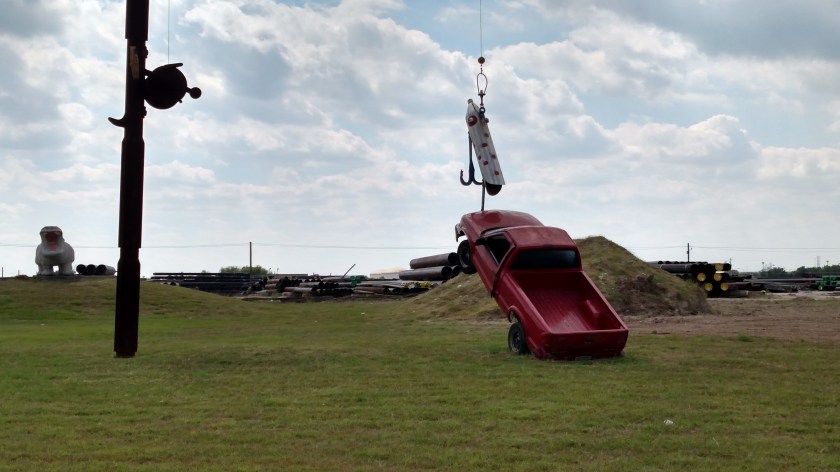
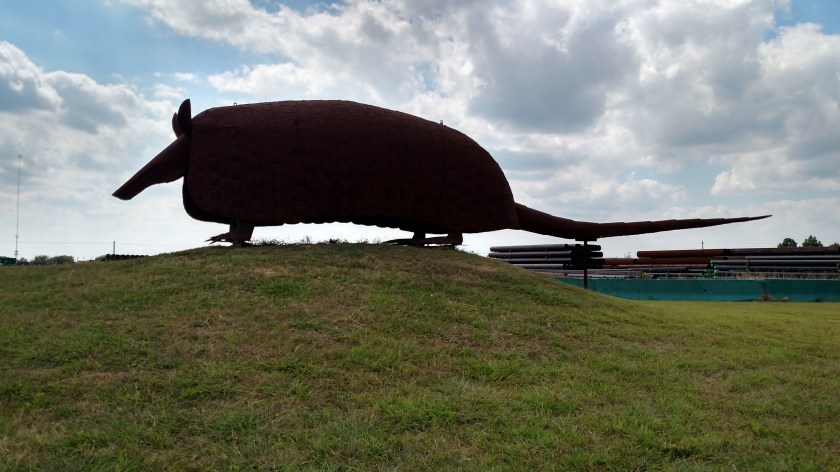
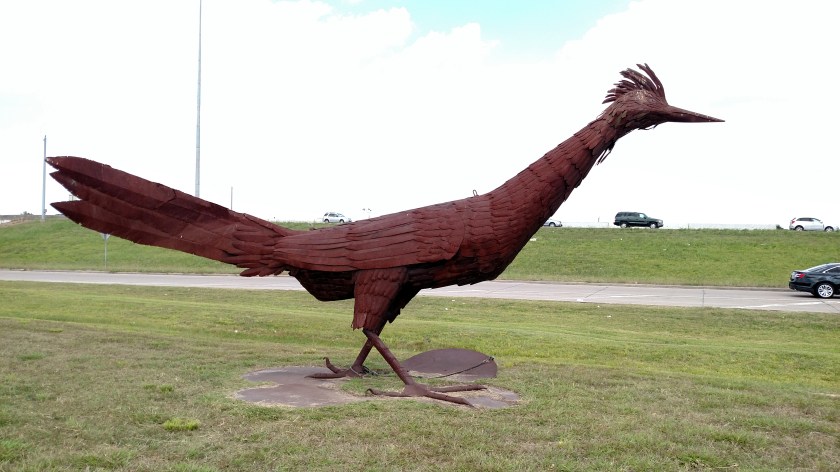
While driving in the Houston area I saw these huge metal art works along side the highway.

IMG_20170514_154752841_HDR

IMG_20170514_155158449

IMG_20170514_154837909_HDR

To give you some idea how big these are, the fishing pole in the photo above snagged a full size pickup truck…

IMG_20170514_154845463_HDR

IMG_20170514_155224810_HDR

IMG_20170514_155344051

The wheels look kind of goofy but this stealth fighter was still pretty impressive:

IMG_20170514_155516714

I didn’t see any signs indicating who created these works of art.

Rice University campus, Houston

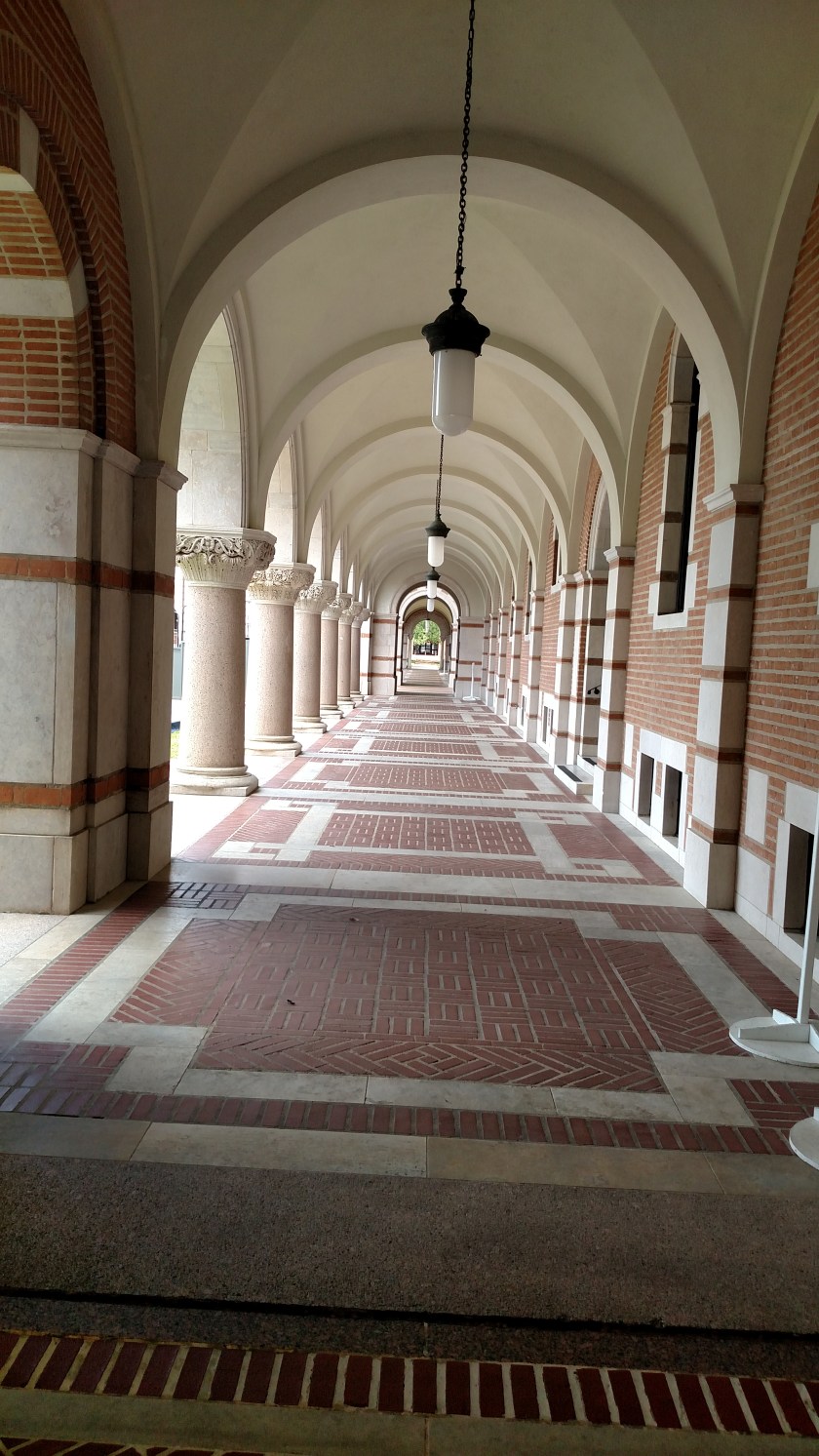
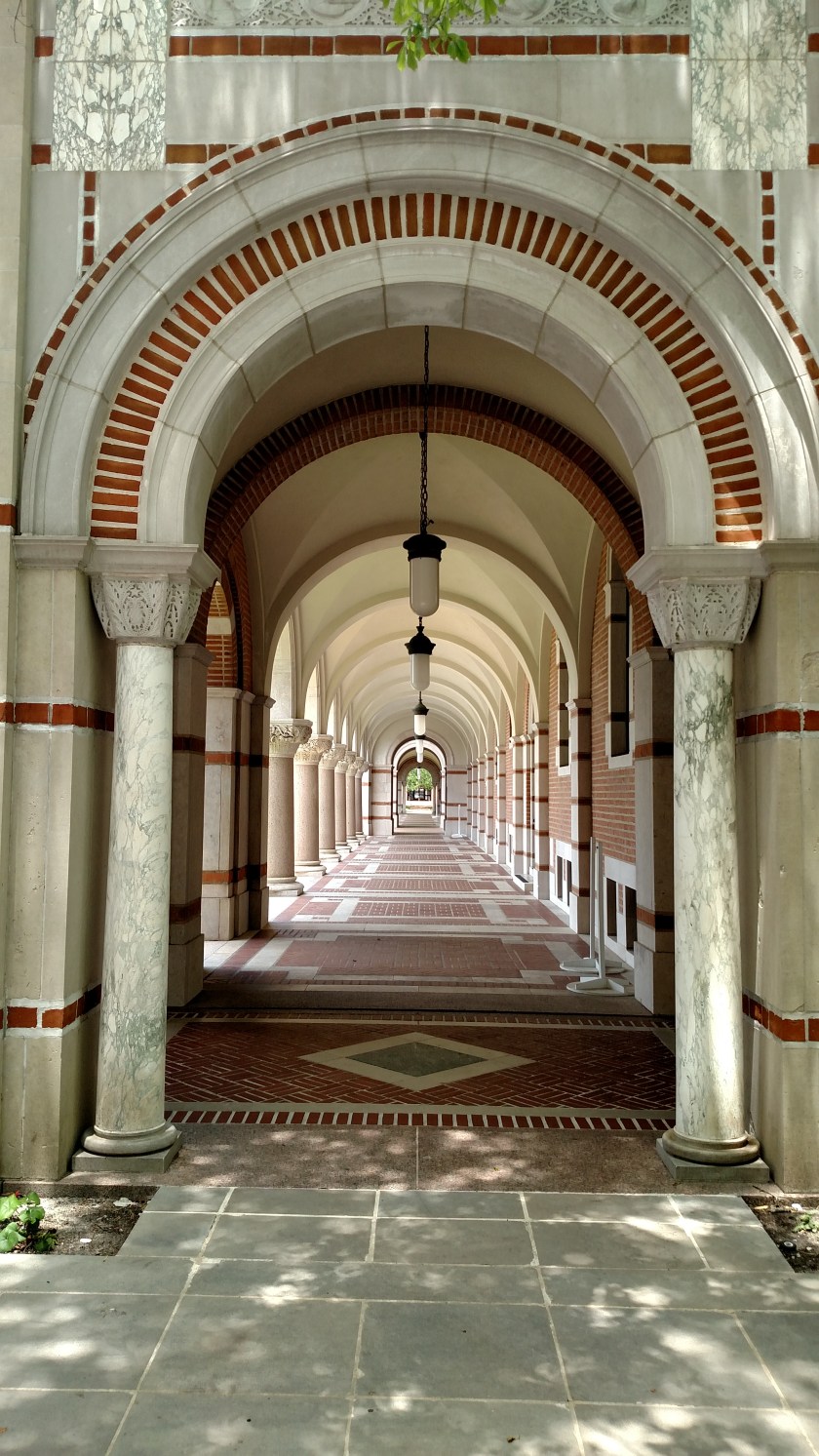
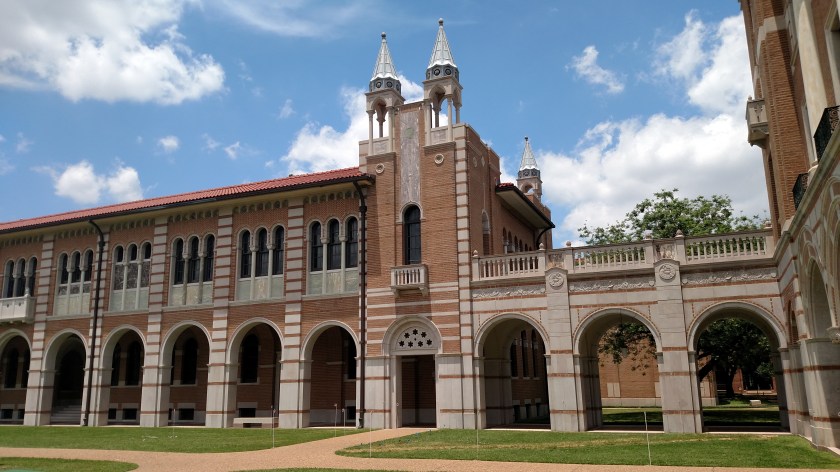
The beautiful, largely symmetrical Mediterranean Revival and Byzantine styles of architecture on this campus were brought to my attention by a photo in the “36 Hours” series of articles and books published by the New York Times.  While in Houston I decided to visit the campus and see it for myself.

IMG_20170514_130804817_HDR

IMG_20170514_130954246

IMG_20170514_131007692

IMG_20170514_131035267

IMG_20170514_131054852

IMG_20170514_131210918

IMG_20170514_131352035

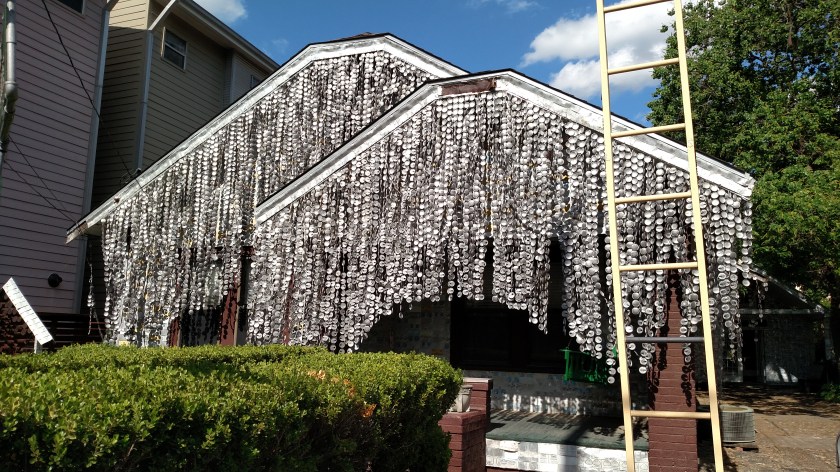
The Beer Can House

When I arrived in Houston, Texas in the late afternoon of May 13, 2017 the first place I stopped was at this quirky tourist attraction.  A man named John Milkovisch lived in this house with his wife Mary.  Mr. Milkovisch, shown below, claimed to have consumed over 39,000 cans of beer during his lifetime (he died in 1988).  After his death his wife remained in the house until a few years before her death in 2002.

IMG_20170513_165735464

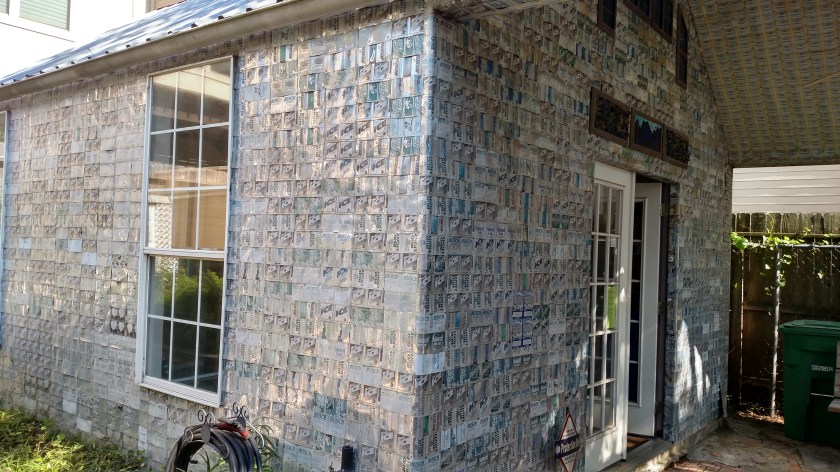
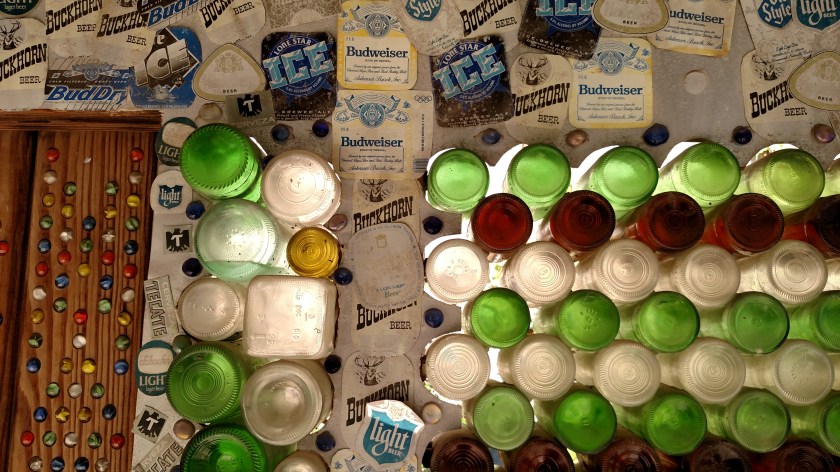
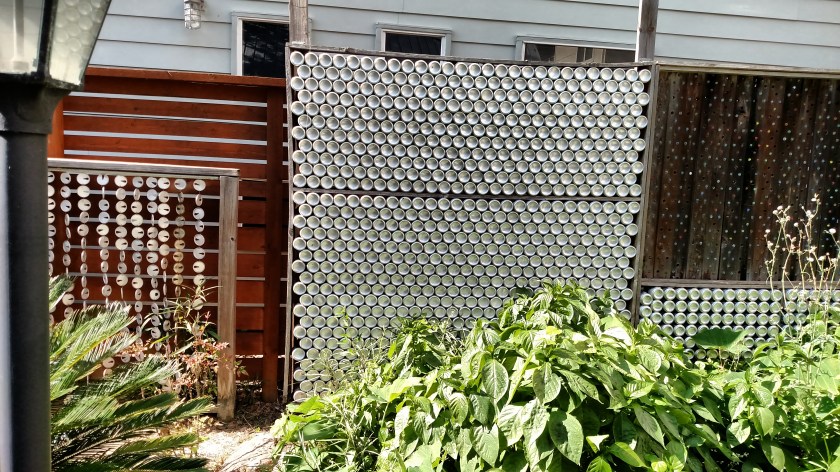
While the house isn’t actually built with beer cans an estimated 50,000 cans, bottles, caps, pull-tabs, labels, coasters, 12-pack boxes, etc. adorn the walls and are formed into facades and pieces of art which hang throughout the property.

IMG_20170513_165148083

IMG_20170513_165203875

IMG_20170513_165456041_HDR

IMG_20170513_165501856

IMG_20170513_165512557

IMG_20170513_165520016

IMG_20170513_165527068

IMG_20170513_165540121

IMG_20170513_165802406

IMG_20170513_165844833

The inside of the house was pretty normal (Mary wouldn’t let him display beer cans in the house) although he did convert the lawn to concrete – he was tired of mowing – and his wife created some other forms of metal art for the property.

They had photos of other quirky tourist attractions located in other parts of the country in one room, two of which will be venues I have visited and will appear in future posts.