Mesa Verde – Various dwellings

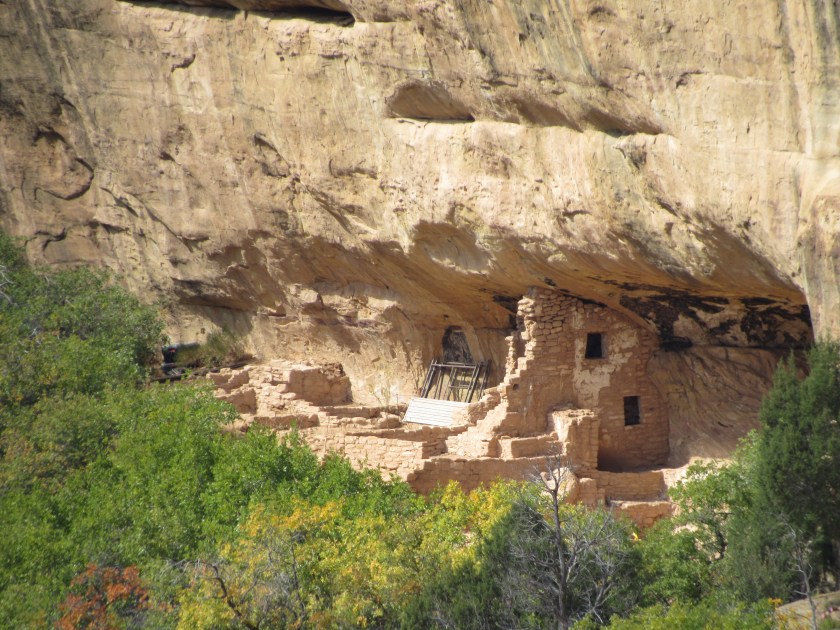
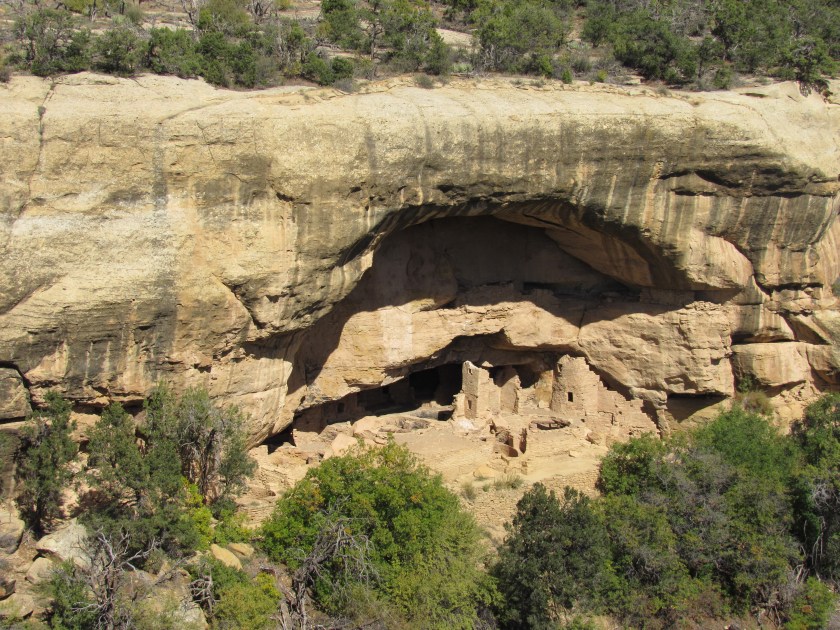
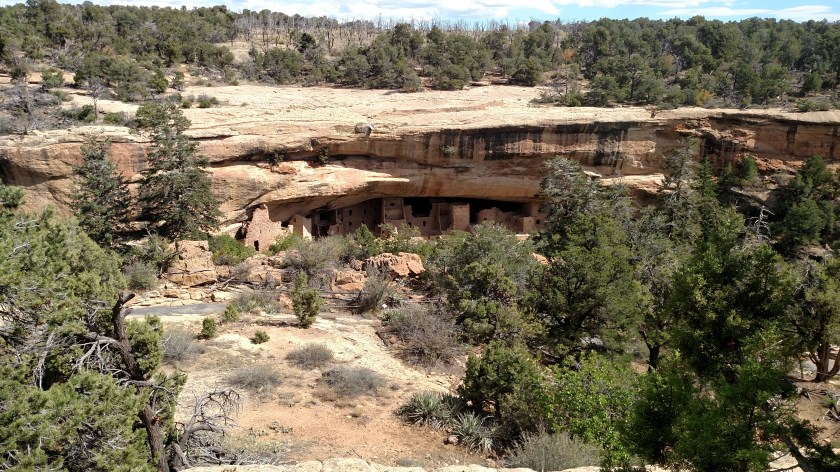
There was a series of overlooks at an area of Mesa Verde National Park called Sun Point.  From those overlooks you could see several cliff dwellings, of various size, across Cliff Canyon.

IMG_20171001_142513141_HDR

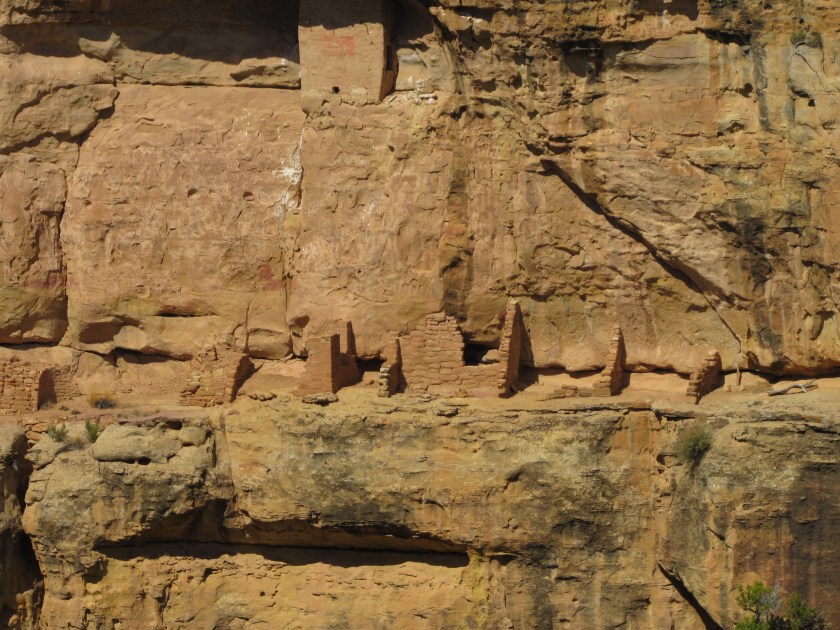
This one was below Sun Palace (see next post) and sat on top of a cliff, exposed to the elements, unlike the others which were covered to some extent.

IMG_20171001_142529842

IMG_0460

IMG_0461

IMG_0462

IMG_20171001_142515710_HDR

IMG_0453

IMG_0454

IMG_0455

IMG_0456

And from another angle:

IMG_0478

IMG_0479


Mesa Verde – Sun Temple

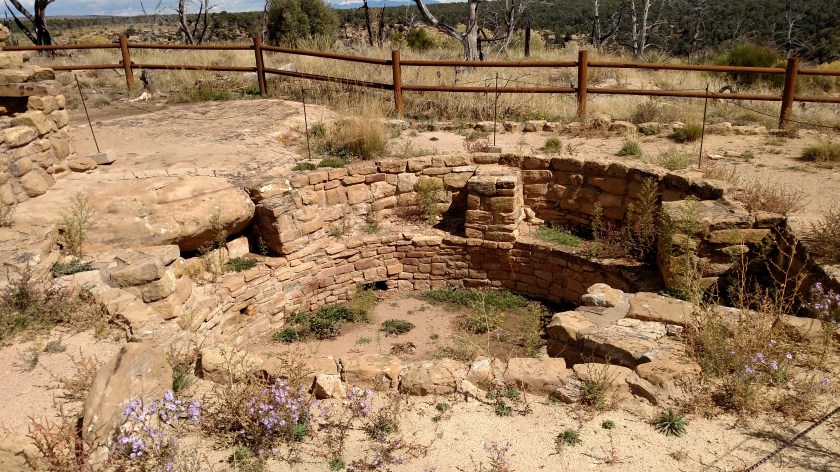
On top of the mesa, across Cliff Canyon from the Sun Point overlook, sits Sun Temple.

IMG_20171001_142535996

IMG_0475

IMG_20171001_144423911

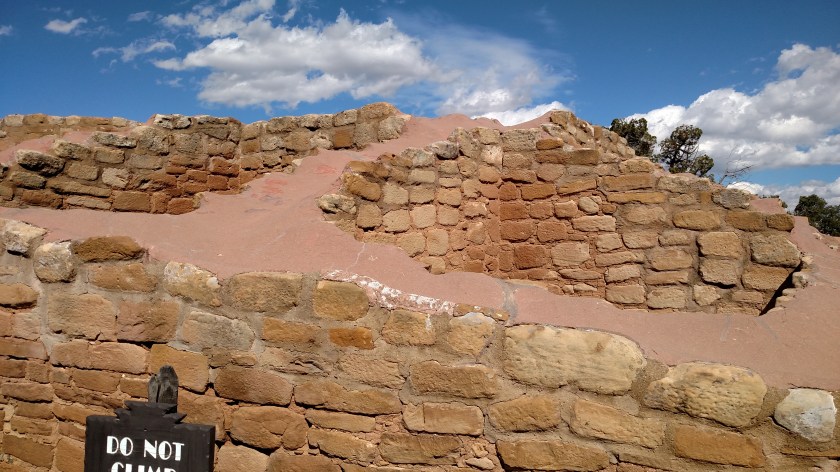
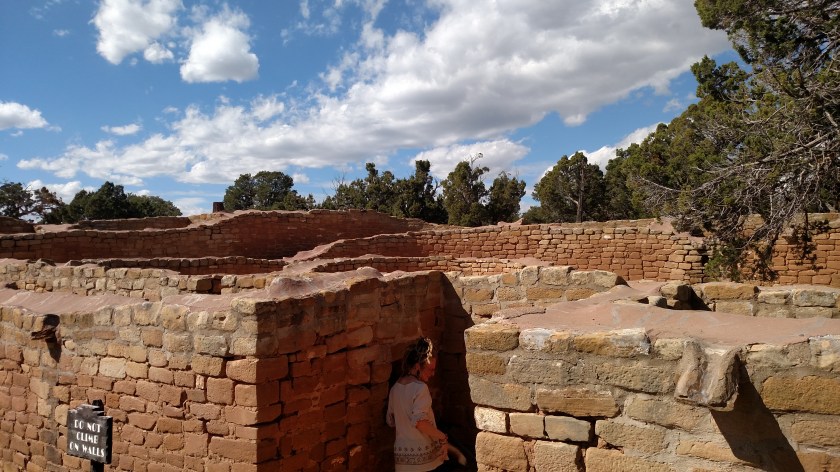
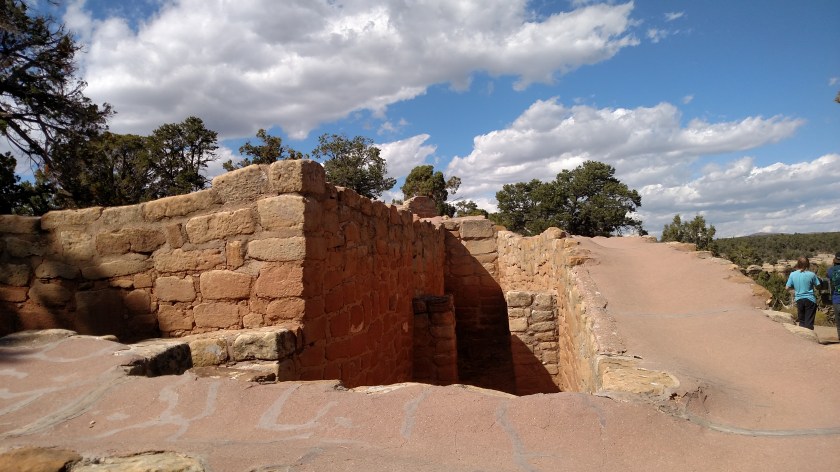
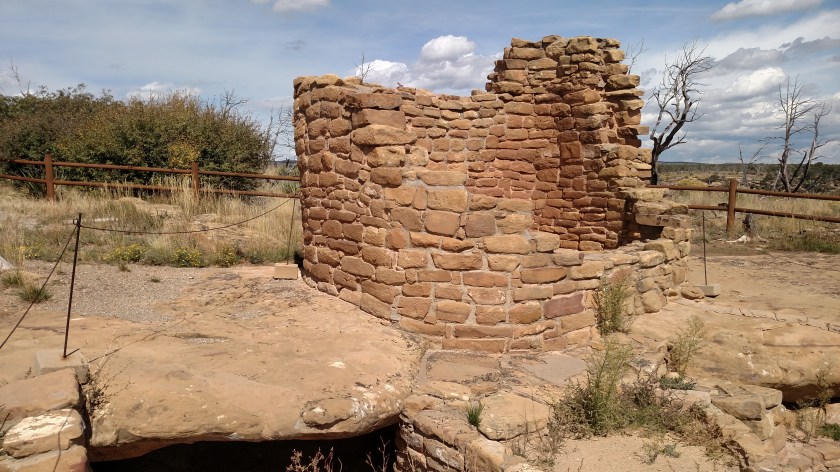
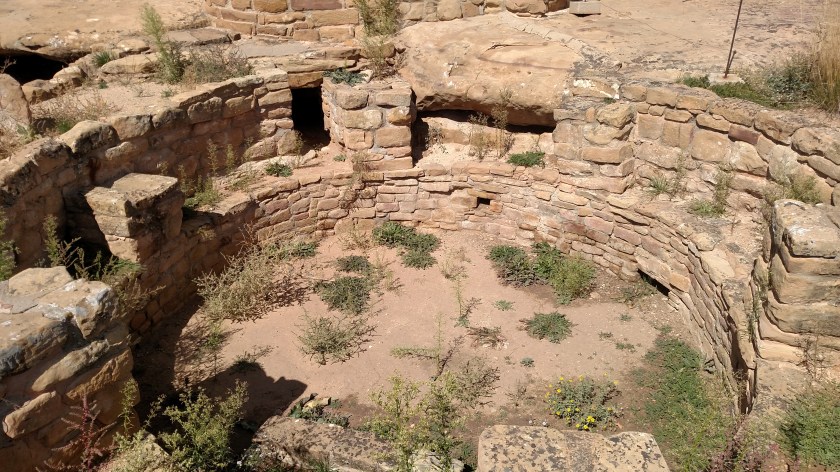
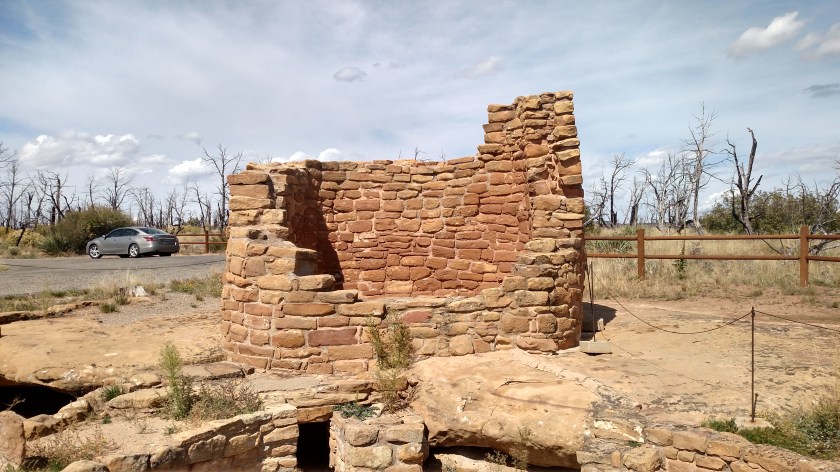
According to the signage, this curious structure was probably constructed near the end of the time during which people lived in the cliff dwellings below.  It has no doors, windows or firepits, and there was no evidence that it ever had a roof.  It is thought to have been left unfinished and was perhaps intended to be some type of ceremonial facility.

The Park Service added the pinkish roofing material between the walls you’ll see in the following photos, probably to divert rain water from building up inside the structure.  Some of the exterior walls were quite tall so it was difficult to see inside.

IMG_20171001_144302479

IMG_20171001_144322138

IMG_20171001_144450456

IMG_20171001_144454553

IMG_20171001_144520946

Mesa Verde – Cliff Palace

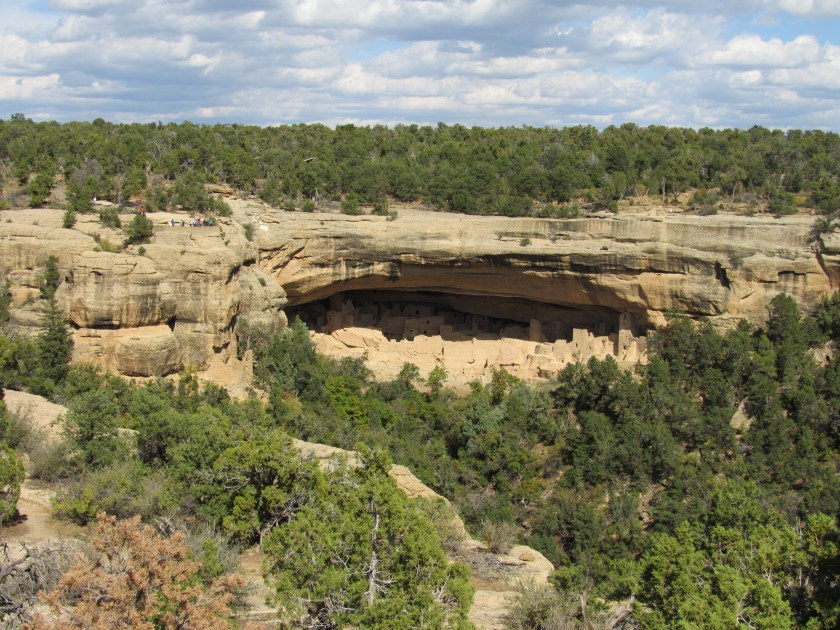
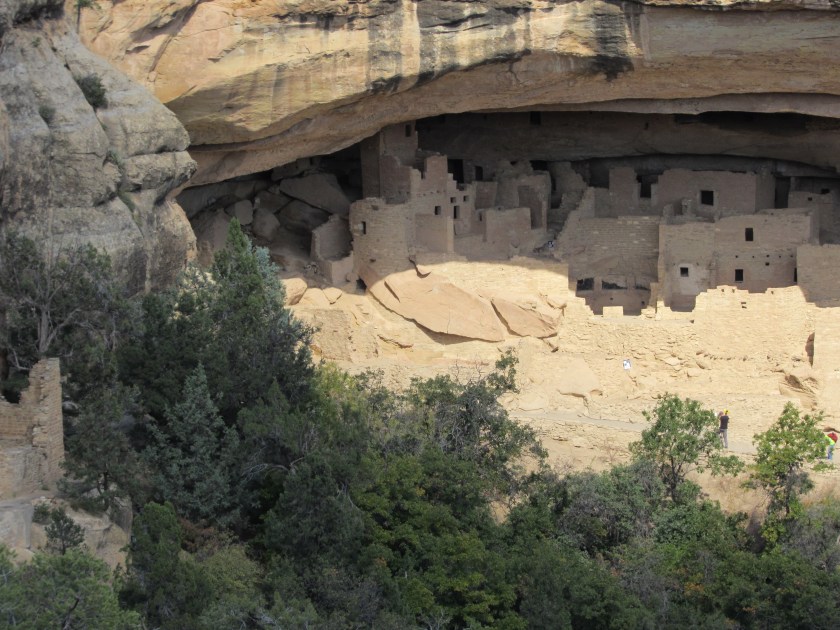
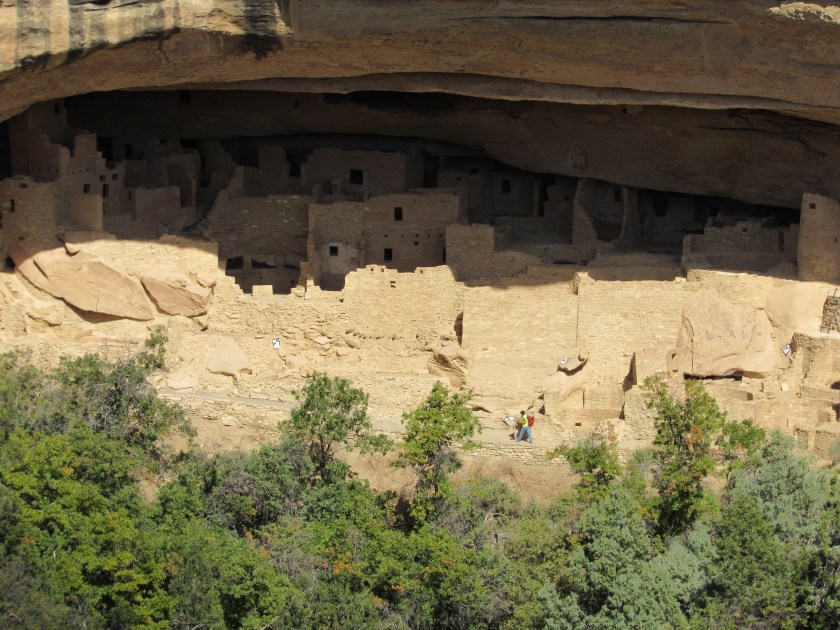
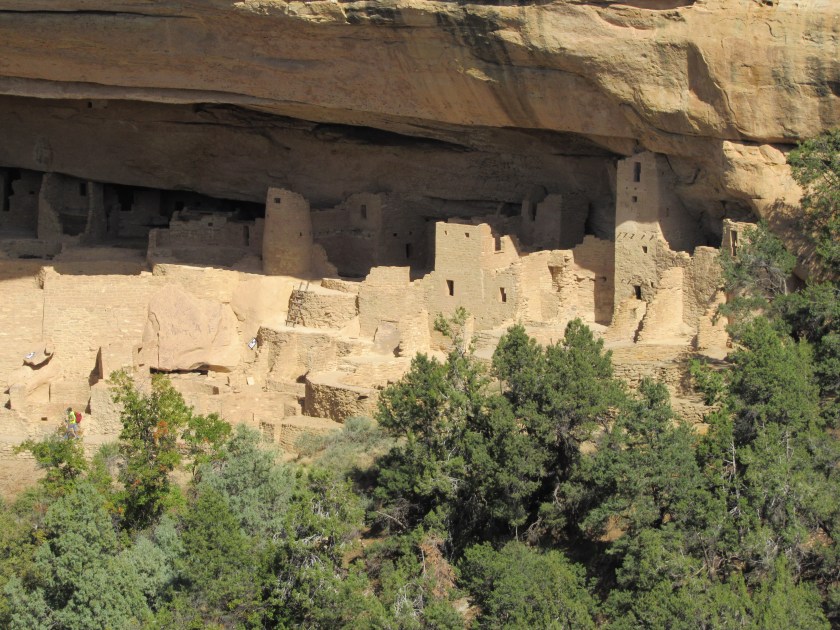
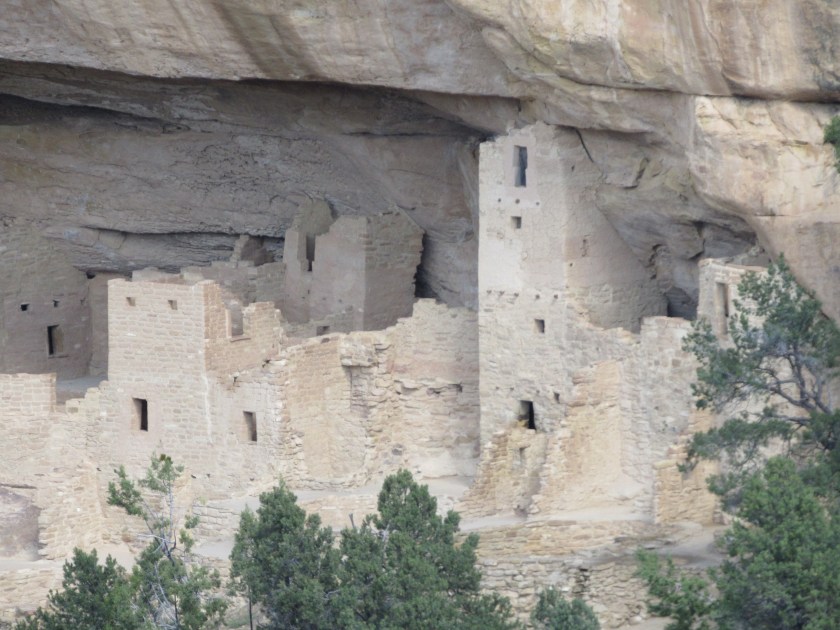
Cliff Palace is one of the largest cliff dwellings at Mesa Verde National Park.  It has 132 rooms and 32 kivas.  It is normally open to the public for ranger-guided tours but was closed to the general public the day I was at the Park for a special function.  While I was at the overlook taking these photos there was a large group of people on the other side of Cliff Canyon, above and off to the side of Cliff Palace (you can see them if you look closely in the upper left hand corner of the first picture below), and there was a gentleman down in the ruins climbing and walking around by himself.  My guess is it was some type of archeological class and perhaps the instructor was down in the ruins pointing out specific features to his students.  Even if it had been open for tours it sounded too strenuous for me to have attempted.

These were all taken from across the canyon at another overlook:

IMG_20171001_142546295

IMG_0508

IMG_0512

IMG_0511

IMG_0510

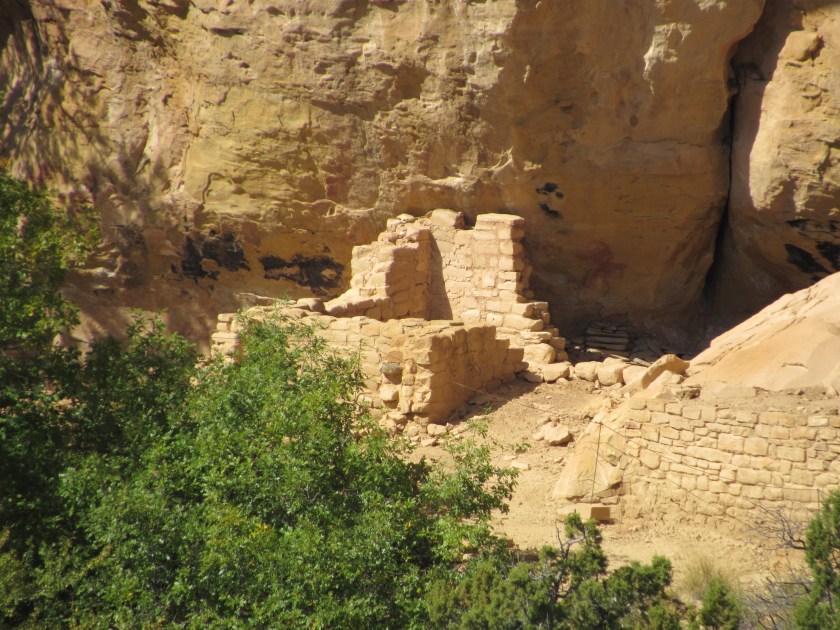
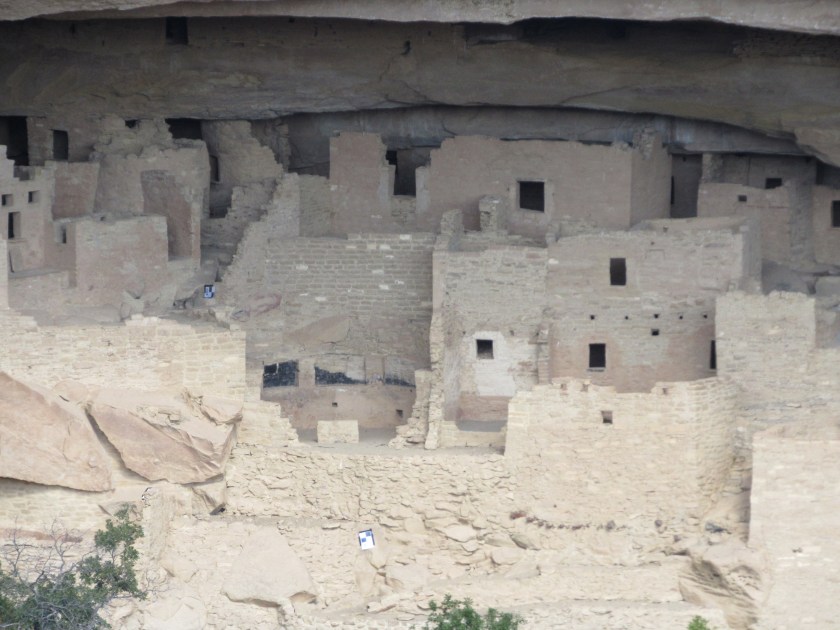
Here are some close-ups.  The color is a little different because I am now looking at areas which are mostly in the shade:

IMG_0513

IMG_0514

IMG_0515

IMG_0516

IMG_0517

IMG_0518

Mesa Verde National Park

Sunday I spent the whole day at Mesa Verde.  The rain from Saturday moved away and the day started out completely clear, although some scattered clouds developed during the afternoon.  It was still quite windy, although most of the Park is above 7,000 feet so that may always be the case.

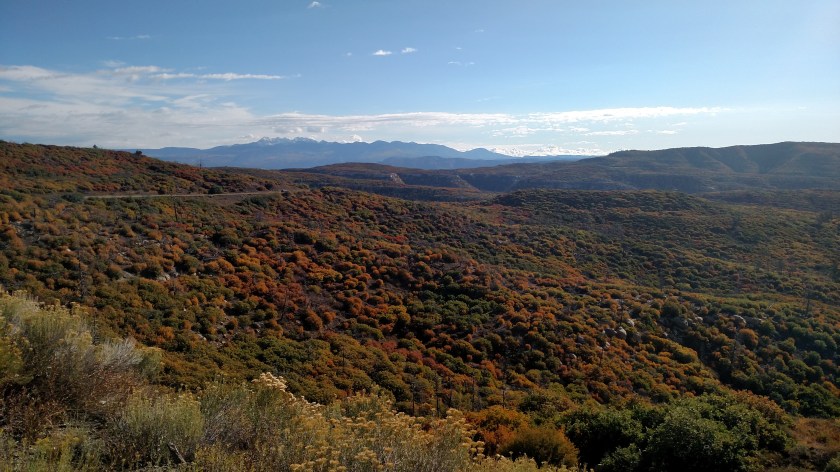
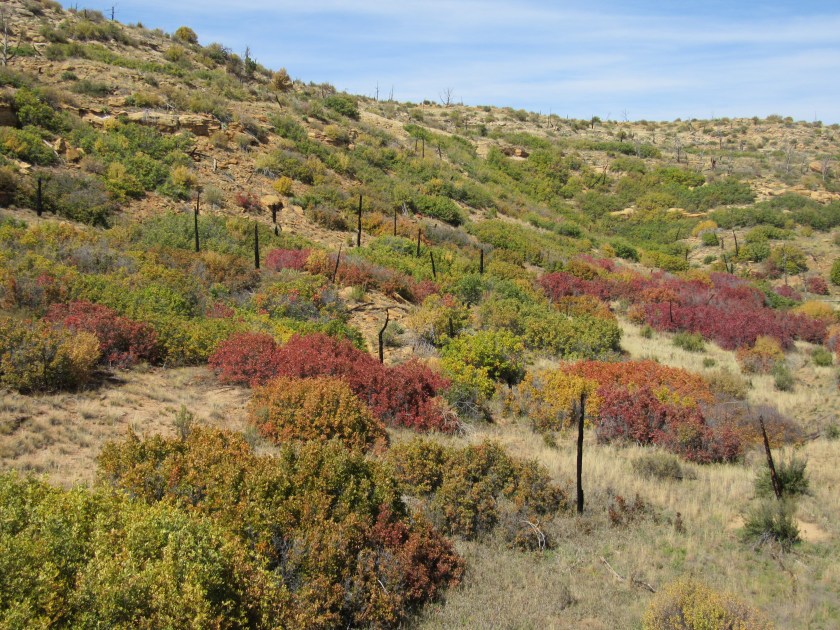
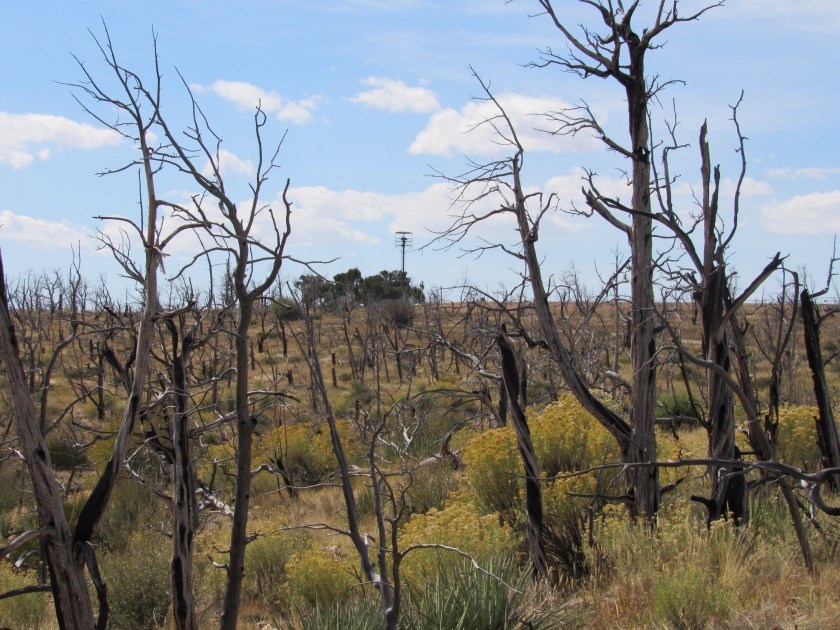
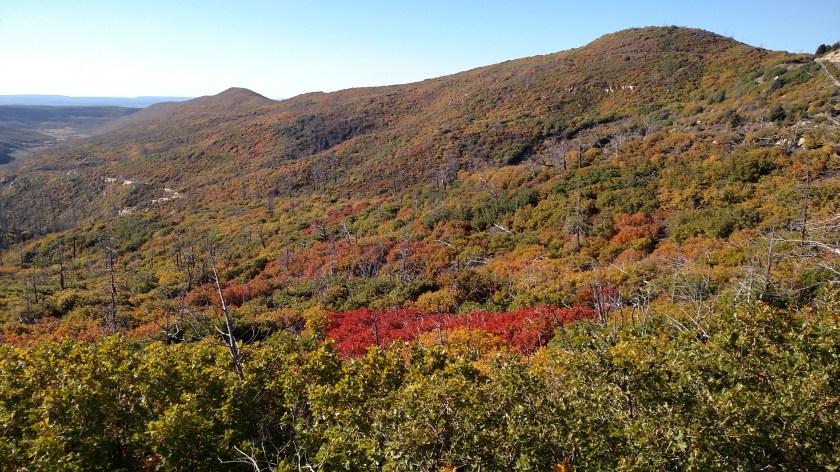
One of the first things I noticed as I drove through the Park were the fall colors.  Because of all the forest fires there aren’t that many tall trees, but there are a lot of shrubs and bushes on the hillsides and in the fields and they put on quite a show.  Not the brilliant colors that one might see in New England or other places, but impressive nonetheless.  These are more subdued shades of golden yellow, burnt orange, red, and reddish brown.

There are other things I saw throughout the Park which I will include in future posts but for now I’ll focus on colors:

IMG_20171001_093142517

IMG_20171001_093148503

IMG_20171001_093321873

IMG_20171001_123540880

IMG_20171001_123553150_HDR

IMG_0373

And there was one more colorful thing I saw today.  As I was beginning my descent to the Step House cliff dwelling I saw a black wasp with red wings!  It was quite a sight and I was very surprised.  It landed on a plant near me briefly but I couldn’t get the camera out quickly enough to get a picture.  I saw it a second time but it was in flight.

It was quite large and the body was jet black.  The wings were red or orange and it was quite an attention-getter when in flight both because of the size and the color combination.  When I got home I found this photo online:

TarantulaHawkWasp bugguide.net

(Photo credit:  bugguide.net)

It is called a Tarantula Hawk wasp and is a predator of, you guessed it, tarantulas.  It is a good thing it didn’t sting me because apparently the sting is quite painful to humans.  They normally don’t bother humans unless provoked and although I would have liked to have gotten a nice picture of it I certainly wasn’t planning to harass it.  It was really quite beautiful.  I have never seen one before but I hope I do again.

Mesa Verde – Towers

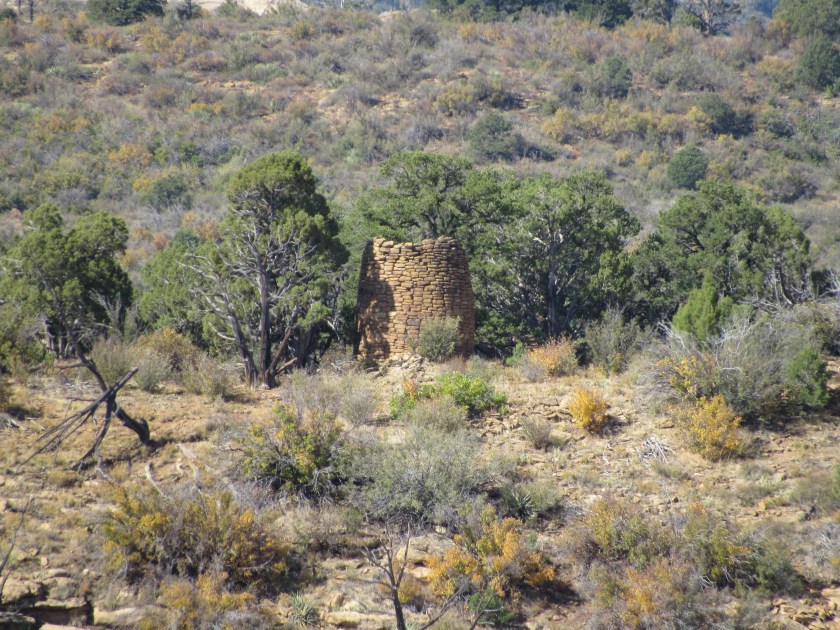
There are several types of towers at Mesa Verde National Park, each with a purpose.

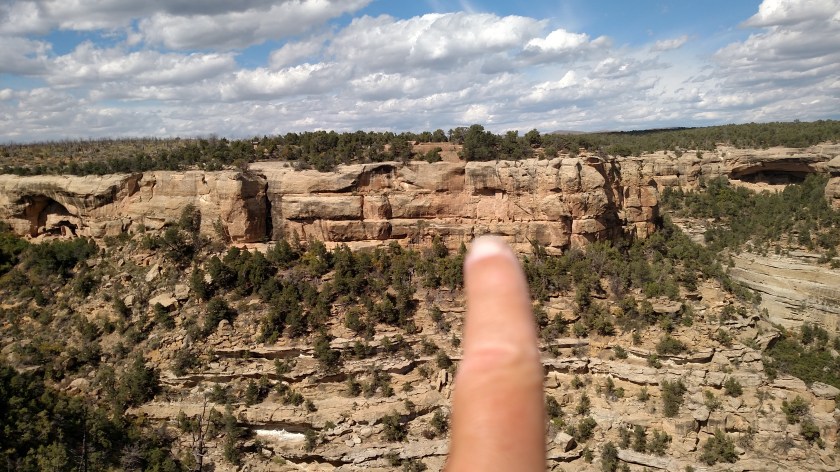
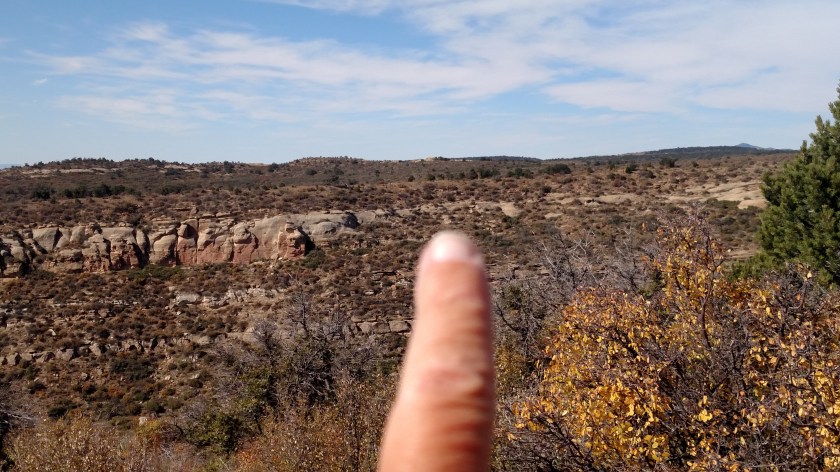
This is Rock Canyon Tower.  I will first show you where it is (on the other side of Rock Canyon from where I am standing) using my amazing JohnBoy finger-pointing technology:

IMG_20171001_110044112

IMG_0336

IMG_0337

It was a watchtower or signalling tower, to watch for enemies or other threats and they were often built at strategic locations so messages could be relayed to people in other locations.  There was also a small cliff dwelling on the hillside below the tower, perhaps to house the sentinels.

********

This is Cedar Tree Tower.  It is on ground level, on the Chapin Mesa and is away from everything else and exposed to the elements.  There is also a kiva (the ceremonial circle) next to the tower and a tunnel connecting the two. Kivas are often found next to towers.

Perhaps this was an outdoor “theater” where ceremonies or rituals were held.  The tower may have been to elevate an authority figure and the tunnel may have allowed that person to get to the kiva without being seen.

IMG_20171001_131254468

IMG_20171001_131327199

IMG_20171001_131332991

IMG_20171001_131339738

IMG_20171001_131358825

IMG_20171001_131401817_HDR

********

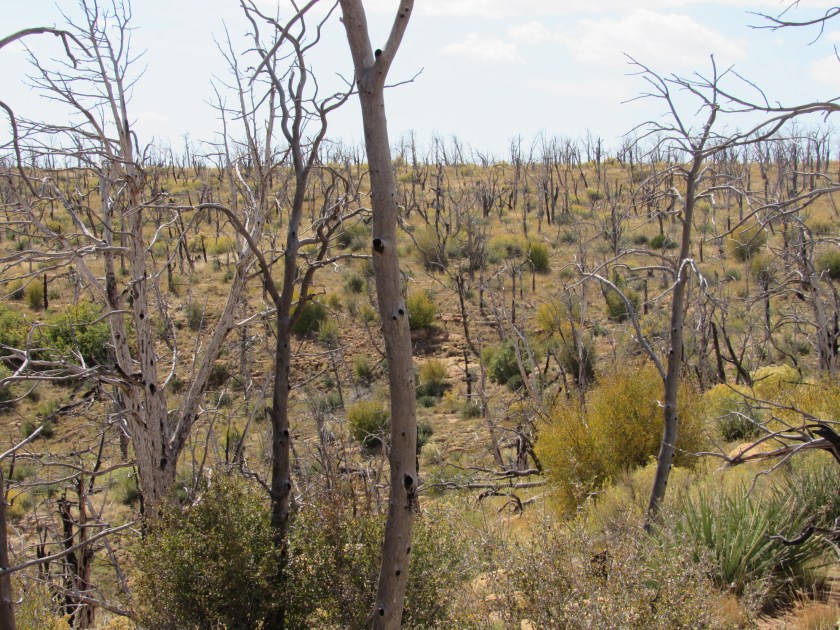
And then there are fire towers.  Almost 75% of Mesa Verde National Park has been affected by fire at one time or another.  The largest, the Bircher Fire in 2000, destroyed over 22,000 acres.  Thankfully most of the others were significantly smaller, each less than 5,000 acres.  This was the area near Cedar Tree Tower:

IMG_0392

And this is one of the three fire towers in the Park.  There is a main tower at the highest point which is completely enclosed.  My guess is that this open tower may only be used when there is a problem brewing on this side of the Park:

IMG_0393

********

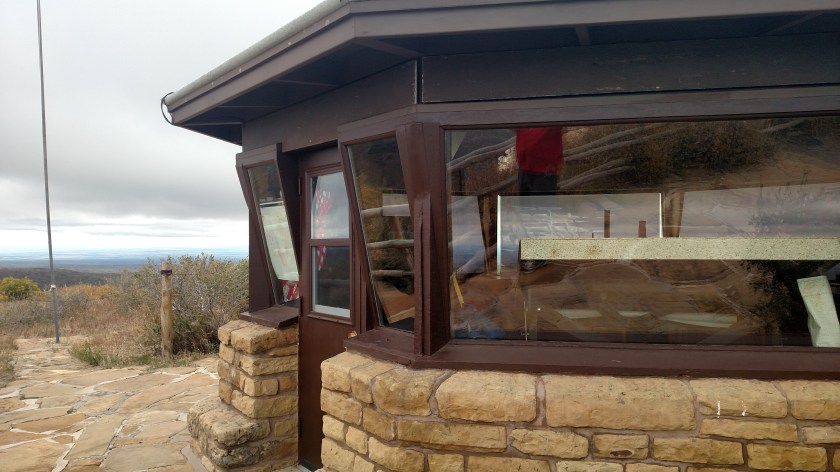
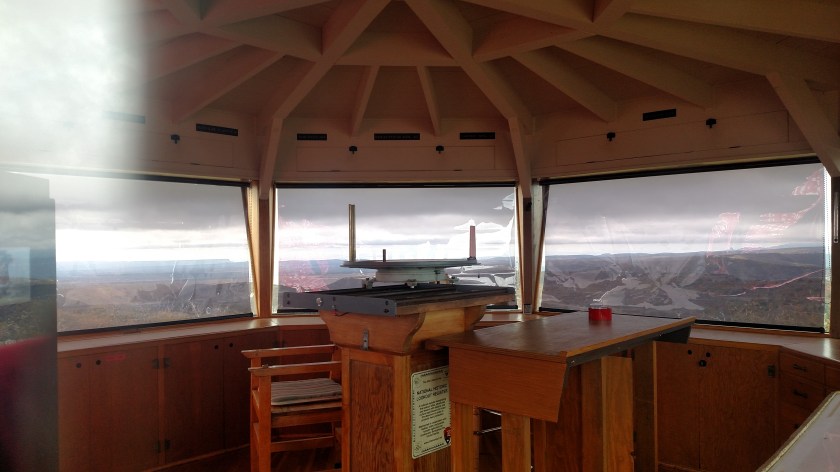
This is the main fire tower, located atop Park Point at 8,572 feet.  It affords Park Rangers a 360 degree view of the area and has the necessary tools to calculate where a fire is, although modern GPS technology is probably put to use to provide a precise location once they know approximately where to send a ground crew or reconnaissance aircraft.

IMG_20170930_125759966

IMG_20170930_130706283

Mesa Verde – Step House

This is the one cliff dwelling which was still open for a self-guided tour (and was a reasonable walking distance from the parking lot.  I don’t do hikes over a mile in length).

This was the first view I had of Step House:

IMG_0349

To give you some orientation – my car is parked up on the mesa at the level of the trees at the top of the photo.  From the parking lot I looked east and the dwelling was over the cliff, below me (at a lower level, not under my car).  From the vantage point I took this picture from I would walk further away from the cliff (to my right/rear as seen from here) then double back and walk down a path constructed by the CCC back in the 1930’s and enter the dwelling from the left as seen from the front.  I would exit from the right and take another path and series of switchbacks to get back up to the parking area.  The total walking distance (both the entry and exit paths) was about a mile.

IMG_0348

IMG_0347

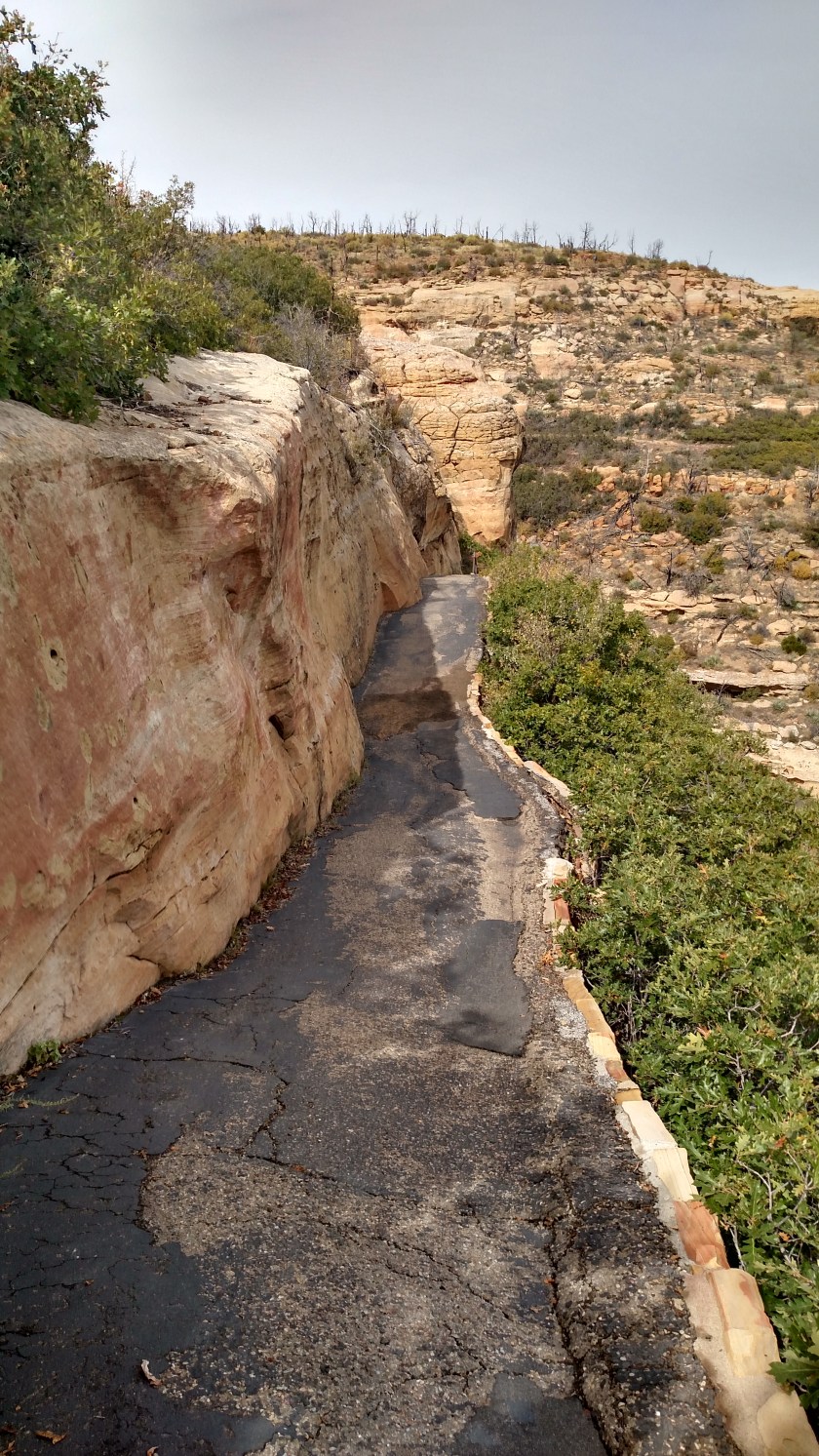
And here we go….  This was after I turned at the switchback and started taking the path down to the dwelling.  The switchback is where I saw the Tarantula Hawk wasp shown in the first post of the day.
IMG_20171001_112621761_HDR

Then down these stairs:

IMG_20171001_112806744

And along more pathway to get to the dwelling:

IMG_20171001_113017122_HDR

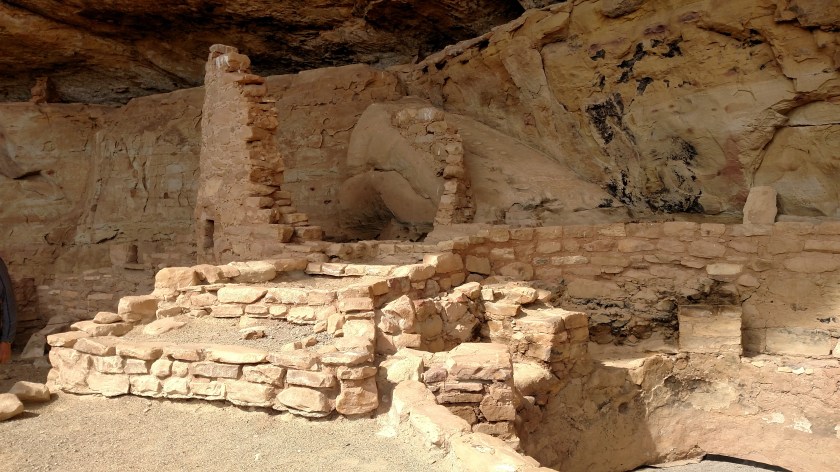
Once I got to the dwelling there was a ranger there to answer questions about what I was seeing.  My first question was, before the nice path that the Civilian Conservation Corps built, how did the people who lived here get in and out?  He pointed out the original “steps” (which is why they call this Step House).

IMG_20171001_115721371_HDR

I know it looks like I was holding the camera crooked but keep in mind that the cliff roof curves out over the dwelling and over open space.  I assure you, this is with the camera held straight.  The sign at the bottom right of the photo shows that I am standing upright.

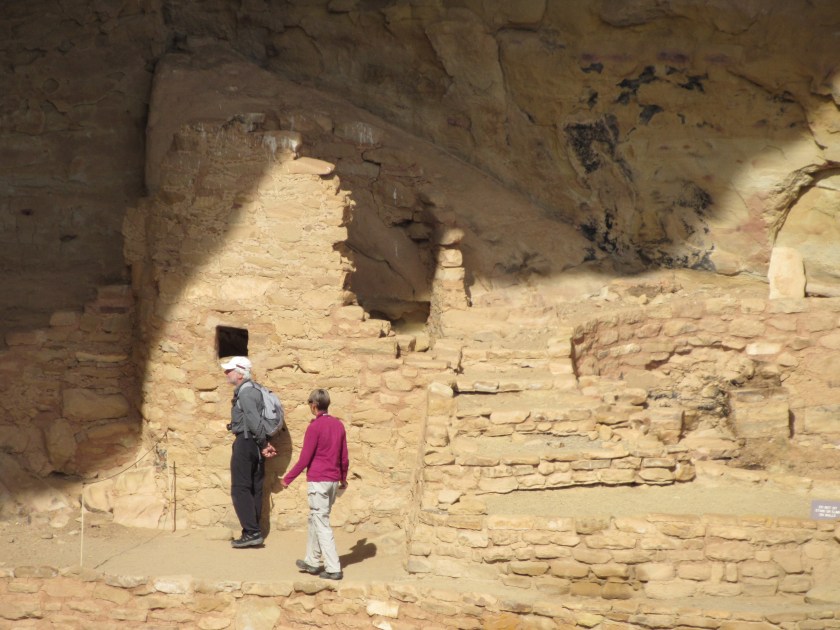
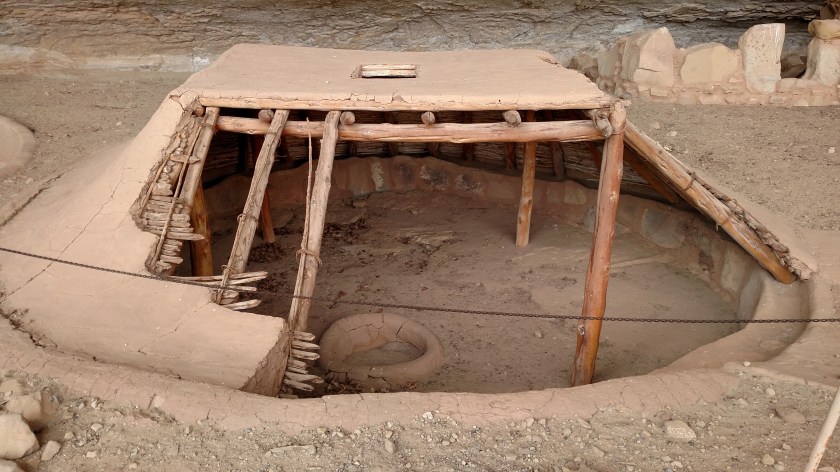
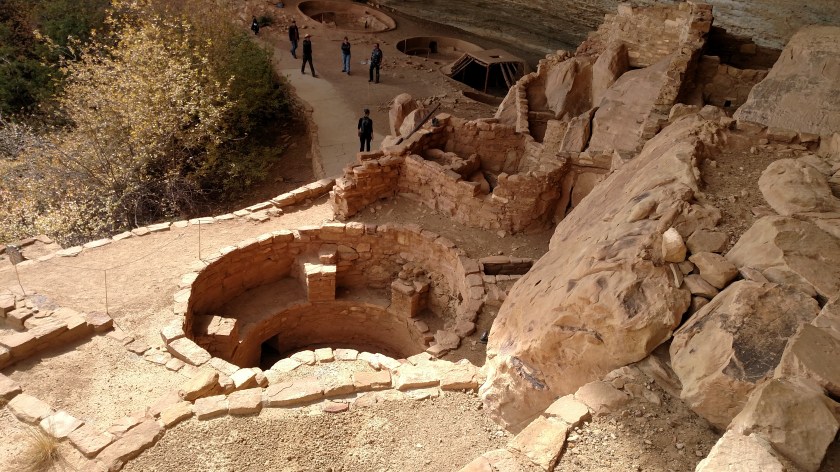
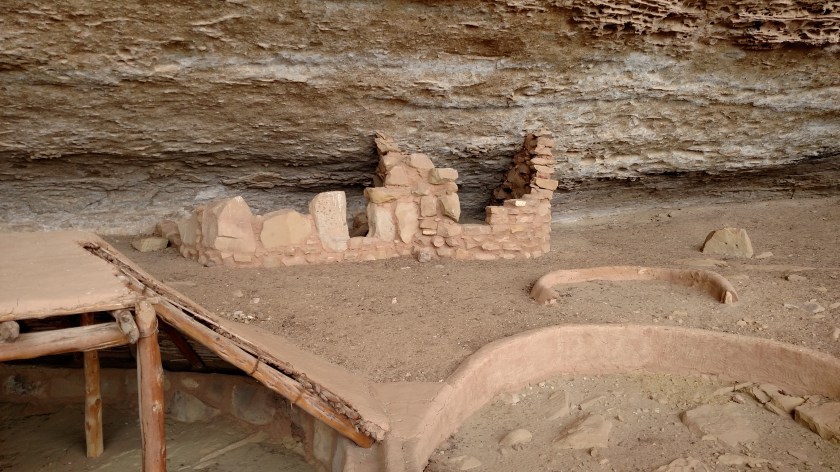
The first things I saw upon getting to the dwelling were two open pits and one pit house.

IMG_20171001_114118607

IMG_20171001_114145848

The pit house is like the one Casey, at Canyon de Chelly, had built a miniature of.  It would have been completely enclosed and accessed by a ladder through the hole in the roof.  The ranger told me that there was evidence of logs and other material in this pit which is why they surmised that it had been a pit house.  The roof, as well as the walls on all three pits were reconstructed with the help of folks from National Geographic and a team of archeologists.  The other structures in the dwelling are pretty much as they were found.  There was actually some debris (collapsed walls, etc) which was cleared away and used to help shore up the paths built by the CCC.  Some of the remaining walls may have been reinforced for safety, but other than that everything else is original.
IMG_20171001_114156552

IMG_20171001_114215811

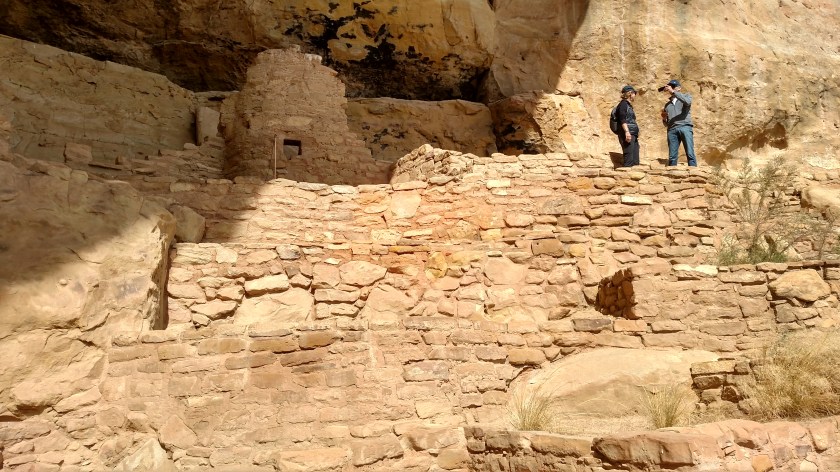
This was after climbing the ladder and was looking back at the three pits.  The ranger is at the left of the photo below:

IMG_20171001_114745819

And this ladder wasn’t all that long.  The one I had to climb down on when I was visiting a cliff dwelling in New Mexico back in May was maybe three times longer and, while sturdy, was a little more intimidating.  Other dwelling tours at this Park involve climbing multiple ladders, like this but longer, as well as crawling through tunnels and going through narrow holes and passageways.  They also required longer hikes to get there, which is why I wouldn’t have done them anyway.  Some of the dwellings at this Park are closed for the season, or for special functions or safety reasons.
IMG_20171001_114821337_HDR

IMG_20171001_114938277_HDR

IMG_20171001_114941971

IMG_20171001_115109338

IMG_20171001_115119620

IMG_20171001_115207913


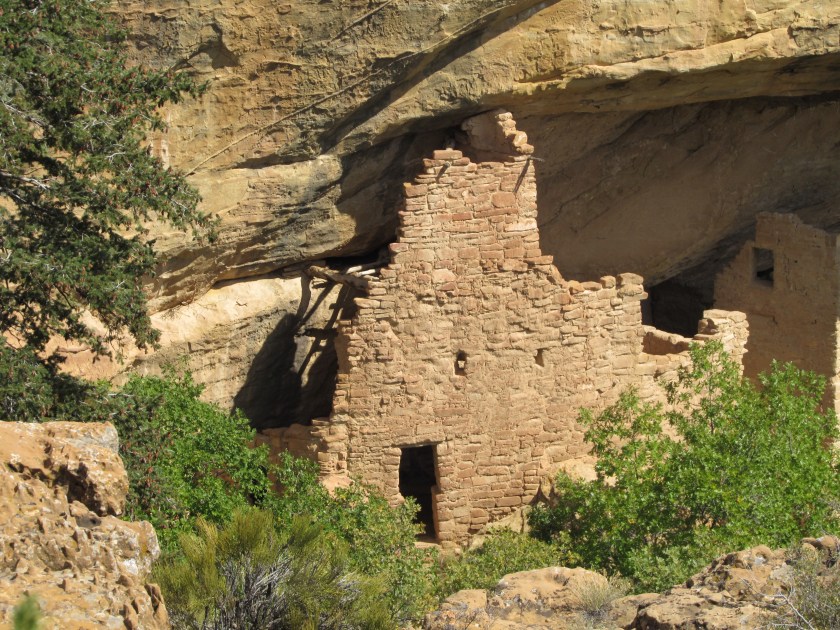
Mesa Verde – Spruce Tree House

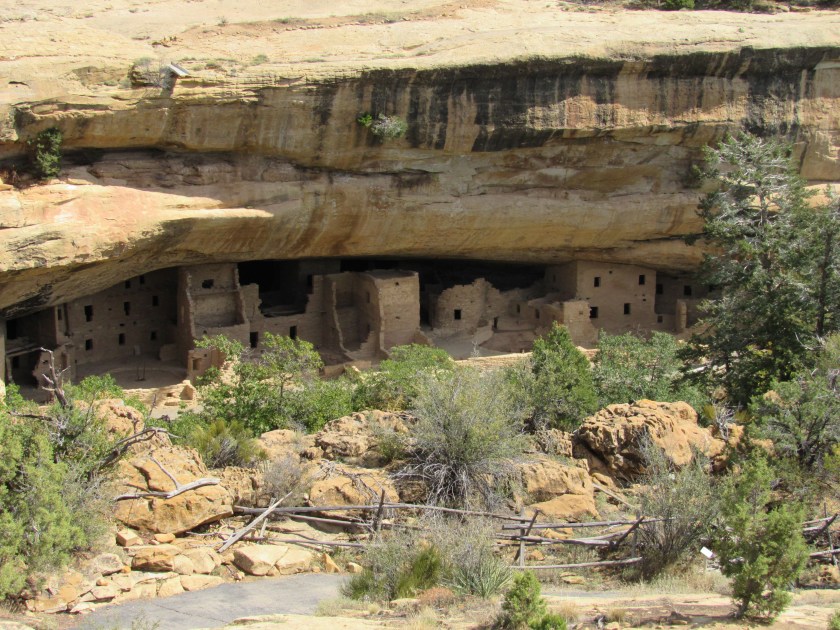
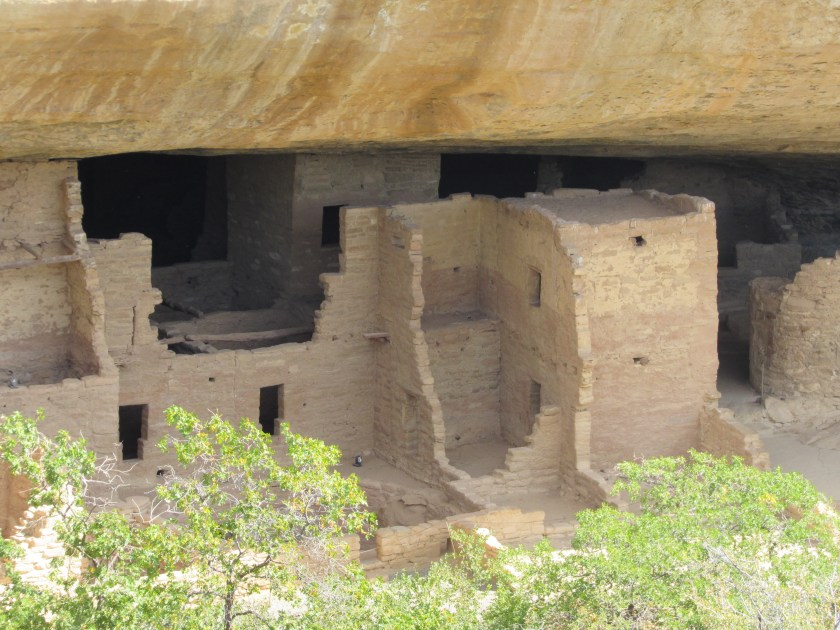
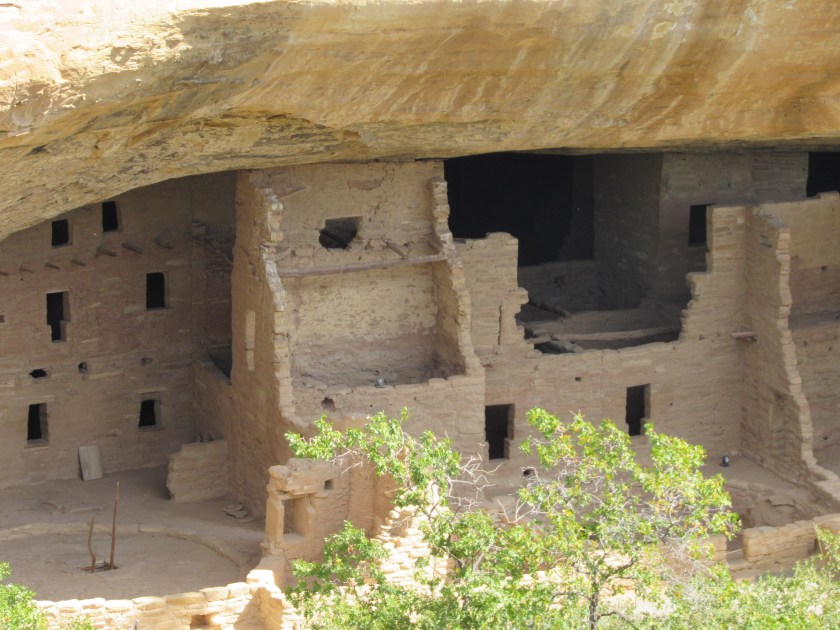
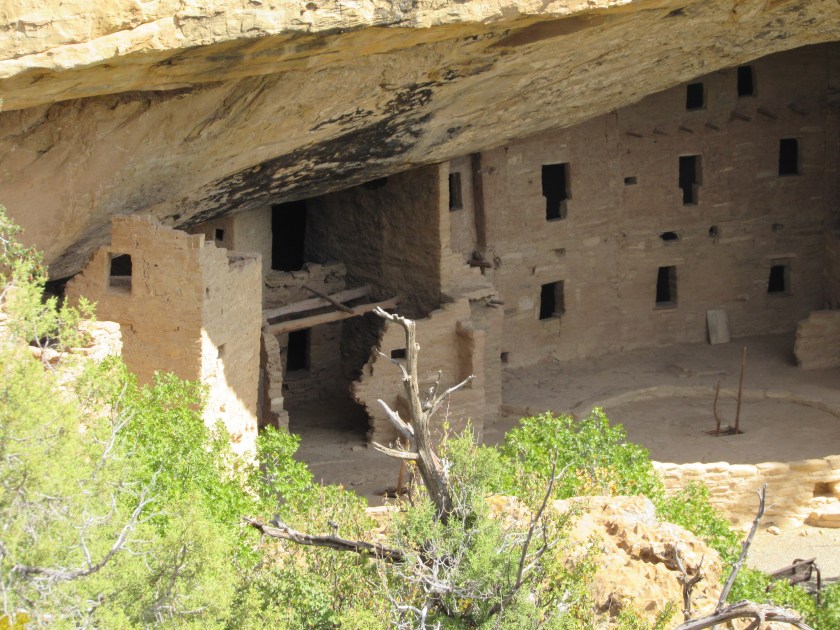
This is not a tree house, it is a cliff dwelling located near the Chapin Mesa Archeological Museum in Mesa Verde National Park.  Normally this cliff dwelling would be open for self-guided tours, however the Park has signs up that due to “Rock Fall Hazards” the trail to the dwelling is closed.  Given the unfortunate events at Yosemite National Park in California over the last few days (a tourist killed and several others injured by falling rocks) the Park Service isn’t taking any chances.

There is a parking area off the main road and there are several buildings including a gift shop and snack shop (where I had a great lunch at a reasonable price) and the Archeological Museum.  The photos below were taken from behind the museum, at an overlook which allowed me to view and photograph the dwelling without actually going over to it.  It was maybe 200-300 feet away.

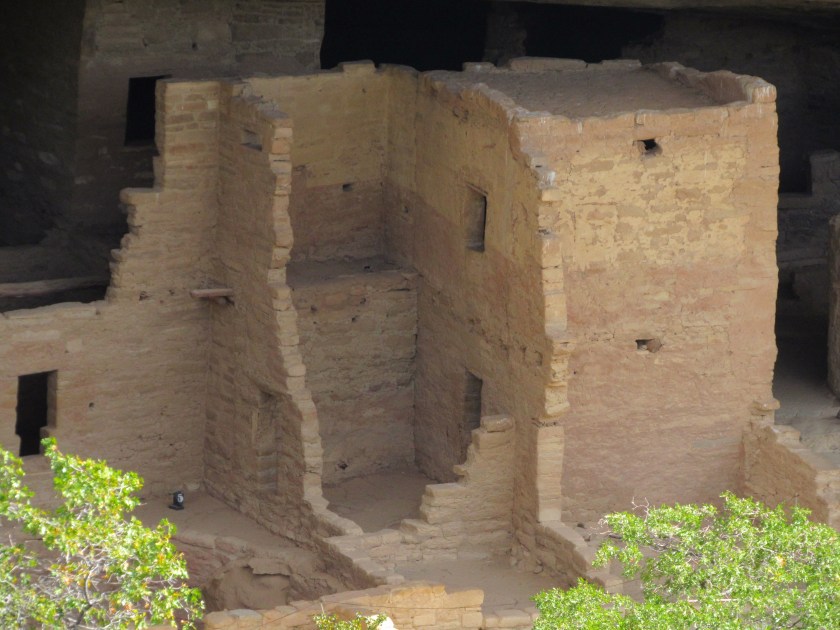
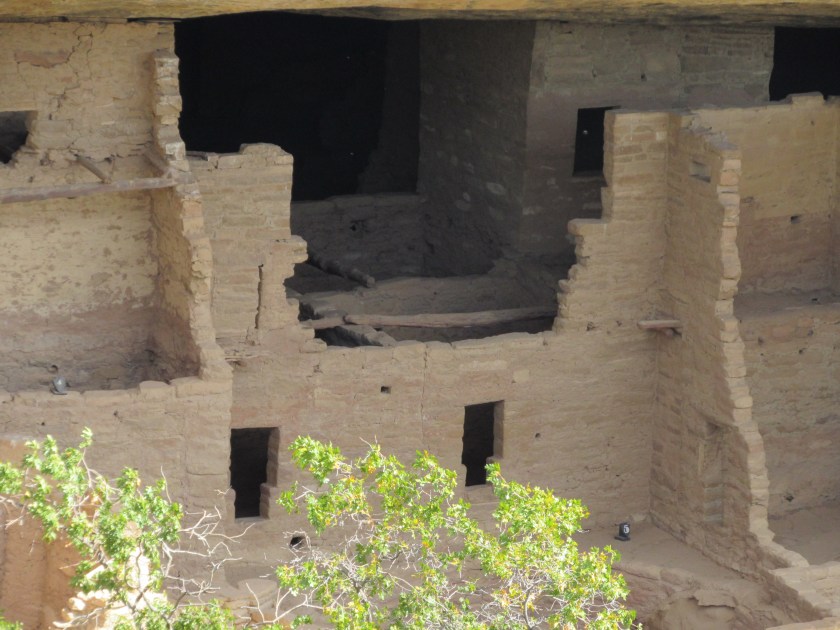
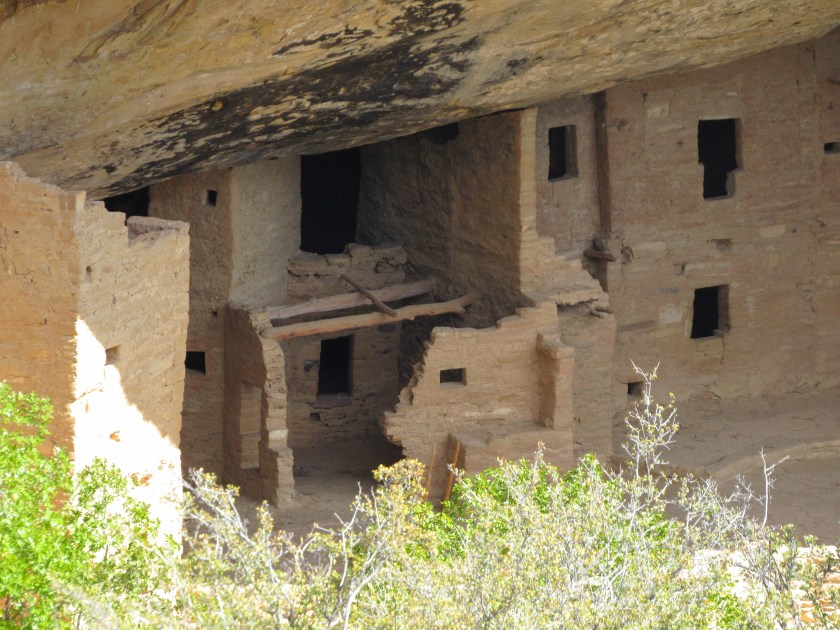
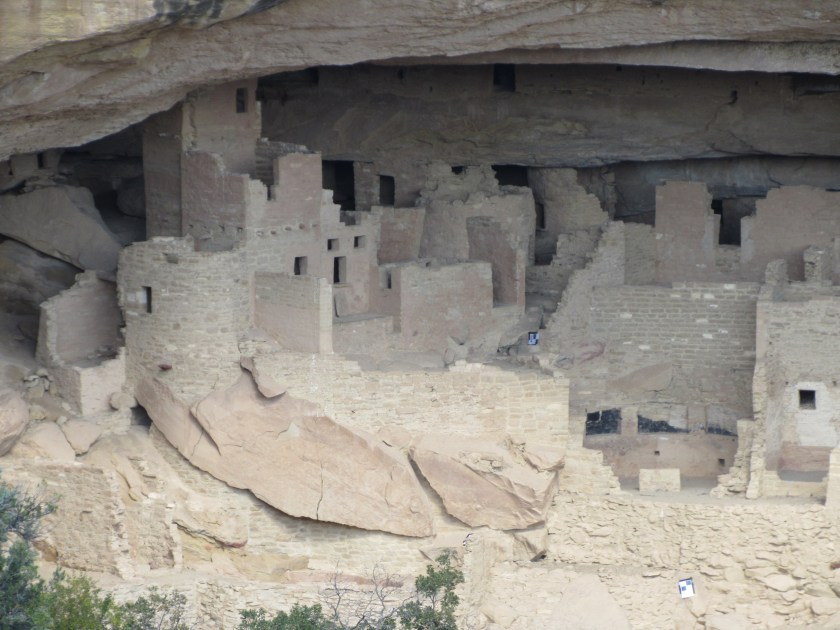
The Spruce Tree House consists of 130 rooms and 8 kivas (the round, largely ceremonial areas).  It is believed to have housed as many as 25 families of Ancient Pueblo People.  That seems to be a general classification for people before Indians began establishing tribes.  One-level cliff dwellings soon gave way to multi-level dwellings and eventually multi-story dwellings like this one.

IMG_20171001_135428028

IMG_20171001_135436976

And since I couldn’t go see the dwelling up close I used the digital camera to zoom in and get some close-up shots:

IMG_0395

IMG_0396

IMG_0397

IMG_0398

IMG_0399

IMG_0400

IMG_0409

IMG_0410

And zoomed in even a little closer of some specific areas to try and show some of the detail:

IMG_0403

IMG_0404

IMG_0405

IMG_0406

IMG_0408

Cortez, Colorado – Route 666

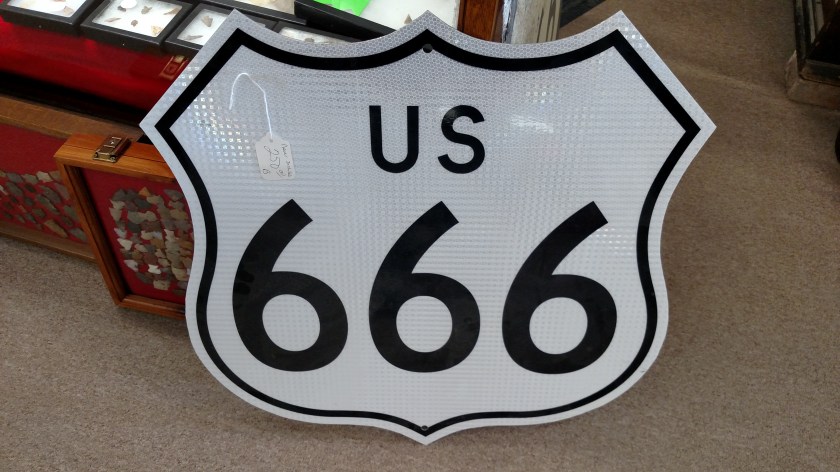
No, that’s not a typo.  Earlier in the trip I traveled on a small portion of Historic Route 66.  Not many people know there used to be a US Route 666 (triple 6 – the sign of the devil).  Unbeknownst to me I have actually been on that road several times during this trip, while down in Arizona and here in Colorado.  In additional to people’s natural resistance to traveling on what they thought might be a “cursed” road, the bigger problem was sign theft.  Arizona finally renumbered the road to US 191 in 1993 and Colorado followed suit in 2003, renumbering their portion US 491.  Curiously, when I was passing through down near the Four Corners area I noticed that my GPS still referred to the road as 666 (I have suspected all along that she has some of the devil in her….).

A friend of mine asked me to keep an eye out for old 666 signs during my trip.  I went to an antique shop in Cortez when they opened at 9 o’clock and sure enough, they had two signs.  I took pictures and sent them to my friend Tom (he and his wife are my hosts when I stay in their home in Missouri via Airbnb).  As you may be able to see from the price tag, they wanted $250 for this never-used sign.  And don’t think the price is high just because it is in mint condition.  A clearly used sign with the triple-6 was selling for $600!!  Since it will probably never sell they should have just priced it at $666.
Not surprisingly, Tom passed on both signs.
IMG_20170930_085614849

Mesa Verde – Cliff Dwelling

I spent most of the day Saturday at Mesa Verde National Park, about 35 miles west of Durango.  I had stopped here when I was in Durango about a month ago but when I got to the Visitor Center and learned how much there is to see here I decided to wait and spend some quality time on my return trip.  Today I finally have the car issues resolved and tried to dedicate most of the day to the Park.

Unfortunately, rain and cold, windy weather had other ideas.  I could tell on the radar that a powerful thunderstorm system was rapidly moving in from the southwest.  As I drove west towards the Park I could see the wicked lightning and very, very dark clouds.  I knew there had been hail with the storm the day before so I was a little nervous but after the first portion of the storm crossed the road I was actually able to scoot through and past the entrance to the Park and overshoot it to the town of Cortez, about 10 miles further west before the second, and larger portion of the storm hit.  There I went to a 24 hour Wal-Mart and shopped for things I didn’t need until the rest of the storm passed.

When conditions improved and the lightning was safely away I went back and spent the rest of the morning and all afternoon at the Park.  Unfortunately, most of the cave dwelling tours are finished for the season.  I may be able to see them from a distance but won’t get close.  The day remained overcast and cold (never even made it past 60 until mid-afternoon).  I took some pictures but will hold off posting them until tomorrow.  I plan to go back all day today (Sunday) and the rain is gone and the weather (and temps) should be much better.  I will visit at least one of the cliff dwellings which still have tours and post those pictures tomorrow.

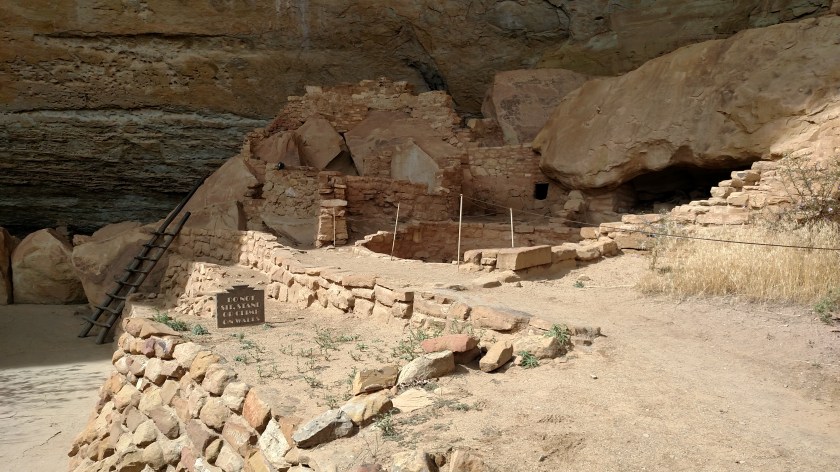
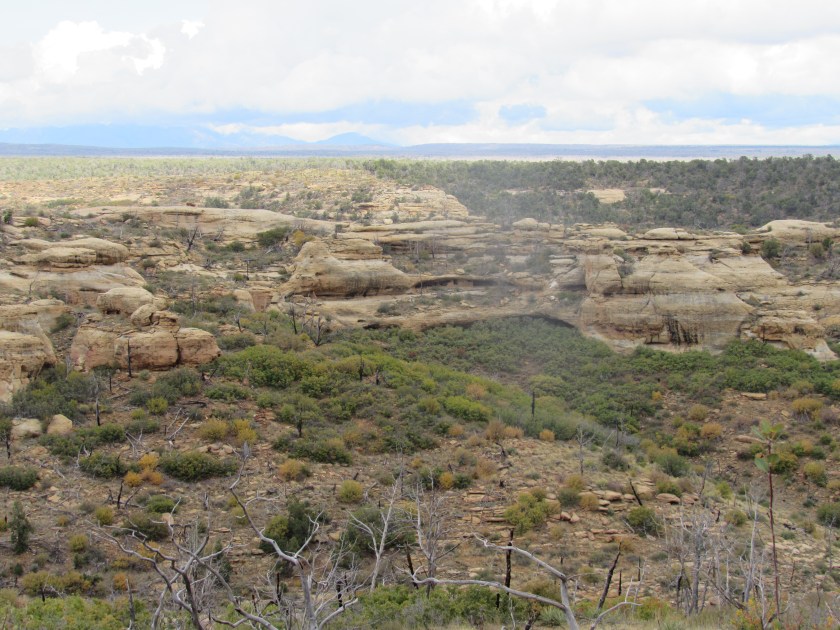
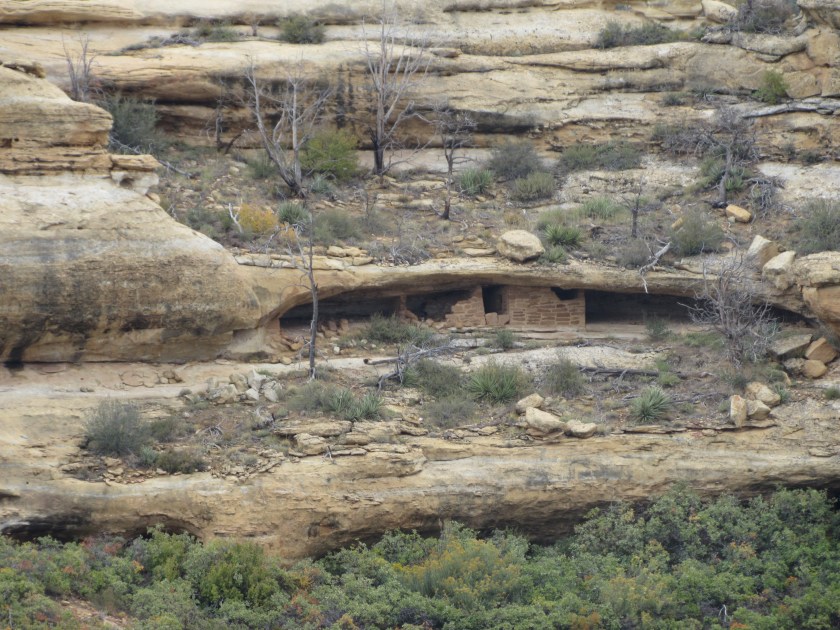
In the meantime, I did spot one very small dwelling (not even on their map) and will post those photos now.  It is VERY small compared to the others, but will give you some idea where they are and how people lived way back in the cave dwelling days.

Here is a sequence of three pictures zooming in on the “tiny house” I spotted from the road.

IMG_0175

IMG_0176

IMG_0177