Kite Museum – Military applications

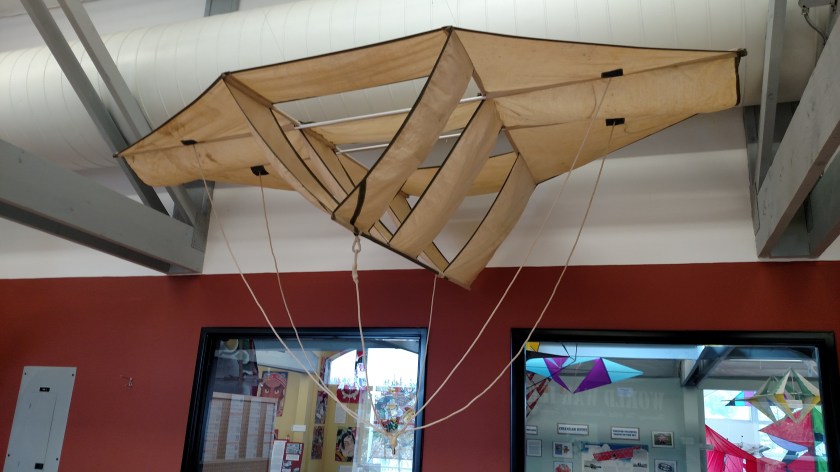
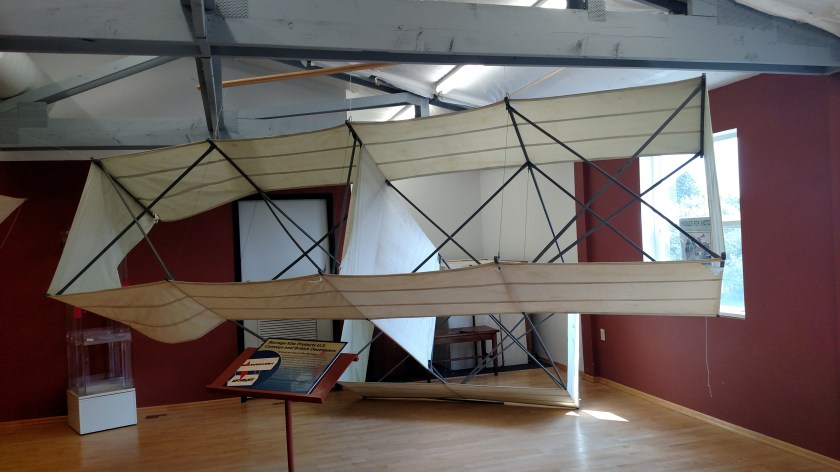
Another interesting part of my visit to the World Kite Museum in Long Beach, Washington on Monday was an area which explained how kites were used by the military, especially during World War II.

Ordinary shaped kites had the image of enemy aircraft painted on them and were then flown to help ground based troops practice firing their weapons at the “planes,” which would then appear at the small size of the real planes they’d be firing at.

IMG_20180813_151401247_HDR

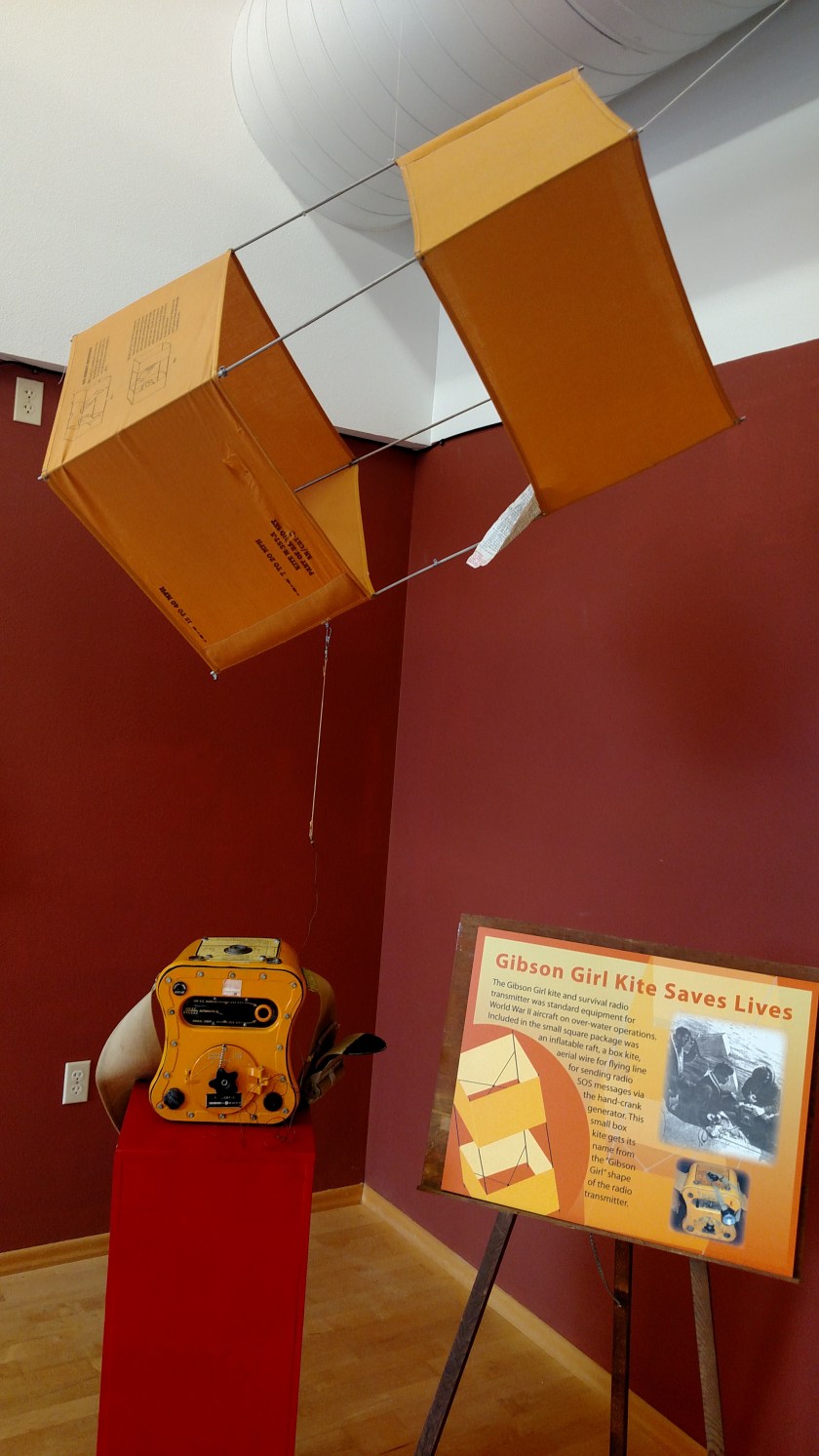
Aircraft flying over water were all equipped with a raft, a hand-cranked emergency radio and a box kite which would be assembled and flown to raise the radio antenna to call for help.  These saved the lives of countless men who were then rescued.

IMG_20180813_151301540

This unusually shaped kite was flown, then “snagged” by an airplane to deliver mail, maps or orders to ships at sea or troops in the field.

IMG_20180813_151244970

And this large kite would be flown high in the air and 2,000 foot lengths of piano wire would hang below it, literally tearing enemy aircraft which flew through it apart.

IMG_20180813_151145340

Let’s Go Big Rig Racin’, Boys….

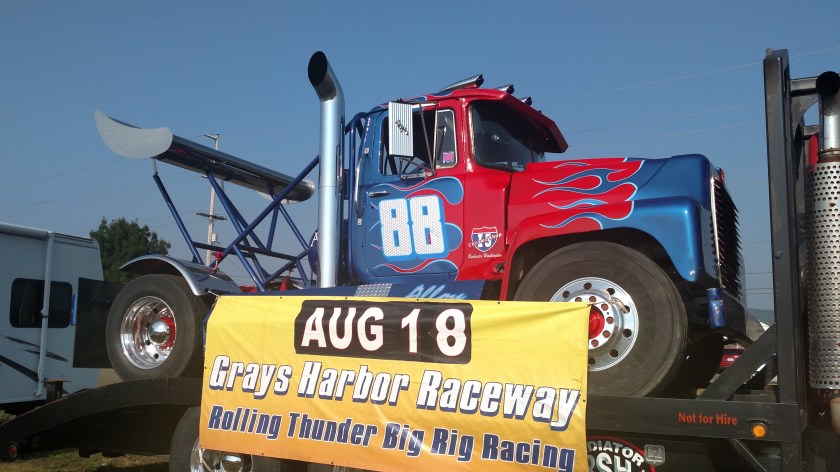
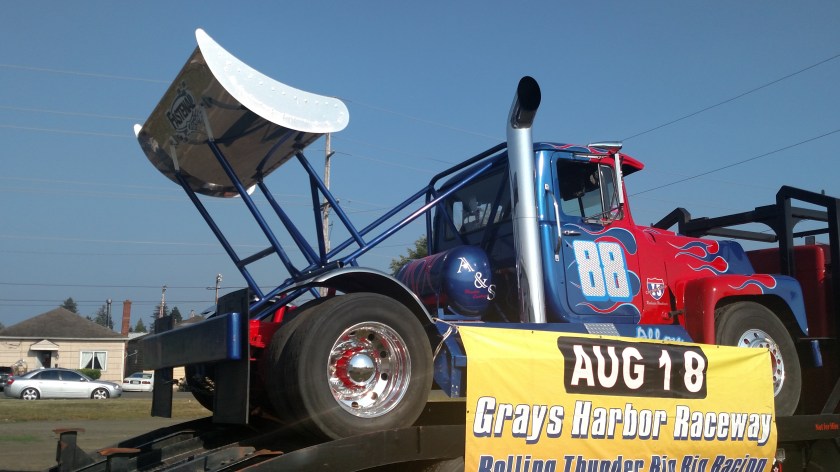
As I was driving to my next Airbnb stop in Grayland, Washington on Monday I saw a truck parked next to the highway with this race vehicle on it:

IMG_20180813_172601848

IMG_20180813_172618451

This immediately brought me back in time to 1984 when I attended a “big rig” race at Pocono International Raceway, near where I lived in eastern Pennsylvania.  Known today as simply Pocono Raceway, the track now hosts two NASCAR stock car races each year as well as an open-wheel IndyCar race.  Well, back in the 80’s someone got the bright idea to race trucks.  BIG trucks.  These were not the full-size pickup truck facsimiles which compete in the NASCAR Camping World truck series today.  These were every-day trucks (the tractor part of tractor-trailer, a common term for 18-wheelers you see on the highway).

While exciting to watch, the race at Pocono brought several safety issues to light and the days of these trucks racing on large, fast tracks like Pocono were short-lived.  In one accident at Pocono a truck went through the boilerplate wall in Turn 1.  Not over it, like race cars occasionally do, THROUGH it.  This actually made officials realize that the low, concrete walls in the pit road area and in front of safety vehicles around the track would be no match for these tall, very heavy trucks traveling at high speed.

I haven’t kept up with “big rig” racing but evidently it still goes on at small tracks, where speeds aren’t as great.  I would still be concerned about public and track worker safety and don’t think I’ll be attending one any time soon…

Water fell from the sky….

The strangest thing happened on Saturday.  It rained.

I haven’t seen measurable precipitation since May 20, the day my nephew graduated from college in Colorado Springs, Colorado.  After that Monday morning ceremony we had lunch, then went to the Garden of the Gods park.  Late in the afternoon Sam looked at the mountain complex which includes Pikes Peak and said “We gotta go, it’s going to rain” and after we got to the car, it did.

Yes, it spritzed on me the day I arrived in Eureka, California but that was only because I had just had the car washed after my “off-road” road trip to The Lost Coast.  And yes, a few big drops fell on me as a small storm tried to overtake me as I retreated from the Tule National Wildlife Refuge back to where I was staying in Klamath Falls, Oregon, but that was only enough to put large spots in the dirt and dust which had accumulated on my car while I was getting bird pictures.  Saturday was the first steady, widespread rain I’ve seen in over two and a half months (and it was probably because I had the car washed when I arrived in Portland on Thursday).

This all took place around noon Saturday and fortunately I had been at the Portland International Raceway track all morning getting pictures of and watching the morning practice and qualifying sessions for the various divisions.   I left when they took their hour lunch break (to give the corner workers and other track personnel a chance to take a break from their duties).  Racing would resume in the afternoon, even though the steady rain was relatively short-lived.  Road course racers have rain tires (with grooves) so a little moisture doesn’t stop them, it only slows them down a little…

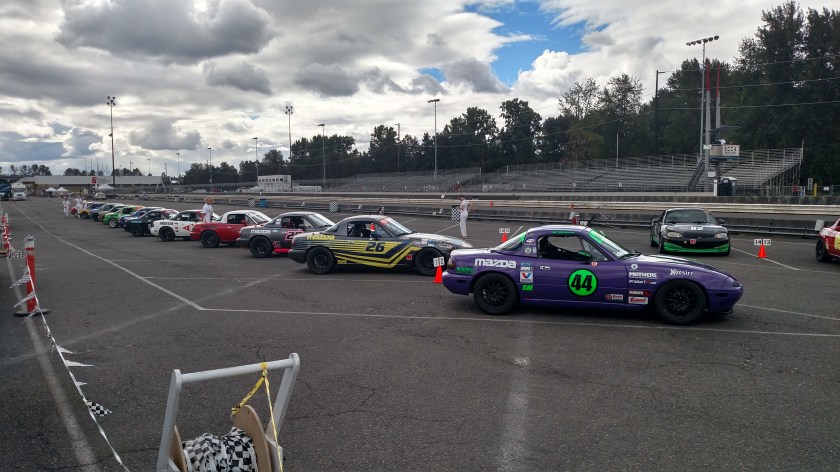
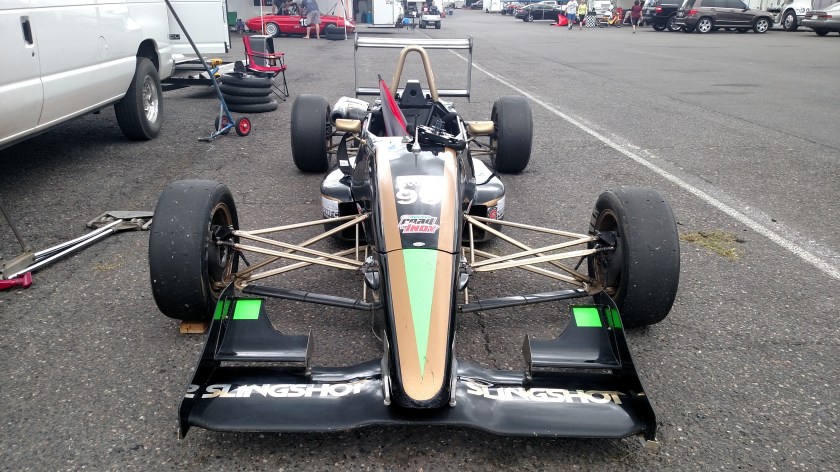
Here are some shots I got Saturday morning before the rain arrived:

IMG_20180811_094523571_HDR

IMG_20180811_100834673_HDR

IMG_20180811_100937895_HDR

IMG_20180811_101057109

IMG_20180811_101341523_HDR

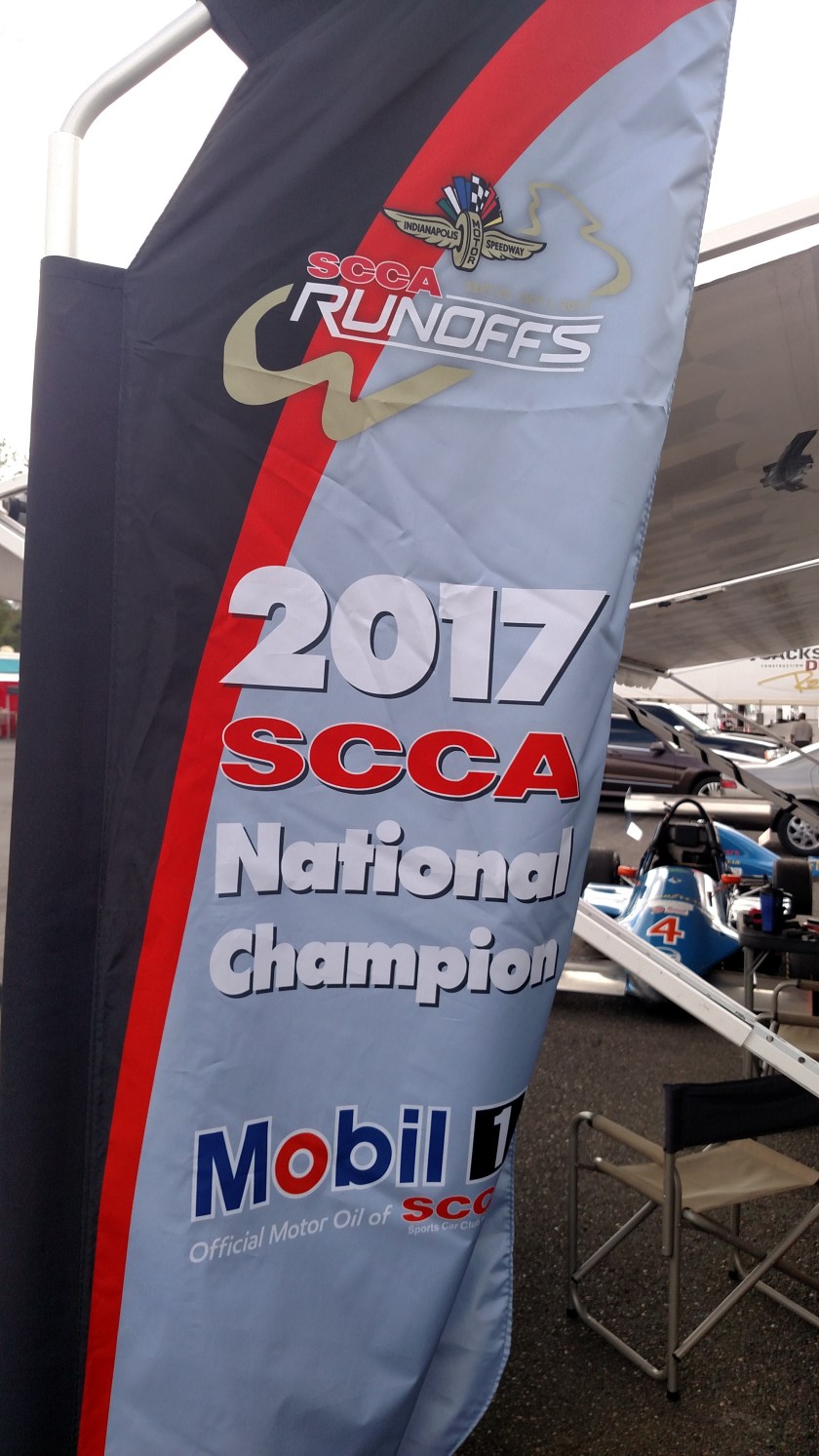
This next car, the blue #4, won it’s National Championship at the year-end “Runoffs” held last fall at Indianapolis Motor Speedway.  When my friend raced back in the 80’s the Runoffs were always held at Road Atlanta in Georgia, but in fairness to competitors in other parts of the country they started moving them to other venues around the country.  In 2019 the Runoffs are coming to Virginia International Raceway, only about an hour north of Durham!

IMG_20180811_101543825

IMG_20180811_101604600

IMG_20180811_101924396_HDR

Here is an Alfa Romeo (foreground) and an MG (behind it) which were competing in the VP (Vintage Production) class:

IMG_20180811_102417880

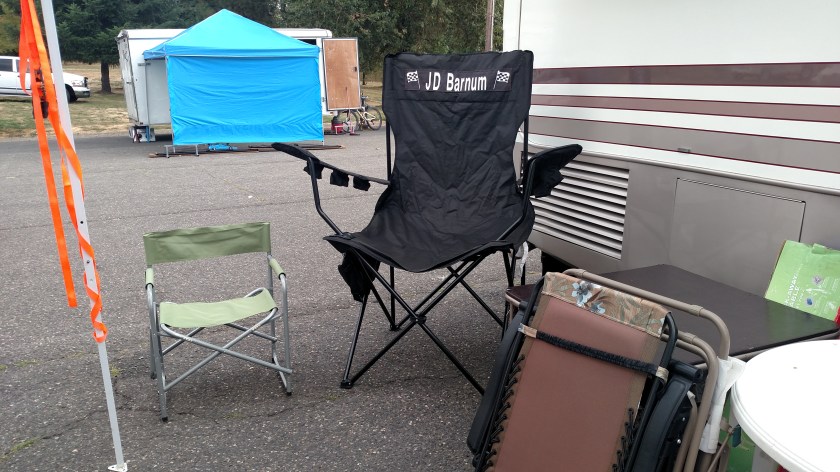
Here is a really big chair for one of the drivers!  I later saw two teenage lovebirds snuggling in it and was tempted to take a picture but thought I’d leave them their privacy.

IMG_20180811_102727916


IMG_20180811_110716432

IMG_20180811_110739294

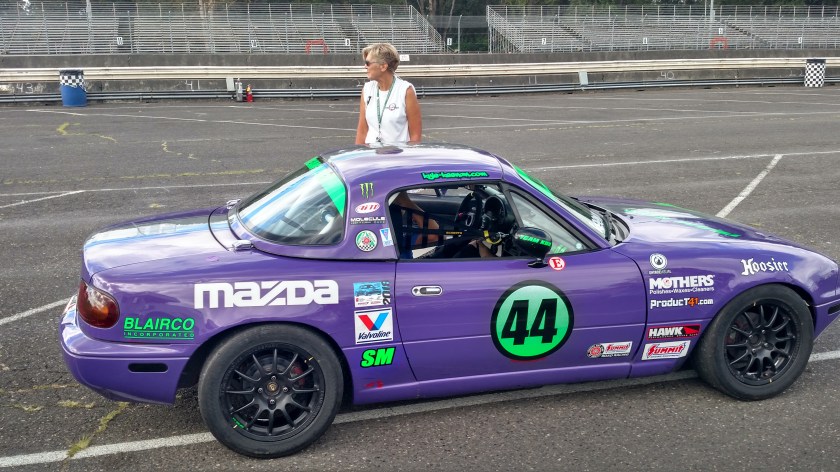
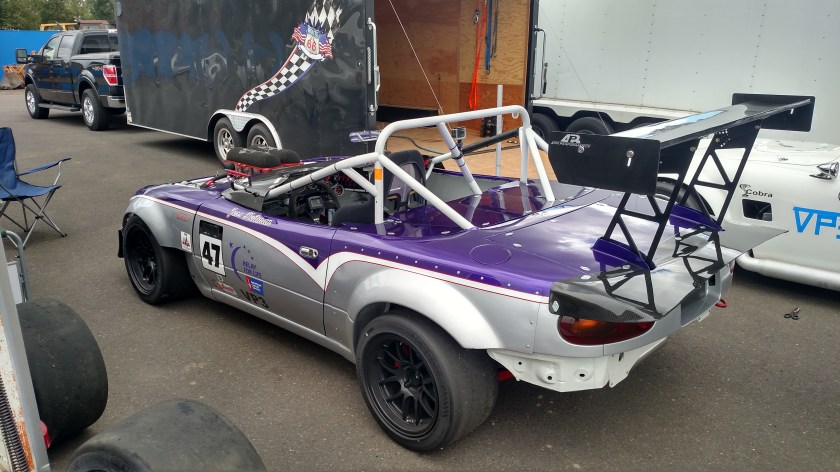
Here is a Mazda Miata with a tad more modifications than the others…

IMG_20180811_111047342_HDR


IMG_20180811_102647632

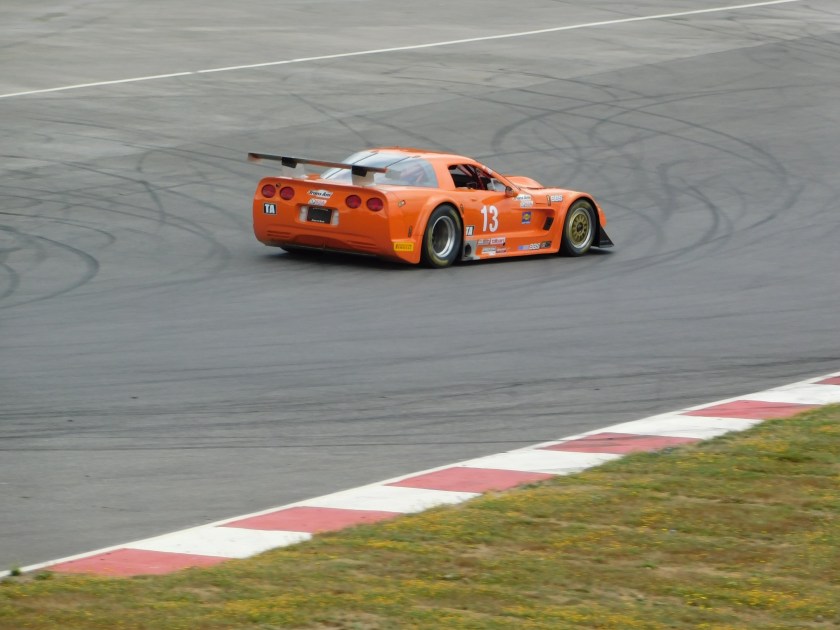
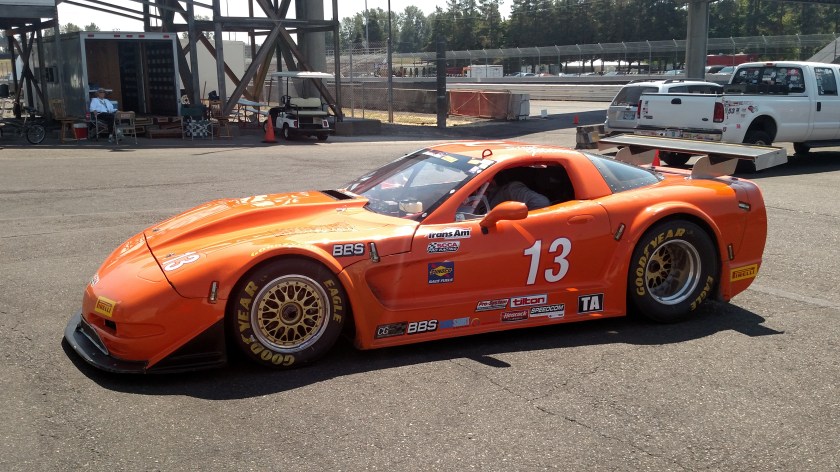
I spent some time in a grandstand near the end of the main straightaway overlooking the “chicane,” a zig-zag type curve which forces cars to reduce speed before entering the first main curve.  The orange corvette below later suffered mechanical problems and was put in the trailer to take back to the shop.

DSCN6809

DSCN6810

DSCN6811

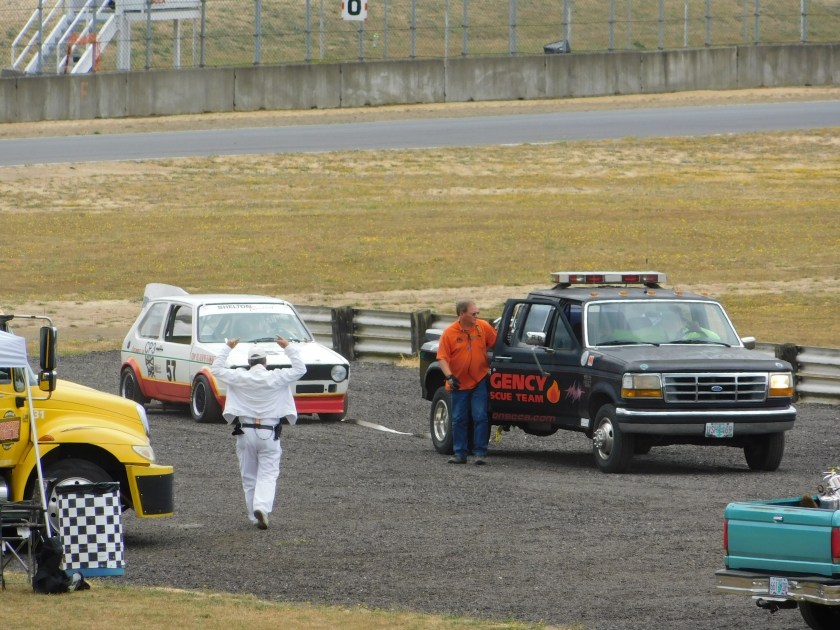
The car below wasn’t so lucky.  It broke down on the track and needed to be towed back to the paddock area via a strap attached to a pickup truck.  There are tow trucks and flatbeds available for more severe wrecks but hopefully most competitors only need some pulling assistance if they break down.

DSCN6818

DSCN6815

DSCN6816

I actually spent most of Saturday and Sunday at the track, reliving memories of the days I used to go to SCCA events with my friend from Pennsylvania.  I did go to an SCCA weekend at VIR up near Danville, VA a few years ago but now with my big trips during the summer I’m not there when they hold them.

Seaside, Oregon

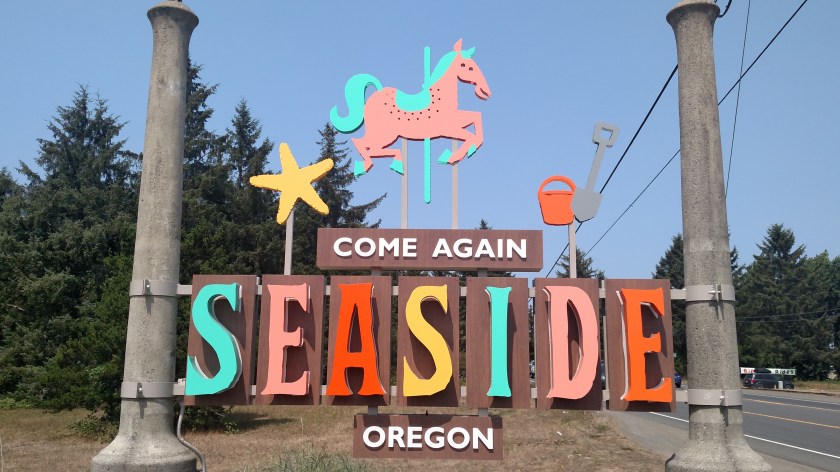
Tuesday and Wednesday of last week my Airbnb was in Gearhart, Oregon which is just north of Seaside.  Unlike most Pacific coastal towns I have visited thus far Seaside reminded me very much of beach towns on the east coast (Seaside Heights, NJ, for example) in that it has a “boardwalk” (concrete, but that’s ok), arcade palaces, ice cream vendors, salt water taffy, etc.

IMG_20180807_135021542

IMG_20180808_100035950

IMG_20180808_100015591

IMG_20180808_095949398

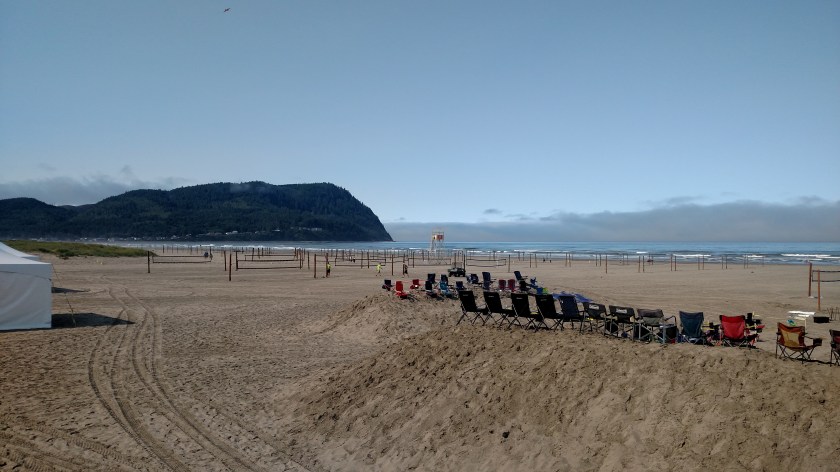
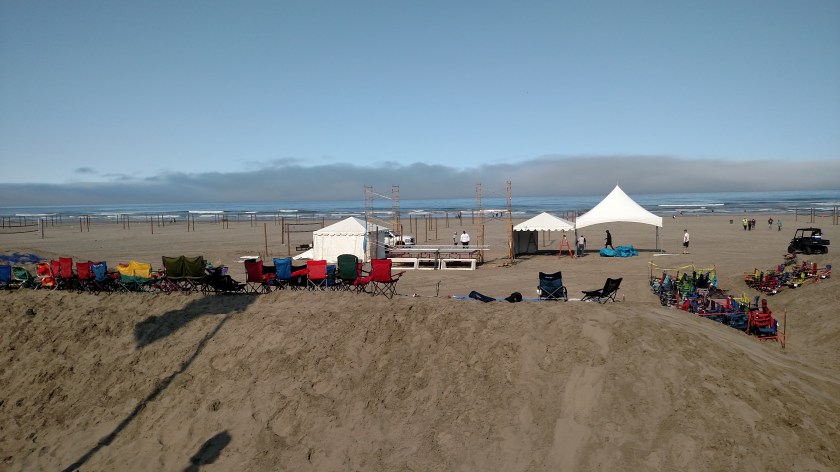
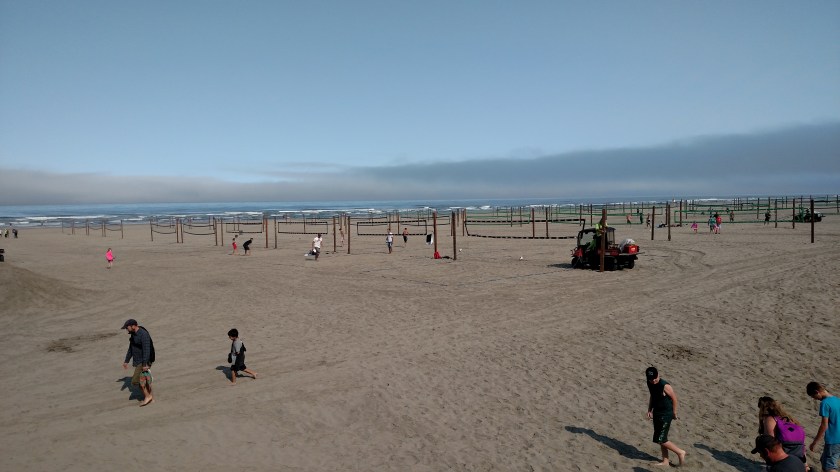
You may notice an inordinate number of beach volleyball courts (and wooden posts in place to accommodate nets).  That’s because this weekend, as I post this, Seaside is hosting it’s 37th annual beach volleyball competition.  Over 1,000 teams are competing, making it the largest gathering of it’s kind in the world.  I counted 50 courts looking north (3rd photo) and posts for another 50 looking south (first photo).  This was taken Wednesday morning and they were working to add nets and court outlines for all the courts by Friday.  In the second photo above you’ll see a stage being set up for a music concert and people were already staking out their spots with beach chairs setup on the manmade sand dunes.

Shortly after I arrived on Tuesday and parked a few blocks from the beach I heard sirens coming up the street behind me.  Two ATV’s (lifeguards/beach rescue) came by me with lights and sirens blazing.  Fortunately it was a false alarm and before I could even walk as far as the beach one was returning to it’s station:

IMG_20180807_121122600

There were lots of places to rent various pedal-power vehicles, single, double, or one for the whole family:

IMG_20180807_120919916

Seaside is not very big but there are a few big chain hotels with either beachfront locations or just one or two blocks from the beach.  It was very easy to walk around town but I was glad I was there before all the volleyball crowds arrived.

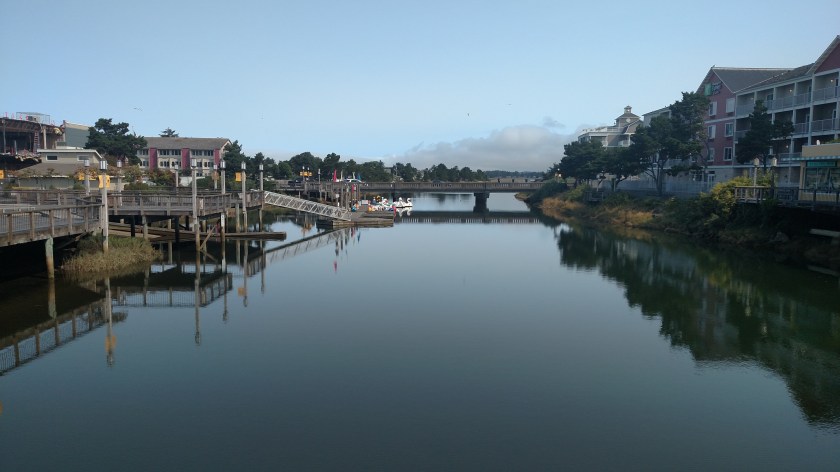
As I walked somewhere to get something to eat I crossed over this river which also runs through town, parallel to the beach:

IMG_20180808_105332966

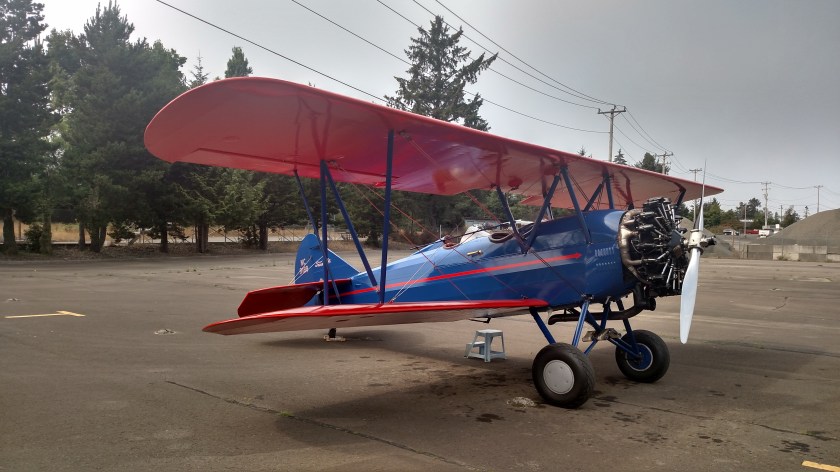
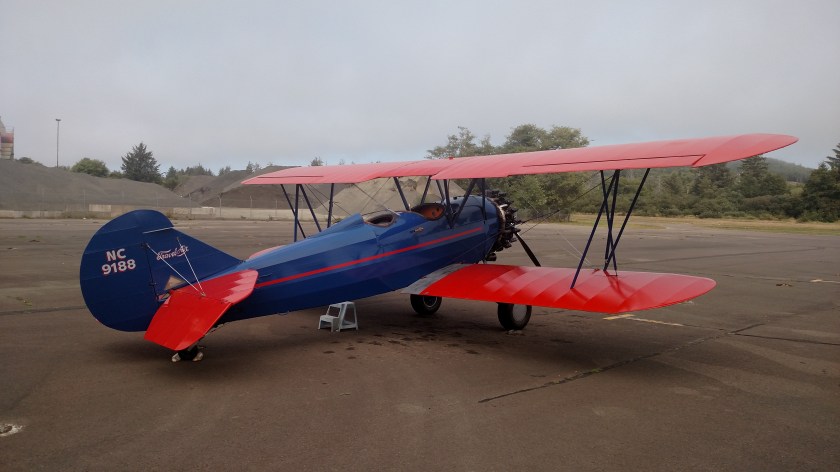
And as I was driving back to where I was staying I saw a small airport with a guy offering rides on his vintage 1929 bi-plane:

IMG_20180808_145829035_HDR

IMG_20180808_145851607


Extreme Northwest Oregon

On Tuesday and Wednesday I visited various parts of Fort Stevens State Park, which is as far north and west as one can travel in the state of Oregon.  There was a large wooden viewing platform at one of the parking areas which gave a great view of the ocean and of the “south jetty” which was constructed by the US Army Corp of Engineers to protect the “mouth” of the Columbia River as it dumps into the Pacific Ocean.

This is looking south:

IMG_20180807_154556322

And this is looking north, along the jetty:

IMG_20180807_154644959_HDR

Those were both taken at relatively low tide.

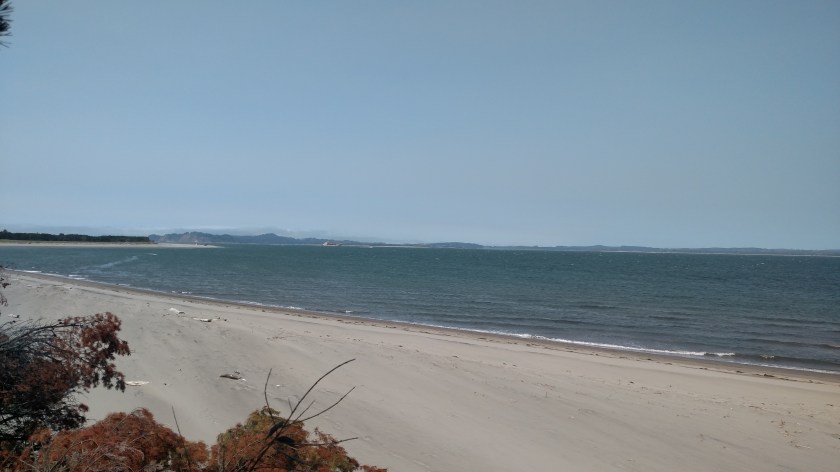
Next I went to another parking area, this time overlooking the first few miles of the Columbia River.  Washington state is on the other side of the river.

IMG_20180807_142737744

IMG_20180807_142718882

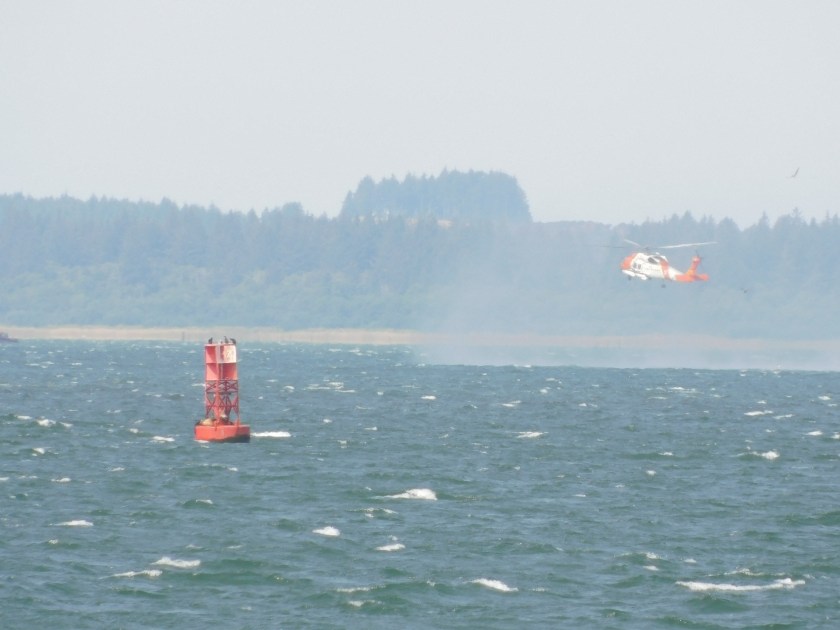
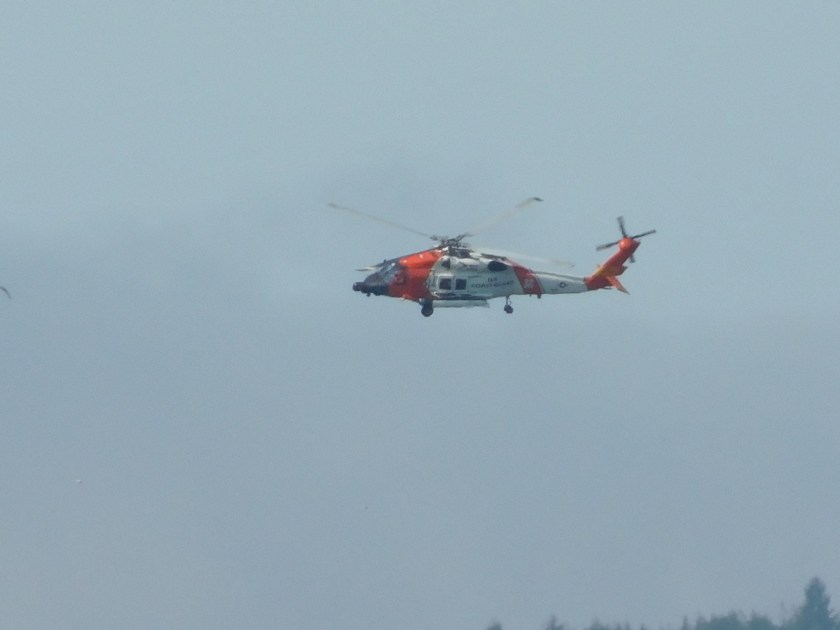
And lo and below, across the river was another US Coast Guard helicopter which appeared to be involved in a training exercise – hovering low over the water.  I didn’t see any divers being raised or lowered as I did further down the coast about a week and a half ago.  From when I first noticed it until it left the area probably close to 45 minutes had elapsed.

DSCN6624

DSCN6648

DSCN6662

At one point the helicopter raised up and made a slow counter-clockwise loop before resuming it’s hovering stance low over the water.

DSCN6677

DSCN6710

I presume this was a training exercise.  Pilots can train on flight simulators all day long but there is no substitute for practice under real-life conditions, especially given the effect that strong and sometimes variable winds near the water can have on an aircraft.

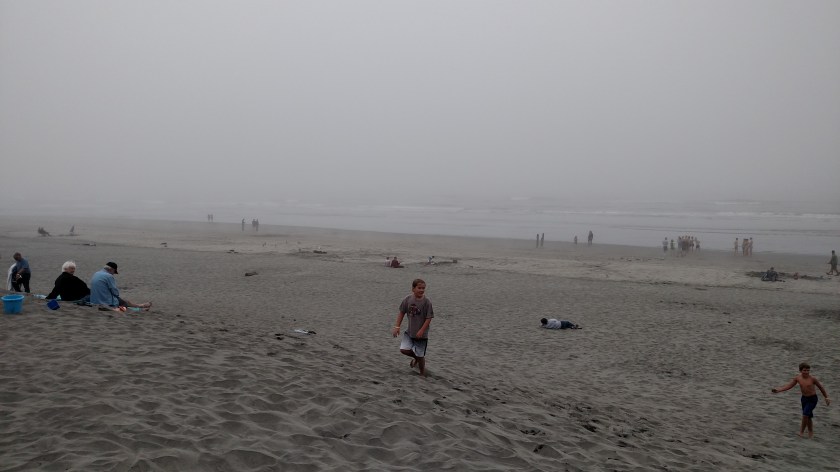
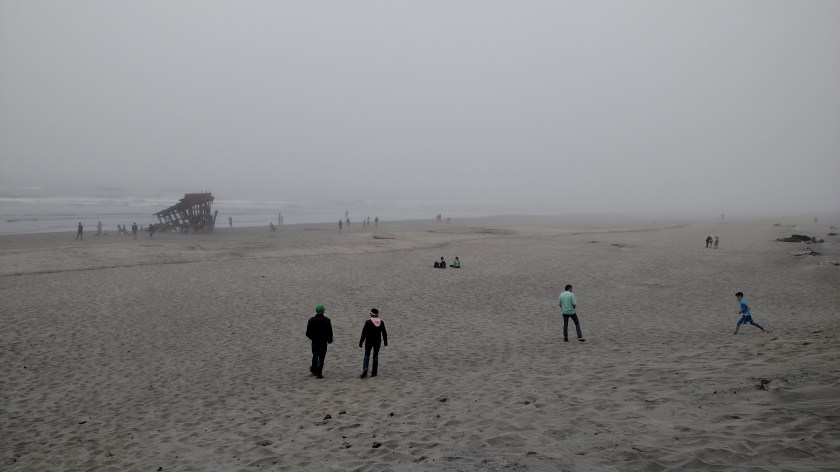
One last stop in Fort Stevens State Park, which I didn’t do until Wednesday because it had gotten so windy the day before, was to another parking area further south in the park, overlooking the ocean.  Unfortunately I wasn’t affected by wind but by fog:

IMG_20180808_123844076

IMG_20180808_123848567

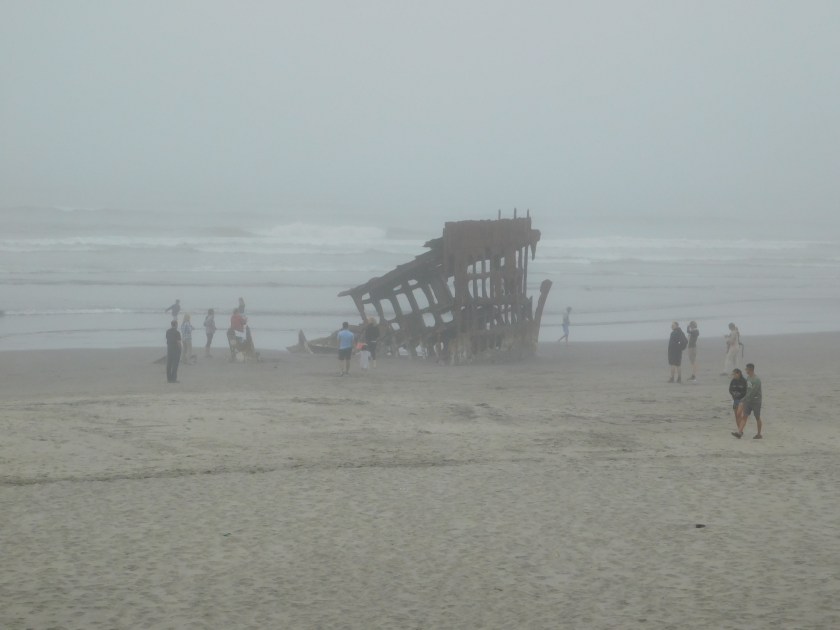
And the thing you see on the left hand side of the bottom photo is part of an old shipwreck.  The ship Peter Iredale ran aground here on October 25, 1906 while attempting to enter the Columbia River.  The ship remained largely intact and all the people on board were successfully removed from it but before it could be pulled back to sea it listed to one side and started to break up with the forces of the ocean acting upon it.

This is all that remains:

DSCN6712

DSCN6714

Columbia River Bar

No, this isn’t a place to hang out with friends after work.  This is an area where the Columbia River (which flows east to west and runs between Washington state to it’s north and Oregon to it’s south) dumps into the Pacific Ocean.

The area off the coast where the western flowing water of the river meets the eastern flowing water of the ocean can create treacherous and sometimes deadly conditions.  This area, about 3 miles wide and 6 miles long, is called the Columbia Bar.  I read this on a sign while I was in Astoria, Oregon on Thursday morning: “The Columbia River Bar is considered by professional mariners to be the most dangerous bar crossing on the planet”.  Since 1792 approximately 2,000 large ships have sunk in this area, often called the “Graveyard of the Pacific”.  I read that conditions along the bar can change from calm to life-threatening in a matter of minutes, depending on the wind and the size of the waves.

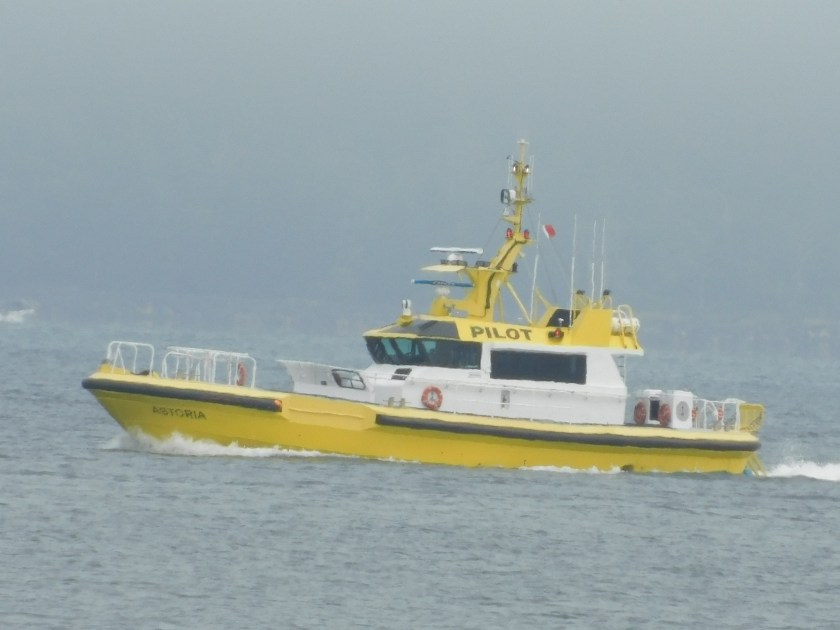
For this reason, professionals called “pilots” are made available to board large cargo and cruise ships which enter and leave the Columbia River and they assume navigational control of the ships.  All large vessels crossing the Columbia Bar are required to utilize a trained pilot.  In favorable conditions, these pilots will board the vessel via a small boat which is attached to another “escort” boat.  The escort will either take the pilot to incoming ships while at sea and accompany them in or will escort the large ships out to sea and then bring the pilots back to port.  In bad weather the pilots board the large ships via helicopter.  There are currently 16 trained “pilots” and they supposedly make close to $180,000 per year.

Here is a pilot boat, the Astoria,  I saw in action on Wednesday:

DSCN6722

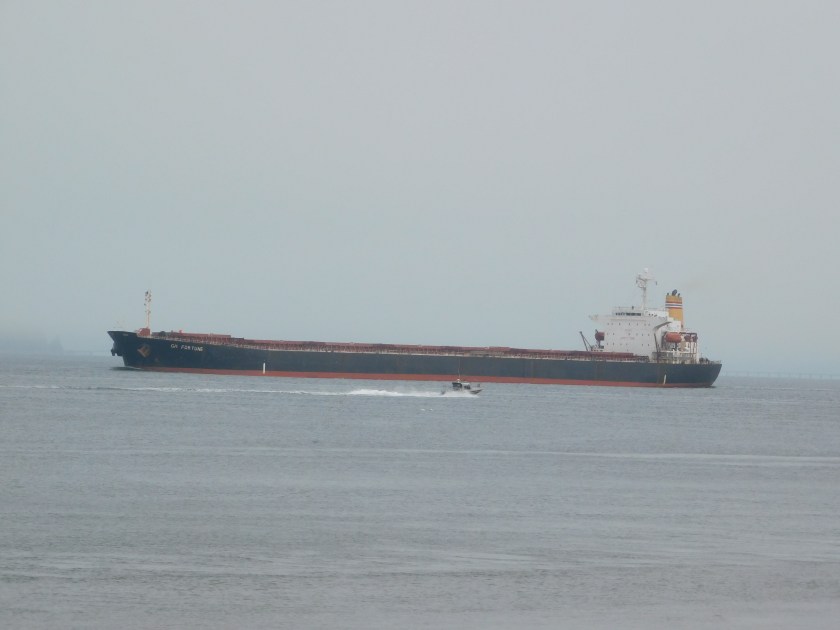
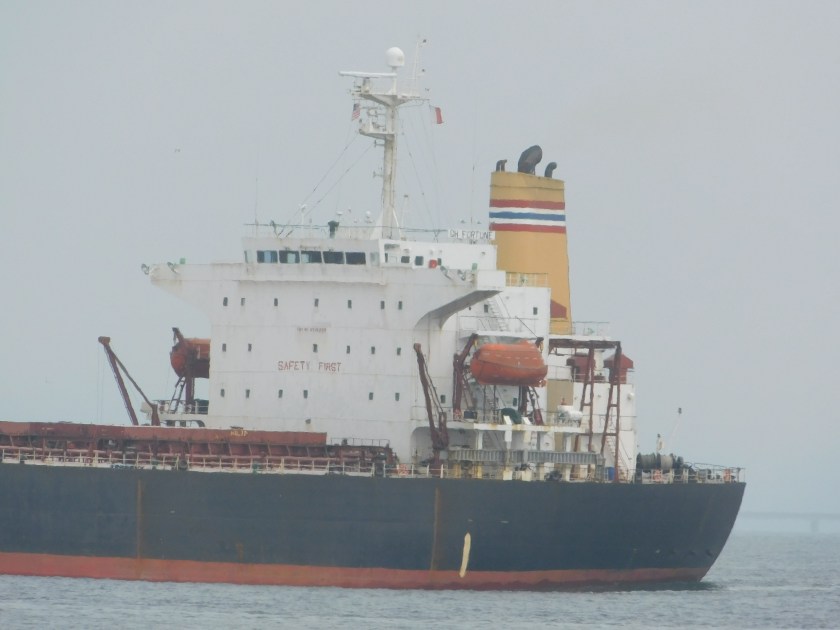
It appeared to be escorting this cargo ship, the GH Fortune, out to sea:

DSCN6730

DSCN6733

DSCN6750

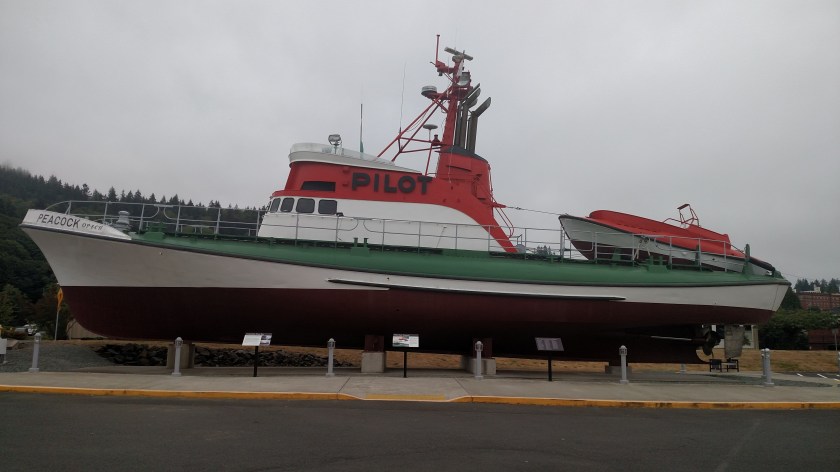
I saw another pilot boat while I was in Astoria, this one on land.  This is the Peacock:

IMG_20180809_103252151

The Peacock was first used in 1967 and over the next 33 years helped pilots board and escort over 120,000 ships.

Columbia River Maritime Museum

Thursday as I traveled from near Seaside, Oregon to Portland (which is inland quite a ways and southeast) I first headed northeast to the town of Astoria, which is along the mighty Columbia River.  I had seen parts of the Columbia River Gorge east of here during my trip last year (search for “Columbia River” on the Home page or use the calendar grid there to look at posts dated 7/30/17 and 8/9/17) but this was my first time seeing the extreme western part of the river.

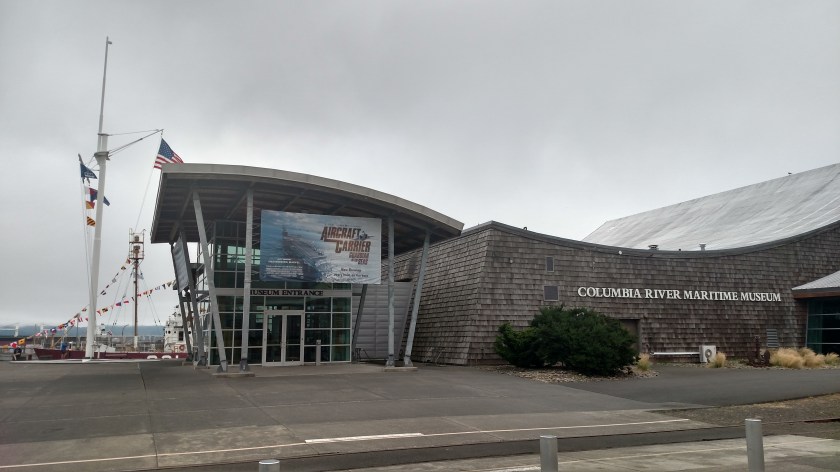
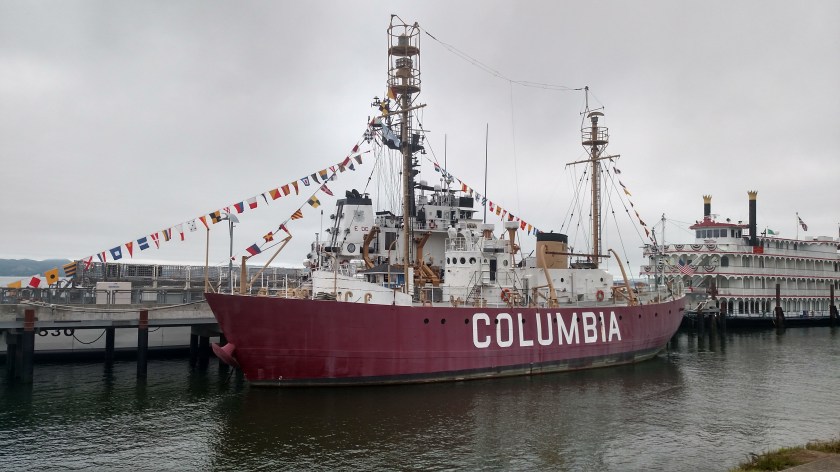
One of the things I stopped at in Astoria was the Maritime Museum.  I didn’t go inside but will probably do that when I pass through Astoria again on Monday on my way up to Washington state.  Here are some photos I took outside the museum:

IMG_20180809_101710843_HDR

IMG_20180809_101847879_HDR

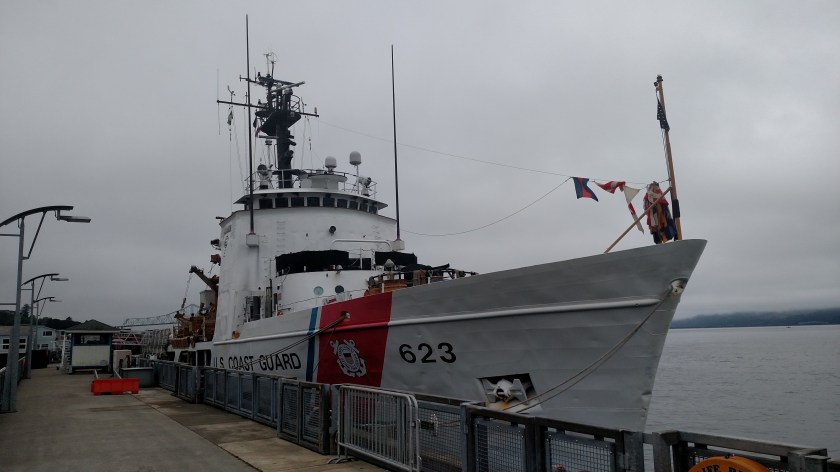
There were two large Coast Guard ships docked in Astoria, the “Steadfast”…

IMG_20180809_102024513

… and the “Alert”

IMG_20180809_102307989

Because of the length of the dock I could only get to the front of one and the back of the other.

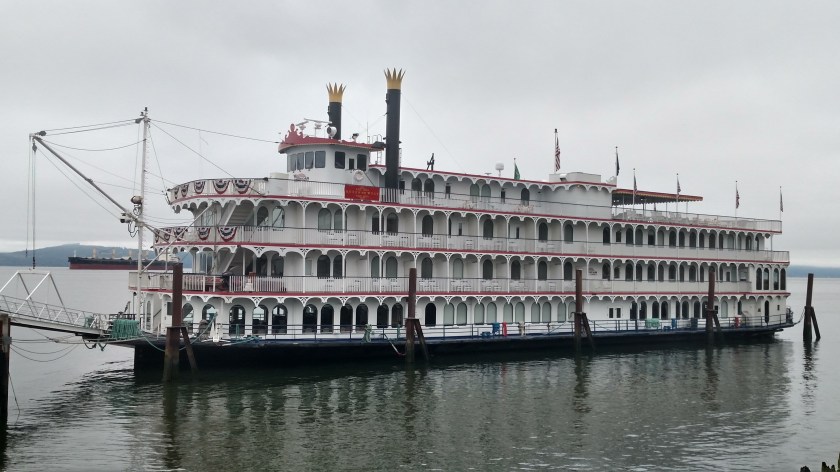
There was also this huge paddleboat, patiently waiting for customers to board for a trip on the river:

IMG_20180809_102559604_HDR

And from the museum I could look west and see part of the Astoria-Megler Bridge, which I will cross on Monday as Highway 101 takes me north into Washington state.

Portland International Raceway

This was a pleasant surprise when I arrived in northern Portland on Thursday morning.  When I was at the Staples store where I had reserved my new laptop computer I saw this facility sitting just to the west of Interstate 5.  I later saw a guy who was working at the track as a volunteer official for a series of SCCA races being held there this weekend!

SCCA is the Sports Car Club of America (whose former president was a guy named Jeff Dahnert – maybe not a direct relative but certainly an indirect one, as there aren’t that many of us in the United States).  Many years ago I worked for a friend of mine when I lived in Pennsylvania and we went to all the SCCA races in the Northeast Region (he raced an open cockpit Porsche speedster), and later to the “Runoffs” which are races for the leaders of their respective regions around the country to compete against each other.  I spent over a year doing that (no direct pay but I had many meals at his house and he paid my room and board when we were on the road at distant races) and we went to events exactly like the one currently being held here in Portland this weekend.  I will post more about that some other day.

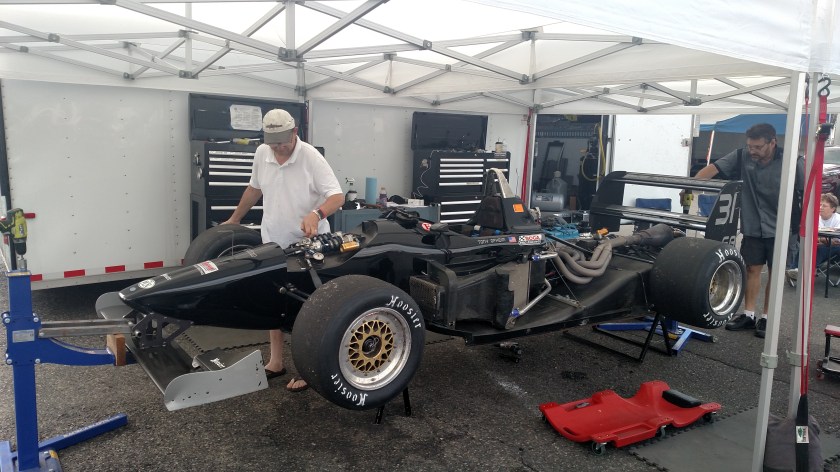
Friday I went to the track and after signing a waiver, roamed around the paddock area looking at the various race cars and the work being done on them.   PIR is a relatively small (in the grand scheme of things) road course.

IMG_20180810_115056080i

IMG_20180810_122231067_HDR

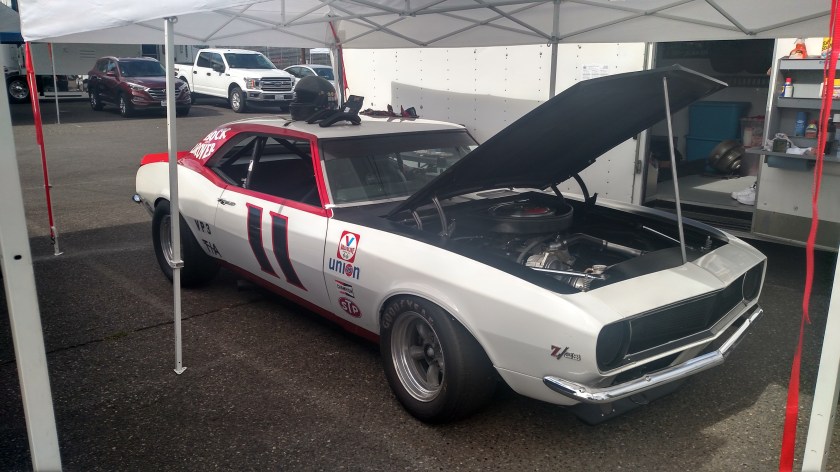
As you will see, all kinds of cars will be competing, some were specifically designed for competition and some are street-legal and can be actually driven to (and hopefully from) the track.  Accidents do happen and there are safety personnel and ambulances scattered at strategic locations around the course.
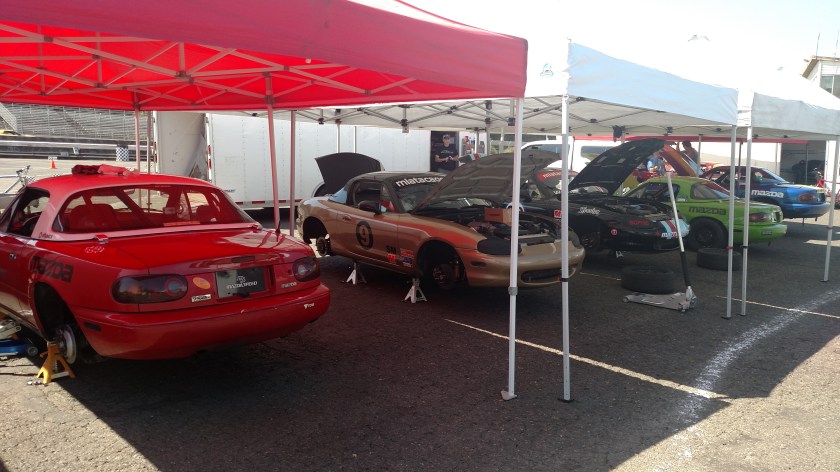
IMG_20180810_122405494

IMG_20180810_124244529_HDR

Here is the Pace Car, positioned at pit-exit on the main straightaway.  It is always ready to go on the track, if necessary, to slow the cars in the unlikely event of a major accident, and is generally used just to control the field at the start of each race.  SCCA races are usually only 20-30 minutes long and there are multiple “classes” of cars on the track at the same time.

IMG_20180810_123028691

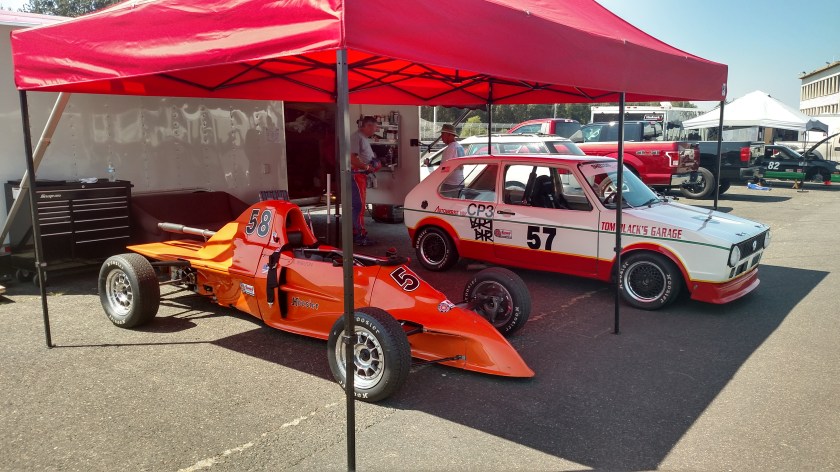
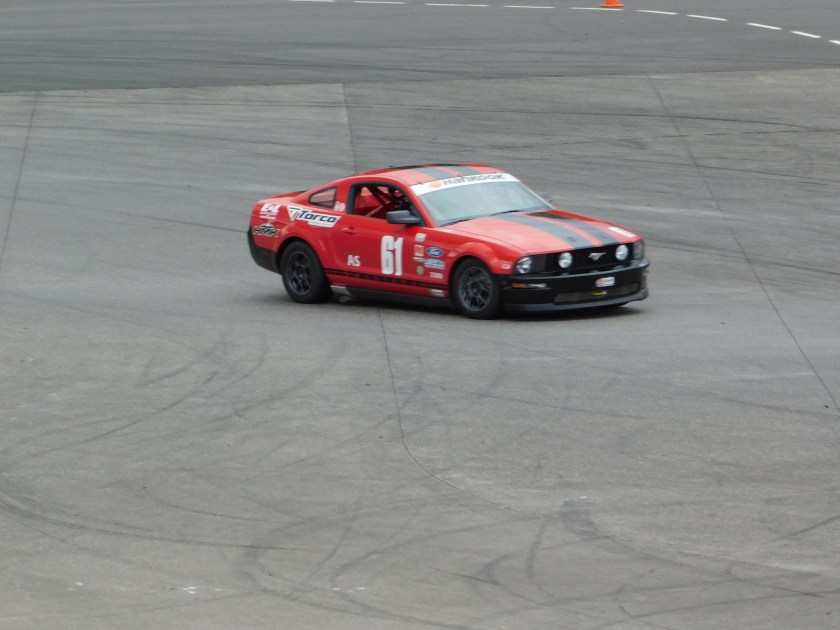
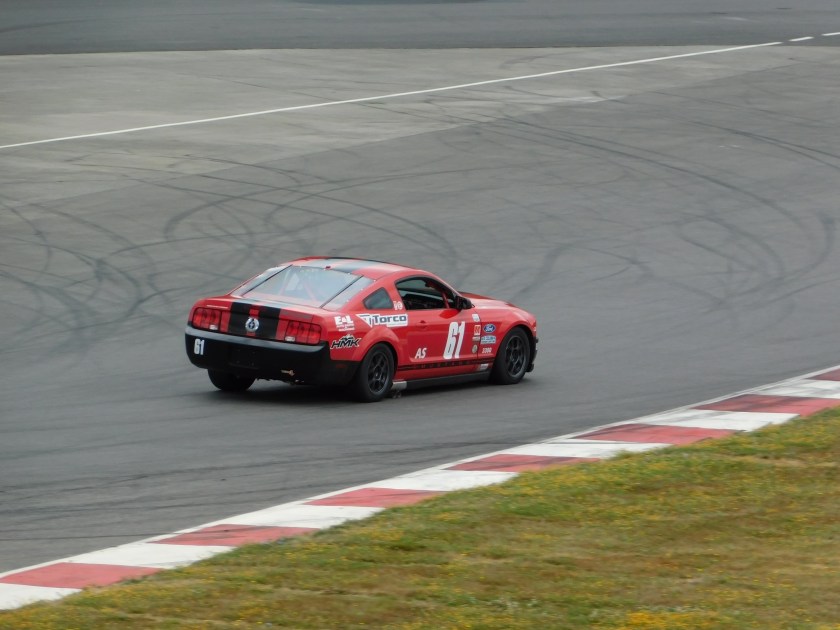
The letters and small numbers on the cars indicate which class they are competing in at this event (for example SRF3 on the red and white car two photos above).  There are usually 7 or 8 actual races (1 for each group) as well as practice sessions for each race group scattered throughout the day, and there are usually races and practice sessions on both Saturday and Sunday.   Friday is usually just to get track time and for the drivers to get oriented on each track’s setup.  Every track they go to is slightly different.
IMG_20180810_124526969

Some people race multiple cars (one at a time, of course!).  This driver has both a modern Nissan, on the left, and a rather old Datsun (which Nissan’s were called many years ago).  IMG_20180810_124425204

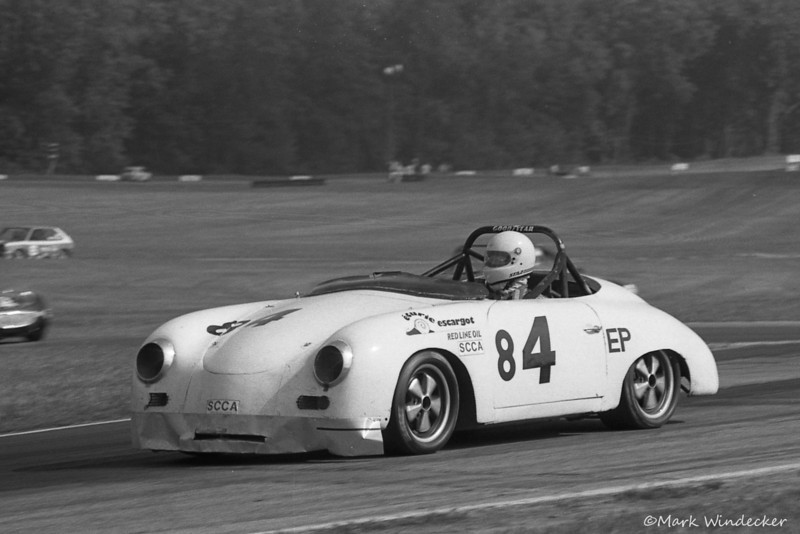
My friend in Pennsylvania (a radiologist who lived just down the road from my boss, who is the one who introduced us) raced a 1956 Porsche speedster.  I found this picture online:
Helmick Speedster

(Photo credit & copyright: Mark Windecker)

Our car number was usually 43, but for this race, held in 1987 at Mid-Ohio race course in Mansfield, Ohio, there was evidently a number 43 already registered in EP (E Production, a class determined by engine size, to keep various makes competitive) so he had to remove the 3 and add an 8, making his number for this event 84.

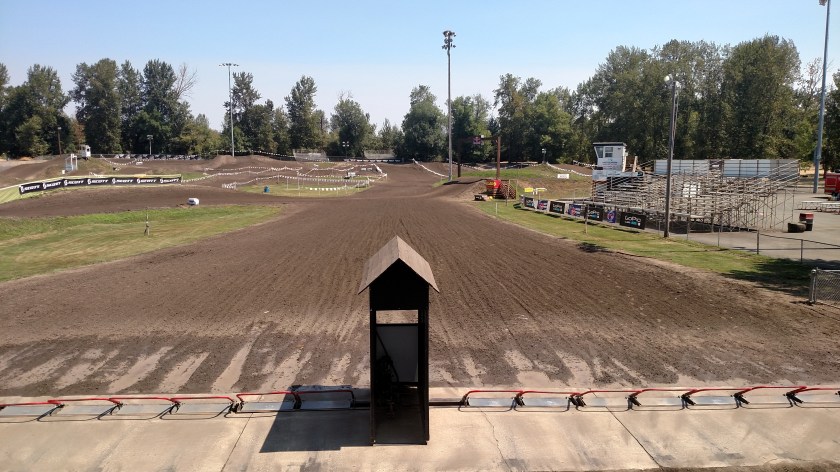
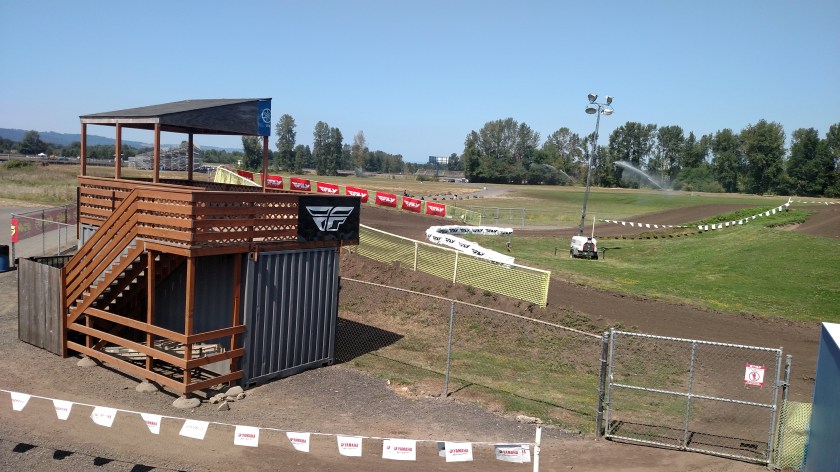
In addition to the road course at Portland International Raceway there is also a dragstrip for that type of racing and a dirt Motocross course for motorcycles.  This is a 3-shot, left to right panorama of it:
IMG_20180810_123305294

IMG_20180810_123312331

IMG_20180810_123335820

In the last shot you are looking at the “starter stand” and the motorcycles line up on both the left and right side behind the red bars (which are raised up off the ground facing where I was standing).  Those bars prevent anyone from getting a “jump start” and are lowered simultaneously when the starter waves the green flag.  Unlike other race tracks, the bikers leave from here but never return during the race.  Once they are on the track they will cross over this area from left to right (in the center of the photo), around a series of turns and up and down hills, until the checkered flag is waved at the designated Finish line.  The rest of the track isn’t nearly this wide.

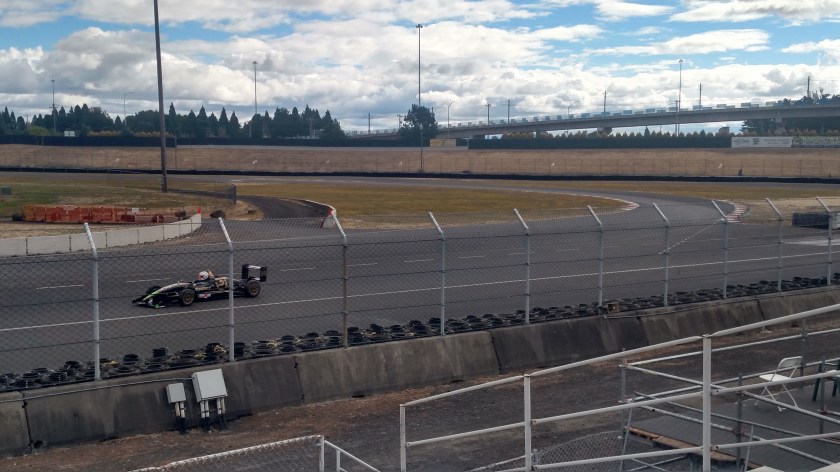
As I was leaving PIR on Friday, and had walked over the pedestrian bridge above the track, this race group of “Formula” cars had just been released by the pace car and was coming up to speed going on to the main straightaway.

IMG_20180810_124708011

I am posting this at 845am local time Saturday morning and am getting ready to shower and head for the track!

Portland, Oregon (Saturday)

I tried posting something Thursday morning explaining my short absence (Dude, you’re gettin’ a Dell…) but it didn’t go live until Saturday night.  I ended up getting a new laptop Friday when I got to Portland and now have it up and running.  This is my first post using it (well, after getting the Draft from Thursday to go live a few minutes ago).

I am now in Portland for the remainder of the weekend and have the new computer at least to the point where I can use it for basic stuff, and have transferred my trip pictures to it.

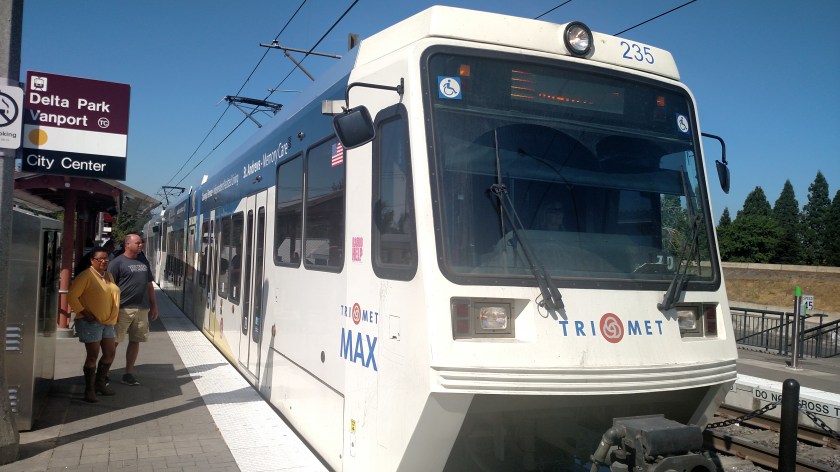
Thursday I drove to Portland, picked up my new computer and was invited to spend the night at the home of my sister-in-law’s brother and his wife who moved to Portland from New Jersey several years ago.  They were leaving Friday for Tucson to visit Susan’s parents so I am now in an Airbnb for the next three nights.  This afternoon I took the Portland light-rail train “MAX” from the northeast side of town where I’m staying to the southeast side of town to have dinner at the restaurant where my niece (who attends college in Portland) is working.  Traffic was crawling on Interstate 5 when I went south – Friday afternoon rush hour – and it was still crawling when I came back north, so I’m glad I took the train.

IMG_20180810_155057651

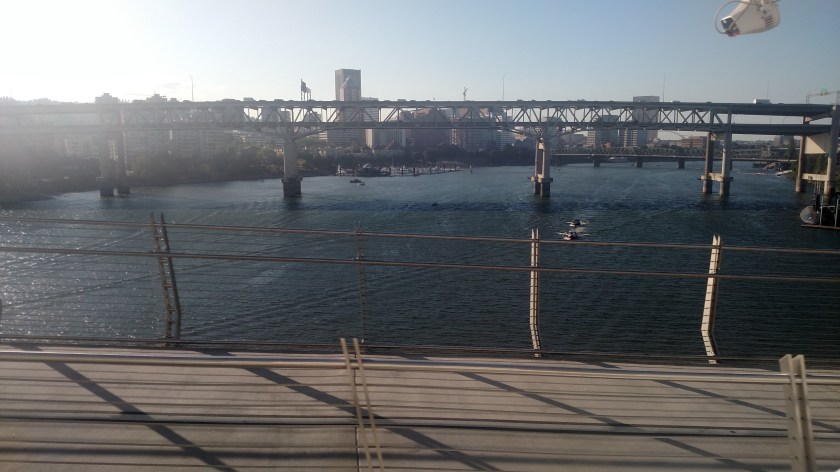
After her break was over and I had finished my meal I hopped on the northbound train to head back to where I’m staying.  This was the view as we crossed the Willamette River from east to west (downtown Portland is in the background)…

IMG_20180810_181736744

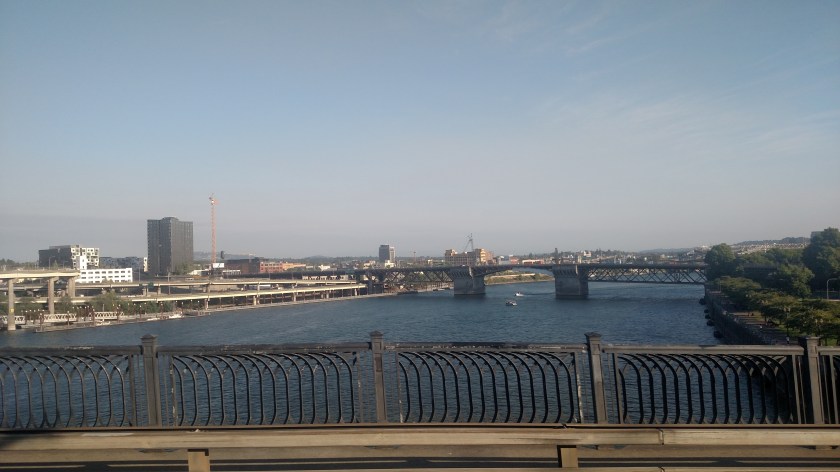
… and then as we crossed it again from west to east about 20 minutes later (after a few stops downtown):

IMG_20180810_183926456

On the far right of the middle photograph you can see the submarine I toured last year while I was visiting Portland (search for “USS Blueback” on the Home page or use the calendar there to go back to posts dated August 9, 2017).

Dude, you’re gettin’ a Dell…..

Actually, I’m getting another Hewlett Packard.  Yesterday, while I was reviewing pictures from the past few days and getting caught up on posting some things, my laptop, which has served me very well for many years, started showing early warning signs of failure.  I have already ordered a new Hewlett Packard laptop and will pick it up in Portland, Oregon when I arrive there later today (Thursday).  It may take me a day or two to get it set up and transfer files and photos from the old machine, which hopefully will continue working throughout that process.  I backup pictures regularly but have other things which I don’t backup that often so I want to get this done before I lose anything crucial.


This has nothing to do with my computer issues but is a lone photo I took on Monday as I returned to little Nehalem, Oregon where I was staying at the time.  This outfit has little “cars” which people can pedal on old, unused railroad tracks!
IMG_20180806_143122725

They are called “Rail Riders” and evidently groups of up to 10 of these vehicles are sent out together (3 groups per day) to pedal through several miles of scenic countryside.  I was talking to some people who were getting ready to go out but the organizers called them together for an orientation and safety meeting so I didn’t stick around to see them off on their journey.