This locally found phytosaur bone was on display in the Visitor Center of the Petrified Forest National Park in northeastern Arizona. I’ll let the accompanying signage handle the spelling, pronunciation and size relativity matters.
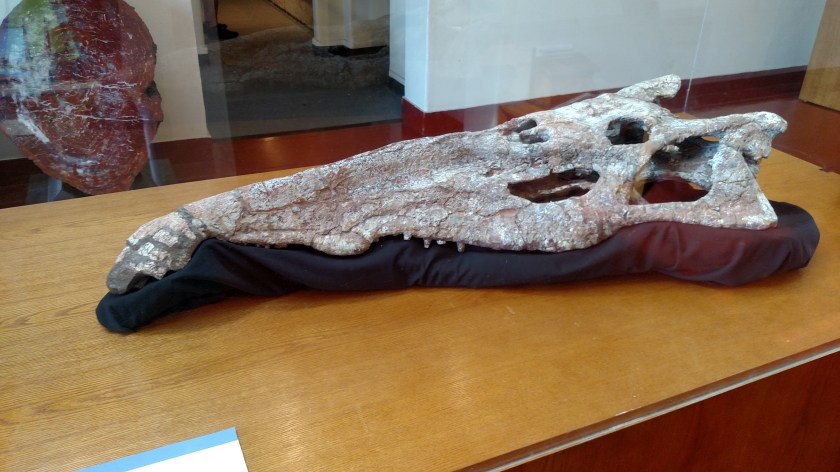
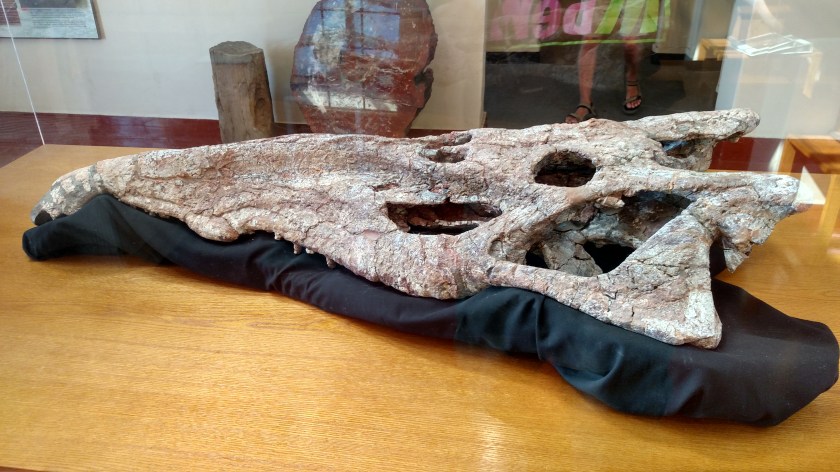

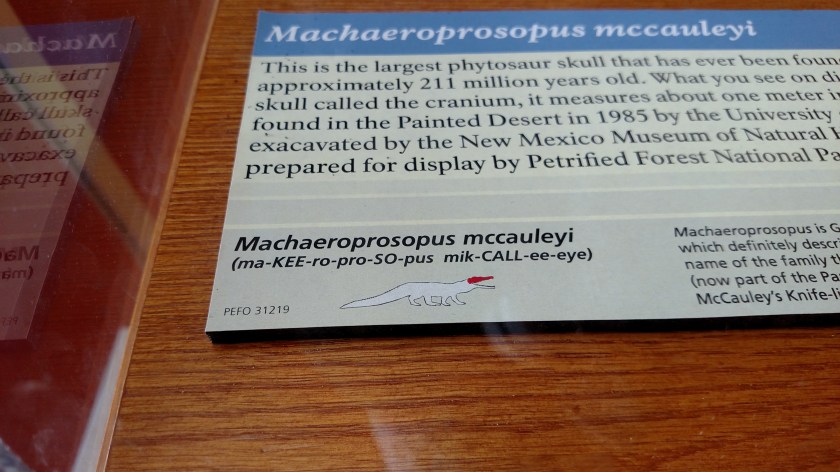

This locally found phytosaur bone was on display in the Visitor Center of the Petrified Forest National Park in northeastern Arizona. I’ll let the accompanying signage handle the spelling, pronunciation and size relativity matters.
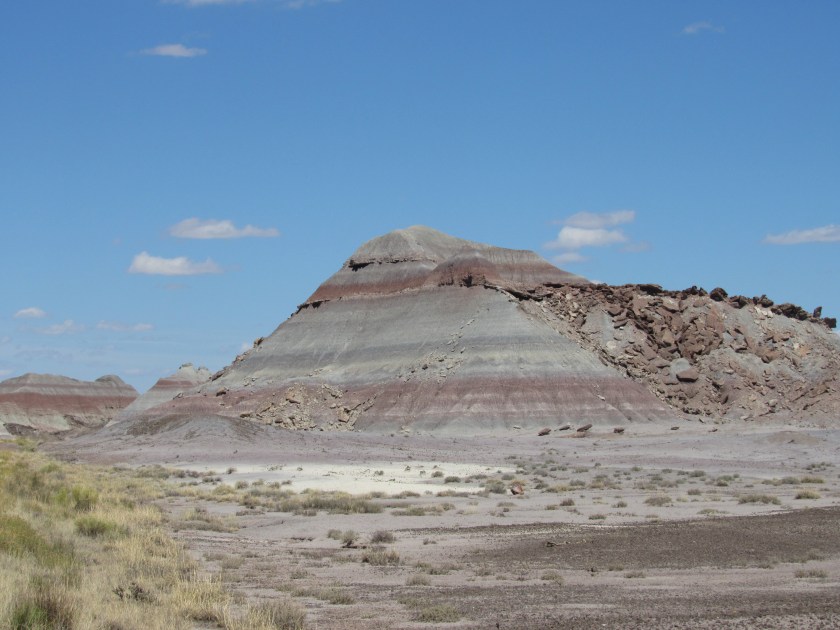
The Petrified Forest National Park overlaps a larger area (which runs through parts of several states) called the Painted Desert. It is called that because of the numerous formations which contain a multitude of colors, generally in the form of striped layers.
The colors are more vibrant in person and, like those in the Grand Canyon, are their intensity can be affected by both sunshine, sun angle and cloud cover.
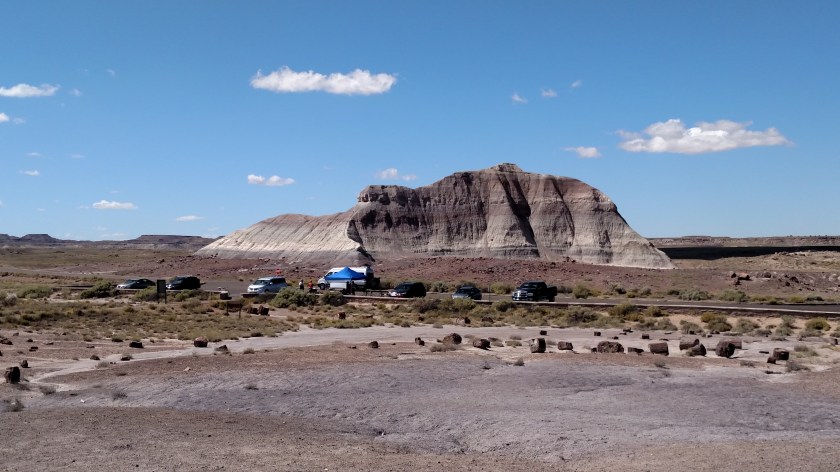
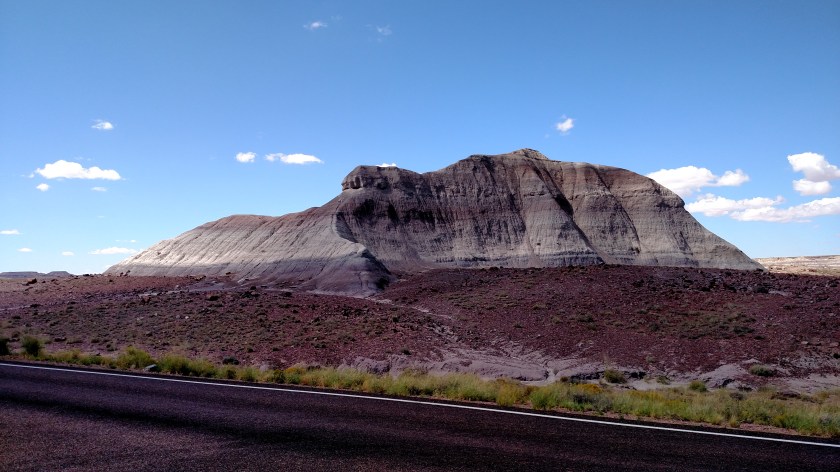
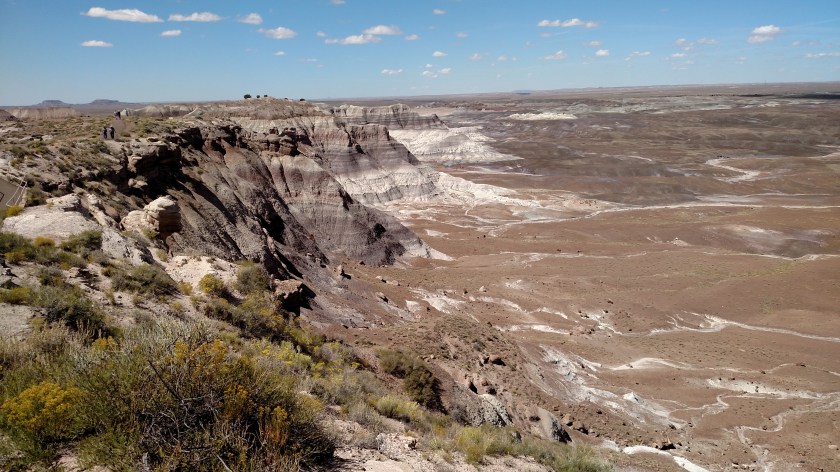
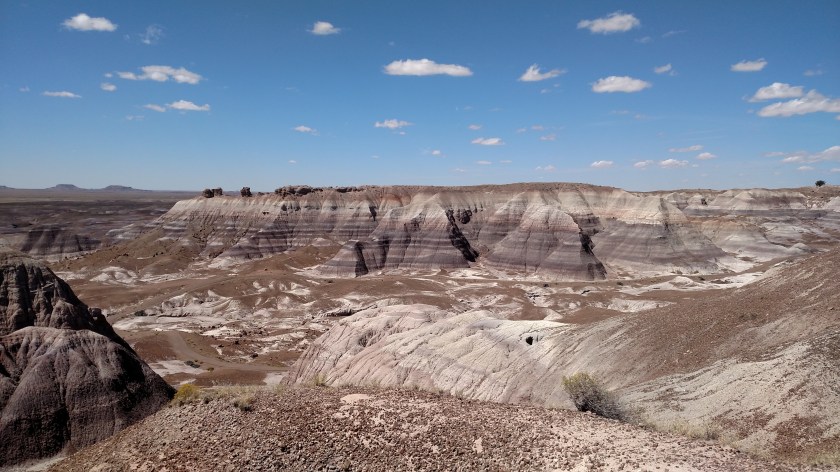
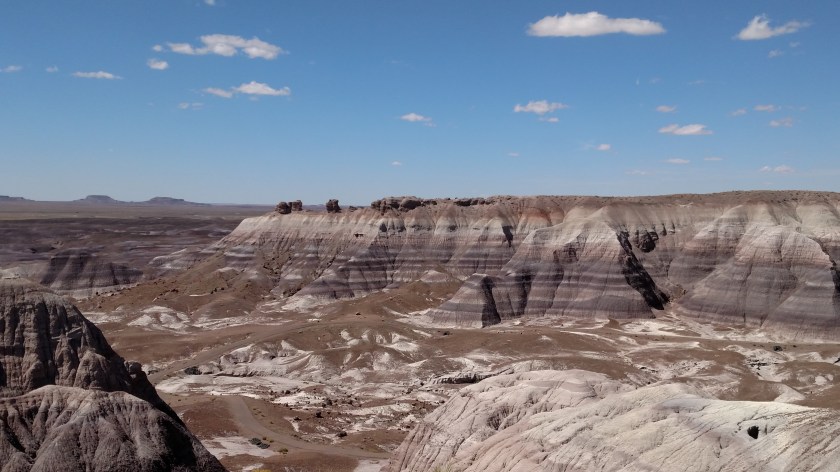


The Painted Desert is a large area in the western US which contains formations with a wide range of colors, or in some cases merely multiple shades of white and gray.
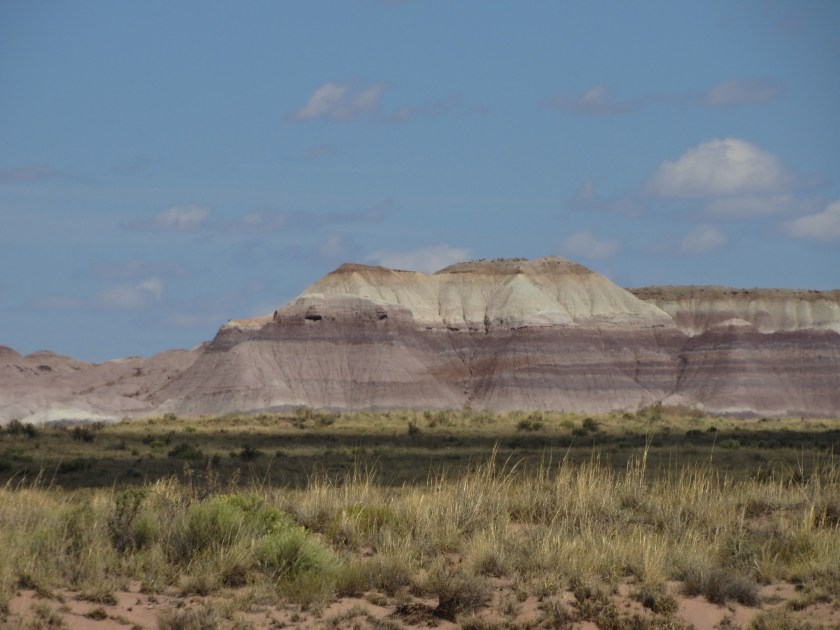
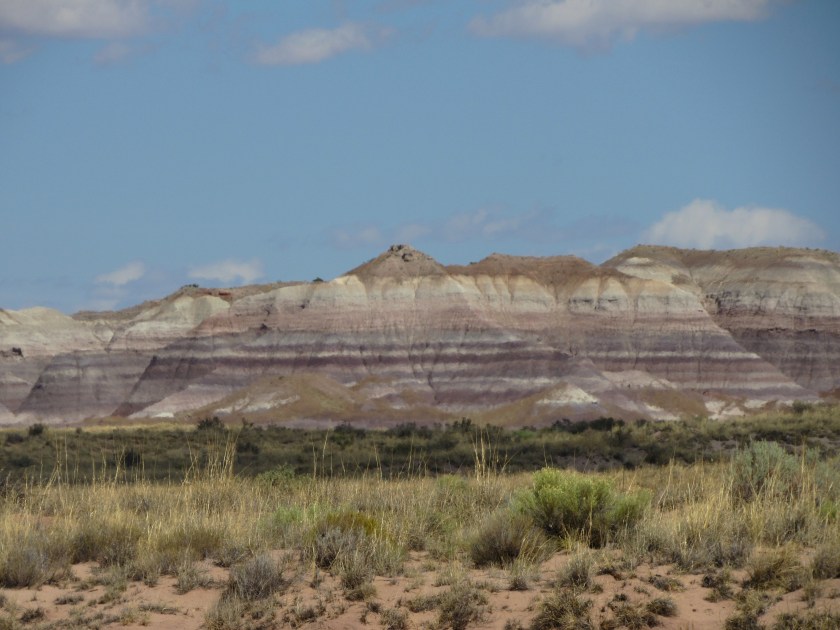

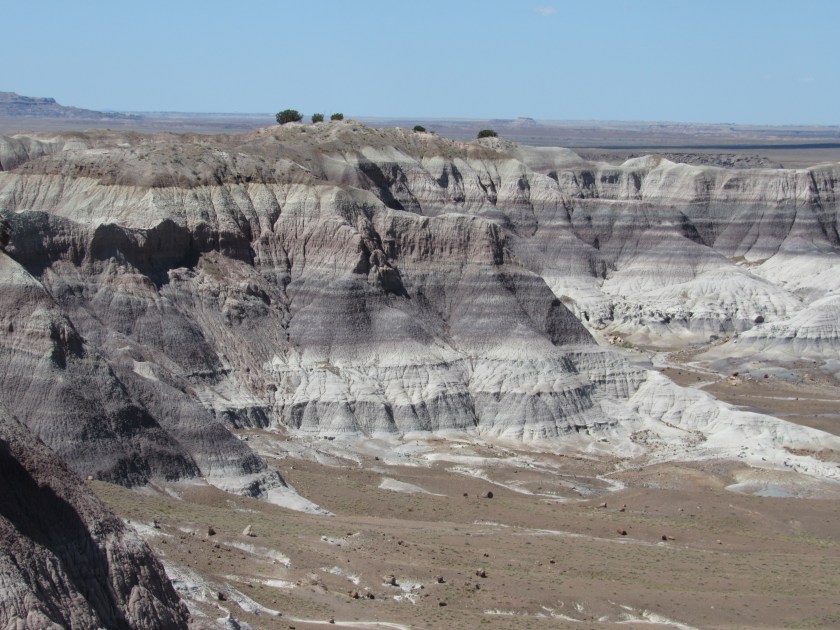

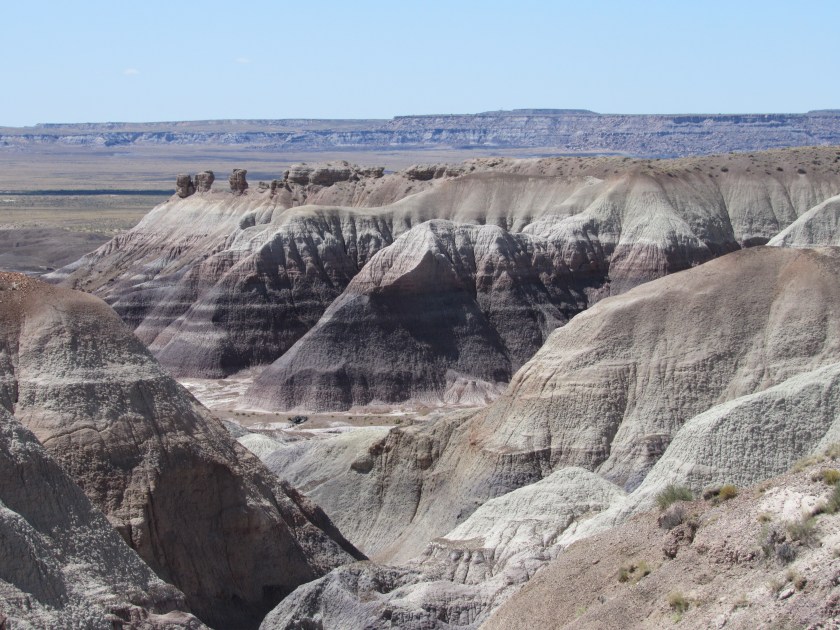

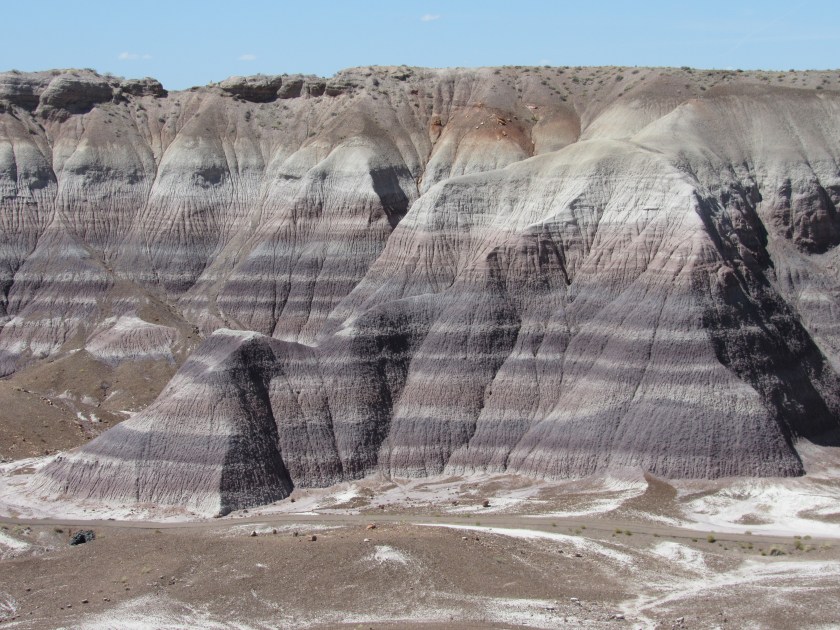
There are two people on the path in the photo below, to give you some idea how big these particular formations are.
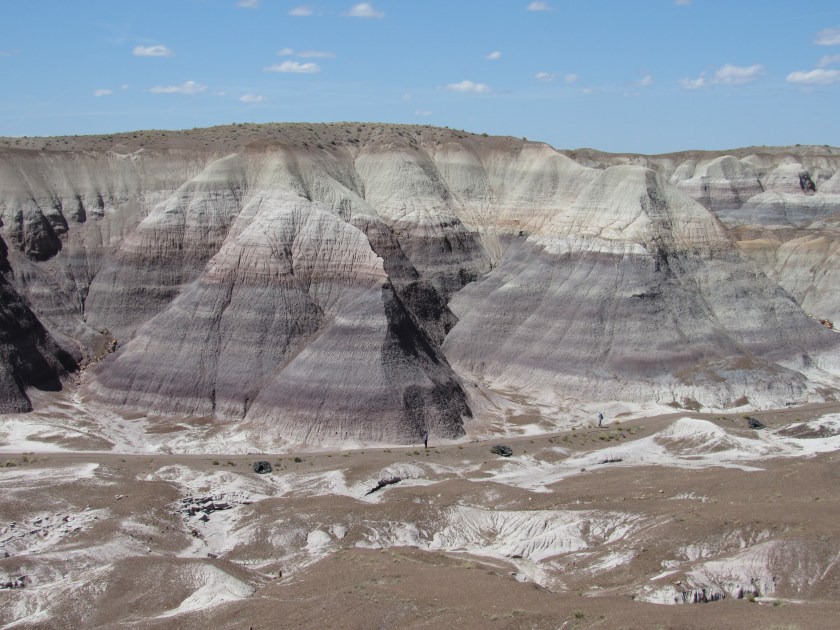
And there are people on an overlook at the top of the photo below.


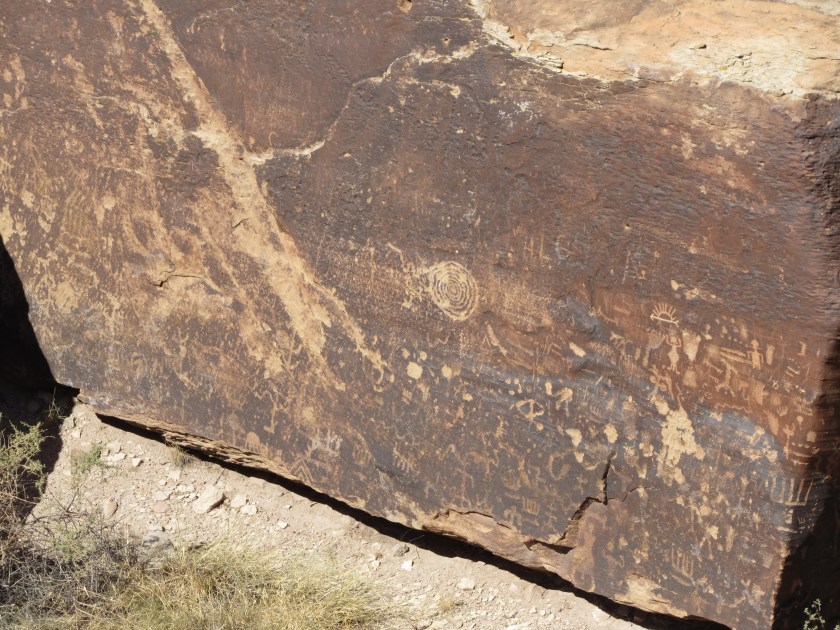
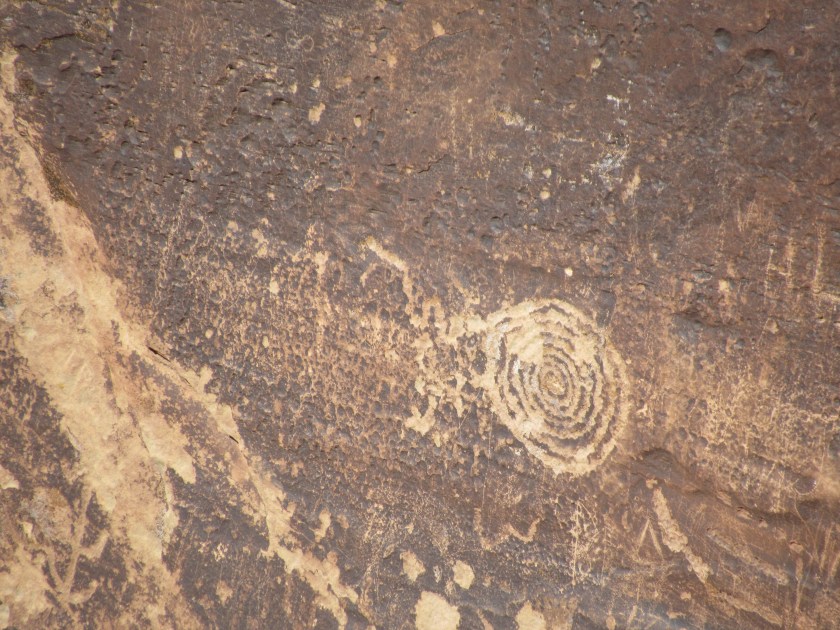
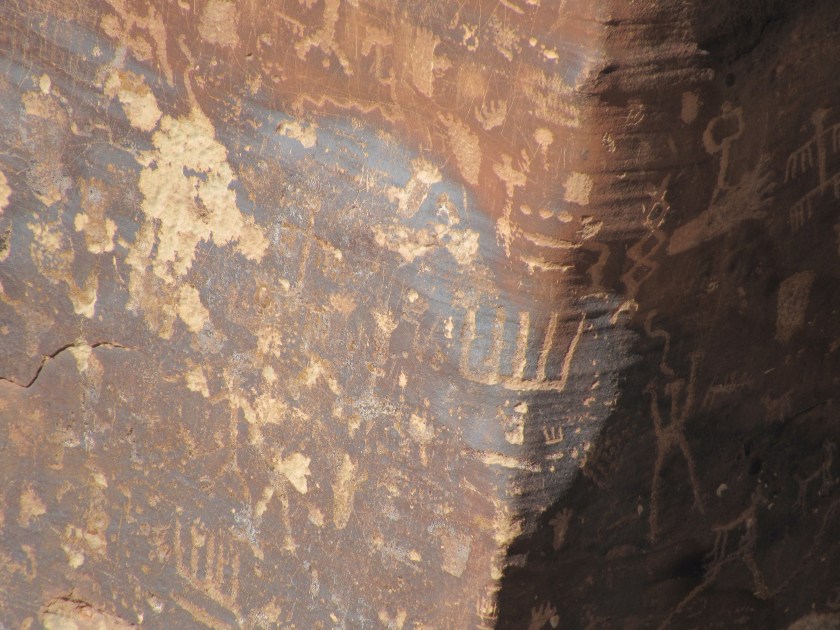
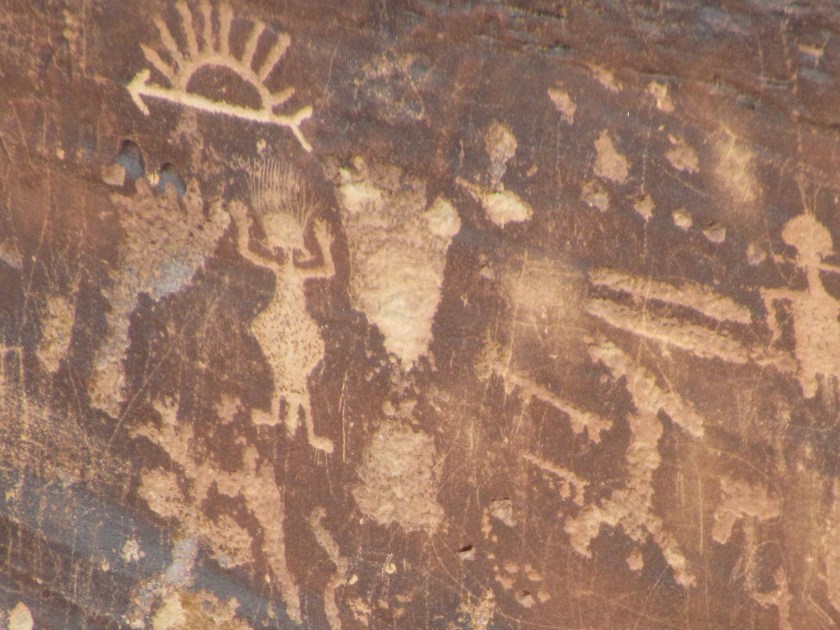
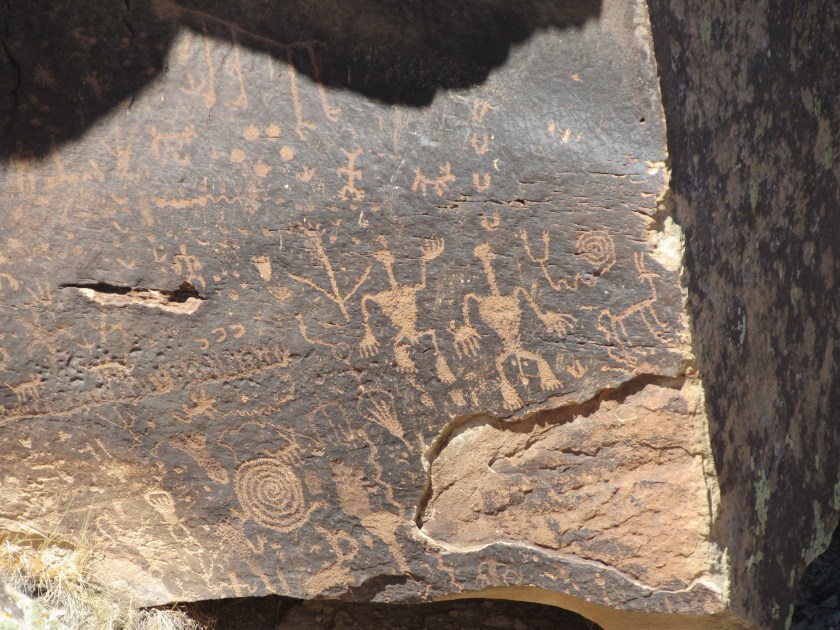
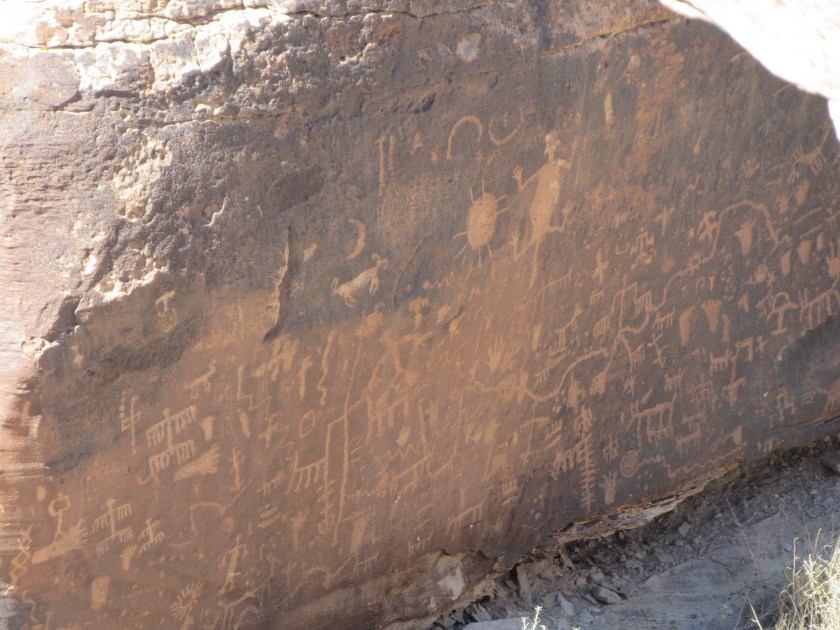
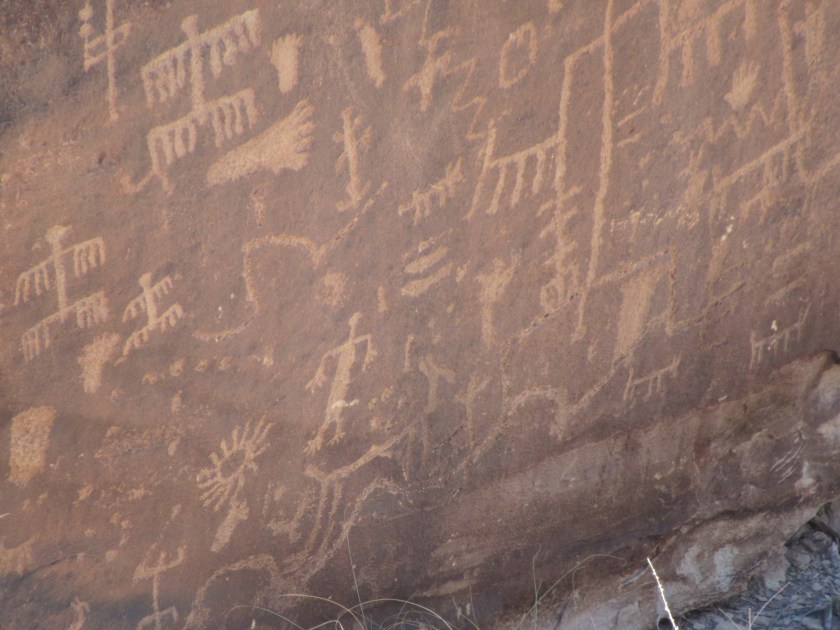
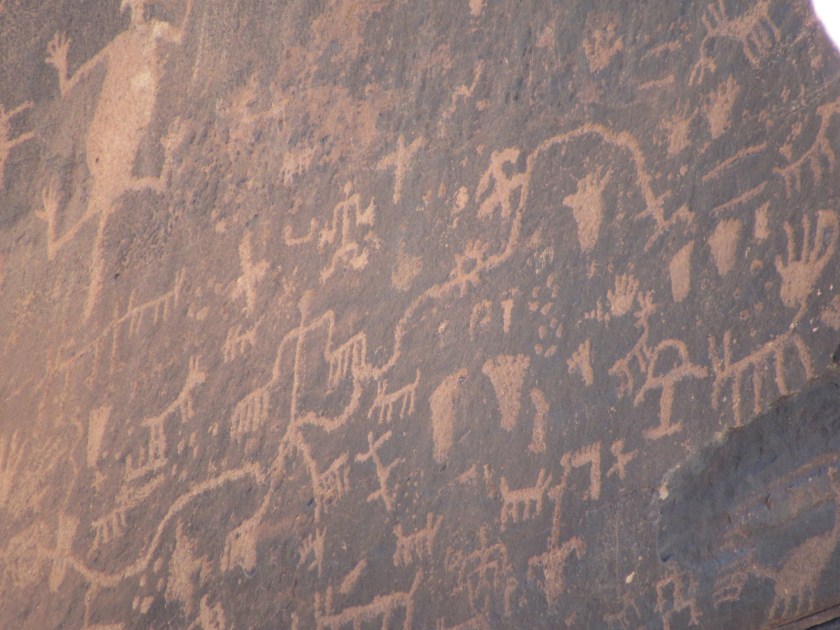
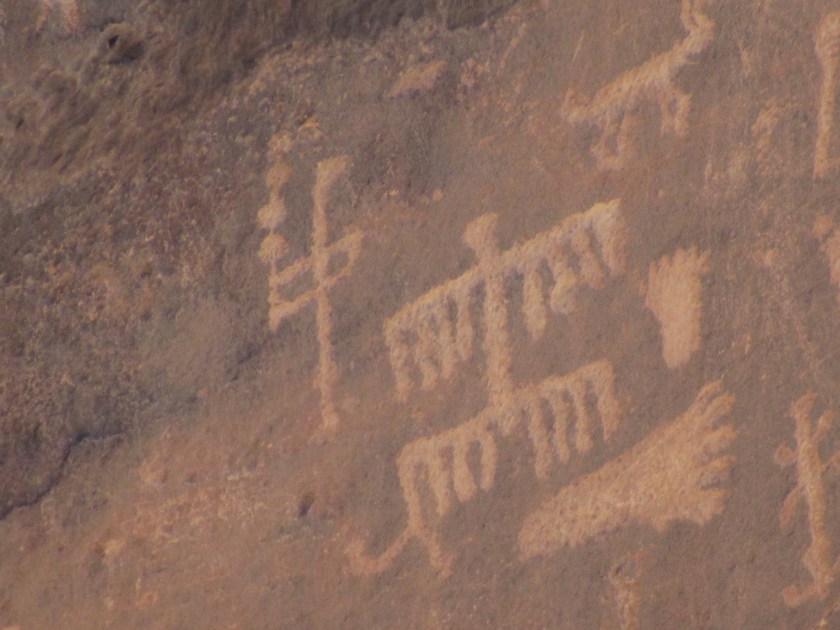
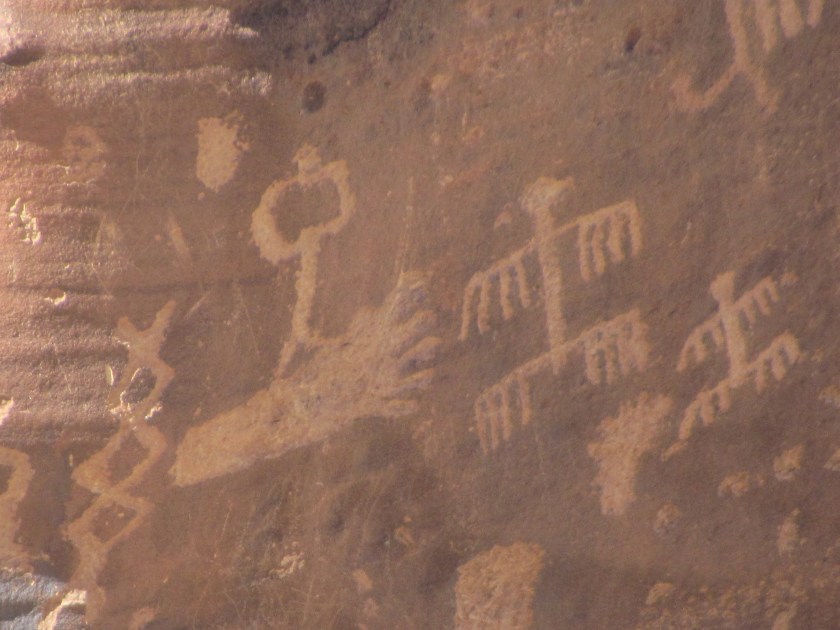
This formation is located within the Petrified Forest National Park in northeastern Arizona. There are several rocks which contain numerous petroglyphs, images scratched into the surface of the dark areas on the rocks. These images tell a story, so the result is kind of like reading a newspaper.
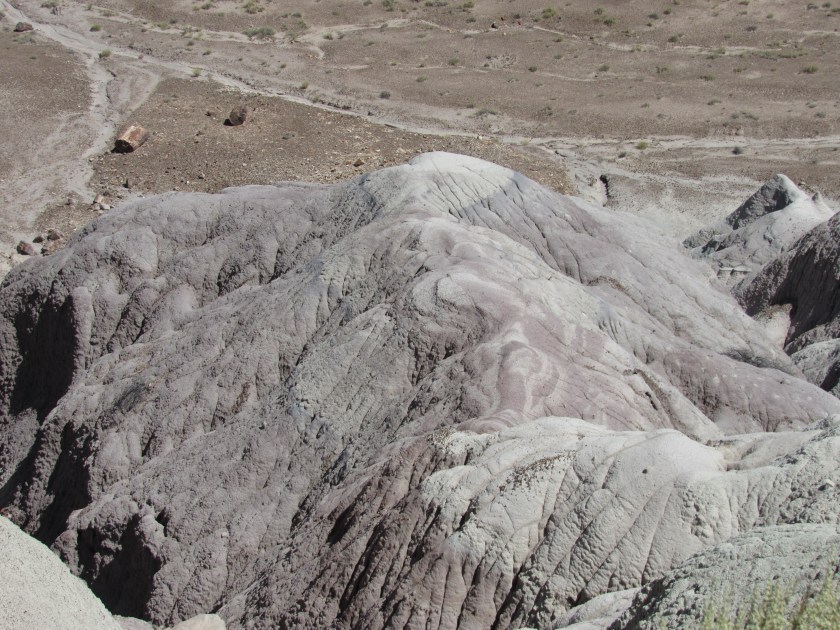
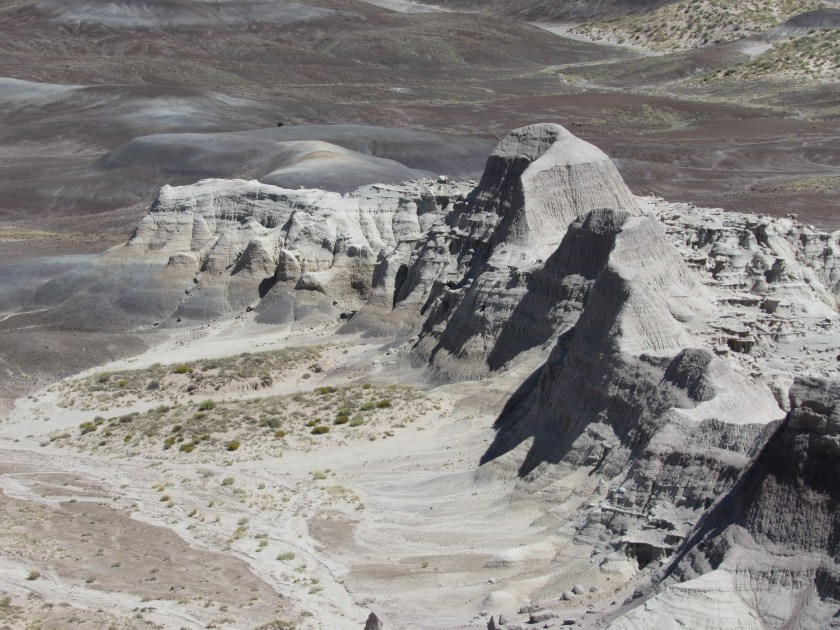
These huge rocks must be viewed from an overlook so I had to zoom in using the digital camera.



On Sunday I took a meandering scenic drive east and south of Show Low (in eastern Arizona). I visited several lakes (natural and man-made) and spent extended periods of time just staying put in various locations, watching birds, waiting for elk to appear (they didn’t), and just enjoying a nice Sunday out in the country. These are some of the things I saw.
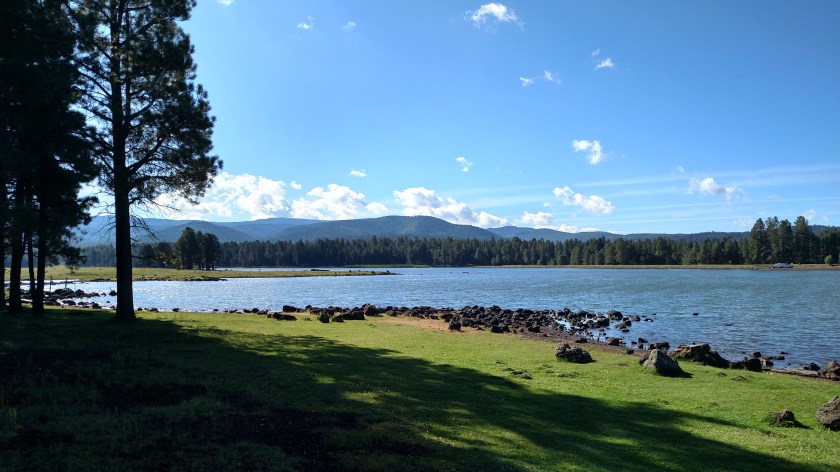
Horseshoe-Cienega Lake (near Greer, AZ)
READY FOR WINTER
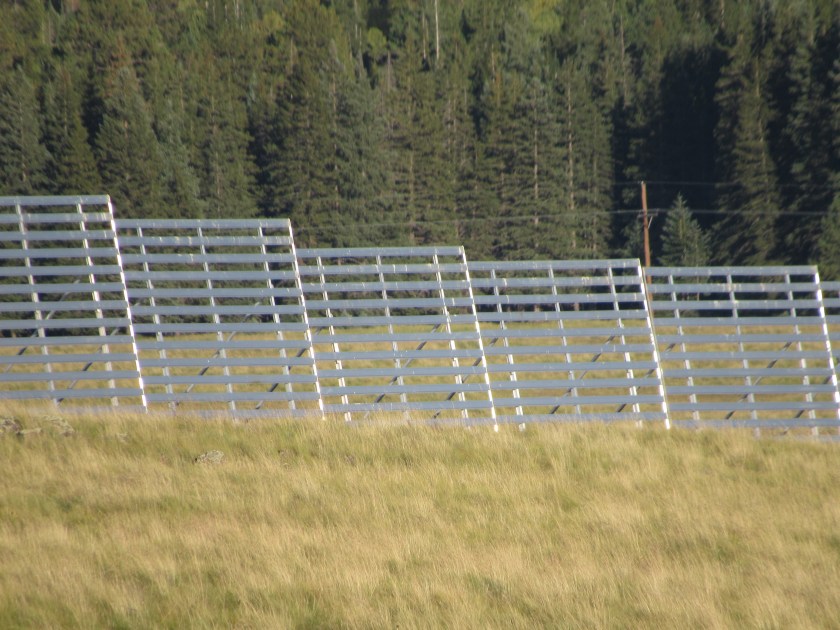
These are the first metal snow fences I’ve ever seen. They appear to be made of aluminum. In the background is the Sunrise Park ski area, west of Eagar (pronounced A-gar) Arizona, patiently waiting for the first snow to fall.
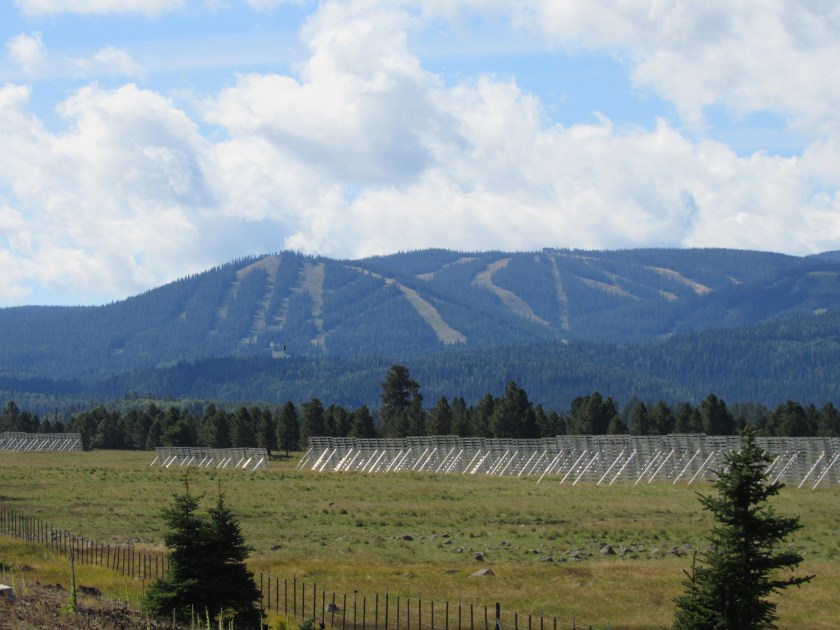
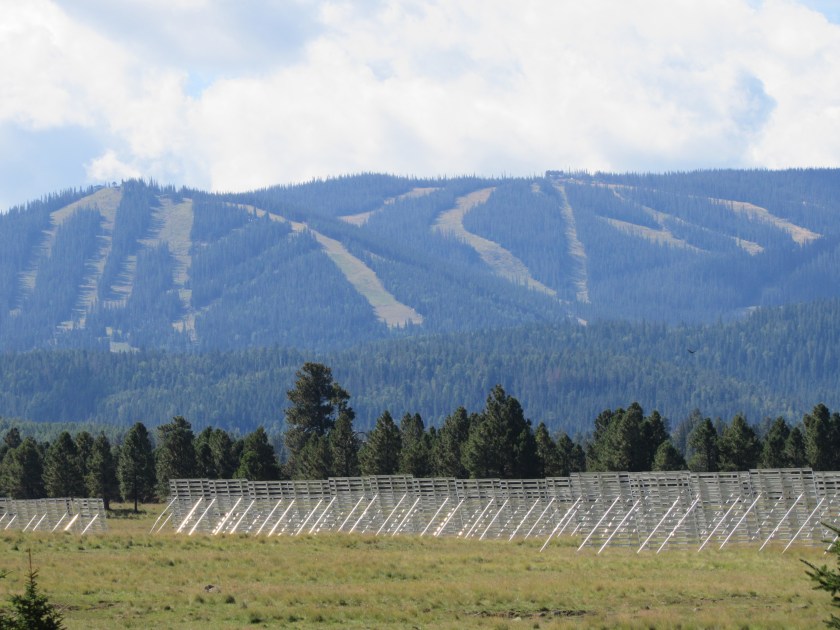
Crescent Lake (on the road back to Big Lake, near Greer, AZ)

Birds near the Lee Reservoir (on the road back to Big Lake, near Greer, AZ)
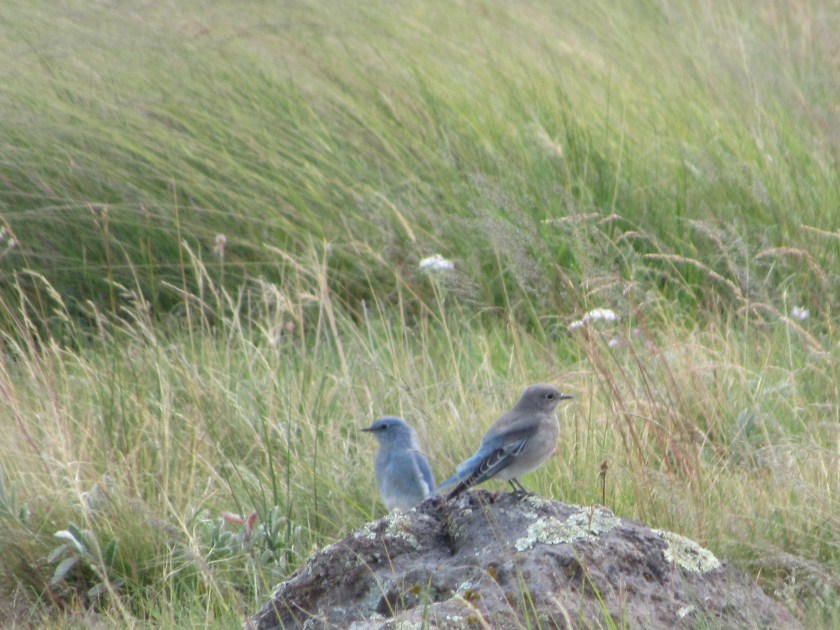

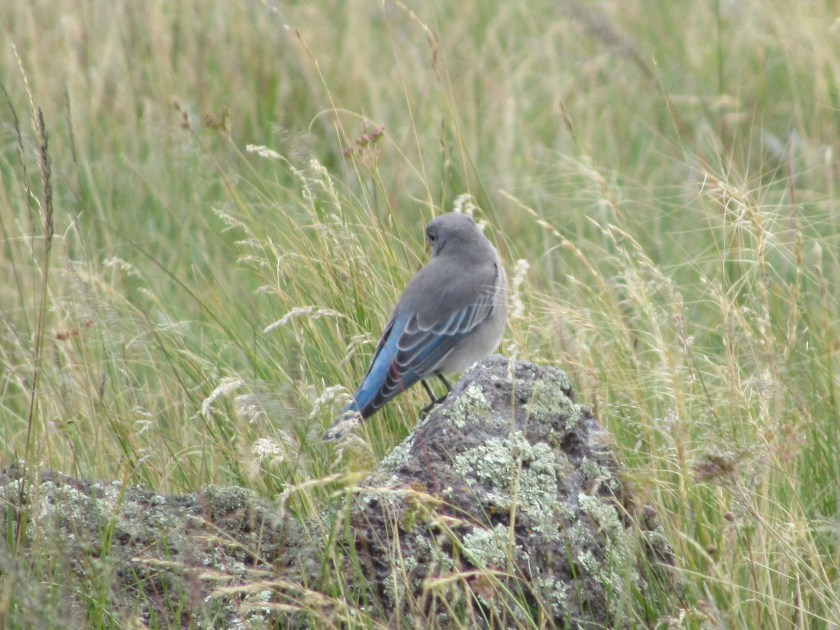
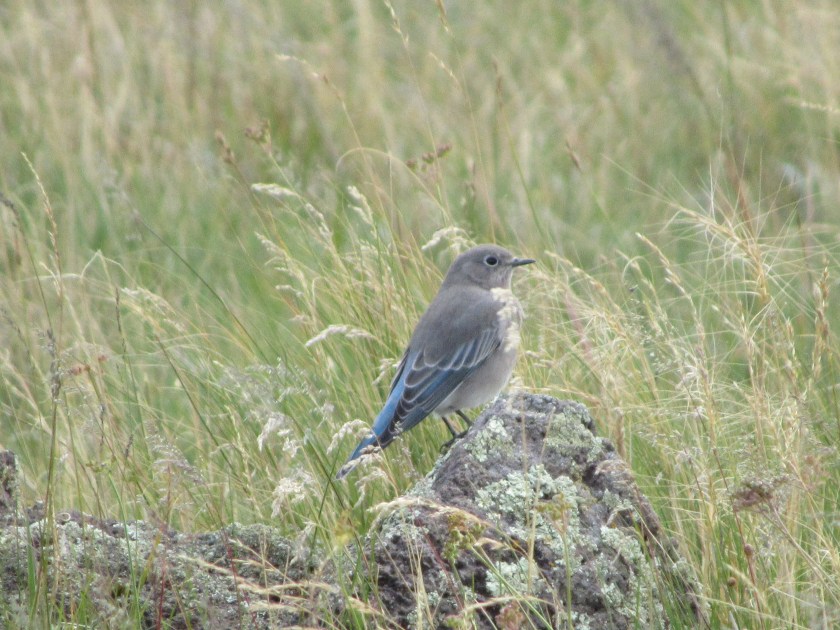
These were the coolest birds to watch. They aren’t very big and they would fly up in the air and hover for 4 or 5 seconds at a time, furiously flapping their wings flying in to the wind (which was blowing at a fairly stiff rate all day).
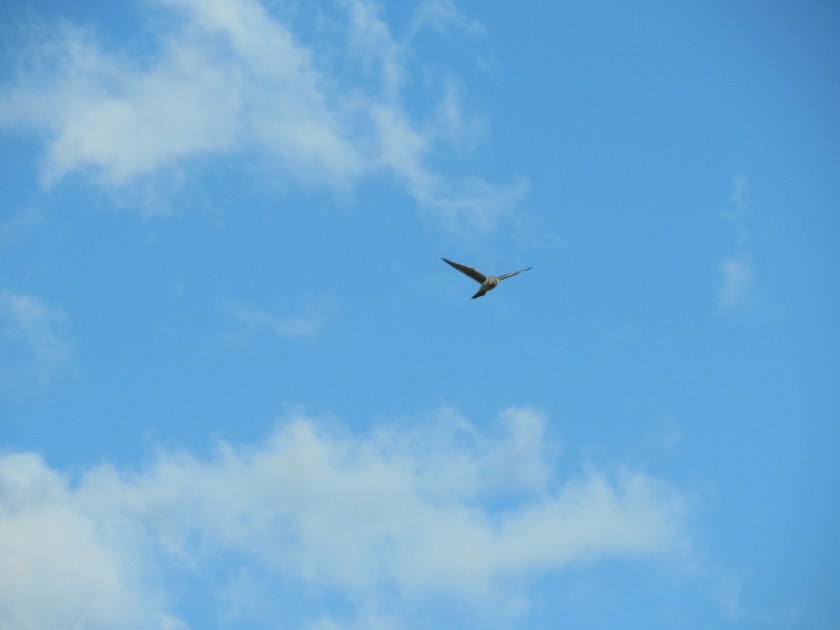
The only other bird I think I’ve ever seen behave that way is a hummingbird. I don’t know if these small birds can do it without significant wind restricting their forward flight but I plan to return to the spot tomorrow and see if they still do it under different conditions. It was fascinating to watch.
Nelson Reservoir, on Route 191 south of Eagar, AZ

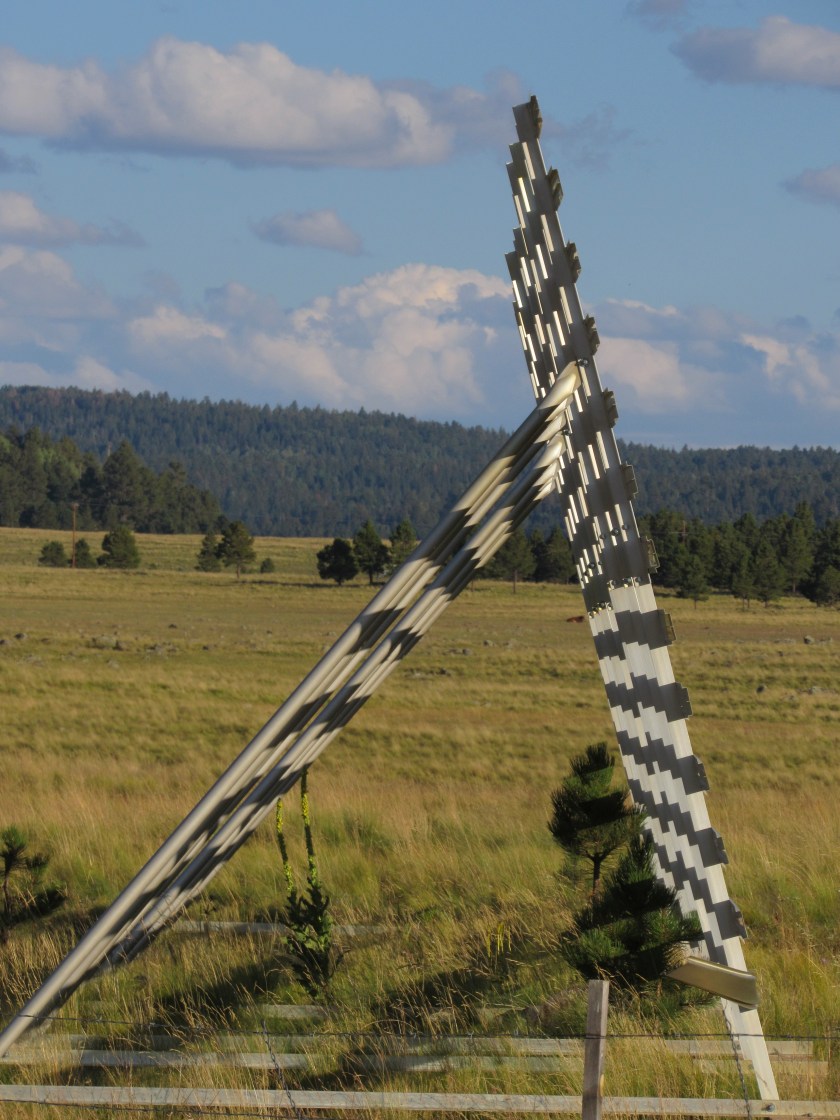
The visual effect of the setting sun on the metal snow fences. The fences are kind of like wooden pallets propped up on their sides, slats of wood (or in this case metal) in staggered pattern attached to strips of wood (or in this case metal) going in a perpendicular direction. This caused shadows to be cast alternating with spaces where the sun was able to pass through.

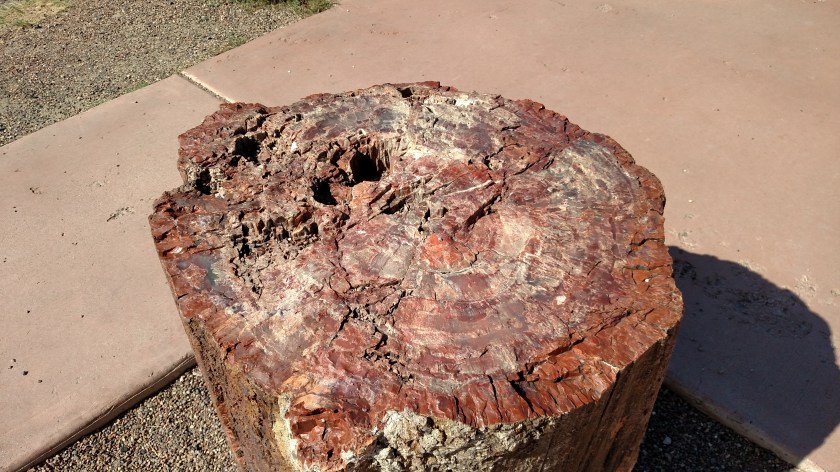
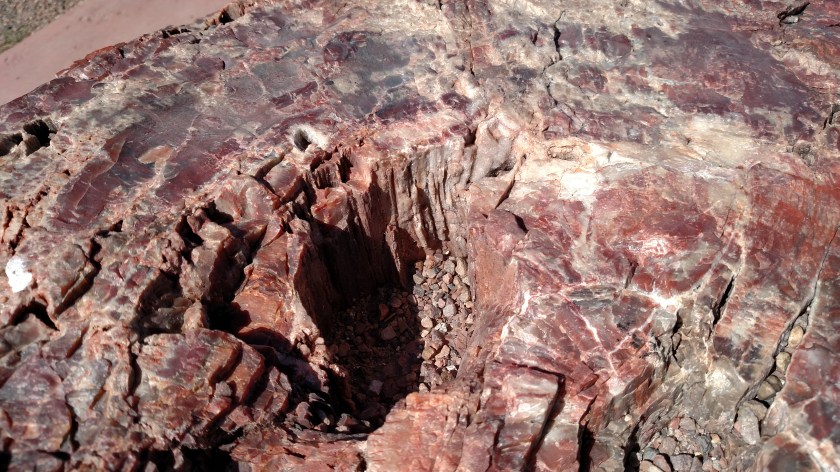
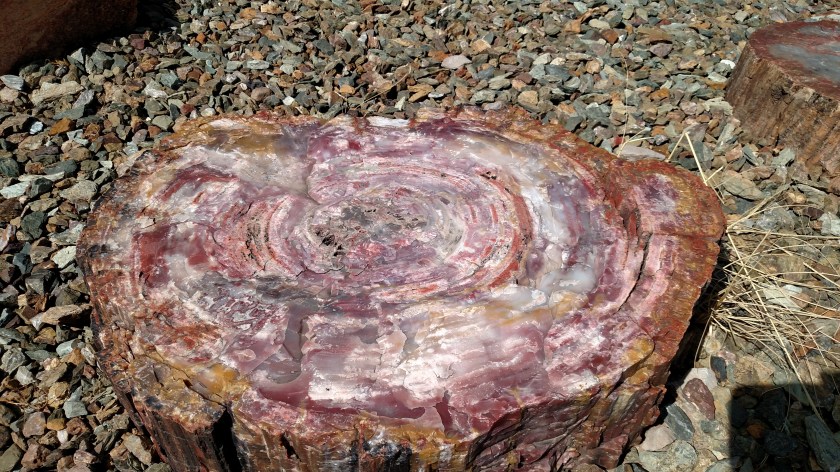
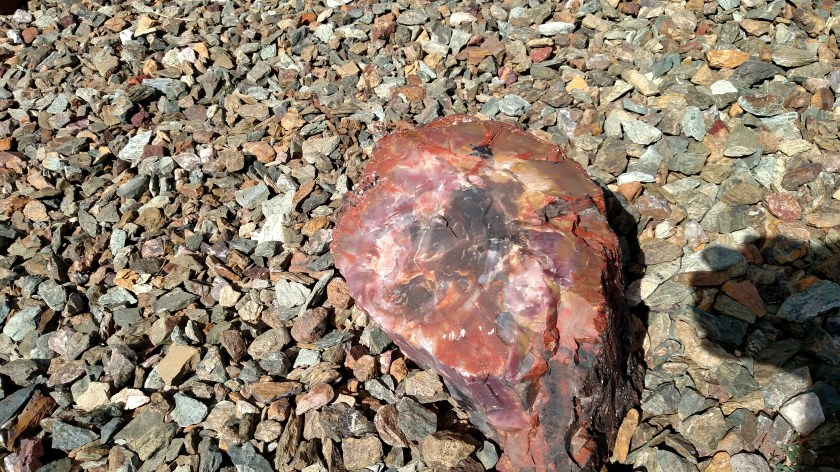
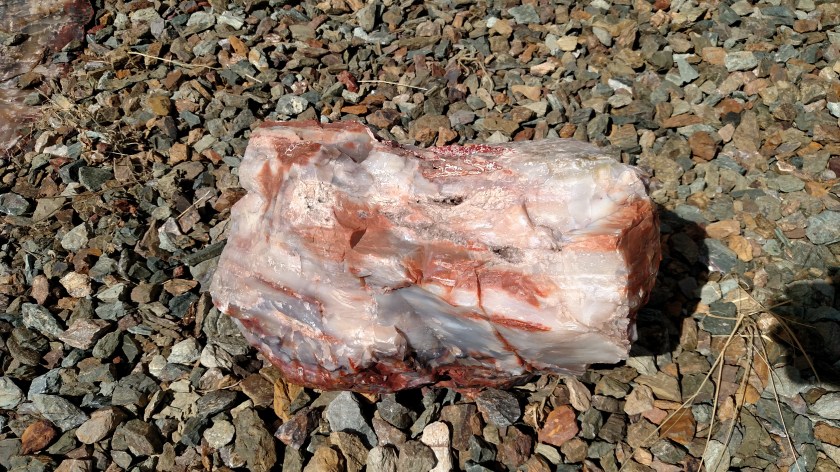
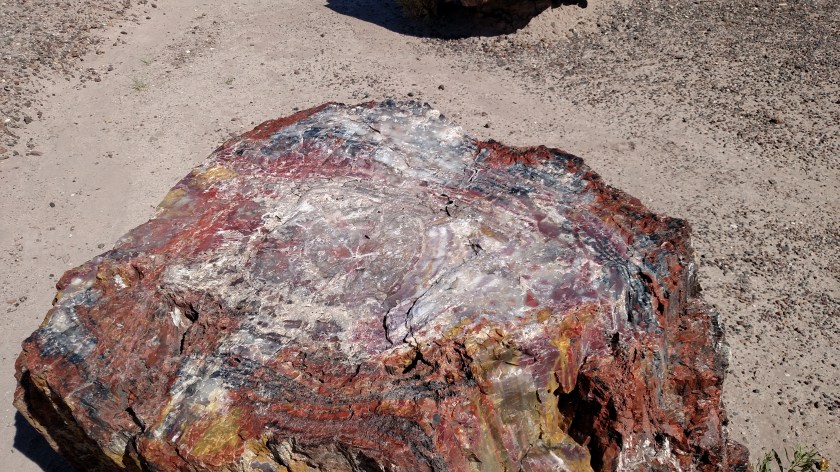
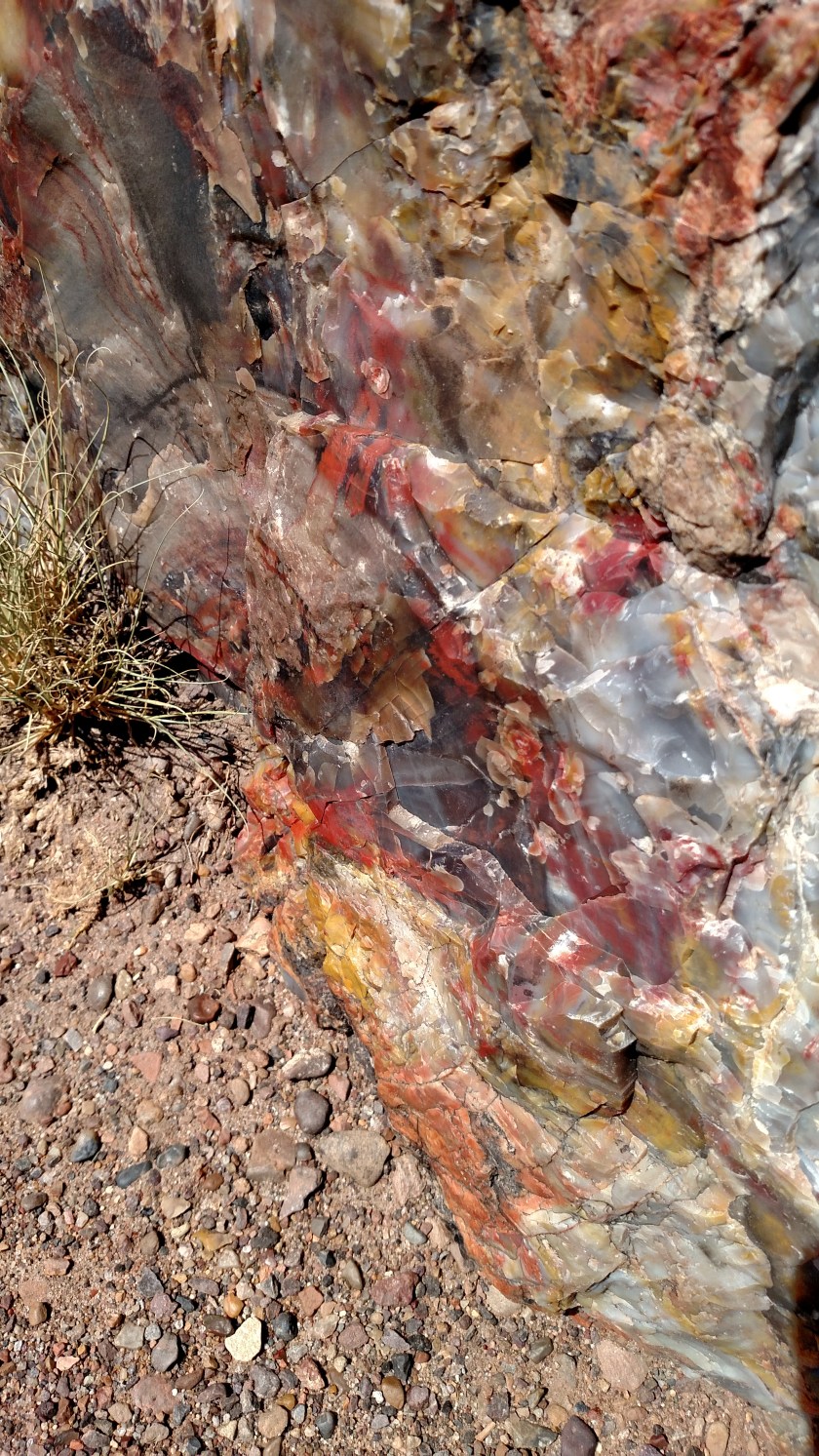
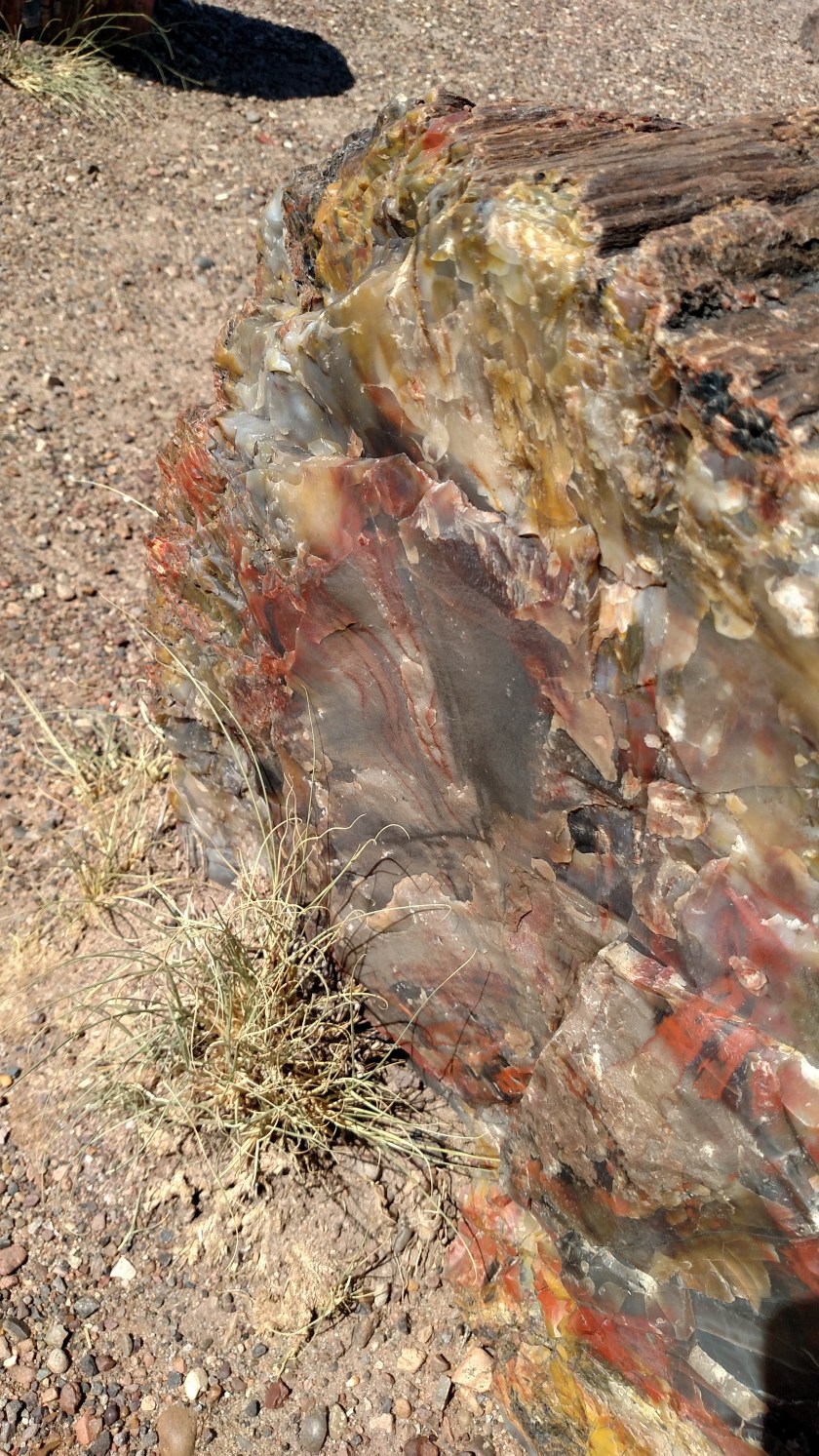
This morning I headed north from the little town of Show Low in eastern Arizona to this National Park located near Holbrook. I will be posting pictures of some other interesting things in the Park in the coming days but let’s start with the petrified wood for which the Park is named. I will explain more about how these came to be in future posts, but for now just enjoy the colors and textures that nature and time have created.





There was a fund-raising bicycle rally being held at the Park and there were several rest stop/refreshment stations at various places. At one of the scenic overlooks there was a canopy set up for that purpose and on a nearby ledge I noticed these dinosaur figures. I said “Oh, I need to get a picture of this for my blog” and took this photo.

Well, a kid who had volunteered to work at this particular refreshment station said “Well, if you want to get a picture for your blog let me show you this…” and went to his stuff and brought back a cast of the skull (I think that’s what he said it was) of a young Coelophysis, a dinosaur which is known to have lived in this area millions of years ago.
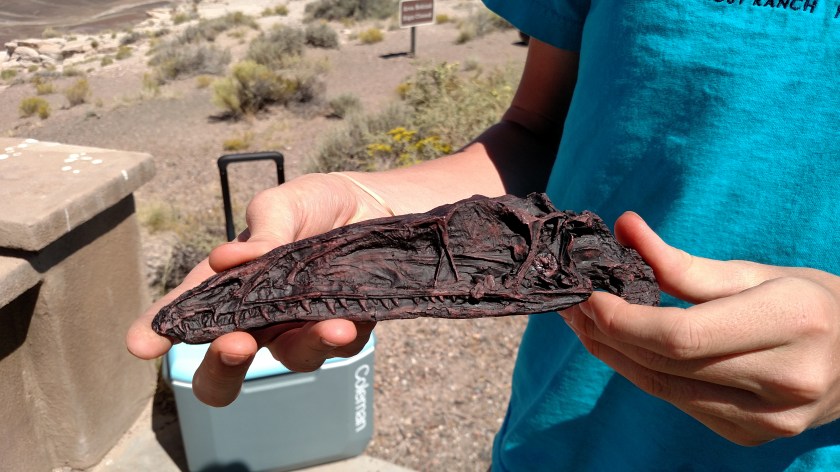
Meet John, a local 15-year old who, I would bet money, will grow up to be a paleontologist.

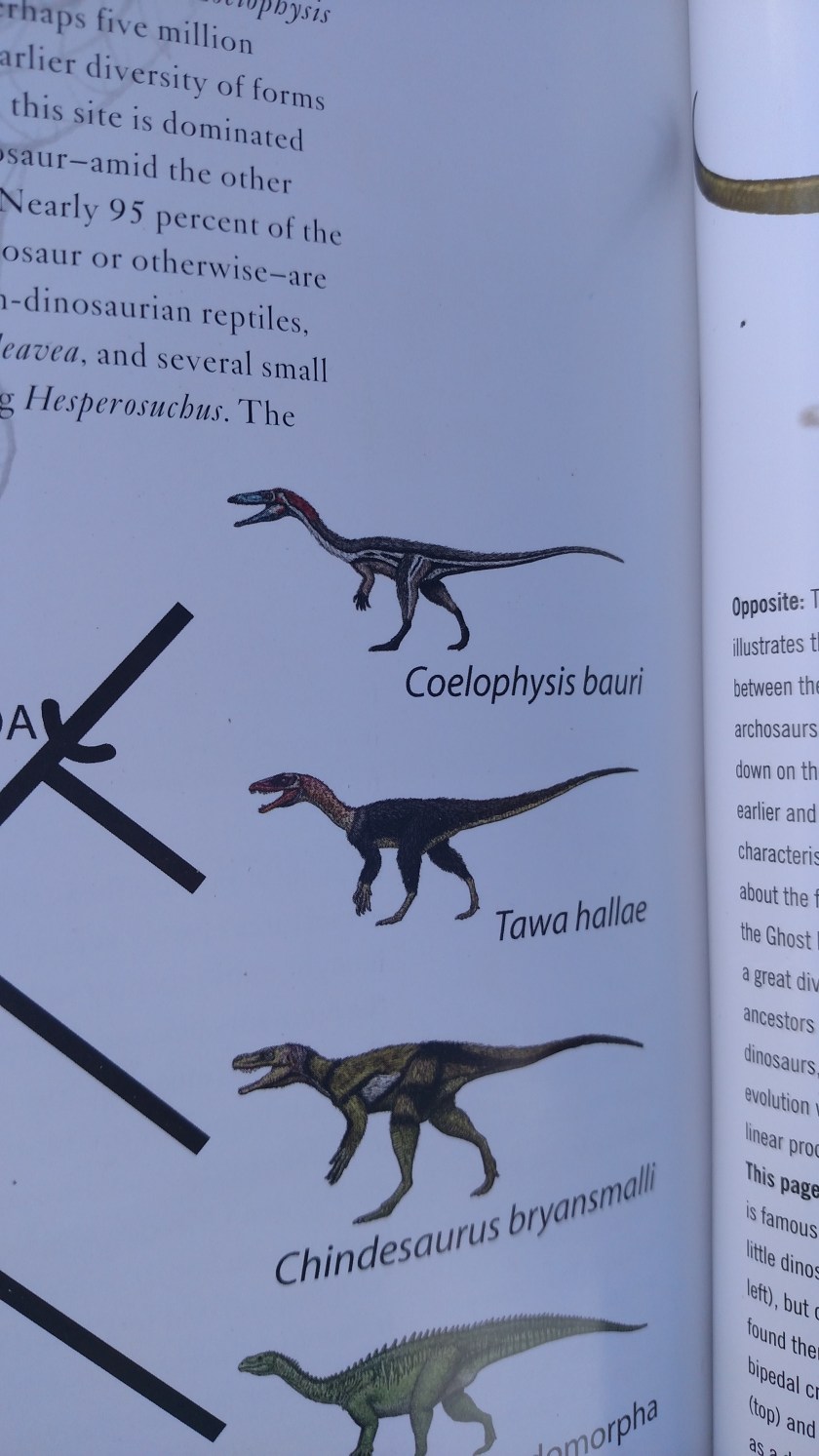
John got a book he had brought with him (I am going to order a copy on Amazon when I get home) and spoke very intelligently and enthusiastically about various dinosaurs and non-dinosaurs, something he is obviously very passionate about. He pointed out the two dinosaurs which were known to have lived in this region (the first and third images).
 His t-shirt even showed an image of the dinosaur skeleton, the type of which was the fossil he showed me.
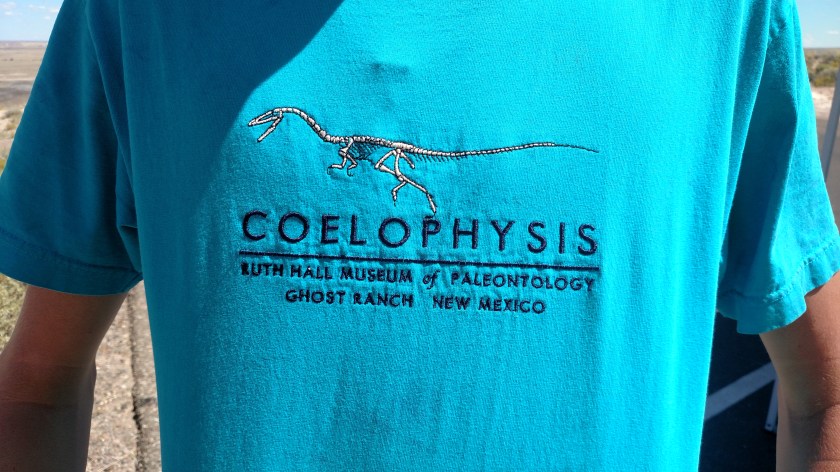
He suggested I visit the “Ghost Ranch” shown on his shirt when I am in New Mexico in a few days (it isn’t far from Taos, where I’ll be staying), and also suggested a science museum to visit when I am in Albuquerque. I told him about The Mammoth Site, which I visited very early in this trip when I was in South Dakota, and suggested he go there some day. A woman who was also working at the refreshment stop with John also produced a dinosaur figure and of course John knew exactly what it was and described to me how it searched for food.
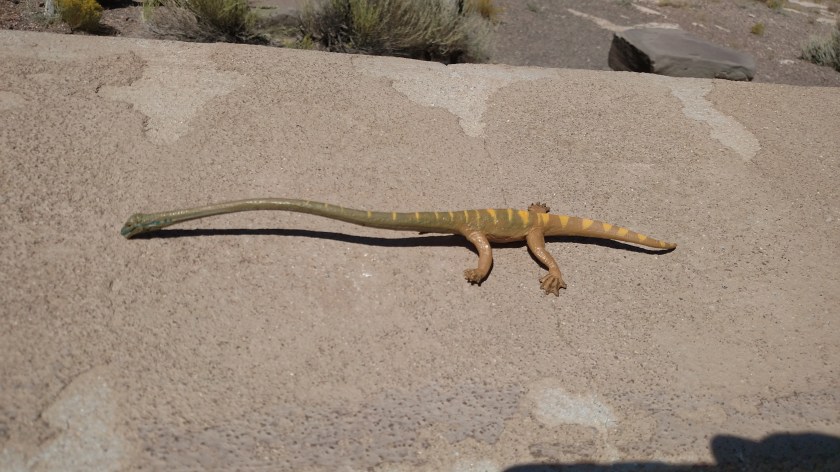
John is a bright young man and I hope he continues to pursue his area of interest.
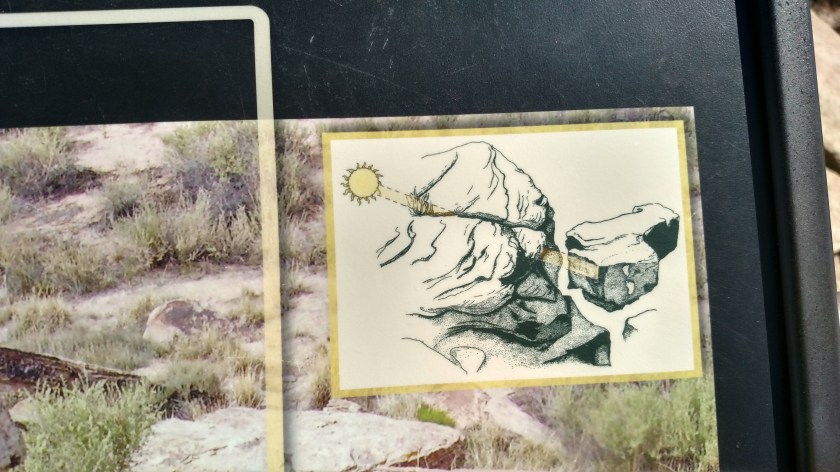
One of the neat things I read about when researching places I planned to visit on this trip was the Summer Solstice marker found here. There is a large rock with a natural cleft in it, which was evidently “placed” here by nature. Nearby is another darker rock which has a swirl mark, which looks kind of like an @ symbol, carved in it by man (I should have gone back to the car for the digital camera so I could zoom in on it. Trust me, it’s there.).
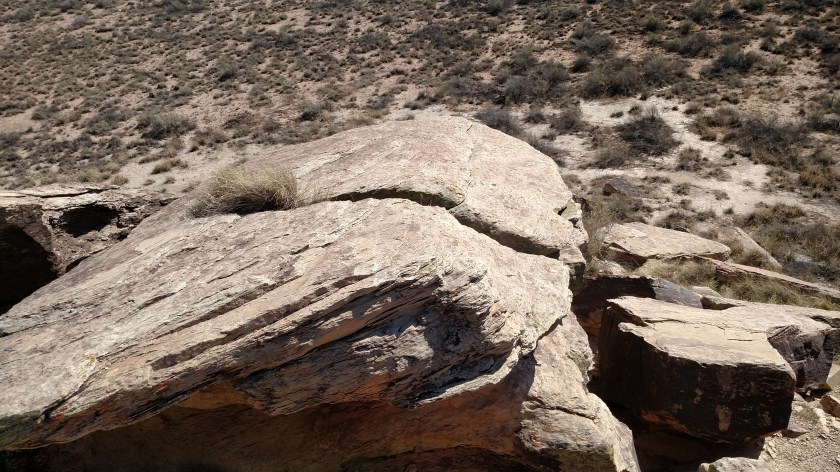

On June 20, the normal date for the summer solstice, the morning sun will shine through the crack in the large rock and create a white streak on the dark rock. At approximately 905am, voila, the white streak will reach the center of the symbol, marking the summer solstice. Pretty cool, eh?

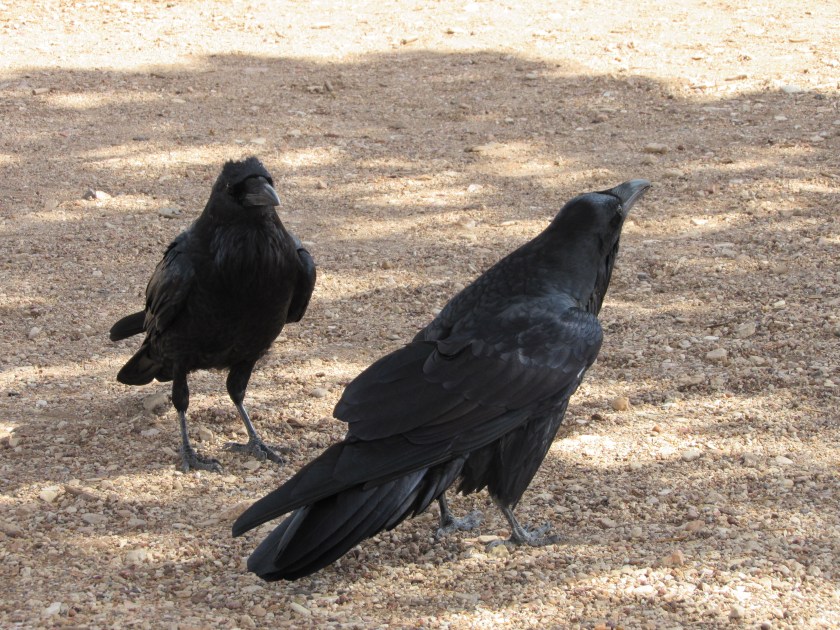
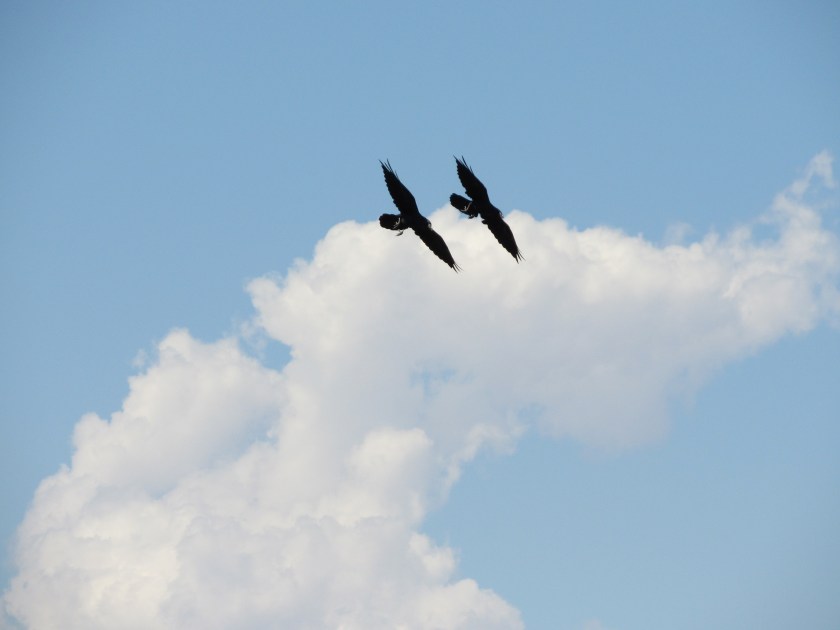
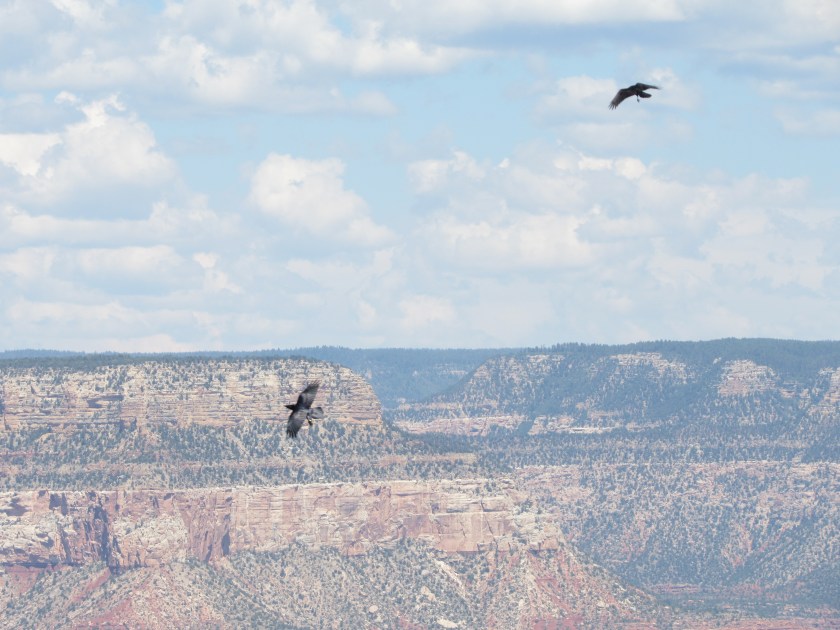
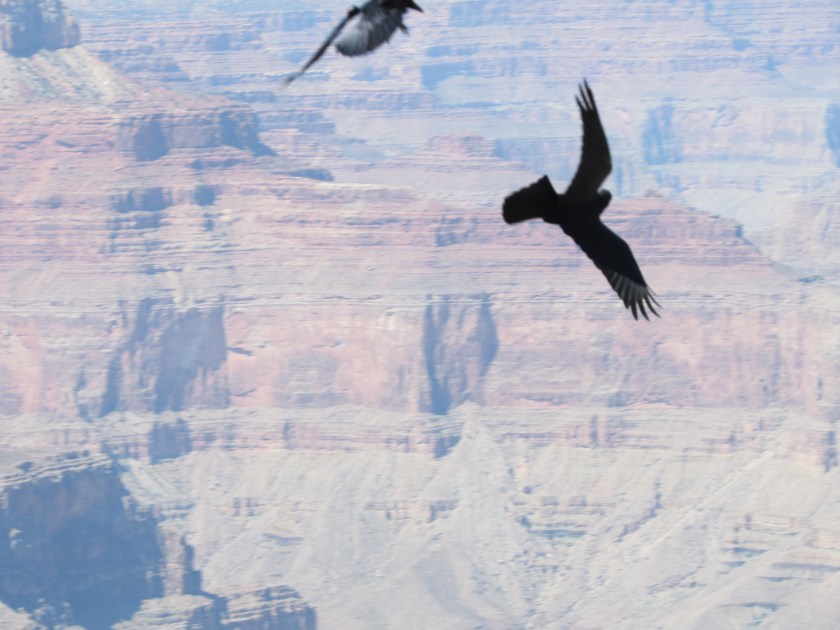
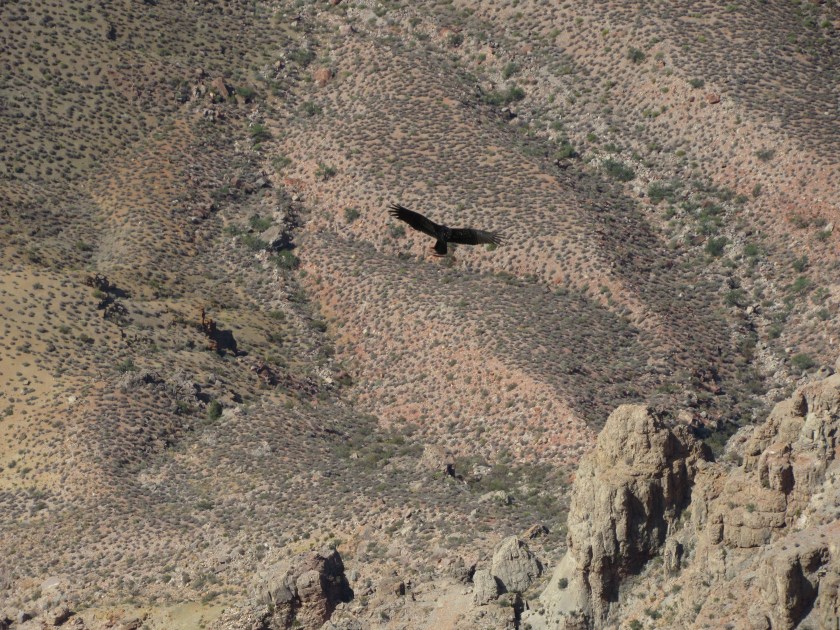
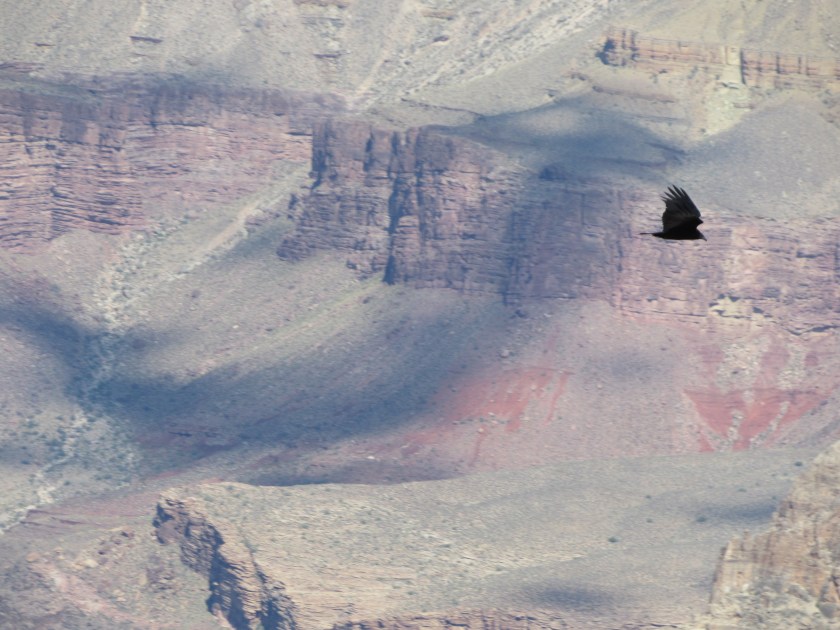
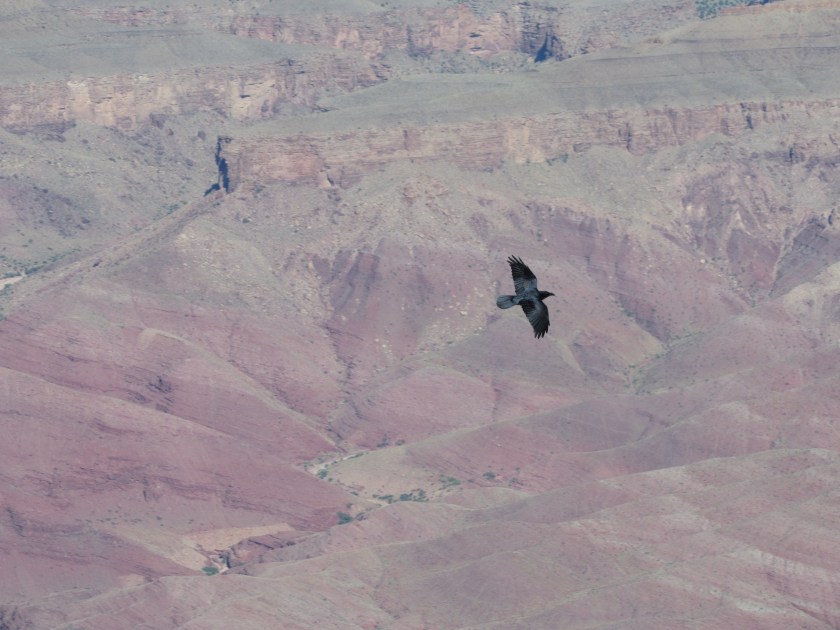
These are all raven closeups I took over the past few days.
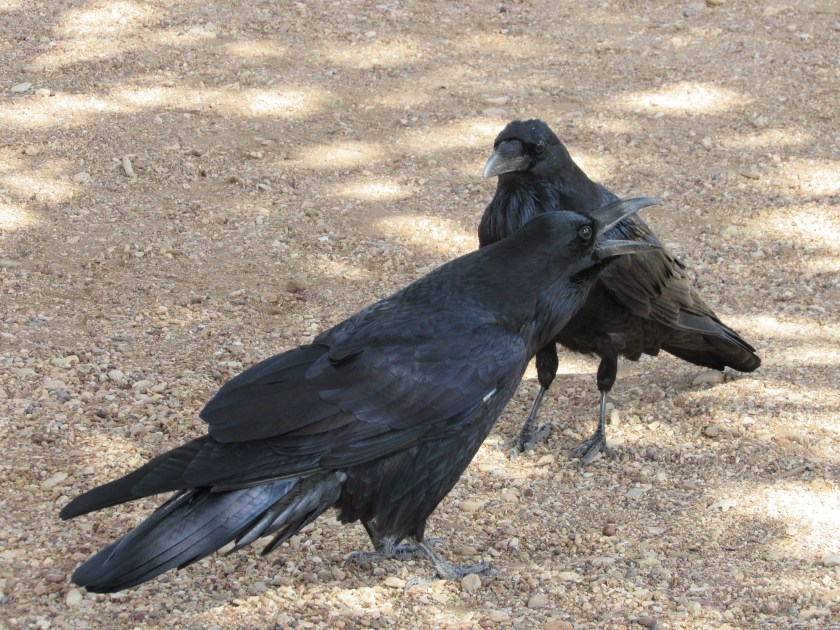
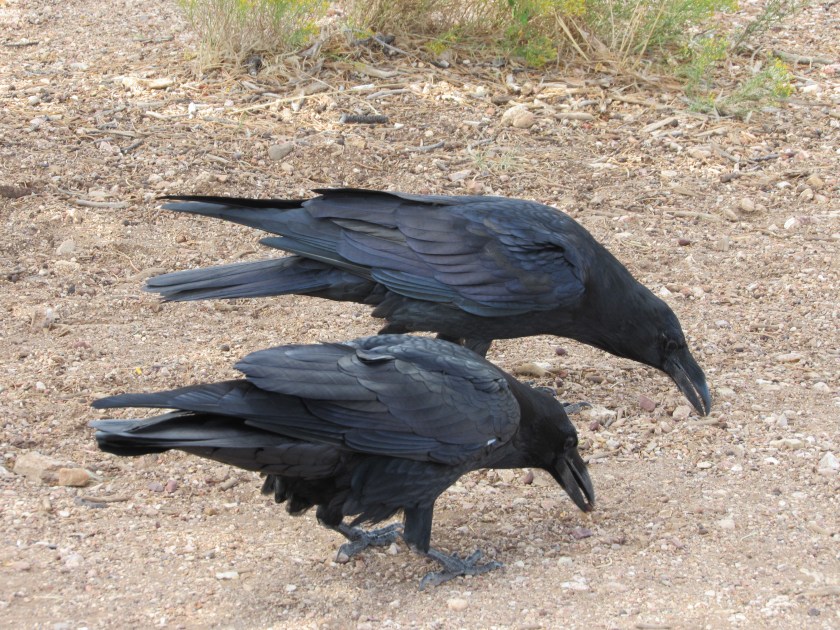
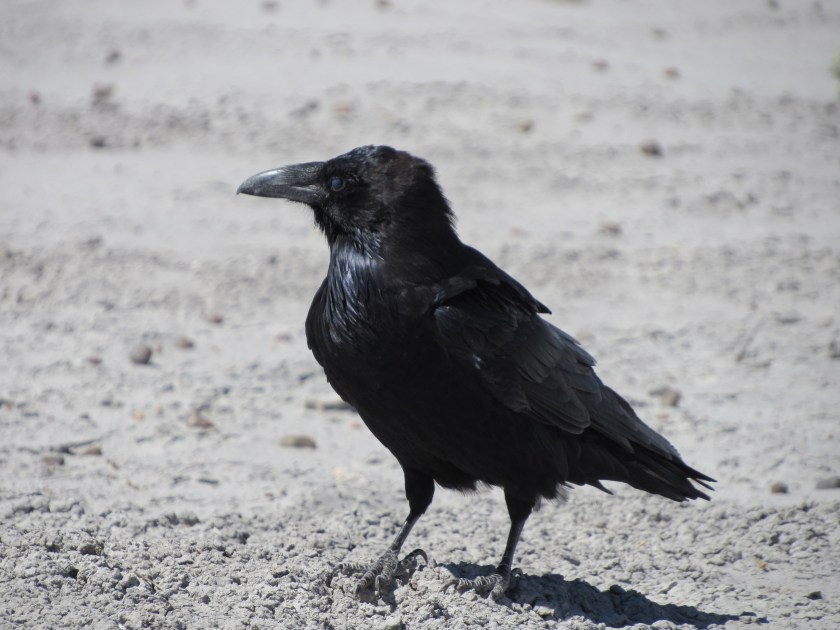


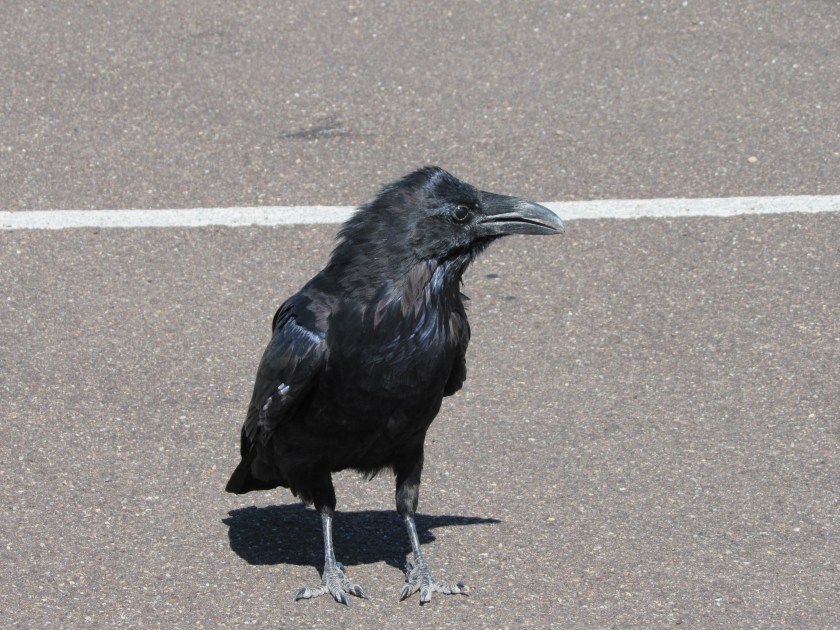

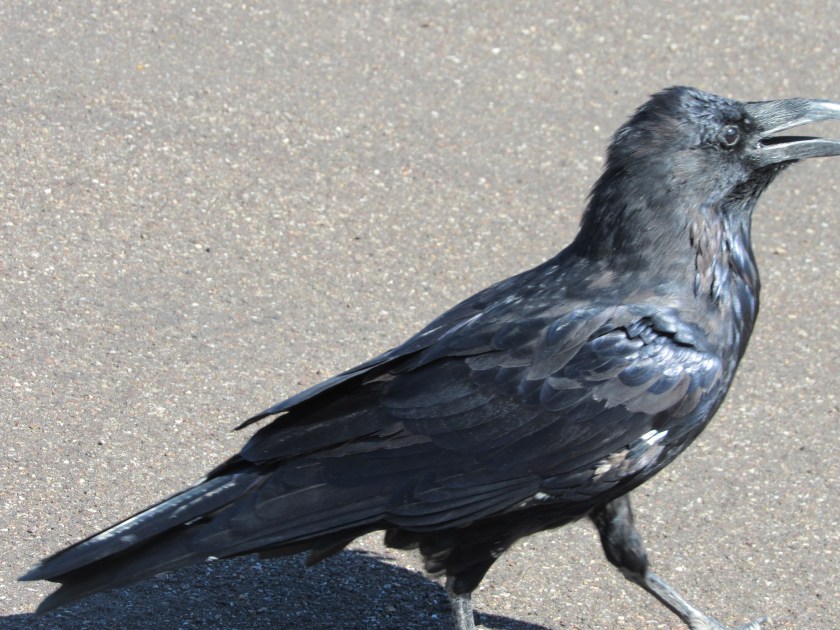
I should have posted these after the next post (professional photos) not before. Some of these turned out better than I thought but are still not quite what I was hoping for. Following and maintaining focus on a moving target is harder than you might think, especially when they change speed or direction.

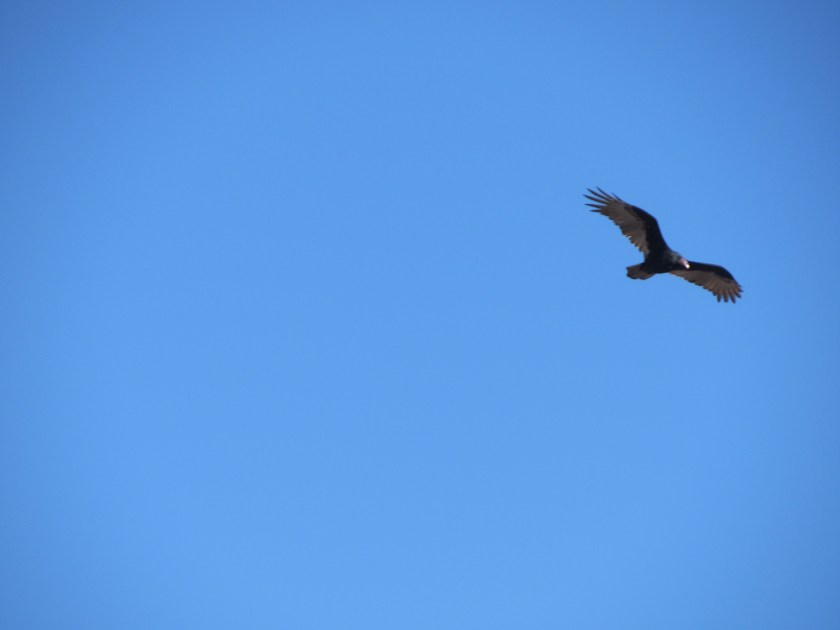
These next two are my favorites of this group:

 johnboystravelblog